As the 83rd Venice Film Festival kicks off, the absence of major studio productions signals a tectonic shift in how cinema is marketed, consumed, and judged. Is the era of the high-profile festival premiere coming to an end?
The Lido in Venice, once the undisputed playground for Hollywood’s most ambitious projects and their glittering entourages, feels different this September. As the 83rd Venice Film Festival officially opens its doors today, the red carpet is still being rolled out for stars like Robert Pattinson, Penélope Cruz, and Javier Bardem. Yet, despite the presence of high-caliber talent, a glaring void exists where the industry’s most anticipated blockbusters should be.
The 2026 edition of the festival, running through September 12, serves as a stark reminder of a growing trend: the world’s major film festivals—Cannes, Berlin, and now Venice—are increasingly being bypassed by the very studios that once relied on them to build critical momentum and Oscar buzz.
The Missing Lineup: A Study in Absence
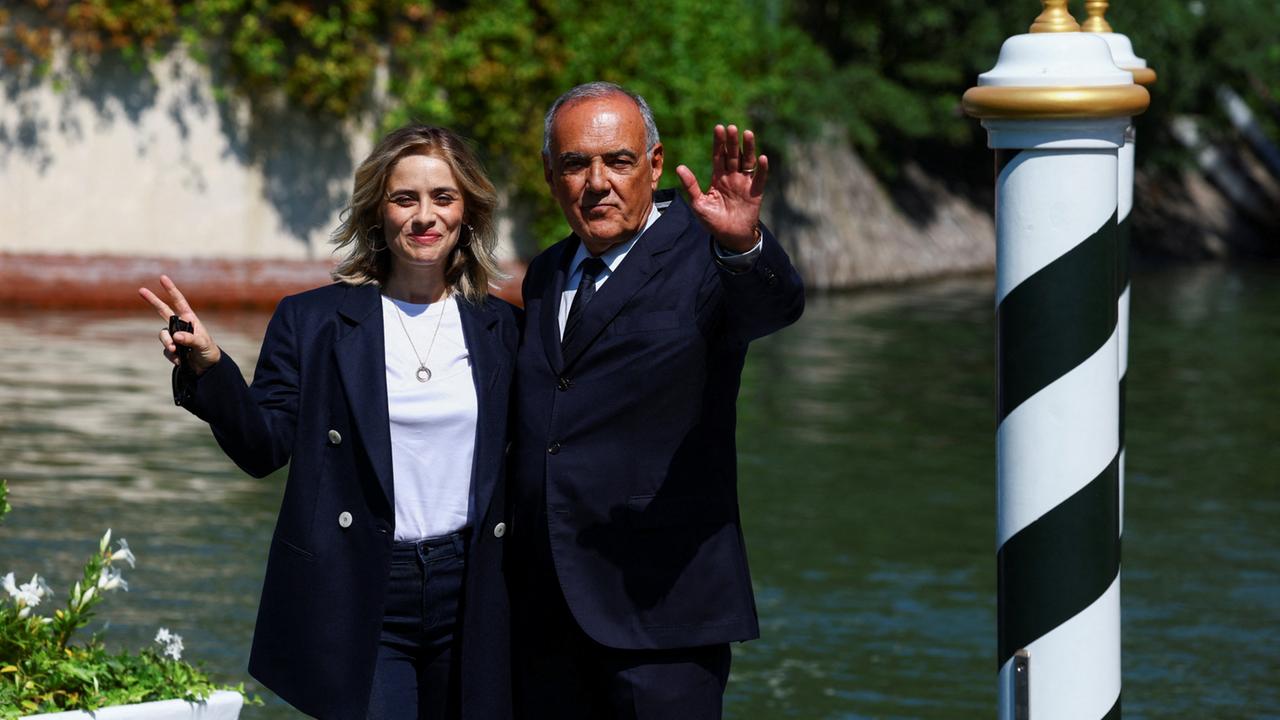
When Festival Director Alberto Barbera took the stage in late July to unveil the official selection, the atmosphere was thick with anticipation. However, as the two-hour press conference concluded, it became clear that the "Big Tech" and "Major Studio" players had largely stayed home.
Missing from the roster were the heavy hitters that industry insiders had bet on: Alejandro González Iñárritu’s political satire Digger, starring Tom Cruise; David Fincher’s The Adventures of Cliff Booth, a much-hyped sequel to Once Upon a Time in Hollywood; and Aaron Sorkin’s The Social Reckoning, the highly anticipated successor to The Social Network.
Instead, the festival’s most prominent US-led production is Primetime, a medially critical thriller starring Robert Pattinson. While Primetime carries the prestige of the A24 label—a studio known for high-quality, independent-minded cinema—it lacks the sheer box-office scale of a tentpole blockbuster. The absence of these "Hollywood heavyweights" leaves the festival program feeling distinctly more niche than in previous years, forcing organizers to lean on the strength of auteur-driven projects rather than the spectacle of franchise filmmaking.
Chronology of a Disconnect
The decline in studio participation did not happen overnight. For decades, the "Festival Circuit" was the cornerstone of a global marketing strategy. A film would premiere in Venice to secure European critical acclaim, head to Toronto to capture the North American market, debut in Telluride for the prestige, and conclude with a splashy premiere in New York. This "Festival-Hopping" was the gold standard for positioning a film as an Academy Award contender.
However, the tide began to turn in the early 2020s. Studios began to realize that the risk-to-reward ratio of a festival premiere had shifted.
- 2023: The friction became palpable when Disney’s Indiana Jones and the Dial of Destiny premiered in Cannes. While it brought glamour, the mixed reception from critics turned into a PR nightmare, contributing to what would later become a significant box-office underperformance.
- 2024: The trend solidified when Joker: Folie à Deux was torn apart by critics in Venice. The negative sentiment, amplified by social media, arguably poisoned the well before the film hit theaters, where it ultimately flopped despite a $200 million budget.
- 2025-2026: Studios like Warner Bros. began experimenting with alternative marketing paths, bypassing festivals entirely for films like Blood and Sinners and One Battle After Another, opting instead for digital-first campaigns and viral collaborations.
Supporting Data: The Economics of the Red Carpet
Why would a studio intentionally forfeit the global press coverage that a festival provides? The answer lies in a cold, hard financial analysis.
The Cost of Glamour
Logistics play a significant role. Flying in A-list stars, their security details, publicists, and stylists, and housing them in luxury suites for days at a time is an astronomical expense. When a studio calculates these costs—often running into the high six or low seven figures—against the unpredictable nature of film festival reviews, the incentive to participate diminishes.
The "Criticism Trap"
In an era where social media allows a negative review from a festival screening to trend globally within seconds, the risk of a "premature death" for a blockbuster is higher than ever. As film journalist Rebecca Leffler noted in the Screen International podcast, "Regisseurs want the competition status, but they are terrified of the critics." Cannes, in particular, is notorious for its "ruthless" critical environment, which can effectively kill a film’s buzz before the general public even has a chance to buy a ticket.
Alternative Marketing Channels
Studios are finding that they can reach their target demographics more efficiently elsewhere. The collaboration between filmmakers and platforms like Fortnite is a prime example. When an auteur-led film like One Battle After Another integrates its aesthetic into a digital environment with millions of daily users, it bypasses the "elitist" gatekeepers of the festival circuit and speaks directly to a younger, tech-savvy audience.
Official Responses and Industry Sentiment
Festival Director Alberto Barbera has been candid about this "Hollywood Vacuum." In a recent guest editorial for the Italian newspaper La Stampa, he described the current state of the industry as a "period of profound transformation."
"The decline in cinema attendance, combined with skyrocketing production costs, has forced studios to reconsider every dollar spent on marketing," Barbera wrote. "The festivals are not losing their relevance; the industry is simply losing its patience with the traditional path to success."
While Barbera maintains that the Venice Film Festival remains a bastion for artistic excellence, the frustration is evident. Festivals thrive on the "Event Cinema" aspect—the idea that a film is not just a product, but a cultural moment. When the biggest films of the year are absent, the festival risks being relegated to an industry-only retreat rather than a global cultural phenomenon.
The Future: Implications for Cinema
The shift away from festivals is not merely a logistical change; it is a fundamental alteration in the ecosystem of film.
- The Rise of Independent Power: With studios pulling back, festivals are becoming the domain of independent production companies like A24, Neon, and international auteurs like Werner Herzog, whose film Bucking Fastard will be a highlight this year. This could lead to a more diverse, albeit less "pop-culture-centric," festival experience.
- The Death of the "Slow Burn": Studios are moving toward "Big Bang" marketing—spending heavily on global digital launches rather than allowing a film to gain momentum through critical word-of-mouth. This favors franchise films and sequels over risky, original storytelling.
- The Festival Identity Crisis: Festivals are now at a crossroads. To remain relevant, they must either become more accessible to the public or double down on their identity as the final sanctuaries of high-art cinema. If they cannot reconcile with the major studios, the gap between "Festival Cinema" and "Blockbuster Cinema" will widen into a chasm.
As the lights dim in the Sala Grande this evening, the audience will be treated to the high-quality performances that have defined Venice for nearly a century. But for those watching from the outside, the message is clear: the red carpet is no longer the exclusive runway for Hollywood’s biggest dreams. In an age of algorithms and digital direct-to-consumer marketing, the festival premiere is becoming a luxury that the modern studio is no longer willing to afford.
The question for the future is not whether the festivals will survive—they are historic institutions, after all—but whether they will continue to be the primary engine of global cinematic culture, or if they will fade into a specialized, secondary market. As it stands, the industry is betting on the latter.