The ongoing conflict between the titans of the artificial intelligence industry and the global publishing sector has reached a new level of volatility. Freshly unsealed court documents from the ongoing litigation between The New York Times and tech giants OpenAI and Microsoft have exposed internal concerns that strike at the very heart of the generative AI business model. According to an internal communication from Brent Hecht, a senior Microsoft executive, the systematic scraping of copyrighted journalistic content to train AI models may amount to nothing less than the “greatest theft of labor in human history.”
This revelation, emerging from the “discovery” phase of the high-stakes copyright lawsuit, offers a rare, unfiltered glimpse into the moral and legal anxieties brewing within the very companies building the future of artificial intelligence.
Chronology of a High-Stakes Legal Conflict
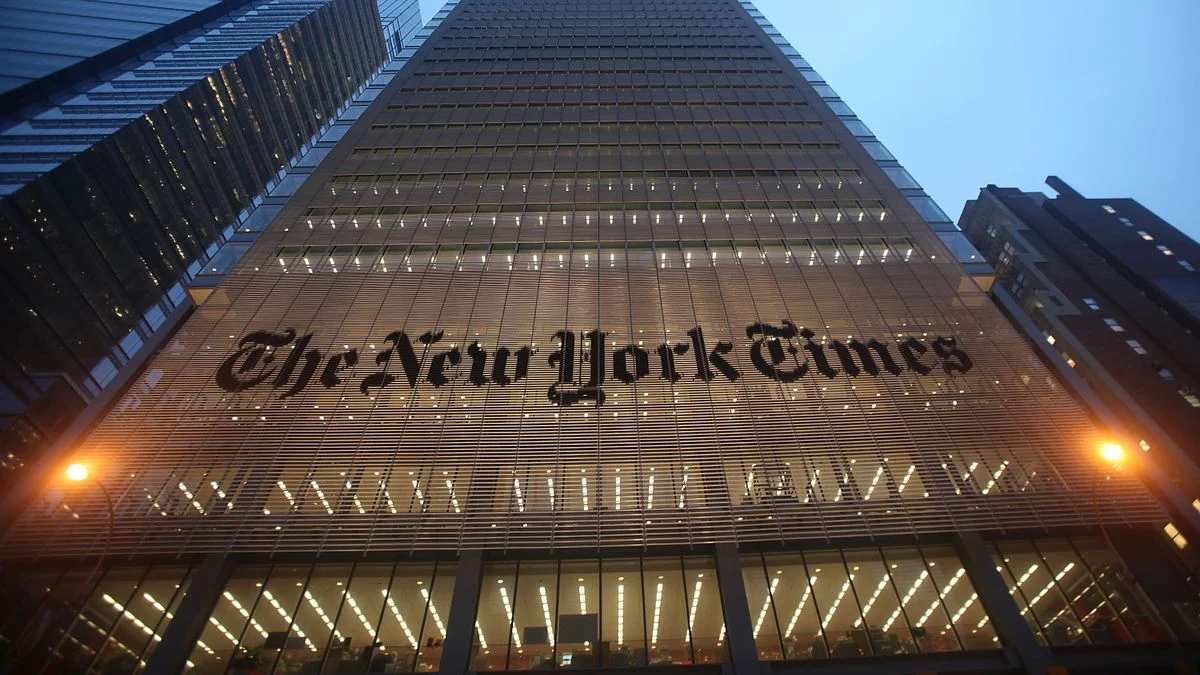
The tension between media organizations and AI developers is not new, but it reached a boiling point in December 2023 when The New York Times filed a formal lawsuit against OpenAI and its primary financial and technological partner, Microsoft.
The Foundation of the Lawsuit
The lawsuit alleges that OpenAI and Microsoft utilized millions of the newspaper’s articles to train their Large Language Models (LLMs), such as GPT-4, without permission, credit, or compensation. The core of the legal argument rests on the claim that these systems—designed to provide summaries and answers based on proprietary reporting—function as direct substitutes for the original journalism, thereby cannibalizing the audience and revenue streams of the outlets that produced the work.
Discovery and Disclosure
The documents that have now come to light were part of the mandatory pre-trial discovery process in the United States. During this phase, both parties are required to exchange internal documents, emails, and communications relevant to the case. It is within this exchange that Brent Hecht’s candid assessment was unearthed. Hecht, whose role involves shaping the strategic implementation of AI, reportedly described the process of ingesting copyrighted journalistic data as an “incomprehensible theft of unprecedented scale.”
The Expanding Fronts
The legal pressure is mounting, and the Times is not acting alone. The newspaper has expanded its legal strategy, recently filing a separate action against Perplexity AI, a search-oriented AI platform. This indicates that the legal battle is not merely a skirmish between the Times and OpenAI, but rather a broader, systemic conflict over the definition of “fair use” in the digital age.
Supporting Data: The Scale of the Ingestion
The scale of the data consumption described in the court documents is staggering. According to the internal findings referenced in the litigation, OpenAI is alleged to have utilized the contents of more than ten million news articles to train its systems.
The Heavy Reliance on News
The court filings reveal that nearly one-third of the data identified in the training sets originated from The New York Times alone. This suggests that the quality of AI output is inextricably linked to the quality of human-produced journalism. By effectively "digesting" the archives of reputable institutions, these models are able to mimic the analytical depth and factual rigor of professional newsrooms—often without acknowledging the source or providing a link back to the original publisher.
The Concept of "Fair Use"
In their defense, the AI industry frequently cites the legal doctrine of "fair use." They argue that the ingestion of text into a massive neural network does not constitute a violation of copyright because the AI is learning patterns, syntax, and linguistic structures rather than simply "copying" text. They contend that the transformative nature of AI, which provides synthesis and analysis, falls under the umbrella of creative, non-infringing usage. However, critics—and now, apparently, some high-level insiders—argue that when an AI produces an output that directly replicates the content or style of a specific, protected article, that defense begins to crumble.
Official Responses and Corporate Damage Control
The emergence of the Hecht memo has prompted a swift reaction from Microsoft, which is eager to distance itself from the incendiary language used by its employee.
Microsoft’s Rebuttal
A spokesperson for Microsoft stated that the comments made by Hecht were the “personal view of a single employee” and did not reflect the official stance or policy of the corporation. The company maintains that its AI development processes are conducted in accordance with the law and that it respects the intellectual property of creators globally. By framing the memo as an outlier opinion, Microsoft hopes to neutralize the potentially damaging narrative that its own staff considers the company’s foundational technology to be built upon theft.
The Silence from OpenAI
In stark contrast to Microsoft’s vocal distancing, OpenAI has remained largely silent on the matter. Requests for comment sent by major media outlets, including The Washington Post, have gone unanswered by the organization. This silence is interpreted by legal observers as a strategic move to avoid further incrimination while the case proceeds through the discovery phase.
The Plaintiff’s Perspective
For the legal team representing The New York Times, the Hecht memo is a "smoking gun." An attorney for the newspaper noted that the document serves as evidence that Microsoft and OpenAI were acutely aware that they were misappropriating professional journalistic labor without authorization or payment. The Times views this as proof of bad faith, which could potentially escalate the case from a standard copyright dispute to a broader claim of willful infringement.
Implications for the Future of Information
The outcome of this legal battle will likely set the legal, ethical, and economic precedent for the next decade of AI development.
The "Content Crisis" in AI
If courts eventually rule that the scraping of training data constitutes copyright infringement, the cost of training future models could skyrocket. AI companies would be forced to negotiate multi-billion dollar licensing agreements with publishers, effectively turning the internet’s content archives into a gated economy.
The Changing Landscape of Media Partnerships
Conversely, we are seeing the rise of a new, complex ecosystem of partnerships. For instance, the SPIEGEL Group has entered into a strategic collaboration with Perplexity AI. Under this model, the publisher receives a share of advertising revenue generated by its content, and the platform works to increase the visibility of the original articles. Critically, these agreements often stipulate that the partner’s content is not used for training the AI’s core language models, creating a clear distinction between "search and discovery" and "data ingestion."
The Moral Weight of "Labor"
Hecht’s characterization of AI training as the “theft of labor” taps into a growing sentiment among creators, writers, and artists. As AI models become more proficient at automating creative and analytical tasks, the question of whether humans should be compensated for the work that "teaches" these machines is no longer a fringe academic debate—it is a central economic issue.
Conclusion: A Turning Point
The internal discord at Microsoft serves as a reminder that the industry is not a monolith. Within the halls of the companies driving the AI revolution, there is a clear recognition that the current "wild west" approach to data harvesting is unsustainable. As this lawsuit progresses, the judiciary will be tasked with deciding whether the progress of artificial intelligence is compatible with the survival of the journalism industry. For now, the "Greatest Theft" memo stands as a haunting testament to the ethical friction inherent in the AI gold rush—a conflict where the value of human intellectual labor is being weighed against the promise of a machine-driven future.