Nearly a decade after the polarizing and generation-defining finale of HBO’s Girls aired in 2017, the dramedy that became the definitive voice for a certain subset of Brooklyn-dwelling, post-collegiate millennials is returning to television. In a move that has sent ripples of nostalgia—and no small amount of apprehension—through the cultural landscape, creator and star Lena Dunham announced on October 14, 2026, that the series will return for a five-episode limited revival.
For a generation that grew up alongside Hannah Horvath and her inner circle, the return of Girls is more than just a reboot; it is an exploration of what happens to the "voice of a generation" when that generation reaches the milestone of turning forty.
Main Facts: The Return of the Brooklyn Four
The announcement came via a blog post on Dunham’s Substack, Good Thing Going, followed by a promotional video on Instagram that featured the core cast in a digital reunion. Dunham, now 40, confirmed that production on the five new episodes is scheduled to begin next summer.
"We’re getting the band back together," Dunham wrote in her post. "Yes! They are letting us do this, despite us being four women and one ageless man."
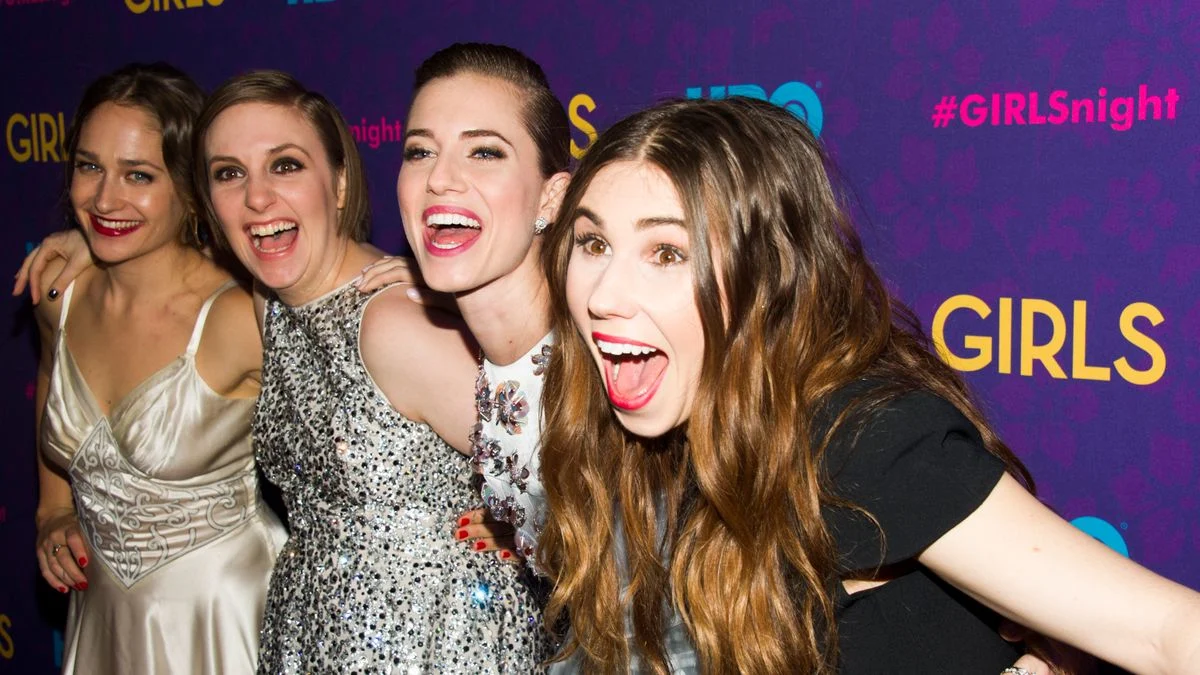
The core quartet—Dunham (Hannah), Allison Williams (Marnie), Zosia Mamet (Shoshanna), and Jemima Kirke (Jessa)—are all confirmed to return. Additionally, Andrew Rannells, who portrayed the fan-favorite Elijah, appeared in the reunion video, confirming his participation with a characteristically enthusiastic, "I’m in."
The premise of the revival centers on the characters navigating the complexities of their middle-age years. While the original series was defined by the frantic, self-absorbed uncertainty of one’s early twenties, the new episodes promise to examine how these women have evolved, or failed to evolve, as they approach their fifth decade.
A Chronology: From 2012 to 2026
To understand the significance of this revival, one must look at the trajectory of Girls within the HBO canon.

- 2012: Girls premieres, immediately sparking intense cultural debate. Critics praised its raw, unfiltered look at female friendship, while detractors criticized it for its perceived solipsism and lack of diversity.
- 2017: After six tumultuous and critically acclaimed seasons, the series concludes with a finale that left many viewers divided, mirroring the divisive nature of the show’s entire run.
- 2017–2026: In the years following the finale, the cast members pursued varied careers. Allison Williams pivoted to high-profile horror (Get Out, M3GAN), while Jemima Kirke and Zosia Mamet established themselves as indie darlings. Lena Dunham transitioned into writing, directing, and publishing, most notably releasing her memoir Famesick.
- October 2026: The official announcement of the five-episode revival is made, marking nearly ten years to the month since the show’s original cultural imprint began to fade.
Supporting Data: Why Now?
Dunham has been transparent about her hesitation to revisit the world of Girls. In the years following the show’s end, she frequently stated that a return would only occur if there were a "compelling story" that demanded to be told.
"I’ve missed these characters, but for a long time, I couldn’t quite imagine what they would look like in the current landscape," Dunham explained. She noted that the impetus for the project came during a period of reflection leading up to her own 40th birthday.
According to sources close to the production, the creative impetus was a sudden, almost intrusive "visitation" by the characters. Dunham described the experience as hearing the voices of Hannah, Marnie, Jessa, and Shoshanna "talking to me under the shower."
The decision also reflects a broader industry trend of "legacy revivals." HBO, looking to bolster its library of intellectual property, likely sees significant value in reuniting a fanbase that has matured alongside the show’s protagonists. The data regarding the show’s sustained viewership on streaming platforms suggests that while the original run ended in 2017, the "Girls" brand remains a potent asset for the network.
The Missing Piece: The Adam Driver Situation
Perhaps the most glaring omission from the announcement is the absence of Adam Driver, who played the show’s most complex male lead, Adam Sackler. Driver has since become a global superstar, earning multiple Oscar nominations for his roles in BlacKkKlansman and Marriage Story.
The tension between Dunham and Driver is no longer a matter of mere speculation. In her 2026 memoir, Famesick, Dunham addressed her professional history with the actor, characterizing his behavior on set as "verbally aggressive," "condescending," and "physically intimidating." While Driver has largely remained silent on these specific claims, the rift is now a matter of public record, making his involvement in any future project highly improbable.
The exclusion of Adam Sackler from the revival serves as a meta-commentary on the nature of the show: as people grow older, certain relationships are severed, and the characters must learn to navigate their lives without the figures who once defined them.

Implications: The "Voice of a Generation" at 40
The return of Girls poses a fascinating question: Can a show that was essentially about the "narcissism of youth" translate into a show about the "realities of middle age"?
The Evolution of the Protagonists
In their early twenties, the characters were defined by their pursuit of artistic validation and their toxic entanglements. As they enter their forties, the stakes are naturally higher. Will Hannah still be struggling with her identity as a writer and a mother? Will Marnie have found stability, or is she still tethered to the patterns of her past?
Cultural Relevance in 2026
Critics are already debating whether Girls can find relevance in the current social climate. When it premiered in 2012, the show was a lightning rod for discussions regarding privilege, gender, and the "millennial condition." In 2026, the cultural conversation has shifted toward different issues, and the challenge for Dunham will be to capture the zeitgeist without appearing as though she is simply relitigating the battles of a decade ago.
The Power of Fan Sentiment
Dunham admitted that the audience’s enduring love for the series played a role in her decision to return. "Seeing how generously you shared your love for it helped me change my mind," she wrote. This highlights the unique power dynamic between creator and audience in the age of social media. The "Girls" revival is a direct response to the persistent, vocal, and often demanding nature of the show’s dedicated fanbase.
A New Chapter or a Final Postscript?
By limiting the revival to just five episodes, Dunham seems to be aiming for a "closing statement" rather than a full-blown reboot. It suggests a focused, narrative-driven project intended to provide closure for the characters and the audience alike.
As we look toward the production phase in 2027, the central hope for fans is that Girls will retain the biting, uncomfortable, and often brilliant honesty that made it a television phenomenon. Whether or not it can successfully translate the angst of the 2010s into the complexities of the mid-2020s remains to be seen. However, one thing is certain: when Hannah, Marnie, Jessa, and Shoshanna start talking again, they will be very difficult to ignore.