As the tech world converges on the official retail launch of the iPhone Duo this coming Friday, Apple is doing more than just releasing hardware; it is orchestrating a fundamental shift in the mobile user experience. Recognizing that a foldable device is only as good as the software that powers it, Apple has inaugurated a dedicated "Made for iPhone Duo" category within the App Store. This strategic initiative ensures that the device’s expansive, flexible display is not merely a novelty, but a functional powerhouse for productivity, entertainment, and creativity.
Main Facts: A New Category for a New Form Factor
The iPhone Duo represents Apple’s first foray into the foldable market, and the company is leaving nothing to chance regarding user adoption. By introducing the "Made for iPhone Duo" badge—a visible seal of quality found on app product pages—Apple provides users with an immediate, curated list of applications that have been optimized to take full advantage of the device’s unique physical characteristics.
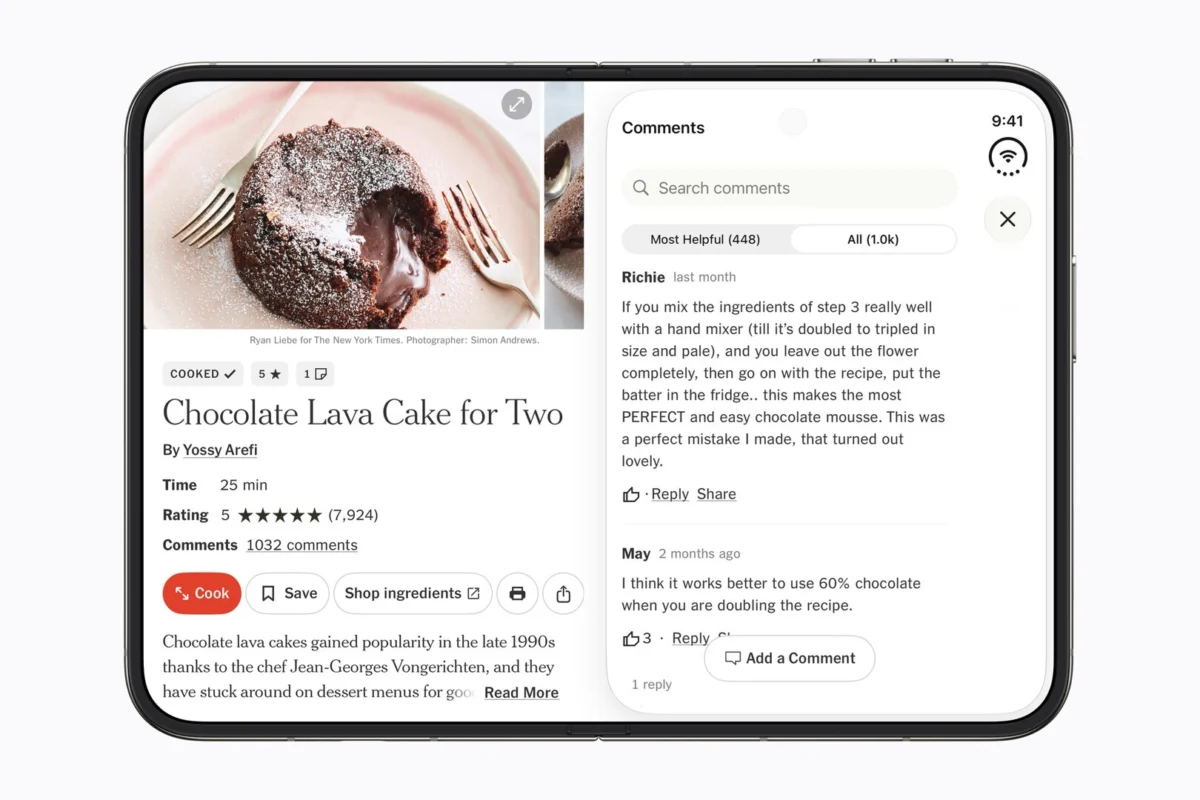
From day one, a vast array of industry-leading applications will be available in optimized formats. Major players, including Netflix, Microsoft, Instagram, and various productivity suites, have worked closely with Apple to ensure that their interfaces transition seamlessly between the closed "phone" state and the open "tablet" state. This optimization is not limited to simple resizing; it involves a re-architecting of UI elements, navigation flows, and interactive components that leverage the increased screen real estate.
Chronology of Development: From Concept to Launch
The journey to the iPhone Duo’s launch has been one of quiet, methodical preparation. While rumors of a foldable iPhone have circulated for years, Apple’s actual development cycle was characterized by intense collaboration with the developer community.

- Early Development Phase: Apple began distributing internal design guidelines and early developer kits to select partners over 18 months ago, focusing on the core challenges of fluid UI transitions.
- The Developer Workshops: Recognizing the complexity of folding displays, Apple hosted over 50 workshops across 19 global cities. These sessions allowed more than 2,000 developers to get hands-on experience with the hardware and, more importantly, to master the new APIs in the iOS 27.1 SDK.
- Beta Integration: With the release of Xcode 27.1, Apple introduced the "Device Hub," a sophisticated simulator that allowed developers to test their apps against various states of the device—folded, unfolded, partially open, and rotated—without needing constant access to physical prototypes.
- The Final Push: In the weeks leading up to this Friday’s launch, Apple expedited the review process for apps seeking the "Made for iPhone Duo" certification, ensuring that the App Store would be populated with high-quality, native experiences the moment customers open their boxes.
Supporting Data: The Ecosystem at a Glance
The breadth of the "Made for iPhone Duo" catalog is staggering, covering nearly every facet of digital life.
Streaming and Media Consumption
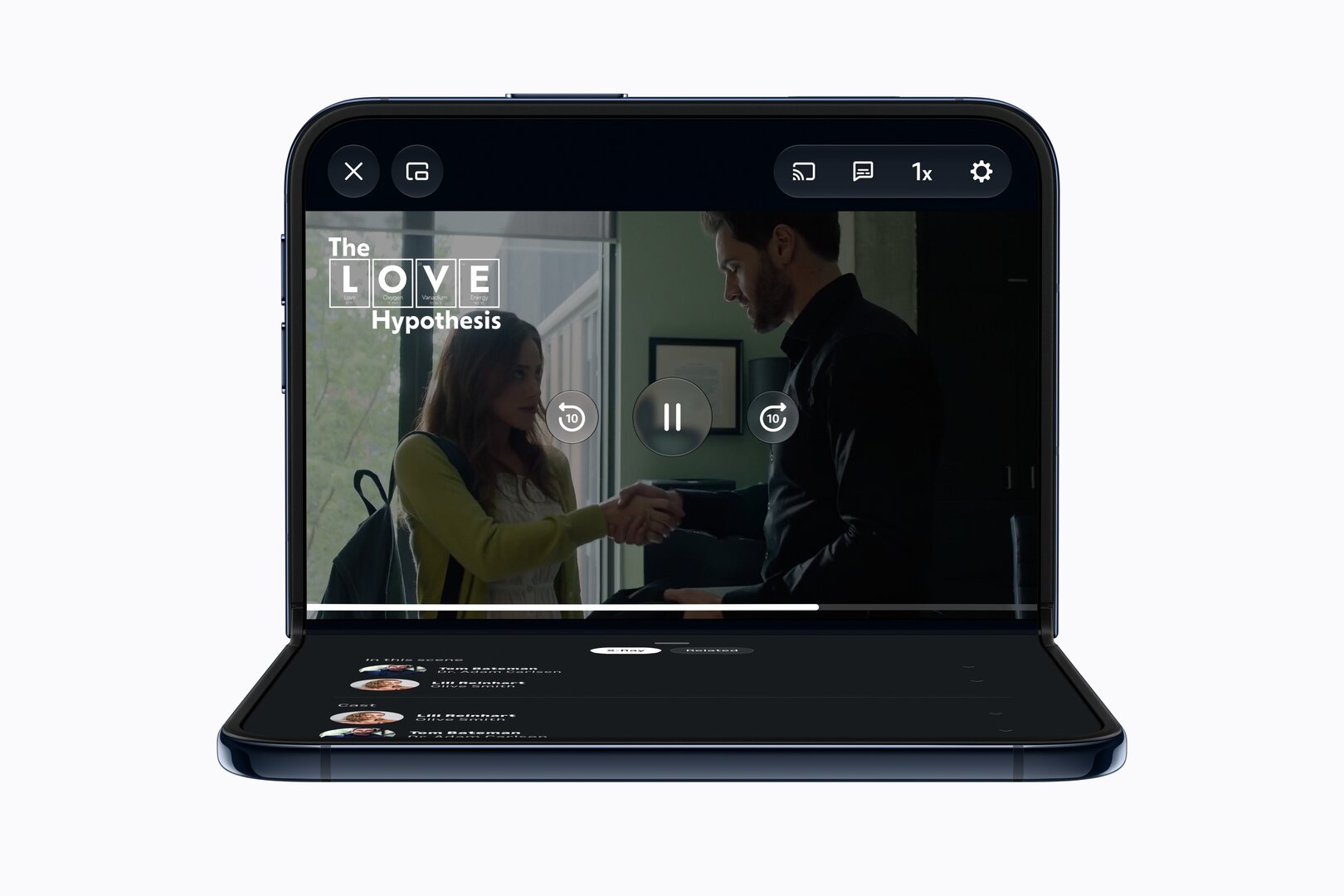
For entertainment, industry giants like Netflix, Prime Video, Paramount+, and Apple TV have redesigned their apps to support "Flex Mode." This allows the device to sit on a surface like a laptop, with video playing on the upper half of the display while playback controls occupy the lower half. Furthermore, live sports broadcasters like the MLB and PGA Tour have integrated real-time statistics and multi-view camera angles that capitalize on the larger unfolded screen, providing a "second-screen" experience in the palm of one’s hand.
Productivity and Workflow
The professional suite has seen the most significant transformation. Microsoft Word, Outlook, Zoom, Slack, and Salesforce have introduced split-screen multitasking capabilities that feel native to a tablet but mobile enough for a phone. For individual productivity, tools such as Fantastical, Cardhop, Notewise, Things, and Bear have been updated to utilize the extra width for side-by-side calendar views and document editing, effectively replacing the need for a separate laptop in many mobile scenarios.
Creativity and AI Integration
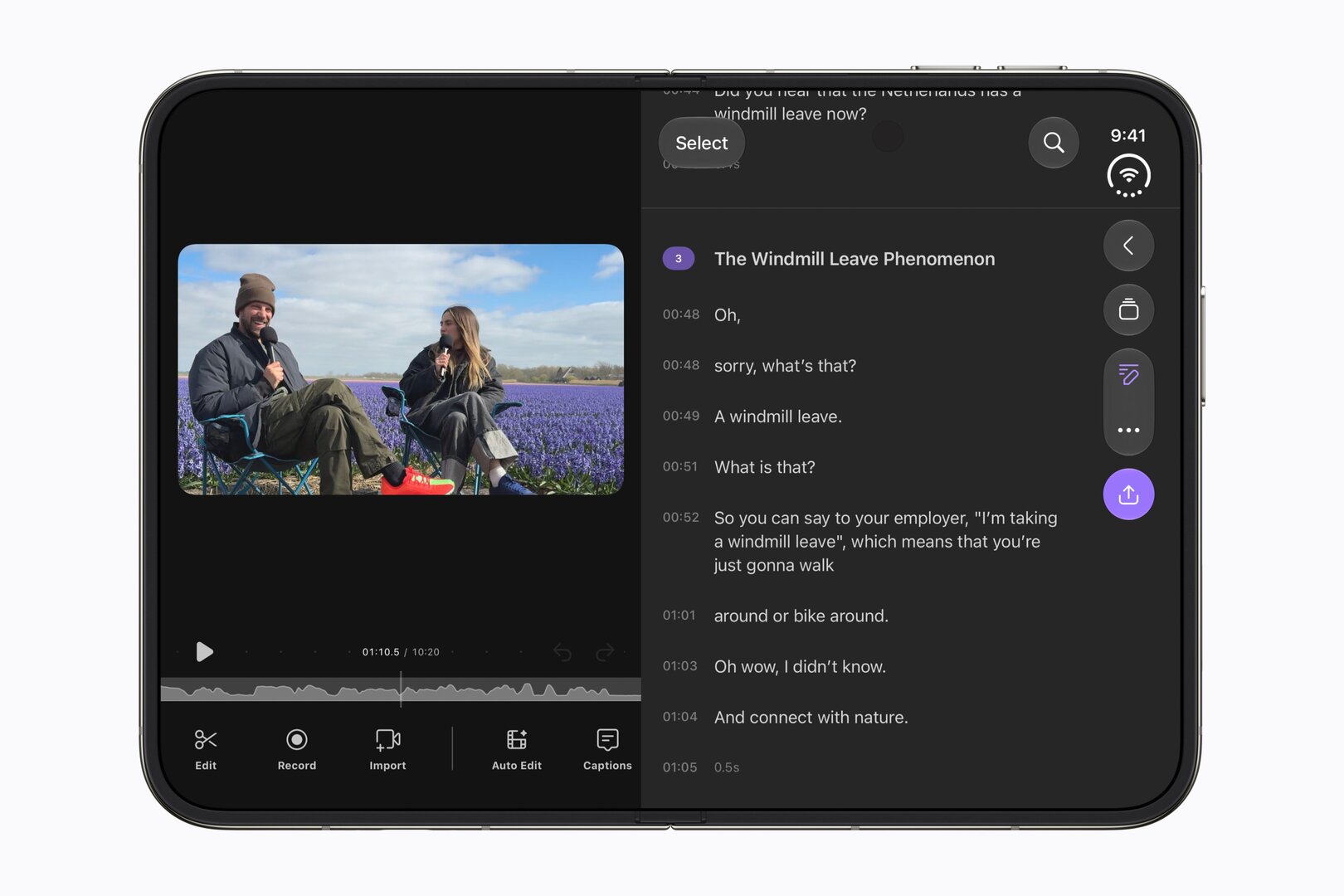
Content creators are arguably the biggest beneficiaries of the Duo’s form factor. Apps like Detail, Instagram, Edits, and VLLO now offer expansive timelines and toolbars that were previously cramped on standard smartphones. Detail, in particular, is highlighting its use of on-device AI models for automatic captioning and audio enhancement, utilizing the iPhone Duo’s processing power to perform complex edits that would typically require a desktop computer.
Global Reach
Apple’s launch strategy is distinctly international. In China, key apps like iQIYI, WPS Office, Weibo, and Taobao have been optimized for the local market’s preferences. Korean users will see similar support from KakaoTalk and Naver Series, while European and Latin American developers have contributed essential apps like AirMail, Craft, and SmartGym, ensuring the iPhone Duo is a viable tool for users globally.
Official Responses and Technical Foundations
Apple’s engineering teams have emphasized that the success of the iPhone Duo rests on the "Device Hub" and the new APIs introduced in the iOS 27.1 SDK.
"We didn’t just want to build a folding screen; we wanted to build a folding experience," stated an Apple representative. "By utilizing SwiftUI and UIKit, we have made it easier for developers to build responsive interfaces. Our new Hinge API is a game-changer, allowing apps to physically react to the angle of the device. If the device is folded at 90 degrees, the app knows exactly what to display on each segment of the screen."
Beyond the Hinge API, the new camera APIs are of particular note. They allow the iPhone Duo to utilize its primary rear-facing cameras for high-resolution selfies and video calls, as the foldable screen can be used as a viewfinder while the device is in an upright position. This solves a major pain point for mobile influencers and professionals who previously had to sacrifice image quality for the convenience of front-facing cameras.
Implications: A Paradigm Shift for Mobile Computing
The release of the iPhone Duo and the subsequent app ecosystem carries profound implications for the future of mobile computing.
The End of the "Phone vs. Tablet" Binary
For years, users have been forced to choose between the portability of a smartphone and the utility of a tablet. The iPhone Duo collapses this binary. If this device proves successful, we may see a decline in the sales of smaller-sized tablets, as the "folding phone" will fulfill the needs of the average consumer who requires a larger screen only intermittently.
Developer Commitment to Quality
Apple’s decision to create a dedicated "Made for iPhone Duo" category sets a high bar. It prevents the "stretched app" syndrome that plagued early Android foldables, where apps simply scaled up and appeared blurry or poorly formatted. By curating the experience, Apple is effectively forcing the industry to adopt higher standards for responsive design.
The AI-Foldable Synergy
The combination of the iPhone Duo’s screen real estate and the rise of local AI models is a match made in heaven. The larger screen allows for complex AI interactions—such as side-by-side comparison of AI-generated text or real-time video editing—without the clutter of a small display. This suggests that the next iteration of Apple Intelligence will be deeply tied to the form factor of the hardware it runs on.

The Competitive Landscape
This launch puts immense pressure on competitors. While other manufacturers have experimented with foldables for several years, Apple’s arrival with a robust, software-first approach changes the conversation. The focus is no longer on who can build the most durable hinge, but on who can provide the most compelling software ecosystem for a flexible display.
Conclusion: The Road Ahead
As the first units reach customers this Friday, the tech community will be watching closely to see if the "Made for iPhone Duo" category grows as rapidly as Apple intends. With over 2,000 developers already trained and a clear roadmap for further updates throughout the year, the iPhone Duo is positioned not as a niche experimental device, but as the new flagship standard for Apple.
For the user, the promise is simple: a device that shrinks to fit the pocket and expands to fit the workflow. If the early reports and the high level of developer buy-in are any indication, the "Foldable Frontier" is no longer a distant goal—it is the new reality of mobile technology. Whether for the casual streamer, the power-user, or the creative professional, the iPhone Duo aims to prove that when it comes to the screen in your hand, bigger—and more flexible—is indeed better.