In a landscape defined by algorithmic feedback loops and digital polarization, the term "Ragebait" has officially been declared the Youth Word of the Year 2026. The announcement, made by the Langenscheidt publishing house at the Frankfurt Book Fair, marks a significant cultural acknowledgment of how modern internet consumption has shifted toward the exploitation of human emotion.
The decision, which followed a tightly contested public vote, reflects a generation acutely aware of the manipulative mechanics governing their social media feeds. As teenagers navigate a digital world increasingly dominated by inflammatory content, "Ragebait" has become the definitive shorthand for the deliberate provocation that defines the online experience.
The Anatomy of "Ragebait"
At its core, "Ragebait"—literally translated as "Wutköder" (anger bait)—describes content specifically engineered to trigger outrage, moral indignation, or heated debate. These are not organic expressions of opinion, but calculated instruments designed to hack the algorithms of platforms like TikTok, Instagram, and X.
By disseminating bizarre claims, intentionally flawed logic, or provocative misinformation, content creators can manufacture high levels of engagement. Because algorithms prioritize "dwell time" and comments—regardless of whether the engagement is positive or negative—outrage becomes a commodity. For the creators of ragebait, the emotional exhaustion of the user is a secondary concern to the metrics of reach and virality.
The linguistic victory of this term suggests that the youth of 2026 are no longer passive consumers of digital media. Instead, they are developing a critical lexicon to identify and categorize the manipulative techniques used to capture their attention.
A Tight Race: The Finalists
The selection process for the Youth Word of the Year is a barometer for current sociolinguistic trends. This year, the competition was particularly fierce, reflecting a divergence in how young people express concepts of excellence, loss of control, and social frustration.
The Runners-Up:
- Peak: Garnering 33.8% of the vote, "Peak" refers to the "pinnacle" or "the best of the best." It is a term used to describe moments, items, or experiences that have reached an unattainable level of quality or aesthetic perfection.
- Crashout: With 29.7% of the vote, "Crashout" refers to an individual who has completely lost their composure or sanity. It describes a state of total emotional collapse or a reckless, impulsive reaction to a situation.
The fact that "Ragebait" secured 36.5% of the vote in such a narrow three-way split underscores its cultural relevance. While "Peak" represents the aspirational side of youth culture and "Crashout" deals with individual behavioral extremes, "Ragebait" speaks to the systemic environment in which these young people operate.
Chronology of the 2026 Selection
The road to the 2026 title began months prior, with a longlist of potential terms that reflected the rapid evolution of digital slang.
- Phase One: Nominations. During the spring and summer of 2026, the Langenscheidt team monitored social media discourse and youth vernacular. Thousands of terms were suggested by the public.
- Phase Two: The Shortlist. A jury curated the list to ensure the terms were not only widely used but also representative of the year’s unique linguistic fingerprint.
- Phase Three: The Public Vote. Over the course of the campaign, approximately one million young people participated in the online voting process. The engagement numbers confirm that the competition remains a cornerstone of the German-speaking youth cultural calendar.
- The Announcement: On October 10, 2026, at the Frankfurt Book Fair, the results were finalized and presented to the public, solidifying "Ragebait" as the defining word of the year.
Data and Trends: A Million-Strong Voice
While the Langenscheidt publishing house did not disclose the precise number of votes cast in the final round, the total campaign participation of one million individuals highlights the enduring popularity of the initiative.
Since its inception in 2008, the "Youth Word of the Year" project has served as a sociological study of how language evolves in the digital age. By targeting the demographic of 11- to 20-year-olds, the project captures the transition from school-age slang to the more cynical, tech-savvy vernacular of young adults.
The transition from last year’s winner—"das crazy"—to this year’s "Ragebait" is telling. While "das crazy" was a linguistic filler used to denote general surprise or acceptance, "Ragebait" is a diagnostic tool. It indicates that the 2026 youth cohort is shifting away from simple expressive slang toward terms that analyze and critique the infrastructure of their social environments.
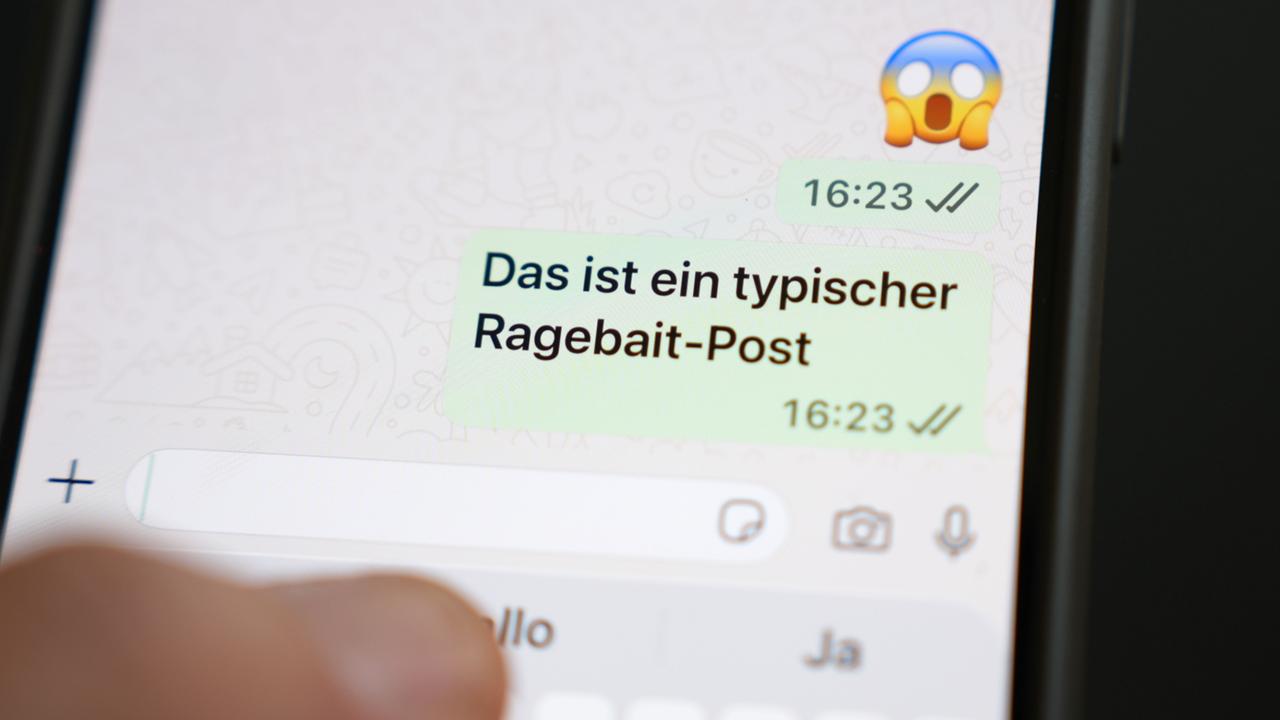
Expert Perspectives: Why "Ragebait"?
Linguists and media sociologists argue that the rise of "Ragebait" is a direct response to the "Attention Economy." In an era where human attention is the most valuable resource, the platforms that host the lives of teenagers have essentially gamified the user’s emotional state.
"When young people identify a post as ‘Ragebait,’ they are effectively performing a media-literacy check," says one analyst. "By naming the phenomenon, they neutralize its power. They are acknowledging that the anger they feel is being harvested for ad revenue."
This self-awareness is crucial. It suggests that while the digital landscape remains highly polarizing, the user base is becoming increasingly immunized against the most blatant forms of emotional manipulation.
The Broader Implications: What Does This Mean for 2027?
The selection of "Ragebait" carries profound implications for the future of digital interaction. As we look toward 2027, several trends are likely to emerge:
1. Increased Skepticism of Digital Authority
The labeling of content as "Ragebait" signals a growing distrust in the narratives presented on social media. If the youth of today can identify the "bait," they may be more inclined to seek out verified or community-moderated sources of information.
2. The Evolution of Platform Moderation
Platforms that rely on high-octane, inflammatory content may face a backlash. If "Ragebait" is identified as a negative, manipulative force by its primary user demographic, platforms may be forced to tweak their algorithms to prioritize "healthier" or more constructive forms of engagement to retain their younger user base.
3. A Shift in Creator Strategy
Content creators, influencers, and brands must now tread carefully. The "Ragebait" label acts as a warning sign. Creators who rely solely on provocation may find their audience increasingly fatigued, leading to a potential shift toward "authentic" or "value-driven" content.
Conclusion: A Reflective Generation
The choice of "Ragebait" is perhaps the most self-reflective selection in the history of the Youth Word of the Year. It is not a celebratory term; it is a defensive one. It describes the noise, the anger, and the manipulation that characterize the modern digital experience.
As society continues to grapple with the effects of social media on mental health and democracy, the fact that teenagers have chosen a word that critiques the very platform they use most speaks volumes. They are not merely the products of the digital age—they are its observers, its critics, and its most discerning participants.
As we move forward, "Ragebait" will likely remain in the lexicon, serving as a constant reminder that in the battle for our attention, the most powerful tool we have is the ability to recognize when we are being played. The youth have spoken, and their message is clear: they are tired of the rage, they recognize the bait, and they are ready for a new chapter in digital communication.