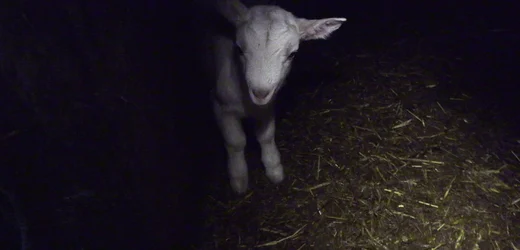
The global appetite for goat milk has seen a meteoric rise over the last decade. Marketed as a healthier, more digestible alternative to cow’s milk, it has transitioned from a niche health-food store staple to a mainstream commodity found in almost every major supermarket chain. Yet, behind the pristine packaging and the pastoral imagery of goats grazing on lush hillsides, a disturbing reality has emerged. Recent investigations into large-scale goat dairy operations have uncovered systemic animal welfare violations, including high mortality rates among kids and the neglect of mother goats pushed to their physiological limits.
The Illusion of the "Happy Goat"
The marketing surrounding goat milk relies heavily on the public’s perception of the animal. Goats are seen as hardy, intelligent, and relatively low-maintenance creatures. Consumers often visualize small, family-run farms where goats roam freely. However, as demand has skyrocketed, the industry has shifted toward intensive, industrial-scale farming, mirroring the practices of the dairy cow industry.
In these high-capacity operations, the drive for efficiency often supersedes animal welfare. As lactation cycles are artificially managed to ensure a steady supply of milk, the natural biology of the animal is frequently ignored. Investigations have highlighted facilities where overcrowding, poor ventilation, and a lack of proper veterinary care have led to widespread suffering.
Chronology of a Crisis
The scrutiny surrounding the industry did not emerge overnight. It has been a slow accumulation of reports from whistleblowers, NGOs, and undercover investigations.
- 2018–2020: As goat milk consumption grew by nearly 15% annually in Western markets, small-scale farmers began raising concerns about the industrialization of the sector. They warned that the economic model being pushed by large distributors made it impossible to maintain high animal welfare standards while remaining price-competitive.
- 2021: The first major exposés regarding "super-farms" in Northern Europe surfaced. Reports documented thousands of goats housed in windowless sheds, with mortality rates for newborn kids reaching as high as 20–30% in some facilities—a figure significantly higher than that seen in traditional husbandry.
- 2022: Animal rights organizations began formal complaints against large-scale processors, alleging that the "fast-track" breeding programs were causing chronic physical distress to mother goats.
- 2023–2024: Media investigations, including deep-dives into supply chain traceability, revealed that many "premium" goat milk brands were sourcing from these high-intensity farms, effectively greenwashing the animal cruelty involved in the production process.
Supporting Data: The Cost of Efficiency
The economic pressures on goat dairy farmers are immense. To keep pace with demand, farms are incentivized to produce more milk per animal. This has led to the use of high-protein diets and selective breeding, which, while increasing yields, puts immense strain on the goats’ metabolisms.
Data from recent agricultural audits suggest that in intensive operations:
- Kid Mortality: In traditional farming, the mortality rate for newborn kids is typically under 5%. In intensive industrial operations, this number fluctuates between 15% and 25% due to inadequate colostrum intake and lack of human supervision during the birthing season.
- Mastitis Prevalence: Because of the intensive milking schedules, cases of mastitis—a painful inflammation of the udder—are reportedly 40% higher in industrial settings compared to extensive grazing systems.
- Longevity: While a goat can naturally live for 15 years or more, those in intensive dairy production are often culled after just 3 to 4 years when their milk production declines, effectively turning sentient animals into disposable assets.
Official Responses and Industry Defense
The response from the dairy industry has been a mix of denial, defensive posturing, and promises of reform. Large-scale processors often argue that the investigations are based on isolated incidents and do not represent the industry at large.
"We adhere to all local animal welfare regulations," one major European dairy cooperative stated in a recent press release. "Our farmers are subject to regular inspections, and we provide extensive training on best practices for kid rearing and veterinary intervention."
However, critics point out that these "regulations" are often outdated and ill-suited for the scale of modern industrial farms. Government agricultural departments have been slow to update these laws, often citing the need for "economic stability" in the rural sector. Lobbyists for the dairy industry have frequently argued that stricter welfare regulations would drive up prices, ultimately hurting consumers who have come to rely on goat milk for health reasons.
Ethical Implications and the Consumer Dilemma
The rise of the goat milk industry highlights a broader ethical dilemma in modern food production: the "Health Halo Effect." Consumers choose goat milk because they believe it is a more ethical and healthier alternative to cow’s milk, often paying a premium for the product. When that trust is betrayed, the impact on consumer confidence is profound.
The Problem of Traceability
A significant challenge is the lack of transparency in the supply chain. Much of the goat milk sold in supermarkets is processed by large cooperatives that aggregate milk from hundreds of different farms. This makes it nearly impossible for a consumer to trace the milk back to a specific farm or to verify that the animal welfare standards they assume are being met.
The Role of Regulatory Bodies
There is a growing call for mandatory "welfare labeling" on dairy products. Proponents argue that if consumers could see a rating—similar to the egg-labeling system—they would be more inclined to pay extra for products from farms that meet high animal welfare standards. Without government intervention, however, the industry is unlikely to adopt such transparent measures voluntarily, as they risk exposing the systemic failures currently propping up the low-cost model.
Toward a Sustainable Future
Is it possible to have an ethical goat milk industry? Experts suggest that the answer lies in a fundamental restructuring of the market.
- Transition to Pasture-Based Systems: Encouraging and subsidizing farmers to move away from intensive, indoor-only systems to pasture-based systems. This improves the health of the animals and significantly reduces the incidence of disease.
- Decentralization: Supporting regional, smaller-scale processors rather than giant, centralized cooperatives. Smaller operations are inherently more accountable and have a closer relationship with their livestock.
- Consumer Awareness: As the public becomes more informed, there is a shift toward "ethical purchasing." By choosing brands that provide transparent information about their farming practices, consumers can exert market pressure on the industry to change.
- Legislative Reform: Governments must move beyond basic health regulations and establish welfare-centric laws that mandate adequate space, natural light, and veterinary access for all livestock, regardless of the size of the farm.
Conclusion
The story of goat milk is a cautionary tale of what happens when a niche, wholesome product is subjected to the logic of industrial mass production. The "hype" has effectively outpaced the industry’s ability—or willingness—to protect the very animals that make the commodity possible.
For the modern consumer, the choice is no longer as simple as picking a carton off the shelf. It requires a deeper engagement with the provenance of our food. While goat milk remains a nutritious option for many, the price of that nutrition must not be the systemic suffering of the animals involved. If the industry continues on its current path, it risks alienating the very demographic that fueled its rise. Real change will require a coalition of informed consumers, ethical farmers, and brave regulators willing to put animal welfare ahead of the bottom line. Until then, the "goat milk revolution" remains, in many ways, a broken promise.