By Financial News Desk
Updated: September 29, 2026
The summer of 2026 will be remembered not only for its record-breaking temperatures but for the definitive mark it left on the European economy. As the season draws to a close, analysts are moving from mere observation to calculating the total financial fallout. What began as a meteorological phenomenon has evolved into a significant economic stress test, highlighting the vulnerabilities of global supply chains, the limits of agricultural output, and the stark divergence between winners and losers in an era of climate volatility.
Estimates suggest that the German economy alone faces losses of up to 42 billion euros. While the macroeconomic picture is sobering, the stock market reveals a more nuanced reality: a fundamental shift in consumer demand and industrial efficiency that is separating resilient enterprises from those unable to adapt to the new climate reality.
The Economic Toll: A Multi-Front Crisis
The economic damage caused by the 2026 heatwave is not a singular event but a collection of compounding pressures. European Agricultural Commissioner Christophe Hansen recently confirmed that the agricultural sector across the European Union has sustained losses between 14 and 17 billion euros, driven by a lethal combination of drought, heat-induced crop failure, and wildfires.
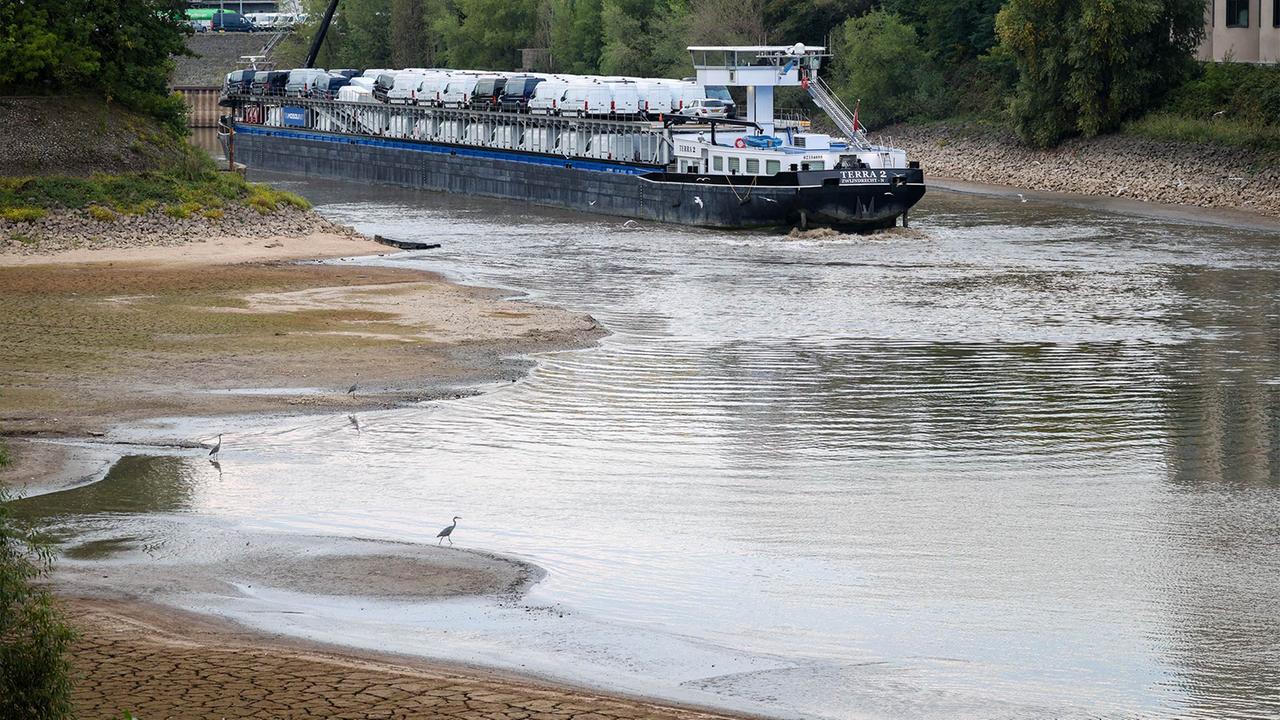
In Germany, the consequences are clearly visible in the harvest reports. Grain yields have plummeted by 7.3% compared to the previous year. However, the impact extends far beyond the farm gate. The heatwave has crippled logistics, particularly along major waterways like the Rhine. As water levels reached critical lows, freight ships were forced to reduce their cargo capacity or cease operations entirely, causing massive bottlenecks in the transport of raw materials and energy components.
Beyond supply chain logistics, economists point to a "human capital tax." The intense heat has led to a measurable decline in labor productivity. Health-related absences have risen, and the general physical exhaustion caused by prolonged heat stress has impacted manufacturing output and service sector efficiency across the continent.
Chronology of a Heat-Driven Market Shift
- Early June 2026: Initial heatwaves hit Southern Europe, signaling an early start to a challenging summer. Supply chain managers report early warning signs regarding inland water transport.
- July 2026: Agricultural indices begin to show volatility as drought conditions in key European breadbaskets become apparent. Energy prices start to climb as cooling demand spikes and river levels impact cooling water for power plants.
- August 2026: Consumer behavior shifts. Retail data indicates a massive surge in demand for home cooling and irrigation supplies, while discretionary spending on luxury food items begins to decline.
- Mid-September 2026: Corporate earnings previews begin to reflect the "heat tax." Companies with high exposure to supply chain vulnerabilities or luxury goods issue profit warnings.
- September 29, 2026: The markets digest the full scope of the summer’s impact. While the DAX rallies on diplomatic optimism, individual sector performance reflects the harsh realities of the summer.
Corporate Case Study: The Lindt & Sprüngli Warning
Perhaps no company better illustrates the dual pressure of climate change and shifting consumer sentiment than the Swiss chocolate giant, Lindt & Sprüngli. Today, the company’s stock in Zurich plummeted to a new annual low after it was forced to slash its growth forecast once again.
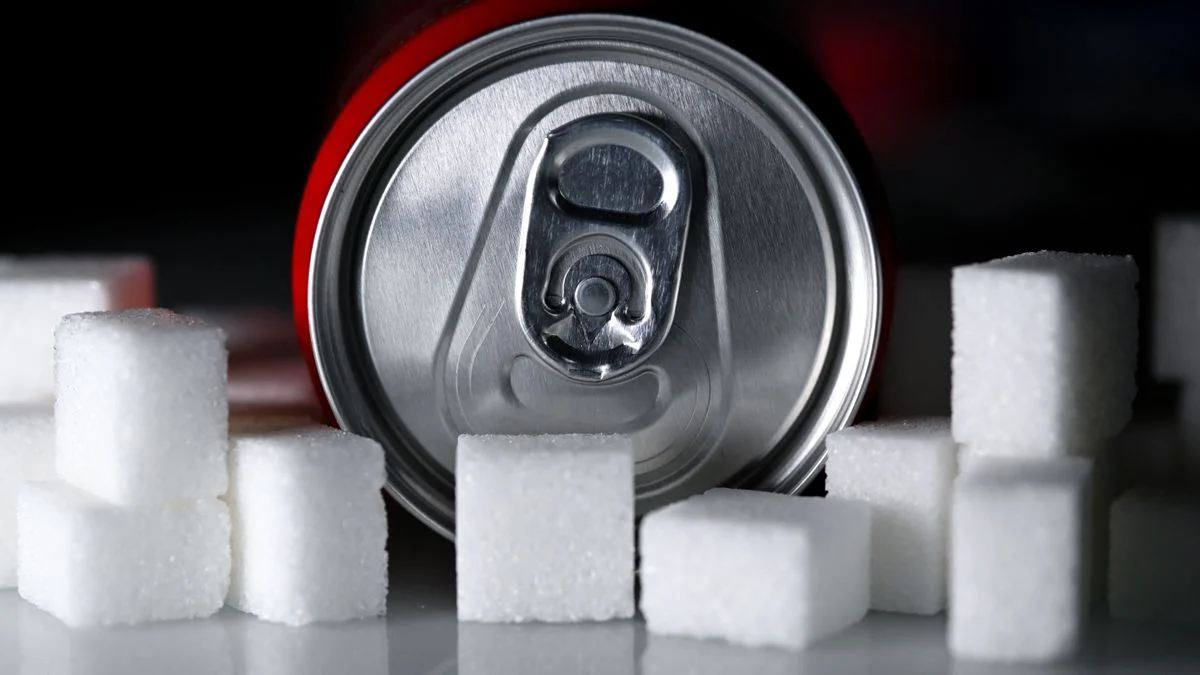
Initially, the company projected growth between four and six percent. That target has now been downgraded to a best-case scenario of two percent. The reasons are two-fold. First, the supply side: crop failures in West Africa, exacerbated by changing weather patterns, have caused cocoa prices to skyrocket. According to the Federal Statistical Office, the average price of a chocolate bar in Germany was 69% higher this August than in 2020.
Second, the demand side: the "preissensibel" (price-sensitive) consumer is no longer willing to absorb these costs. When combined with extreme heat, which naturally lowers the appetite for chocolate, the result is a significant drop in volume. This serves as a cautionary tale for luxury goods manufacturers: climate-induced price inflation, when coupled with extreme weather, creates a "double-squeeze" on revenue that is difficult to hedge against.
Identifying the Winners: Adaptation as a Business Model
While many industries have suffered, a select few have managed to capitalize on the changing environment. The market is increasingly rewarding companies that provide solutions to climate-related problems or those that benefit from the resulting commodity price fluctuations.
Suedzucker and the Ethanol Surge
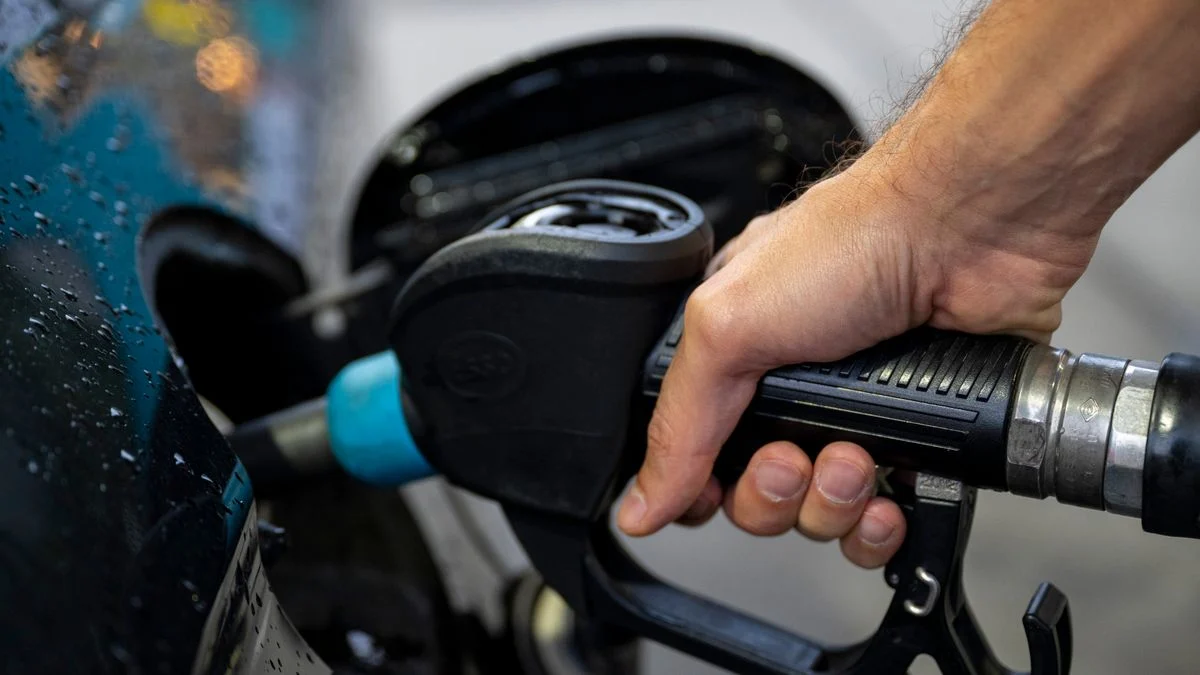
Suedzucker, one of Europe’s largest sugar producers, recently increased its earnings forecast. The company is benefiting from a rise in both sugar and ethanol prices. The logic is simple yet brutal: as crops like maize and wheat failed due to the drought, the supply of raw materials for biofuel production dwindled, pushing prices higher. Suedzucker’s ability to pivot its output to meet these high-demand segments has shielded it from the broader market downturn.
Hornbach’s Seasonal Boom
The most prominent "winner" of the 2026 heatwave is the DIY and home improvement retailer, Hornbach. Today, the company reported stellar half-year results for 2026/27. Revenue climbed six percent to 3.8 billion euros, with the adjusted operating result (EBIT) rising by nearly five percent to 285.6 million euros.
The driver of this success is clear: a surge in demand for "survival" and "adaptation" gear. Air conditioning units, external shading solutions, and advanced irrigation systems were the primary catalysts for this growth. Hornbach has successfully positioned itself as a provider of climate-resilience, gaining significant market share across Europe by meeting the immediate needs of consumers trying to make their homes habitable in a warming world.
Official Responses and Policy Implications
Governments are now under immense pressure to move from reactive measures to proactive climate adaptation policies. The 42-billion-euro damage estimate has sparked a fierce debate in the Bundestag regarding the necessity of "climate-proof" infrastructure.
EU Commissioner Christophe Hansen has hinted that the upcoming EU budget discussions will place a greater emphasis on "climate-resilient agriculture." This involves subsidies for drought-resistant crop strains and investment in water management systems that can better withstand the kind of low-water scenarios seen on the Rhine.
Industry leaders are also calling for more flexible supply chain regulations. The reliance on river transport for critical industrial components has been identified as a strategic vulnerability. "We cannot afford for the German economy to be held hostage by the water levels of the Rhine," noted one industry analyst. Proposals are currently circulating for an accelerated transition to rail and road transport infrastructure, though the environmental and financial costs of such a shift remain points of contention.
Implications for Investors: The "Climate Alpha"
For investors, the 2026 heatwave has provided a masterclass in risk assessment. Traditional metrics are no longer sufficient to gauge the long-term viability of a company. The "Climate Alpha"—the ability to generate profit amidst climate disruption—has become a key performance indicator.
Investors are increasingly looking at:
- Supply Chain Redundancy: Can the company move goods without relying on weather-dependent routes?
- Pricing Power vs. Elasticity: Can the company pass on the costs of climate-related raw material inflation without losing its customer base?
- Adaptation Revenue: Does the company produce goods or services that help others cope with extreme weather?
As the DAX climbs 0.8% to 25,590 points today—largely buoyed by optimistic reports of diplomatic negotiations regarding the Gulf region—it is clear that macroeconomic sentiment can still override climate concerns in the short term. However, the underlying data from this summer tells a deeper story. The corporations that thrive in the coming decade will be those that have integrated the reality of a warming world into their core business strategy.
The summer of 2026 was not an anomaly; it was a preview. For the German economy and the broader European market, the lesson is clear: the cost of inaction is no longer a future threat—it is a current expense that is already being paid in full.