Main Facts: The Summit of the Rankings
In a historic milestone for German tennis, Alexander Zverev has officially ascended to the pinnacle of the ATP World Rankings. Achieving the world number one position is not merely a statistical triumph; it is the culmination of a grueling, multi-year journey defined by physical resilience, tactical evolution, and the overcoming of significant personal and professional adversity.
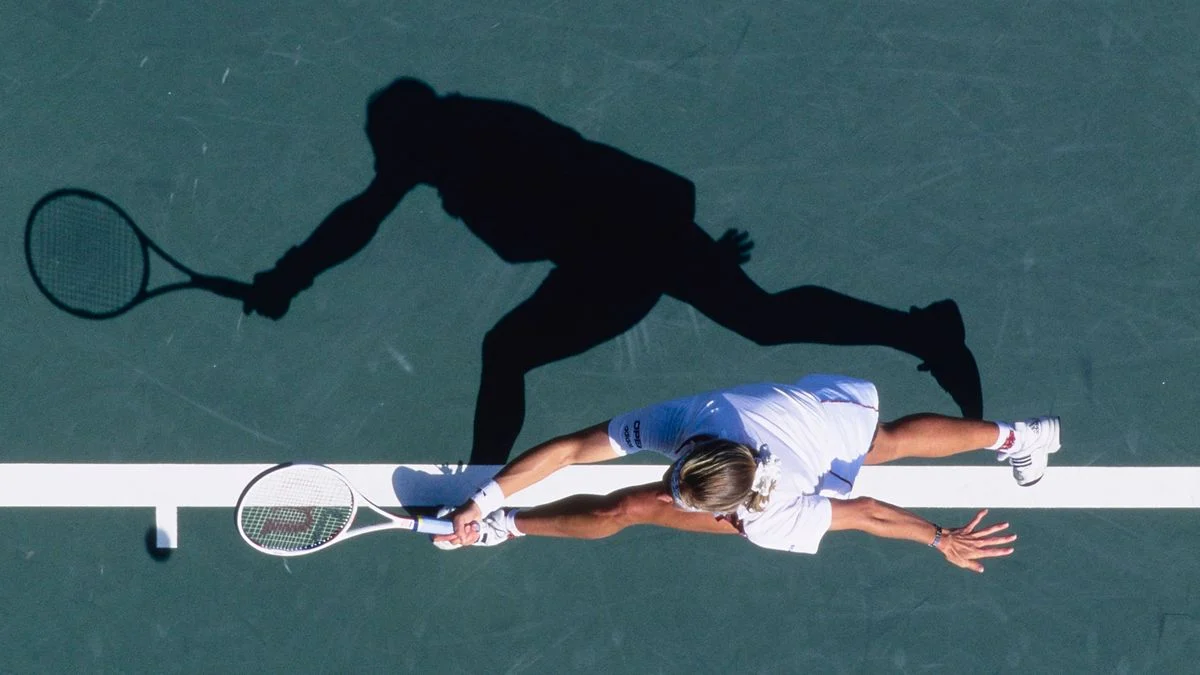
For German tennis, this moment bridges the gap between the legendary era of Boris Becker and Steffi Graf and the contemporary landscape of the sport. Zverev’s rise to the top spot marks the first time a German male player has held the world number one ranking since the early 1990s. His journey to the top has been characterized by a baseline dominance that few in the modern game can match, coupled with a serve that has evolved from a liability into one of the most potent weapons on the professional circuit.
Chronology: From Prodigy to World Number One
The path to the number one ranking was neither linear nor simple. To understand the magnitude of Zverev’s achievement, one must trace the trajectory of his career through its most defining phases.
The Rise of the "Next Gen" (2016–2018)
Emerging onto the scene as a teenage prodigy, Zverev quickly established himself as the leader of the "Next Gen" cohort. His breakthrough years saw him clinch multiple Masters 1000 titles, proving his ability to dismantle established top-ten players. During this period, the narrative surrounding Zverev was one of immense potential; experts lauded his height, his backhand, and his ability to dictate points from the baseline.
The Grand Slam Hurdle (2019–2021)
Despite his success on the Masters circuit, the Grand Slam trophy remained elusive. Critics often pointed to his struggle with consistency in best-of-five-set matches as the primary barrier to becoming the world’s best. However, his 2020 US Open final appearance served as a turning point in his mental fortitude, even in defeat. By 2021, Zverev had solidified his status as a permanent fixture in the top five, consistently reaching the business end of major tournaments.
The Injury and the Comeback (2022–2023)
Perhaps the most harrowing chapter of his career occurred during the 2022 French Open. In a match against Rafael Nadal, Zverev suffered a catastrophic ankle injury that threatened to derail his season and, for a time, cast doubt on his future at the highest level. The subsequent months of rehabilitation tested his resolve. Returning to the court in 2023, he displayed a level of grit that had been previously understated in his career. His climb back to the top 10 and eventually to the number one spot is widely regarded as one of the most successful comebacks in recent tennis history.
Supporting Data: The Numbers Behind the Throne
A player’s rise to the top is validated by objective performance data. Zverev’s ascent is supported by a significant increase in his efficiency metrics over the past 24 months.
- Service Efficiency: Zverev has maintained one of the highest first-serve percentage points won on tour. His second serve, once considered a target for opponents, has been reworked to include more variety, spin, and pace, significantly lowering his double-fault frequency.
- Masters 1000 Consistency: The ATP rankings heavily reward performance at the Masters 1000 level. Zverev’s ability to reach semi-finals and finals in Rome, Madrid, and Paris has provided the necessary points cushion to overtake his rivals.
- Head-to-Head Records: A critical factor in his ranking surge has been his improved head-to-head record against other top-five players. By narrowing the gap against peers like Carlos Alcaraz and Jannik Sinner, Zverev has effectively "stolen" points from his direct competition.
Official Responses and Industry Sentiment
The tennis community has reacted with a mix of admiration and scrutiny. The ATP leadership issued a statement acknowledging Zverev’s tenacity, noting that "to reach the world number one ranking after the physical setbacks he has endured is a testament to the discipline and character of an elite athlete."
Former legends of the game, including Boris Becker, have praised the tactical discipline Zverev implemented during his 2023-2024 campaign. "Alexander has matured," Becker noted in a recent broadcast. "He is no longer playing just for the highlights; he is playing for the scoreboard. That is the hallmark of a world number one."
Conversely, the discourse surrounding Zverev is not without its controversies. His personal life and the scrutiny regarding off-court allegations have remained a constant backdrop to his professional achievements. Media outlets and the public have often struggled to separate the athlete’s performance from the external legal and public relations challenges he has faced, leading to a polarized reception in the global press.
Implications: The Future of the Sport
What does a Zverev-led ranking mean for the future of professional tennis?
A Shift in Power Dynamics
With the decline of the "Big Three" (Federer, Nadal, and Djokovic), the sport has entered a period of unprecedented parity. Zverev’s rise signifies that the vacuum left by these titans is being filled by a generation that prioritizes athleticism and heavy-court movement. His rivalry with younger stars like Alcaraz and Sinner will likely define the next decade of the sport.
The German Tennis Renaissance
For Germany, Zverev’s achievement acts as a catalyst for renewed interest in the sport. The German Tennis Federation (DTB) has already reported an uptick in youth participation, attributing this "Zverev effect" to the visibility of his success. His presence at the top provides a focal point for sponsors, media coverage, and government funding for tennis programs, potentially setting the stage for a new generation of talent.
Technical Evolution
Zverev’s style of play has influenced coaching methodologies globally. His emphasis on the "two-handed backhand" as a primary offensive weapon, combined with a "tall-man" serve that focuses on placement rather than raw speed, has become a blueprint for developing players. Analysts expect to see more coaches prioritizing this specific set of technical skills in the coming years.
Conclusion: A Legacy in Progress
Alexander Zverev’s achievement of the world number one ranking is more than just a line in a record book. It is a narrative of redemption, technical mastery, and the relentless pursuit of perfection. While the challenges of maintaining that ranking in a highly competitive field are significant, Zverev has proven that he possesses the tools—and the temperament—to navigate the pressure.
As he looks ahead to upcoming Grand Slam events, the focus will undoubtedly shift from his ranking to his ability to secure a major title. Whether or not he remains at the top for an extended period, his place in the history of German and global tennis is now firmly cemented. He has transitioned from a promising prodigy to the leader of the pack, ushering in a new era where the baseline is the battlefield and every point is a contest of endurance.
For the fans, the analysts, and the critics alike, the coming months will be a defining period. Will Zverev solidify his reign, or will the pack catch up? Regardless of the outcome, the fact remains: Alexander Zverev is the man to beat, and the landscape of tennis has been permanently altered by his rise.