

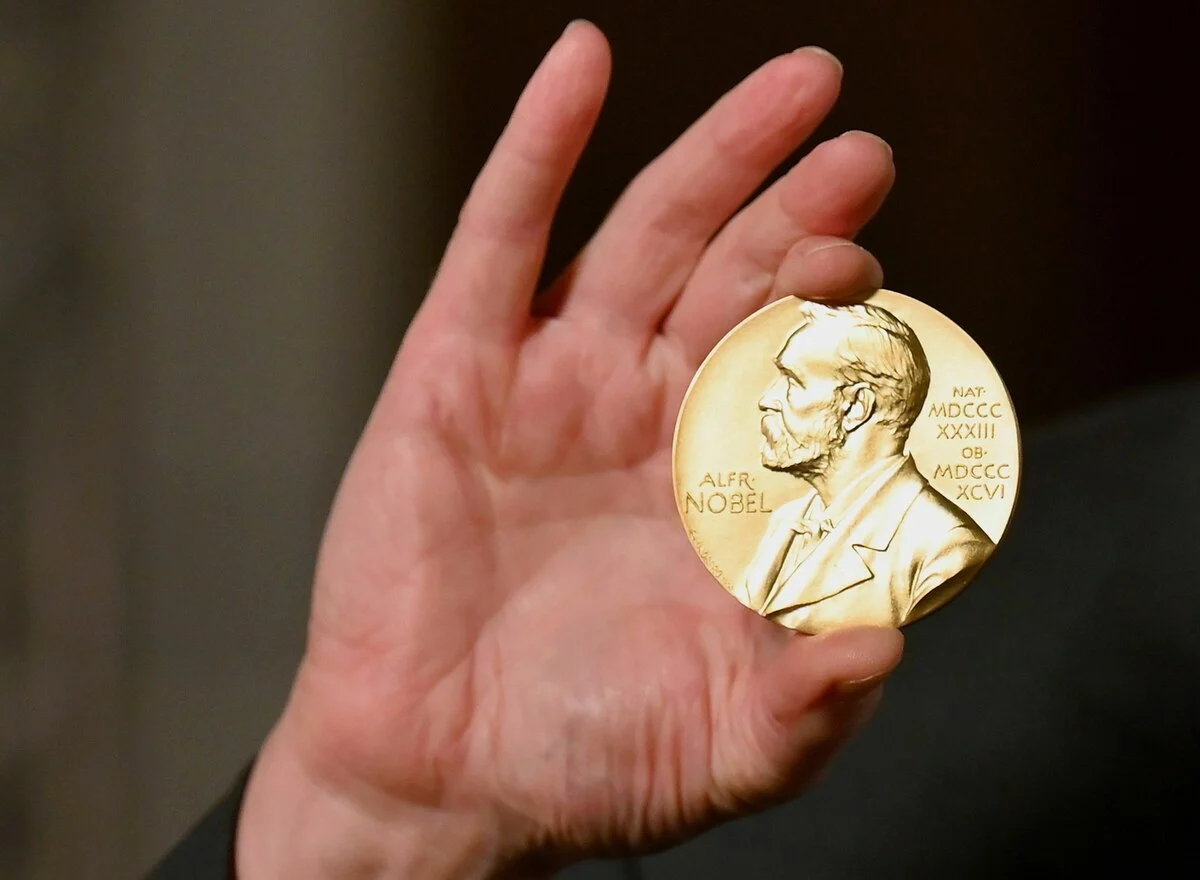
Stockholm, Sweden – The literary world holds its breath today as the Swedish Academy prepares to unveil the recipient of the Nobel Prize in Literature. At precisely 13:00 Central European Time, the hallowed halls of the Academy in Stockholm will become the focal point of global attention, with the announcement streamed live to millions of eager readers, critics, and authors worldwide. This esteemed accolade, widely regarded as the most significant literary honour on the planet, promises once again to ignite debate, celebrate profound storytelling, and potentially introduce a new literary titan to an expanded audience.
A Moment of Global Literary Significance
The annual announcement is more than just a prize reveal; it is a cultural event that transcends national borders, sparking discussions about the power of words, the evolution of narrative, and the role of literature in understanding the human condition. While the list of "usual suspects" — perennial favourites whose names consistently circulate in pre-announcement speculation — remains a topic of fervent discussion, the Swedish Academy has a well-earned reputation for delivering surprises. Its decisions often defy conventional predictions, opting instead for authors whose works, though perhaps less globally mainstream, have nonetheless made indelible contributions to the tapestry of world literature. The anticipation is palpable, fueled by both informed critical analysis and the sheer unpredictability that has become a hallmark of the award.
The Veil of Secrecy and the Art of Speculation
The secretive nature of the Swedish Academy’s selection process is legendary. Unlike other major literary prizes, the Nobel Committee maintains an almost impenetrable veil of confidentiality around its deliberations, nominees, and criteria. This secrecy ensures the integrity of the award, shielding it from external pressures and lobbying, but it also transforms the days leading up to the announcement into a veritable festival of literary guesswork. Betting markets buzz with shifting odds, literary critics weigh in with their informed (and often wildly inaccurate) predictions, and readers worldwide engage in passionate discussions about who deserves the honour. As literature critic Denis Scheck aptly puts it, predicting the Nobel laureate is akin to "reading coffee grounds," a testament to the Academy’s capacity for unexpected choices.
A Legacy of Literary Excellence: Tracing the Nobel’s Footsteps
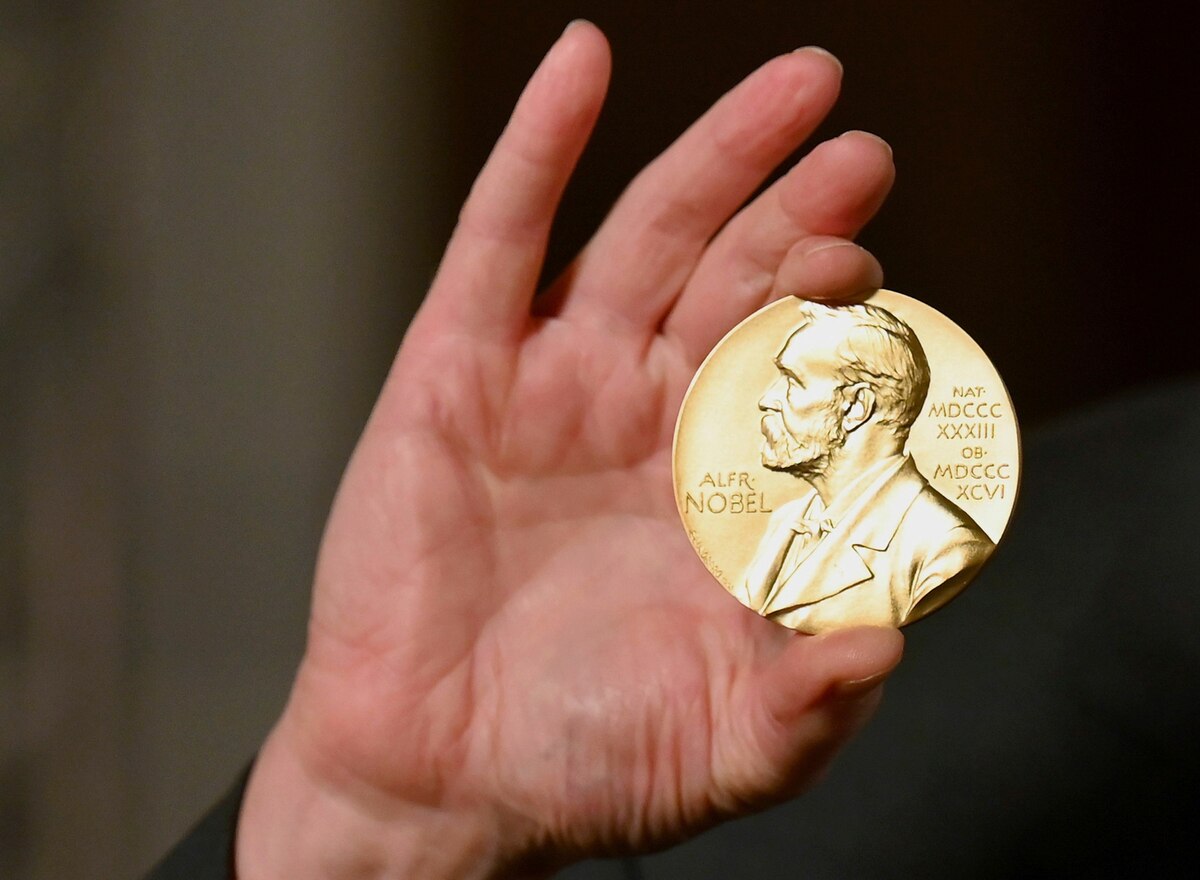
The Nobel Prize in Literature traces its origins back to the visionary will of Alfred Nobel, the Swedish inventor and industrialist, who stipulated that a prize should be awarded annually to "the person who shall have produced in the field of literature the most outstanding work in an ideal direction." Since its inception in 1901, the prize has sought to honour authors whose cumulative body of work demonstrates exceptional literary merit and profound influence.
From Alfred Nobel’s Vision to Global Renown
The first Nobel Prize in Literature was awarded to Sully Prudhomme in 1901, and since then, the list of laureates has grown into a veritable who’s who of literary history, including iconic figures like Rudyard Kipling, Rabindranath Tagore, Albert Camus, Ernest Hemingway, Gabriel García Márquez, and Toni Morrison. The prize has consistently aimed to recognize authors whose writing not only entertains but also challenges, enlightens, and offers new perspectives on humanity’s shared experiences. While the definition of "ideal direction" has evolved over the decades, the core commitment to recognizing literary excellence has remained steadfast.
Recent Laureates and Evolving Tastes
In recent years, the Academy has showcased a diverse range of voices and literary traditions, reflecting a conscious effort to broaden the prize’s global scope and recognize varied forms of artistic expression. The 2025 laureate, Hungarian writer László Krasznahorkai, was celebrated for his "irresistible and visionary oeuvre, which amidst apocalyptic terror affirms the power of art." His seminal works, such as "Satanstango" and "The Melancholy of Resistance," are renowned for their intricate prose, philosophical depth, and often bleak yet compelling portrayals of existential struggle. Krasznahorkai’s win highlighted the Academy’s appreciation for experimental and challenging narratives that delve into the darker facets of human existence.
Preceding Krasznahorkai, the 2024 prize went to South Korean author Han Kang, acclaimed for her intense and often disturbing exploration of trauma, memory, and the human body. Her novel "The Vegetarian" brought her international recognition, exemplifying the Academy’s willingness to honour authors whose works push boundaries and engage with complex societal and psychological themes. Other recent laureates include Norwegian playwright Jon Fosse (2023) for his innovative dramas and prose that give voice to the unsayable, French author Annie Ernaux (2022) for her unflinching auto-fiction exploring class and gender, and Tanzanian-British novelist Abdulrazak Gurnah (2021) for his compassionate portrayal of the effects of colonialism and refugee experiences. These choices underscore the Academy’s commitment to recognizing literary artistry that resonates deeply with contemporary global issues.
The Persistent Gender Imbalance in Nobel History
An undeniable and frequently discussed aspect of the Nobel Prize in Literature is the significant gender disparity among its recipients. Of the 122 individuals honoured since 1901, a stark 18 have been women. This means that women account for less than 15% of all literature laureates, a statistic that underscores broader historical and systemic biases within the literary world and academia.

Interestingly, the Academy has recently exhibited a discernible pattern of alternating between male and female recipients. Following Han Kang’s win in 2024 and Krasznahorkai’s in 2025, this informal "logic" could suggest that a female writer might be favoured for the 2026 prize. This would be a significant outcome, especially given that the scientific Nobel Prizes announced earlier this week — Chemistry, Physics, and Medicine — were awarded exclusively to male scientists. Such a selection would not only uphold the recent alternating trend but also offer a much-needed counterpoint to the male-dominated scientific awards of the current year, bringing a woman’s voice into the Nobel spotlight.
The underrepresentation of women is not merely a statistical anomaly but a reflection of historical contexts where female authors often faced greater barriers to publication, recognition, and canonization. While the literary landscape has diversified considerably in recent decades, the legacy of these historical biases continues to manifest in various forms, including the demographics of prestigious awards. The calls for greater inclusivity and recognition of diverse voices, particularly those of women and authors from non-Western traditions, have grown louder, and the Academy’s recent choices suggest a growing awareness of these imperatives.
The Whispers and the Odds: Who Might Claim the Coveted Gold?
The inherent secrecy surrounding the Nobel Prize inevitably gives rise to intense speculation, fueled by literary critics, academics, and even betting markets. While these predictions rarely align perfectly with the Academy’s ultimate choice, they offer valuable insight into the authors currently considered to be at the pinnacle of contemporary literature.
The "Usual Suspects" and Critical Acclaim
Among the luminaries consistently mentioned in pre-announcement discussions are several women whose impressive bodies of work are championed by critics worldwide. Denis Scheck, a prominent literature critic, specifically highlighted three such authors who possess "an impressive body of work":

- Margaret Atwood (Canada): A towering figure in contemporary literature, Atwood is renowned for her dystopian novels ("The Handmaid’s Tale"), historical fiction, poetry, and critical essays. Her work often explores themes of gender, power, environmentalism, and political oppression with incisive wit and profound insight. Her ability to blend speculative fiction with trenchant social commentary has made her a global literary icon.
- Siri Hustvedt (USA): An acclaimed novelist, essayist, and scholar, Hustvedt’s work delves into complex philosophical and psychological themes, often blurring the lines between fiction and non-fiction. Novels like "What I Loved" and "The Blazing World" showcase her intellectual rigor, nuanced character development, and profound engagement with art, identity, and perception. Her multidisciplinary approach to storytelling makes her a formidable candidate.
- Can Xue (China): Known for her experimental and often surrealist short stories and novels, Can Xue has carved a unique niche in contemporary Chinese literature. Her work, including "Dialogues in Paradise" and "The Last Lover," is characterized by dreamlike narratives, philosophical depth, and an exploration of the subconscious. She is celebrated for her radical originality and her ability to create worlds that challenge conventional understanding, placing her among the most innovative voices in global literature.
Betting Markets and the Unpredictable Nature of the Academy
Betting odds, though speculative, offer a snapshot of prevailing sentiment among those who follow literary trends closely. Just hours before the announcement, the Canadian poet and classicist Anne Carson stood high on these lists. Carson’s work is celebrated for its unique blend of poetry, prose, translation, and scholarly inquiry, often drawing from ancient Greek mythology and philosophy to explore contemporary themes. Her groundbreaking works, such as "Autobiography of Red" and "Nox," defy easy categorization, showcasing a profound intellect and a distinctive lyrical voice that has garnered immense critical acclaim.
A Closer Look at Prominent Contenders
Beyond these top contenders, several other distinguished authors frequently appear in Nobel predictions, each with a compelling case for recognition:
- Gerald Murnane (Australia): A reclusive and highly influential Australian author, Murnane is known for his intricate, metafictional prose that explores memory, landscape, and the inner world. Works like "The Plains" and "Border Districts" have earned him a cult following and immense critical respect for their unique vision and uncompromising literary style.
- Alexis Wright (Australia): An Indigenous Australian writer, Wright’s epic novels, such as "Carpentaria" and "The Swan Book," are celebrated for their powerful narratives that blend Aboriginal storytelling traditions with contemporary political and environmental concerns. Her work offers a crucial perspective on Australia’s colonial history and the enduring resilience of its Indigenous cultures.
- Thomas Pynchon (USA): A legendary and famously reclusive American novelist, Pynchon has been a perennial Nobel favourite for decades. His complex, postmodern novels like "Gravity’s Rainbow" and "V." are monumental achievements, characterized by their encyclopedic scope, intricate plots, and challenging prose. He remains one of the most influential and enigmatic figures in modern literature.
- Jamaica Kincaid (Antigua/USA): Born in Antigua, Kincaid is a distinctive voice in postcolonial literature, known for her lyrical yet searing prose that explores themes of colonialism, identity, mother-daughter relationships, and displacement. Her novels and essays, including "Annie John" and "A Small Place," offer powerful critiques of power dynamics and evoke vivid landscapes with poetic precision.
However, as critics and seasoned observers frequently remind us, the Swedish Academy operates on its own inscrutable logic. Its past decisions have repeatedly demonstrated a willingness to bypass popular choices and instead spotlight authors who, while perhaps less globally recognized at the time of their win, are deemed to have made exceptionally profound and lasting contributions to literature. This unpredictability is part of the prize’s mystique, ensuring that the announcement remains one of the most anticipated events in the cultural calendar.
The Swedish Academy: Guardians of Literary Merit
The institution tasked with bestowing this immense honour is the Swedish Academy, an independent body founded in 1786 by King Gustav III. Comprising 18 members, including writers, literary scholars, and linguists, the Academy serves as the ultimate arbiter of literary excellence for the Nobel Prize.

The Rigorous and Confidential Selection Process
The process for selecting a Nobel laureate is famously rigorous and spans nearly a year. It begins with nominations, which can be submitted by members of the Swedish Academy, members of other academies and societies similar to the Academy, professors of literature and linguistics at universities, former Nobel laureates in literature, and presidents of authors’ organizations. These nominations, typically numbering in the hundreds, are then whittled down by the Nobel Committee for Literature (a smaller working group within the Academy) to a longlist, then a shortlist of five candidates.
Throughout the spring and summer, the Academy members devote themselves to reading and evaluating the works of the shortlisted authors. The final decision is made by a vote among the 18 members in early autumn, requiring an absolute majority. Crucially, all deliberations, nominations, and even the names of the shortlisted candidates remain confidential for 50 years, ensuring that the decision is based solely on literary merit and not influenced by public pressure or political considerations. This commitment to secrecy, while frustrating for speculators, is fundamental to the integrity and prestige of the award.
Navigating Criticism and Upholding Integrity
Despite its esteemed position, the Swedish Academy has not been immune to criticism. Over the years, it has faced accusations of Eurocentrism, with a perceived bias towards European and North American authors, particularly male ones. There have also been controversies surrounding specific choices, such as the 2016 award to Bob Dylan, which sparked a global debate about whether popular music lyrics could qualify as "literature" in the traditional sense. More recently, the Academy endured a significant scandal in 2018 involving allegations of sexual assault and financial impropriety, which led to a temporary postponement of the literature prize that year and a period of introspection and reform within the institution.
However, the Academy has consistently sought to defend its choices, emphasizing that its primary criterion remains literary quality and the impact of an author’s entire body of work. The institution’s longevity and its ability to weather storms speak to its resilience and its enduring commitment to upholding Alfred Nobel’s vision, even as it adapts to a changing global literary landscape.

Beyond the Announcement: The Enduring Impact of the Prize
The moment the name is read aloud, the life and career of an author are irrevocably transformed. The Nobel Prize in Literature confers not just a substantial monetary award (currently 11 million Swedish Kronor, approximately 1 million US dollars), but also unparalleled global recognition and an immediate expansion of readership.
Elevating Voices and Shaping Literary Landscapes
For many laureates, particularly those from non-Western traditions or those whose work was previously less translated, the prize serves as a powerful amplifier. It introduces their unique voice and cultural perspective to millions, often leading to a surge in translations, academic study, and critical re-evaluation. This elevation of diverse literary traditions enriches the global literary conversation, challenging established canons and fostering a more inclusive understanding of what constitutes "world literature." The prize can shape publishing trends, influence future generations of writers, and bring renewed attention to critical social and political issues explored in the laureate’s work. It solidifies an author’s place in literary history, cementing their legacy for generations to come.
A Broader Look at Nobel Recognition in 202X
The literature prize also serves as a poignant counterpoint to the other Nobel awards. This year, the scientific prizes for Chemistry, Physics, and Medicine have exclusively honoured men. Should a woman be awarded the literature prize, it would highlight the ongoing dialogue about gender representation across all fields of human endeavor. While scientific breakthroughs are often the result of collaborative efforts, the individual nature of the Nobel Prize in Literature often places a singular author’s vision in the spotlight, making the gender of the recipient particularly noteworthy in the context of broader societal discussions about equality and recognition.
The Road Ahead: Remaining Nobel Prizes
While the literature announcement marks a significant milestone in Nobel Week, the series of prestigious awards is not yet complete. The highly anticipated Nobel Peace Prize will be announced tomorrow, Friday, followed by the Prize in Economic Sciences, awarded by the Swedish Central Bank in Alfred Nobel’s memory, which will conclude the week’s announcements next Monday. Each of these prizes, in their respective fields, will continue the tradition of recognizing extraordinary contributions that have significantly benefited humanity, keeping Alfred Nobel’s legacy alive and inspiring future generations.















