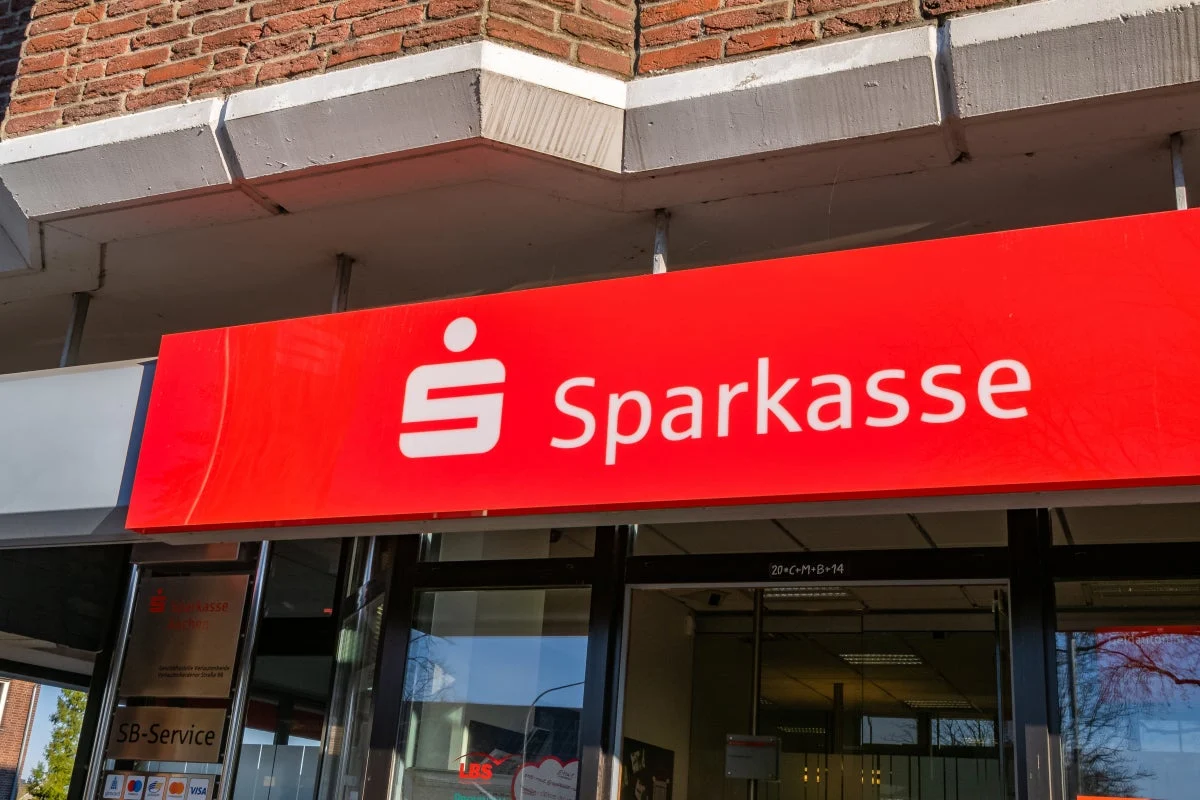
For years, customers of the German Sparkassen network have navigated a fragmented digital ecosystem, often juggling multiple applications to manage their finances and authorize transactions. If you have ever been frustrated by the need to switch between the S-ID-Check app for card payments and the S-PushTAN app for general banking tasks, relief is on the horizon. The German Sparkassen- und Giroverband (DSGV) has officially announced a major consolidation effort that will see the S-ID-Check app phased out by January 2027, with its functionality integrated into the more robust S-PushTAN platform.
This strategic move aims to simplify the user experience, reduce technical overhead for the banking group, and streamline the security infrastructure that governs online payments in the digital age.
Main Facts: What is Changing?
The core of this transition is the migration of "Visa Secure" or "Mastercard Identity Check" functions from the standalone S-ID-Check app into the S-PushTAN ecosystem. Currently, Sparkasse customers are accustomed to a "two-app" requirement for different types of transactions:
- S-ID-Check: Primarily used for the two-factor authentication (2FA) of credit and debit card payments made online. This app facilitates the biometric verification (fingerprint or facial recognition) required by modern security standards.
- S-PushTAN: Used for authorizing standard online banking transfers, standing orders, and other account management tasks.
By January 2027, the S-ID-Check app will cease to function entirely. All card-based payment approvals will be rerouted through the S-PushTAN app. The DSGV maintains that this integration is not merely a cost-saving measure but a way to provide a unified "one-stop-shop" for all authentication needs. Users will no longer need to manage credentials, updates, and registrations for two separate, redundant pieces of software.
Chronology of the Transition
While the deadline is set for early 2027, the transition process is intended to be gradual to prevent service disruptions.
- Current State (2024–2025): Both apps remain fully operational. Customers are advised to continue using the S-ID-Check app for card transactions and S-PushTAN for banking transactions as they have done in the past.
- Preparation Phase (2026): Throughout the coming year, the DSGV will roll out updates to the S-PushTAN app, enabling the new card-linking features. Users will be prompted to migrate their card data into the S-PushTAN environment.
- The Cut-off Date (January 2027): The S-ID-Check app will reach its end-of-life status. After this date, the app will no longer be supported, and any remaining users will be unable to authenticate online card payments unless they have successfully migrated to the new system.
Supporting Data and Security Context
The necessity of this change is rooted in the "Payment Services Directive 2" (PSD2), an EU regulation that mandated the implementation of Strong Customer Authentication (SCA). The goal of SCA is to ensure that every online payment is verified by at least two of three factors: something the user knows (password), something the user has (smartphone), or something the user is (biometrics).
Data from the DSGV indicates that the current split between two apps has led to increased "app fatigue," where users struggle with password management and registration processes for multiple portals. By consolidating these services, the Sparkassen group expects to:
- Improve Conversion Rates: A smoother, single-app authorization process reduces the likelihood of abandoned online shopping carts caused by technical friction.
- Enhance Security Monitoring: Centralizing authorization data allows the bank to better detect anomalies in transaction patterns across both banking transfers and credit card payments.
- Reduce Technical Debt: Maintaining two separate security-critical applications requires double the testing, double the security auditing, and double the update cycles. Consolidating into one app allows for more frequent and more secure updates.
Official Responses from the DSGV
The German Sparkassen- und Giroverband has emphasized that this move is part of a larger digital transformation strategy. A spokesperson for the DSGV noted that the feedback from customers regarding the multi-app requirement had been clear for some time: "The users want simplicity. They want one interface that handles all their security needs without having to jump between different applications to verify their identity."

Furthermore, the bank has promised a comprehensive support campaign. Recognizing that a significant portion of their customer base is less digitally savvy, the DSGV has confirmed that local Sparkasse branches will provide hands-on assistance. "We understand that digital transitions can be daunting," the spokesperson added. "Our staff in the branches are being trained to assist customers in migrating their cards and setting up the S-PushTAN app to ensure that no one is left behind."
Implications for Sparkasse Customers
For the average user, the implications range from minor administrative tasks to a necessary adjustment in habits. Here is what you need to consider:
1. If You Already Use S-PushTAN
If you are already an active user of the S-PushTAN app for your online banking, your transition will be relatively seamless. You will simply need to add your debit or credit card information to the existing app once the feature becomes available in the coming months. This can typically be done via the settings menu within the app.
2. If You Are New to S-PushTAN
If you have exclusively used the S-ID-Check app and have never used the S-PushTAN app, you will need to perform a one-time registration. This involves:
- Downloading the S-PushTAN app from the official App Store or Google Play Store.
- Initiating the registration process, which may require receiving a physical activation letter via mail for security verification.
- Linking your cards to the app, which will effectively replace the functionality of your old S-ID-Check app.
3. Security Considerations
While moving all authentication into one app is convenient, it also makes the S-PushTAN app the "single point of failure." It is more important than ever to ensure that the phone used for the app is protected by a strong passcode, that biometrics (FaceID/Fingerprint) are enabled, and that the app is always updated to the latest version. Customers should also be wary of phishing attempts that might exploit this transition; scammers often send emails claiming that "action is required" with malicious links. Always access your banking apps through official, verified channels and never follow links in unsolicited emails or SMS messages.
The Future of Digital Banking at Sparkasse
The decision to merge these apps reflects a broader trend in the European banking sector: the shift toward "Super Apps." As traditional banks face increasing competition from fintech companies like Revolut or N26, which offer sleek, all-in-one digital experiences, established institutions like the Sparkassen are under pressure to modernize.
By streamlining the authentication process, the Sparkassen are not just fixing a technical inconvenience—they are laying the groundwork for a more cohesive digital experience. As we look toward 2027, this transition will likely be viewed as a necessary step in the digital evolution of Germany’s largest banking network. For the customer, the result should be a safer, faster, and more intuitive banking life, provided they take the time to prepare for the transition before the final deadline arrives.
Final Advice: Do not wait until January 2027 to act. Check your current app settings, ensure your contact information is up to date with your local Sparkasse, and keep an eye on official communications regarding the specific rollout schedule in your region. By staying proactive, you can ensure that your transition to the unified S-PushTAN system is completely stress-free.