As the skies cleared over Berlin and Brandenburg following a series of intense thunderstorms, the region is now bracing for a sharp climatic shift. While cleanup crews work to remove debris and assess the damage from yesterday’s volatile weather, meteorologists are sounding the alarm for an incoming heatwave that threatens to push temperatures to dangerous extremes across Germany.
The Fury of the Storm: A Summary of Events
The weather across northeastern Germany took a dramatic turn yesterday as heavy thunderstorms swept through the capital and the surrounding state of Brandenburg. The instability, characterized by sudden, violent gusts and intense precipitation, left local emergency services scrambling to address a surge in distress calls.
In Berlin alone, the fire department reported approximately 160 additional incidents directly linked to the weather. The damage was widespread but largely localized to infrastructure and public spaces. Among the most notable impacts were the disruptions to the Fête de la Musique, where wind gusts damaged several of the 300 stages erected for the city-wide musical celebration.
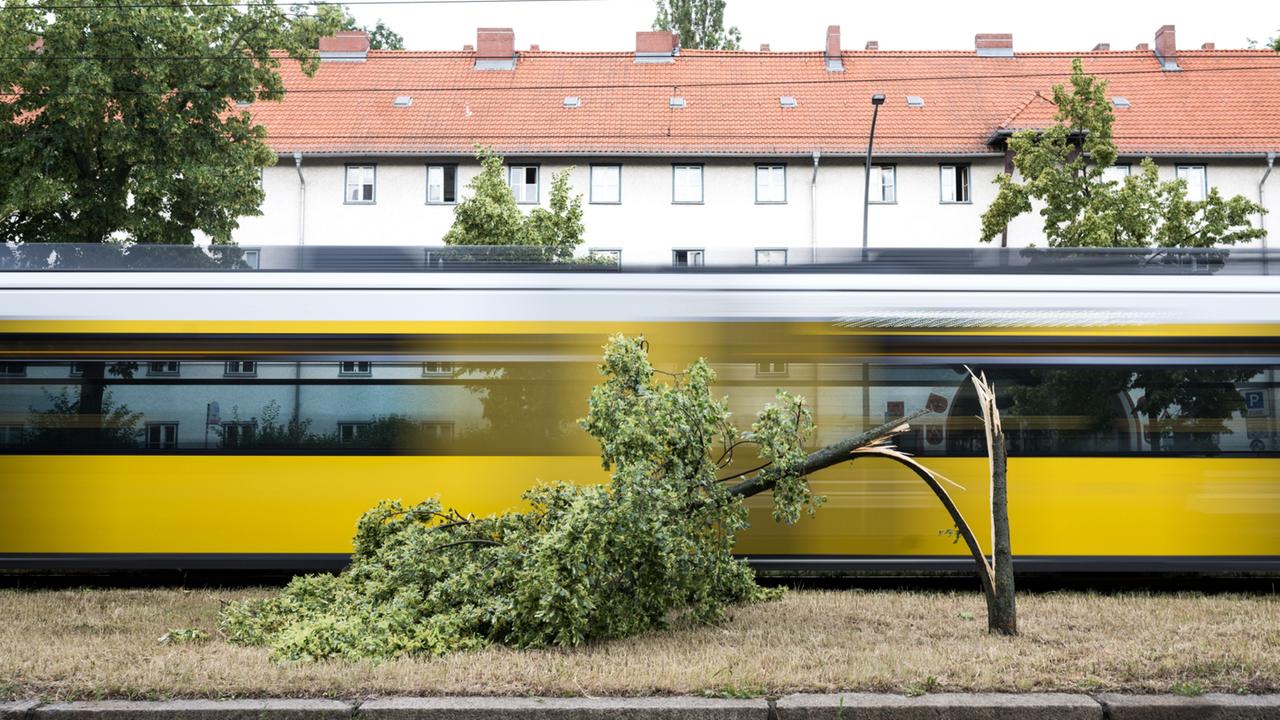
In Brandenburg, the situation was similarly taxing. The Regional Control Center Northeast recorded 18 initial emergency calls, which climbed to 28 by the evening in the Lausitz region alone. The primary causes for intervention were downed trees and heavy branches that posed risks to traffic and public safety. Several rural districts, including Barnim, Uckermark, Märkisch-Oderland, Oberhavel, and Ostprignitz-Ruppin, bore the brunt of the storm, which prompted the German Weather Service (DWD) to issue urgent warnings for heavy rain and hail.
Chronology of the Weather Event
The progression of the storms followed a rapid and erratic pattern, catching many residents off guard.
- Early Afternoon: The German Weather Service (DWD) issued initial alerts for the Brandenburg region, identifying the potential for "severe convective cells" capable of producing localized flooding and high-speed wind gusts.
- Late Afternoon: The storm front intensified as it moved into the Berlin metropolitan area. Emergency services moved into a heightened state of readiness as calls regarding blocked roads and damaged property began to spike.
- Evening: Cleanup operations commenced as the storm front pushed eastward. However, the relief was short-lived, as authorities shifted their focus to the potential for secondary hazards, such as water-logged trees becoming unstable.
- Late Night: The DWD officially lifted the major storm warnings for the region, signaling an end to the immediate meteorological threat while simultaneously pivoting their messaging toward the high-pressure system moving in from the southwest.
A Tragic Consequence: The A36 Incident
While the damage in Berlin and Brandenburg remained largely material, the weather system had deadly consequences elsewhere. On the A36 motorway in the Salzlandkreis district of Saxony-Anhalt, a sudden, localized downpour resulted in a fatal road traffic accident.
According to police reports, a driver lost control of their vehicle during a heavy burst of rain. The car skidded off the road and rolled over multiple times. The crash resulted in the death of one woman. The four other passengers in the vehicle were transported to local hospitals, with some suffering from severe injuries. This incident serves as a grim reminder of the dangers associated with "hydroplaning" and the reduced visibility that accompanies extreme summer weather events.
Meteorological Outlook: The Return of the Heatwave
As the storm clouds dissipate, the focus of the German Weather Service has shifted from wind and rain to extreme heat. The meteorological consensus indicates that the transition is not merely to "summer weather," but to a significant heatwave that will put a strain on the elderly, the vulnerable, and infrastructure.
The DWD has issued warnings for the beginning of the new week, citing extreme heat stress in the southwestern parts of Germany. The mechanism behind this heat is a stable high-pressure area that is drawing warm, dry air from southern Europe.
The Risk of Secondary Thunderstorms
Meteorologists warn that the incoming heat does not guarantee stable, clear skies. Instead, the intense solar radiation is expected to destabilize the atmosphere once again, particularly in the vicinity of the Thuringian Schiefergebirge and the Untermain region. These areas are expected to face "marked" thunderstorms as the heat forces moisture upward, creating a cycle of heat and sudden, violent discharge.
Official Responses and Public Safety
Emergency management agencies in Berlin and Brandenburg have urged residents to remain vigilant. The experience of the last 24 hours has highlighted the vulnerabilities of urban and suburban environments to extreme weather.
"We are dealing with a volatility that is becoming more frequent," noted a spokesperson for the local fire department. While they confirmed that no large-scale catastrophes occurred during yesterday’s storms, they emphasized that the sheer volume of calls places an immense strain on resources. They advise citizens to:
- Secure outdoor furniture: Wind gusts can turn light objects into dangerous projectiles.
- Monitor DWD alerts: The speed at which storms develop in the current climate necessitates constant vigilance.
- Exercise caution on roads: Rain-slicked surfaces combined with high temperatures can create unpredictable driving conditions.
Implications of Changing Climate Patterns
The events of the past 24 hours provide a case study in the challenges posed by shifting climate patterns in Central Europe. The juxtaposition of localized, high-intensity storm cells followed immediately by heatwaves is a signature of a warming atmosphere that holds more moisture and exhibits greater convective energy.
Infrastructure Resilience
The damage to the Fête de la Musique stages and the widespread tree damage raise questions about the resilience of urban infrastructure. As cities grow and urban heat islands expand, the capacity of city trees—often stressed by heat—to withstand sudden high-wind events is diminishing. Urban planners are increasingly tasked with balancing the need for green spaces with the safety risks that these trees pose during extreme weather events.
The Human Cost
The tragic accident on the A36 underscores that the human cost of climate change is not always measured in property damage or insurance claims. It is measured in the loss of life during routine travel, exacerbated by weather events that are becoming more intense. Public health officials are now preparing for the heatwave, emphasizing the need for hydration and cooling centers, as extreme heat is a known "silent killer" that particularly affects urban populations.
Conclusion: A Precarious Summer Ahead
As the cleanup in Berlin and Brandenburg concludes, the region finds itself in a state of transition. The storms of yesterday were a precursor to the heat of tomorrow. The meteorological narrative for the coming week is one of endurance, as the population must navigate both the risks of high-intensity storms and the physiological challenges of extreme heat.
The authorities remain on standby, and the public is encouraged to prioritize safety as the nation navigates this period of atmospheric instability. Whether it is the danger of a falling tree or the threat of heat-related exhaustion, the lesson from the past 24 hours is clear: the environment in which we live is changing, and the measures required to stay safe must change with it.
The coming days will test the resilience of the regional emergency systems and the endurance of the citizens as they navigate a landscape that is increasingly prone to extremes. As the thermometer climbs, the memory of yesterday’s winds will serve as a stark reminder of the fragile balance between the beauty of a summer day and the raw power of the atmosphere.