By MDR Saxony / Staff Reports
Updated: October 25, 2026, 17:45
The state of Saxony has been reeling this weekend following a volatile weather system that brought gale-force winds across the region. Authorities have reported multiple traffic accidents and a surge in emergency service deployments as storm systems "Luise" and "Manja" tracked across Germany. While the immediate danger has begun to subside, the impact on local infrastructure and the toll on motorists remain significant.
Main Facts: A Weekend of Turbulence
The weekend’s weather event, characterized by the tandem progression of two distinct storm fronts, has left a trail of disruption throughout Saxony. The most severe incident occurred on the S173 near Pirna, where a vehicle collided with a large tree branch that had snapped under the pressure of intense wind gusts.
The incident resulted in a total loss of the vehicle and left one person injured. Simultaneously, the Vogtland region reported a near-miss scenario in which a moving vehicle was struck by a falling spruce tree. While there were no fatalities reported, the sheer volume of emergency calls—roughly 30 in the Saxon Switzerland region alone—highlights the perilous conditions faced by commuters throughout the weekend.
Chronology of the Events
The chaos began to unfold early Sunday morning as the first of the two storm fronts, "Luise," began to exert pressure on the region’s already saturated landscape.
- Sunday, Early Morning (Vogtland): The day began with a dramatic scene in the Vogtland region. A 36-year-old driver was traveling along a rural road when a massive spruce tree, unable to withstand the relentless wind gusts, toppled directly onto his path. The collision caused significant damage to the vehicle, estimated by police at approximately 10,000 euros. Miraculously, the driver emerged from the wreckage without physical injury.
- Sunday, Mid-Day (Pirna/S173): As the weather worsened, the situation escalated on the S173 near the Doma junction. A large tree limb, sheared off by the wind, fell onto the roadway. A 70-year-old driver, traveling toward Pirna, was unable to avoid the debris and collided with the branch.
- Sunday, Afternoon: Emergency services reported a spike in activity throughout the Sächsische Schweiz district. By late afternoon, the count of storm-related emergency calls reached 30. Local fire brigades, including the volunteer departments from Limbach and Buchwald, were mobilized to clear roads of fallen trees and debris.
Supporting Data and Technical Context
The weekend’s weather was dictated by the convergence of two low-pressure systems, identified by meteorologists as "Luise" and "Manja." These systems did not bring the record-breaking rainfall often associated with such fronts; instead, they were defined by high-velocity wind gusts that targeted weakened trees—many of which had already been compromised by recent seasonal changes and soil moisture levels.
According to data from local emergency management centers:
- Emergency Deployments: In the Saxon Switzerland area, the emergency hotline handled over 30 incidents specifically categorized as "storm damage."
- Economic Impact: While the 10,000 euro estimate for the vehicle in Vogtland is a specific figure, the cumulative financial impact—including road repairs, clearing operations, and vehicle insurance claims—is expected to be substantial.
- Geographic Scope: The impact was not localized to a single district. From the hilly terrain of the Vogtland to the scenic routes near Pirna, the storm system demonstrated a widespread ability to compromise infrastructure.
Official Responses and Recovery Efforts
Local law enforcement and municipal fire services have been the frontline responders throughout this ordeal. The coordination between the police and volunteer fire brigades has been credited with preventing a much higher casualty rate.
"The wind speeds were sustained at a level that made travel hazardous, particularly on forested roads," said a representative from the local police force. "The primary objective has been the rapid clearance of arterial roads to ensure that emergency vehicles can reach their destinations without obstruction."
Volunteer fire brigades, particularly those in Limbach and Buchwald, were lauded for their efficiency. Their ability to deploy heavy equipment to remove the massive spruce that blocked the road in the Vogtland ensured that the transit corridor was reopened before the start of the new work week.
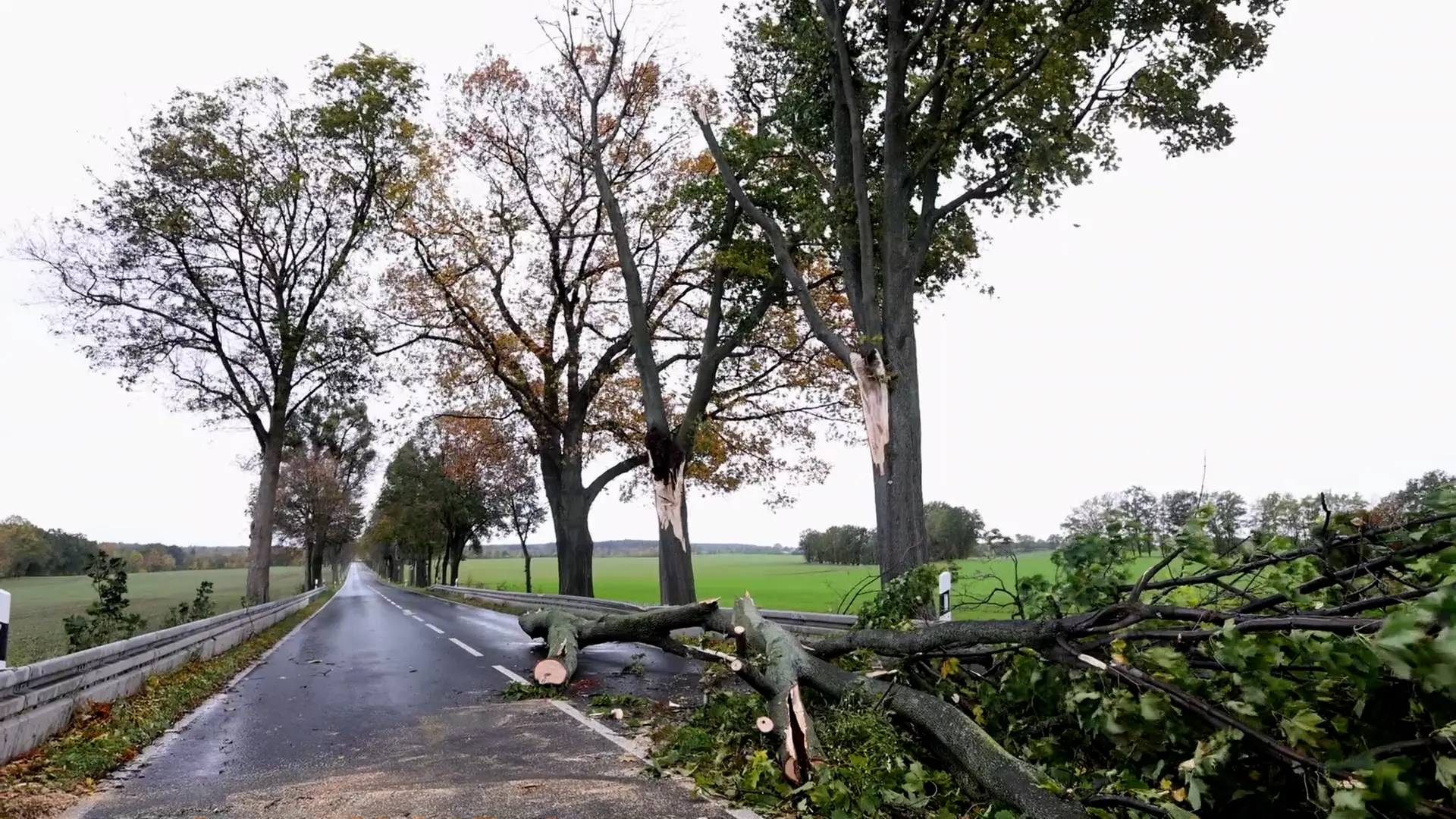
Furthermore, road maintenance crews have been tasked with inspecting trees along major routes to identify those that may have been loosened or fractured by the storm but have not yet fallen.
Implications: The Growing Threat of Climate-Induced Storms
The events of this past weekend raise broader questions regarding infrastructure resilience and public safety in an era of increasingly unpredictable weather patterns.
The Vulnerability of Regional Arteries
Many of the roads in Saxony, particularly those winding through the Saxon Switzerland and Vogtland regions, are lined with mature trees. While these provide aesthetic value and environmental benefits, they pose a significant risk during high-wind events. The question now facing regional planners is whether to implement more aggressive tree management or to invest in more robust early-warning systems for motorists.
The Human Toll
While the 70-year-old driver in the Pirna accident suffered only minor injuries, the psychological impact of such a collision—especially when involving debris falling from above—is profound. With one vehicle totaled and another suffering 10,000 euros in damage, the weekend has proven that even "moderate" storms can result in life-altering financial and physical consequences.
Future Preparedness
The reliance on volunteer fire departments for these incidents is a testament to the community spirit in Saxony, but it also highlights the potential strain on these organizations. As climate projections suggest that storms of the nature of "Luise" and "Manja" may become more frequent, the logistical burden on volunteer crews will continue to grow.
Local authorities are now urging residents to exercise extreme caution when traveling during weather warnings. "When a storm warning is issued, the safest place is indoors," a spokesperson noted. "If you must travel, avoid routes known for dense tree canopy and be prepared for sudden obstructions."
Looking Ahead
As of late Sunday evening, the weather in Saxony began to stabilize. The cleanup efforts are largely complete, and the focus is now shifting to long-term assessments of the damage. Insurance adjusters will be busy in the coming week, and the state’s forestry department is expected to conduct surveys to determine if specific areas of the forest were disproportionately affected by the wind.
For the residents of Saxony, this weekend serves as a stark reminder of the power of nature. While the infrastructure held up under the strain, the accidents serve as a sobering case study on the unpredictability of storm damage. As the region moves forward, the lessons learned from the S173 incident and the Vogtland rescue will undoubtedly inform future emergency protocols and road safety measures.
The authorities continue to monitor the situation, but for now, the residents of the region are breathing a sigh of relief as they assess the damage and begin the process of returning to normalcy.
Disclaimer: This report is based on information provided by MDR Saxony and associated press releases. For ongoing weather updates and road conditions, residents are encouraged to consult their local meteorological services and traffic information portals.