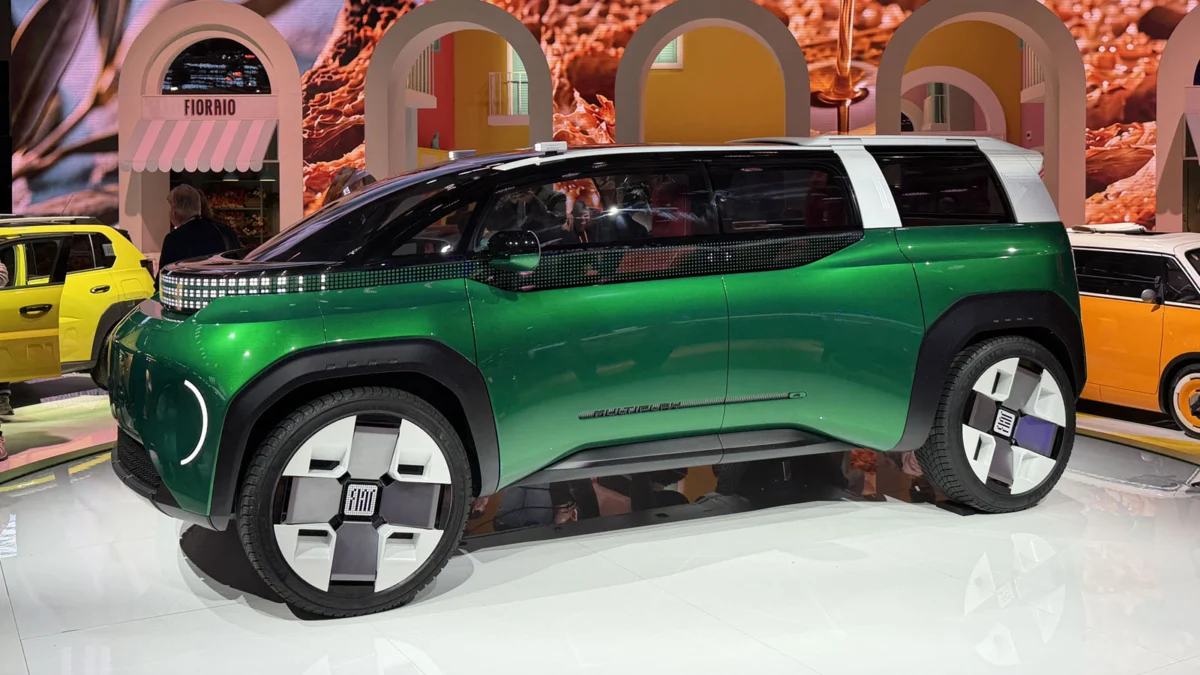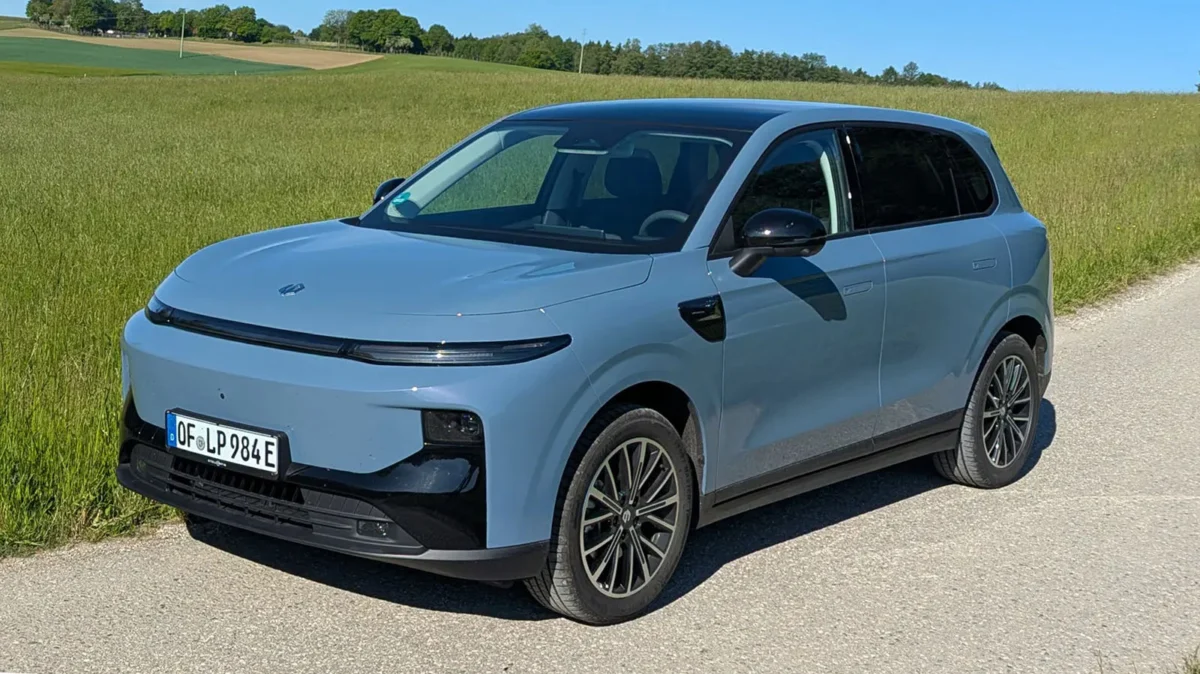
In a landscape defined by aggressive cost-cutting and downsizing, Stellantis is charting a divergent path from its automotive peers. While industry titans like Volkswagen have recently signaled plans to shed approximately 50,000 jobs and rescind production guarantees for several German sites, Stellantis CEO Antonio Filosa has explicitly ruled out the closure of European factories. Instead, the multinational automotive conglomerate is betting on a high-stakes strategy: integrating the production of Chinese partner vehicles—specifically from Leapmotor and Dongfeng—into its underutilized European assembly lines.
This pivot, announced during the Paris Automotive Summit, represents a pragmatic, albeit experimental, effort to salvage European manufacturing capacity. By transforming its struggling facilities into multi-brand hubs, Stellantis hopes to revitalize its industrial footprint without resorting to the mass layoffs currently haunting the broader sector.
The Core Strategy: Filling the Vacuum
Stellantis is currently grappling with a severe mismatch between its production capacity and market demand. According to data from industry consultancy AlixPartners, the group’s European factories are operating at an average capacity utilization rate of just 46%, a stark decline from the 71% reported in 2017. With a nominal capacity of 6.5 million vehicles per year, the group is essentially running its plants at half-throttle, an unsustainable model that threatens the viability of 14 out of its 24 European sites.
Filosa’s plan involves a "shared-factory" model. Rather than shuttering facilities, Stellantis intends to use these idle lines to manufacture vehicles for its Chinese partners, Leapmotor and Dongfeng. The goal is to leverage the lower cost structures and modern electric vehicle (EV) architectures of these partners to keep the lights on in European plants. Crucially, Filosa claims this production will be carefully managed to avoid direct competition with core Stellantis brands, though the specifics of how this “firewall” will function remain opaque.
Chronology of a Crisis and Pivot
The pressure to act has been building for years, characterized by a steady erosion of sales and a pivot toward expensive electrification.
- 2017–2024: The gradual decline in European plant utilization. As consumers moved away from traditional internal combustion models, legacy lines became obsolete, leading to the current 46% capacity crisis.
- May 2026: Stellantis and Leapmotor announce a significant expansion of their strategic partnership, including the intention to manufacture Leapmotor models in Europe to circumvent potential trade barriers and leverage local subsidies.
- October 2026 (Paris Automotive Summit): CEO Antonio Filosa formalizes the strategy. He publicly declares that despite the excess capacity, the group will avoid closures, framing the use of Chinese brands as the primary mechanism for industrial survival.
- Late 2026: Initial production of the Leapmotor B10 begins at the Figueruelas plant in Zaragoza, Spain. This serves as the pilot project for the broader strategy.
Supporting Data: The Scale of the Challenge
The urgency of the situation is best illustrated by individual plant performance. Take the Cassino plant in Italy, for example. Once a jewel in the crown of the group’s manufacturing network, union representatives from Fiom-Cgil report that in 2025, the facility produced a mere 19,539 vehicles. Given that the plant’s nominal capacity is roughly 285,000 cars per year, it is currently operating at a fraction of its intended volume.
This pattern is mirrored across the continent. To combat this, Stellantis has identified three key hubs for its initial integration phase:
- Figueruelas (Zaragoza, Spain): This plant, currently producing the Peugeot 208 and Lancia Ypsilon, has begun manufacturing the Leapmotor B10. The move has created 450 to 500 temporary jobs, though the positions are currently limited to six-month to one-year contracts.
- Villaverde (Madrid, Spain): As production of the Citroën C4 reaches its natural conclusion, the site is being earmarked for a future Leapmotor model by early 2028. There are even ongoing discussions about transferring ownership of the plant to a joint venture controlled 51% by Stellantis and 49% by Leapmotor.
- Rennes-La Janais (France): Currently struggling with the production of the Citroën C5 Aircross, this site is being eyed for the assembly of Dongfeng electric vehicles and hybrids.
Official Responses and Strategic Ambiguity
CEO Antonio Filosa’s stance has been met with both cautious optimism and skepticism. While labor unions appreciate the commitment to keeping plants open, the reality remains that these plans are largely non-binding.
In his address in Paris, Filosa emphasized that "Made in Europe" requirements necessitate more battery production facilities on the continent. By building for Leapmotor and potentially Dongfeng, Stellantis can maintain its supply chain density while meeting local content requirements.
However, the company’s internal "Strategic Plan" tells a more complex story. The group has publicly committed to reducing European capacity by over 800,000 units by 2030 to push utilization rates toward 80%. This creates a paradox: Stellantis is using these partnerships both as a tool to save plants and as a "lever" to justify the downsizing of total capacity.
Furthermore, Stellantis has been transparent about the lack of finality. A spokesperson for the company confirmed that the projects in Spain and France are subject to ongoing feasibility studies and have not yet secured definitive legal or financial approval. There is no ironclad guarantee that these projects will manifest as described.
Implications for the Industry
The shift at Stellantis signals a profound change in how Western carmakers view their relationship with China. Historically, European manufacturers saw Chinese firms as competitors or, at best, junior partners in joint ventures located within China. The new dynamic—where Chinese vehicles are "exported" to Europe to be assembled in legacy factories—marks a reversal of the historical power balance.
1. The "Platform Sharing" Economic Model
The collaboration between Opel (part of Stellantis) and Leapmotor regarding a future compact electric SUV highlights the economic rationale. By using Leapmotor’s electrical architecture and battery technology, Opel can significantly reduce R&D costs for a segment where margins are razor-thin. If successful, this "co-engineering" model could become the new standard for legacy automakers struggling to compete with the sheer speed and efficiency of Chinese EV tech.
2. The Competitive Landscape
Stellantis is not acting in a vacuum. Ford, for instance, has recently moved to partner with Geely for its underutilized plant in Valencia, Spain. This indicates that the "co-habitation" of factory space is becoming a structural trend in Europe. If the traditional Big Three (or Four) in Europe cannot fill their own order books, they will increasingly look to host foreign brands to share the fixed costs of energy, labor, and capital equipment.
3. The Future of German Sites
While Stellantis has offered a roadmap for its Spanish and French facilities, its German sites—Rüsselsheim, Eisenach, and Kaiserslautern—remain conspicuously absent from these specific partnership announcements. For German workers, the uncertainty remains high, especially as they contrast their status with the collaborative efforts being trialed in Southern Europe.
Conclusion
Stellantis stands at a crossroads. Antonio Filosa’s decision to eschew the "Volkswagen model" of mass retrenchment in favor of strategic partnerships is a high-risk gamble on industrial flexibility. By turning underutilized assembly lines into multicultural hubs, the company is attempting to thread a needle: keeping its workforce employed while simultaneously satisfying the brutal market pressure to increase plant utilization.
Whether these memoranda of understanding will evolve into fully operational production lines remains to be seen. The success of this strategy depends not only on the technical integration of Leapmotor and Dongfeng vehicles but also on the political and economic climate in Europe. If these partnerships yield the promised cost efficiencies, Stellantis could prove that the key to surviving the electric transition is not to shrink, but to adapt through unprecedented levels of international cooperation. If they fail, however, the eventual closure of these plants may be merely delayed, not averted.