Munich, Germany – In a significant move that has immediately reshaped the political discourse surrounding Germany’s upcoming federal presidential election, Bavarian Minister-President and CSU leader Markus Söder has publicly endorsed Ilse Aigner, the President of the Bavarian State Parliament, as a candidate for the nation’s highest ceremonial office. The unexpected, yet strategically calculated, announcement came during the CSU’s party congress in Munich, just over three months before the crucial Federal Convention is set to convene and elect the next head of state.
Söder’s proposition, delivered at the close of his impassioned speech, was met with enthusiastic applause and jubilant cheers from the party delegates, signaling strong internal support for Aigner. While Aigner herself expressed profound gratitude for the backing, she maintained a pragmatic stance, acknowledging that the ultimate decision regarding the Union’s (CDU/CSU) candidate rests with the party chairpersons, not the congress floor. This public overture by Söder not only spotlights a formidable figure within the CSU but also sets the stage for potentially intricate negotiations and strategic maneuvering within the broader conservative alliance and across the German political spectrum.
Main Facts
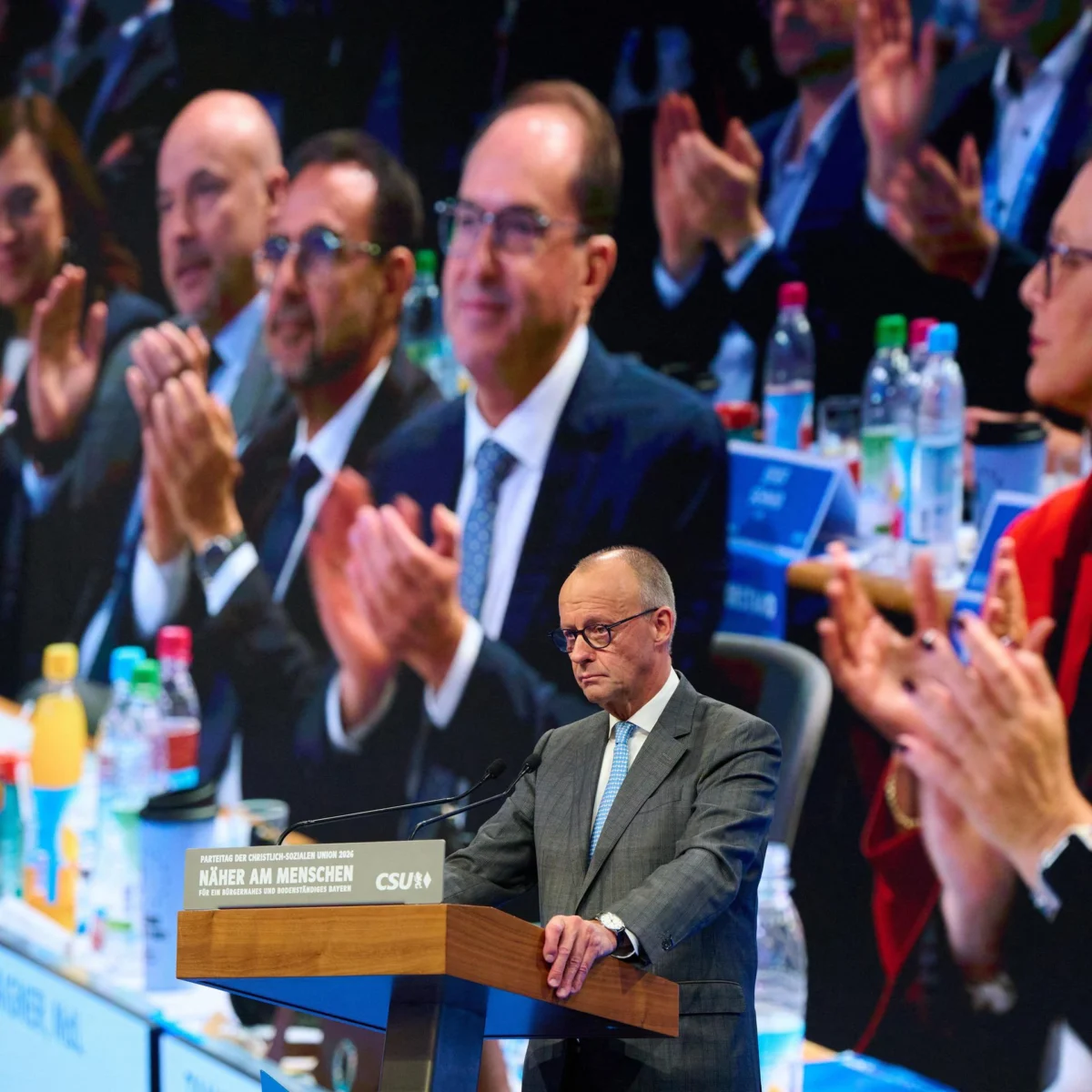
The core of the unfolding political narrative centers on the CSU Party Congress in Munich, where Markus Söder, the influential leader of the Christian Social Union (CSU) and Bavarian Minister-President, made a bold and highly anticipated pronouncement. At the culmination of his address to the party delegates, Söder unequivocally championed Ilse Aigner, the current President of the Bavarian State Parliament, as the ideal candidate for the German Federal Presidency. His declaration, emphasizing that her election "would be a great thing," triggered a wave of "frenetic applause" and celebratory shouts from the assembled party members, underscoring a clear demonstration of unity and conviction within the CSU ranks regarding Aigner’s suitability.
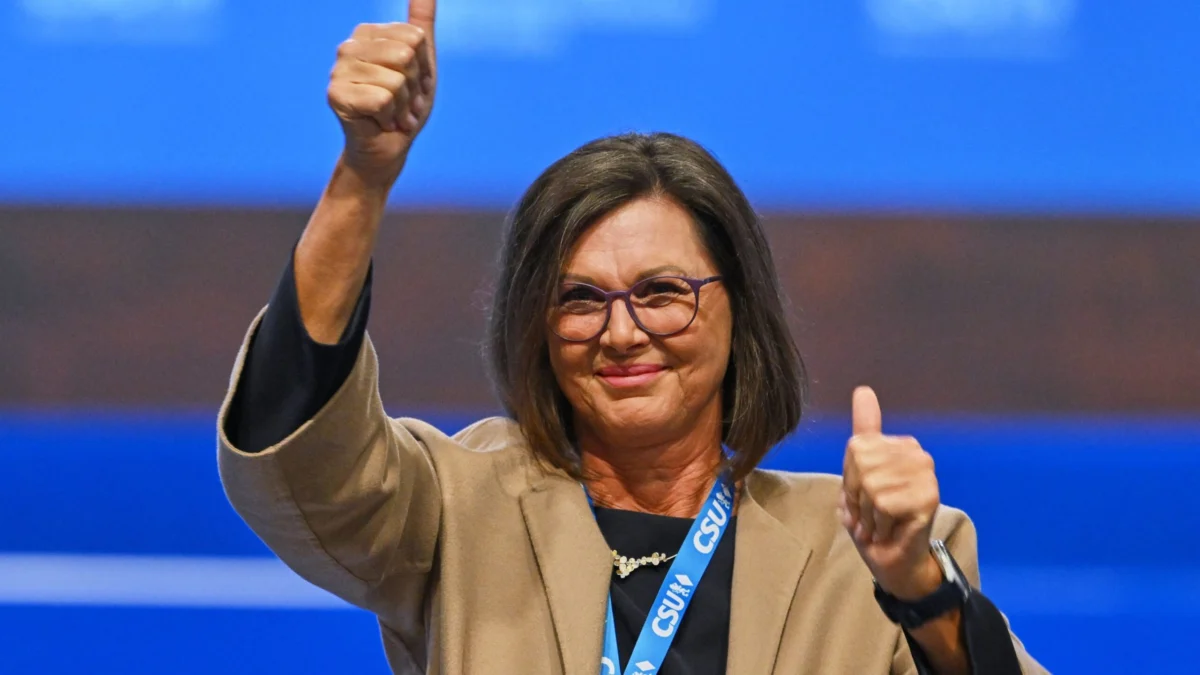
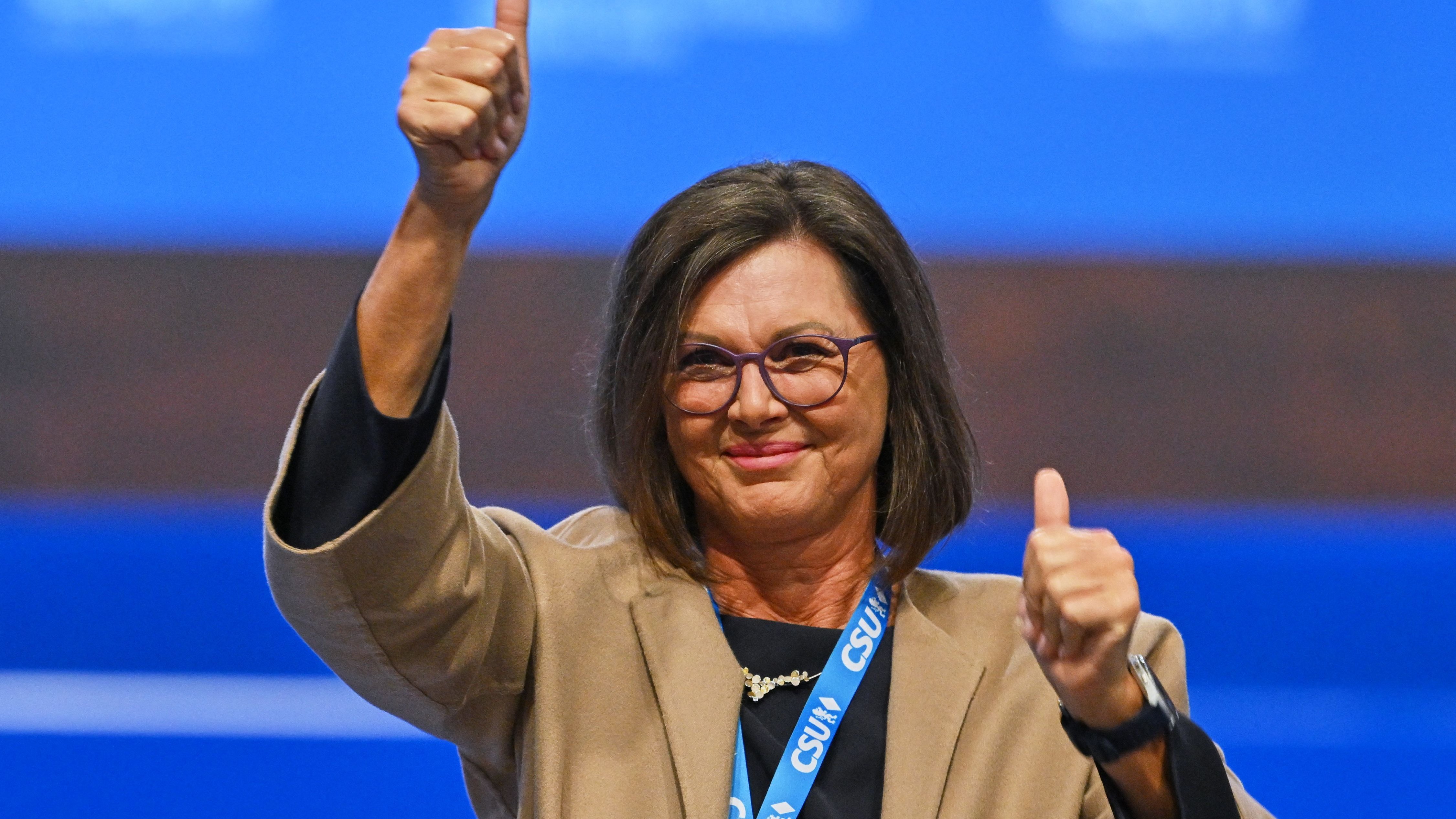
Ilse Aigner, a veteran politician with over four decades of service to the CSU, was present in the front row during Söder’s speech. Her reaction was a mixture of appreciation and seasoned political caution. She rose to acknowledge the delegates’ enthusiastic support, visibly moved by the outpouring of encouragement. Later, on the sidelines of the event, Aigner expressed her genuine pleasure at the party’s reaction, interpreting it as a "certain confirmation after over 40 years of work for the CSU." However, she was quick to temper expectations, pragmatically reminding observers that "the party congress will not decide on this matter. That is the task of the party leaders." This statement highlights the procedural realities of the nomination process, which typically involves broader consultations between the CDU and CSU leadership before a joint candidate is presented to the Federal Convention. The timing of Söder’s announcement, occurring just three months prior to the election, injects a new dynamic into a race that, until now, had seen a lack of definitive candidates from the major political blocs. Söder further indicated his intent to reiterate his support for Aigner when CDU leader Friedrich Merz attends the congress the following day, signaling a direct challenge or invitation to the CDU to consider his proposal seriously.
Chronology of Events
The CSU Party Congress in Munich served as the backdrop for this significant political development, unfolding over a carefully orchestrated series of events that culminated in Söder’s high-profile endorsement.
The Build-Up: Speculation and Anticipation
For weeks leading up to the party congress, political circles had been abuzz with speculation regarding potential candidates for the federal presidency. With the election of the next head of state looming approximately three months away, and no clear frontrunner or consensus candidate emerging from the major parties, the vacuum created an environment ripe for strategic interventions. The Union parties, specifically the CDU and CSU, had been under particular pressure to present a unified and compelling candidate. Discussions within both parties had reportedly been ongoing, but without public consensus, the anticipation for a definitive statement, especially from a prominent figure like Söder, grew.
Söder’s Keynote Address: The Grand Reveal
On the evening of the party congress, Bavarian Minister-President Markus Söder delivered his highly anticipated keynote speech. Known for his rhetorical flair and ability to galvanize his base, Söder’s address covered a range of policy issues, reinforcing CSU values and outlining his vision for Bavaria and Germany. As his speech neared its conclusion, and the delegates were already invigorated by his robust performance, Söder strategically pivoted to the presidential question. He invoked the need for a strong, unifying figure, and then, with deliberate emphasis, named Ilse Aigner as his preferred choice for Federal President.
Söder’s words were direct and powerful: "The decision will be made elsewhere, but I must say: that would be a great thing." This phrasing acknowledged the formal process while simultaneously making an unequivocal public statement of support. The impact on the audience was immediate and palpable. The hall erupted in "frenetic applause," a spontaneous and resounding endorsement from the party faithful. Delegates rose to their feet, cheering and clapping, demonstrating a clear consensus and enthusiasm for Söder’s proposal.

Aigner’s Response: Gratitude and Political Nuance
Seated prominently in the front row, Ilse Aigner was a central figure in this dramatic moment. Upon hearing her name put forward, and witnessing the overwhelming reaction from her party, she stood up and waved to the delegates, her expression conveying both surprise and profound appreciation. Later that evening, on the sidelines of the event, Aigner provided her first official comments. She openly expressed how "very pleased" she was with the party congress’s reaction, describing it as a "certain confirmation after over 40 years of work for the CSU." This acknowledgment underlined the deep-seated loyalty and respect she commands within her party, reflecting her long and distinguished career.
However, Aigner, a seasoned political operator, quickly added a crucial caveat. She emphasized that while the party congress’s sentiment was important, "the party congress will not decide on this question. That is the task of the party leaders." This statement served to manage expectations, reminding everyone that Söder’s endorsement, while powerful, was a recommendation, not a final nomination. It also subtly hinted at the broader negotiations that would need to take place with the CDU leadership.
The Upcoming CDU/CSU Dynamics: Merz’s Imminent Arrival
Further adding to the chronological tension, Söder announced his intention to reiterate his endorsement for Aigner the following day, when CDU leader Friedrich Merz was scheduled to attend the CSU congress as a guest. This move was not merely a repetition but a deliberate escalation, ensuring that Merz and the CDU leadership would be directly confronted with the CSU’s preferred candidate and the evident enthusiasm behind her. It sets the stage for direct dialogue and potential negotiation between the two sister parties, highlighting Söder’s intent to push for Aigner’s candidacy within the Union’s formal decision-making structures. The sequence of these events demonstrates a calculated strategy by Söder to build momentum and rally support for Aigner, positioning her strongly in the early stages of the presidential selection process.
Supporting Data and Context
To fully appreciate the significance of Söder’s endorsement, it’s crucial to understand the role of the Federal President in Germany, the electoral process, and the political profiles of the key figures involved.
The German Federal Presidency: A Non-Partisan Role
The Federal President (Bundespräsident) is Germany’s head of state, a largely ceremonial but highly respected office. Unlike many presidential systems, the German president does not hold executive power, which rests with the Chancellor and the federal government. Instead, the president’s duties primarily involve representing Germany nationally and internationally, signing laws into effect, appointing and dismissing federal ministers, and exercising a crucial moral and integrative function. The president is expected to be a non-partisan figure, a unifying force for the nation, and a voice of conscience, particularly during times of political or social upheaval. Their authority stems from their perceived impartiality and ability to stand above daily political skirmishes. For a candidate to be successful, they typically need broad cross-party acceptance, or at least a significant degree of consensus among the larger political blocs.
The Federal Convention: Electoral Mechanics
The Federal President is not directly elected by popular vote but by the Federal Convention (Bundesversammlung). This unique body consists of all members of the Bundestag (the federal parliament) and an equal number of delegates chosen by the state parliaments (Landtage), proportional to the population of each state. The composition of the Federal Convention means that a candidate requires a broad parliamentary majority, often necessitating a consensus candidate supported by multiple parties, or at least the largest parliamentary bloc. This electoral mechanism underscores the need for inter-party negotiations and compromise, especially between the CDU and CSU, which traditionally act as a unified bloc in such elections.
Ilse Aigner: A Profile of Experience and Steadfastness
Ilse Aigner’s political career is marked by extensive experience at both federal and state levels, making her a formidable potential candidate. Born in 1964, she began her political involvement early, eventually serving in the Bundestag from 1998 to 2013. During this period, she rose to national prominence as the Federal Minister for Food, Agriculture and Consumer Protection (2008-2013) under Chancellor Angela Merkel. In this role, she gained a reputation for pragmatism and a steady hand, navigating complex issues ranging from food safety to agricultural subsidies.
Upon her return to Bavarian state politics in 2013, Aigner continued her ascent, serving as Bavarian Minister for Economic Affairs, Media, Energy and Technology, and later as Deputy Minister-President. Since 2018, she has held the prestigious position of President of the Bavarian State Parliament, a role that demands impartiality and consensus-building, further burnishing her credentials as a potential head of state. Her long tenure, diverse portfolio, and calm demeanor suggest she possesses the gravitas and cross-party appeal often sought in a presidential candidate. She is seen as a moderate conservative, respected across party lines, and embodies a sense of stability and continuity.

Markus Söder: The Master Strategist
Markus Söder, the current Bavarian Minister-President and CSU leader, is known for his political acumen, strategic foresight, and willingness to challenge norms. He has a reputation as a dynamic and sometimes unconventional politician who is unafraid to stake out bold positions. His leadership has been instrumental in shaping the CSU’s direction and its relationship with its sister party, the CDU. Söder’s endorsement of Aigner is not merely a personal preference but a calculated political maneuver. It aims to assert the CSU’s influence within the Union, potentially pre-empting candidates from the CDU, and to present a strong Bavarian figure for a national role. This move aligns with Söder’s broader strategy of positioning the CSU as a vital and independent voice within German conservative politics. His intention to reiterate his proposal in the presence of CDU leader Friedrich Merz underscores his determination to force the issue and shape the Union’s presidential nomination from the Bavarian side.
Official Responses and Party Dynamics
The immediate official responses to Markus Söder’s advocacy for Ilse Aigner have primarily come from within the CSU, demonstrating a clear and unified stance from the Bavarian sister party. However, the true "official response" in terms of a formal nomination remains pending, highlighting the complex dynamics within the broader conservative Union.
Söder’s Unambiguous Advocacy
Markus Söder’s pitch for Ilse Aigner was not merely a passing comment but a deliberate and strongly worded endorsement. His statement, delivered with conviction at the close of his speech, carried significant weight as the leader of the CSU. By proclaiming that Aigner’s presidency "would be a great thing" and promising to repeat his endorsement in front of CDU leader Friedrich Merz, Söder has effectively launched Aigner’s candidacy within the Union’s internal discussions. This public declaration serves multiple purposes: it signals the CSU’s preferred choice, gauges immediate party support, and creates a strong internal mandate for Aigner, making it harder for the CDU to ignore her as a serious contender. It’s a classic Söder move, creating facts on the ground and pushing for a decision.
Aigner’s Gracious but Realistic Acceptance
Ilse Aigner’s response was a masterclass in political decorum and realism. Her visible pleasure and gratitude for the "frenetic applause" and "great backing" from the party congress were genuine. She framed the support as a "confirmation after over 40 years of work for the CSU," acknowledging her deep roots and loyalty to the party. This acceptance, while not an explicit declaration of candidacy, signals her openness to the idea and her willingness to step into the role if formally nominated.

Crucially, Aigner’s subsequent clarification that "the party congress will not decide on this matter. That is the task of the party leaders" is a key element of her official response. It demonstrates her understanding of the formal process and her respect for the inter-party consultation mechanisms. This measured response prevents her from appearing to overstep or pre-empt the CDU/CSU leadership, while still keeping her firmly in the running. It positions her as a candidate who is both appreciative of grassroots support and mindful of procedural requirements.
The CSU’s United Front
The unanimous and enthusiastic reaction of the CSU delegates at the party congress underscores a unified front within the party. The "jubilant cheers" and "frenetic applause" were more than just polite acknowledgment; they represented a strong collective endorsement. This internal consensus provides Söder with significant leverage in future negotiations with the CDU. It communicates to the sister party that Aigner is not merely Söder’s personal choice but a candidate with broad support across the CSU, making her a compelling proposition for a joint Union candidacy. The CSU, known for its distinct Bavarian identity, often uses its party congresses to send clear signals to Berlin and its federal partners, and this instance is no exception.
Anticipated CDU Response
While no immediate official response from the CDU has been detailed in the provided text, Söder’s explicit mention of reiterating his support in Merz’s presence indicates an imminent need for the CDU leader to address the proposal. The CDU and CSU traditionally present a joint candidate for the federal presidency, and any unilateral move from one side can create friction. Friedrich Merz will likely have to weigh the CSU’s strong preference against any other potential candidates the CDU might be considering. His response will be critical in determining whether Aigner becomes the Union’s consensus candidate or if Söder’s move opens up a period of intense negotiation and potential disagreement between the two sister parties. The CDU’s challenge will be to either embrace Aigner, propose an alternative, or work towards a compromise that maintains Union unity.
Implications and Future Outlook
Markus Söder’s strategic endorsement of Ilse Aigner for the German Federal Presidency carries substantial implications for the CDU/CSU alliance, the broader German political landscape, and the upcoming election itself.

Reshaping the Union’s Presidential Search
Until Söder’s announcement, the search for the Union’s presidential candidate had been largely open, with no prominent names officially put forward. Söder has effectively ended this ambiguity, at least from the CSU’s perspective. By championing Aigner so publicly and with such fervent party backing, he has placed her firmly at the top of the Union’s internal discussion agenda. This move might put pressure on the CDU leadership, particularly Friedrich Merz, to seriously consider Aigner, potentially sidelining other prospective candidates they might have had in mind. It ensures that the CSU’s voice is heard loud and clear in the candidate selection process, reinforcing the party’s influence within the conservative bloc.
The CDU-CSU Relationship: A Test of Unity
The relationship between the CDU and CSU, while historically strong, is often characterized by a delicate balance of power and occasional tensions. Söder’s public endorsement, while strategic, could be perceived by some in the CDU as a unilateral move, potentially challenging Merz’s leadership in the candidate selection process. The upcoming meeting between Söder and Merz at the CSU congress will be a critical moment, revealing how the CDU leader chooses to respond. A unified endorsement of Aigner would demonstrate strong Union cohesion. Conversely, if the CDU pushes for a different candidate, it could lead to a protracted negotiation, testing the limits of their alliance and potentially forcing a compromise candidate. The optics of this process are crucial, as the Union aims to project stability and unity, especially in the wake of recent electoral setbacks.
A Strong, Experienced Candidate for the Nation
If Aigner’s candidacy gains traction, it would present Germany with an experienced and widely respected political figure for the federal presidency. Her long career in both federal and state governments, coupled with her current role as State Parliament President, has equipped her with a deep understanding of Germany’s political system and a proven ability to bridge divides. Her moderate conservative stance and track record of pragmatic governance could appeal to a broad spectrum of voters and parliamentary delegates, potentially making her a unifying figure for the nation. Furthermore, her nomination would represent a significant moment for female representation in one of Germany’s highest offices, following in the footsteps of previous women who have held prominent positions but not the federal presidency itself.
Impact on the Broader Political Landscape
Söder’s proposal also has implications beyond the Union. Other political parties, such as the SPD, Greens, and FDP, will now have a clearer potential Union candidate to react to. This could accelerate their own internal discussions about presidential candidates, potentially prompting them to put forward their own strong contenders or to consider supporting a Union candidate if Aigner is seen as a broadly acceptable figure. The Social Democrats (SPD), as the leading party in the current government coalition, will have a significant say, as will the Greens. The presidential election is often seen as an early indicator of broader political trends and a platform for parties to showcase their values and leadership capabilities.

The Race to the Federal Convention
With "just over three months" remaining until the Federal Convention, the timeline for negotiations is relatively tight. The public debate ignited by Söder’s announcement will intensify, forcing parties to clarify their positions sooner rather than later. This period will involve intense back-channel discussions, public statements, and strategic positioning by all major political actors. The outcome will depend not only on party preferences but also on the ability of leaders to forge compromises and build cross-party consensus for a candidate who can genuinely embody the unifying spirit of the federal presidency. Söder’s move has effectively set the agenda, ensuring that Ilse Aigner will be a central figure in these crucial pre-election deliberations.