By Global Defense Correspondent
October 6, 2026
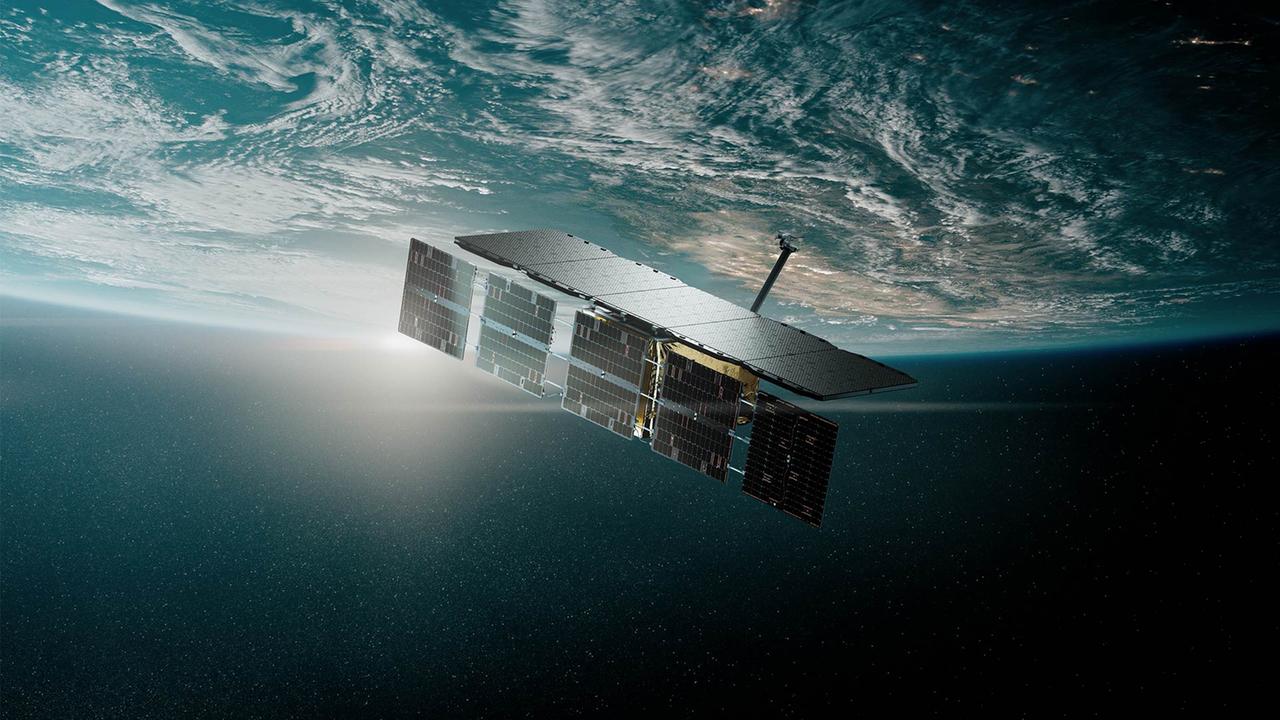
In a move that signals a paradigm shift in European defense capabilities, Rheinmetall, the German defense powerhouse, has officially inaugurated the serial production of advanced synthetic aperture radar (SAR) satellites in Neuss, Germany. This strategic expansion into the space domain marks a pivotal moment for the Düsseldorf-based conglomerate, transitioning from a traditional manufacturer of armored vehicles and artillery into a multifaceted, high-tech space defense contractor.
The move, executed in partnership with the Finnish space tech firm ICEYE, aims to reshape how modern militaries monitor the "transparent battlefield." By localizing the production of space-based surveillance assets, Rheinmetall is effectively insulating the German Bundeswehr and its NATO allies from reliance on third-party satellite data, ensuring sovereignty in intelligence, surveillance, and reconnaissance (ISR).
The Strategic Imperative: Mastering the "Transparent Battlefield"
The core of this new initiative lies in the deployment of SAR technology. Unlike conventional optical imaging satellites that rely on visible light and are rendered ineffective by cloud cover, smoke, or the cover of night, Synthetic Aperture Radar functions by emitting microwave pulses that penetrate these obstructions.
This technology allows for the near-real-time tracking of troop concentrations, the movement of heavy armor, and the identification of logistical supply lines regardless of atmospheric conditions. As military analysts have observed, the modern theater of war is increasingly "transparent"—a state where the side with the superior ability to process real-time satellite data holds an insurmountable tactical advantage.
By integrating Artificial Intelligence (AI) into the data processing pipeline, the Rheinmetall-ICEYE collaboration promises to move beyond mere imaging. The system is designed to automatically flag anomalies, detect changes in terrain, and provide commanders with actionable intelligence within minutes of a satellite pass.
Chronology of Development: From Concept to Orbit
The journey to the Neuss production line was neither sudden nor incidental. It is the result of a multi-year effort to integrate space-based intelligence into Rheinmetall’s broader defense ecosystem.
- Pre-2025: Rheinmetall identified space as a "must-have" domain for future warfare, initiating discussions with ICEYE, which had already established a proven constellation of 35 SAR satellites.
- Early 2026: The partnership was finalized, with Rheinmetall acquiring a 60% stake in the joint manufacturing venture.
- October 2026 (The Present): Official launch of the Neuss facility. The factory is optimized for the mass production of modular satellites, with a target output of 50 units per year.
- Early 2027 (Projected): The first "Made in Neuss" satellite is scheduled to be launched via a SpaceX Falcon 9 rocket, marking the debut of German-manufactured SAR assets under the new joint venture.
This rapid industrialization is a departure from the "bespoke" satellite era, where satellites were hand-crafted, multi-year projects costing billions. The Neuss facility adopts an agile, serial-production model, allowing for the rapid replenishment of satellite constellations—a crucial requirement in the event of an active conflict where space assets might be targeted.
Supporting Data: The 1.7 Billion Euro Commitment
The financial underpinning of this project is significant. The German federal government has entered into a multi-year agreement valued at 1.7 billion euros with the Rheinmetall-ICEYE consortium. This contract grants the Bundeswehr exclusive, priority access to the data stream from a specific subset of the constellation.
Satellite Specifications
- Dimensions: 3.3 meters in length by 0.8 meters in width.
- Weight: Approximately 220 kilograms per unit.
- Capacity: 50 units per year (at full operational capacity).
- Data Integration: Real-time AI-driven imagery analysis.
The contract includes an "expansion option," suggesting that the scope of the project could grow as the Bundeswehr seeks to close the current intelligence gap. Experts note that until recently, the German military had limited, fragmented access to high-revisit-rate SAR imagery, forcing a reliance on international partners. This new agreement provides the tactical autonomy the Bundeswehr has long sought.
Official Responses and Expert Analysis
Rheinmetall CEO Armin Papperger underscored the significance of the achievement during the inauguration ceremony. "The successful production ramp-up in Neuss demonstrates that we are not only providing innovative space technology but are also capable of scaling it industrially within Germany," Papperger stated. "This is a cornerstone of our future defense architecture."
Juliana Süß, an expert from the Foundation for Science and Politics (SWP), highlighted the geopolitical necessity of the move. "In a transparent battlespace, you must keep the opponent under constant surveillance to detect movements of troops and heavy equipment as quickly as possible," she noted. "The Bundeswehr’s historical lack of sufficient SAR assets was a strategic liability. This deal is a vital step toward restoring true defense capability."
However, the industry landscape is competitive. Rheinmetall is now stepping directly into the territory of established players like Airbus Defence and Space and the Bremen-based OHB. This move forces a re-evaluation of the European space defense market, as Rheinmetall leverages its massive land-combat footprint to offer "total battlefield" solutions.
Broader Implications: A Diversified Defense Giant
Rheinmetall’s expansion into space is not an isolated experiment; it is part of a deliberate strategy to become the "prime contractor of choice" for NATO members. By owning the entire chain of command—from the tank on the ground and the shell in the artillery tube to the satellite in the sky—Rheinmetall is positioning itself as a central nervous system for Western defense.
The company has successfully transitioned from being a German munitions manufacturer to a global defense conglomerate. Its portfolio now spans:
- Land Systems: Main battle tanks and armored personnel carriers.
- Munitions: Artillery and tank rounds.
- Aviation: Components for air platforms.
- Space: SAR satellite constellations and early-warning systems.
- Digital/Tech: AI-driven command and control networks.
This breadth allows Rheinmetall to offer comprehensive systems-of-systems contracts, making them indispensable to European governments looking to simplify their supply chains and modernize their militaries simultaneously.
Market Performance: A Divergent Reality
Despite the industrial success and the massive influx of government contracts, the financial markets have presented a more tempered outlook. The Rheinmetall share price has faced significant pressure, losing over half its value since the mid-January peak.
Analysts suggest this reflects a "correction" phase. Following the initial Russian invasion of Ukraine in 2022, defense stocks experienced an unprecedented "revaluation" as investors priced in a long-term shift toward rearmament. Much of the current volatility is attributed to profit-taking and the normalization of valuations after the rapid surge of the previous two years.
In today’s trading, Rheinmetall remained a laggard in the DAX, even as the index rose by 0.7% to 25,436 points. While the broader market is being carried by an AI-driven rally—largely focused on consumer and enterprise software—the defense sector is being treated with more caution. Investors appear to be weighing the long-term benefits of the 1.7 billion euro contract against the cyclical risks associated with heavy government spending and global geopolitical shifts.
Conclusion: The Final Frontier of Defense
As the first satellites roll off the production line in Neuss, Rheinmetall has crossed a threshold. The company is no longer just a supplier of hardware; it is now a supplier of high-altitude intelligence.
The success of this venture will be measured not just in the number of satellites launched, but in the operational success of the Bundeswehr’s modernized reconnaissance capabilities. As the world faces an era of heightened geopolitical instability, the marriage of Rheinmetall’s industrial might and ICEYE’s satellite tech represents the new standard for European defense: agile, data-centric, and physically sovereign in the vast reaches of space.