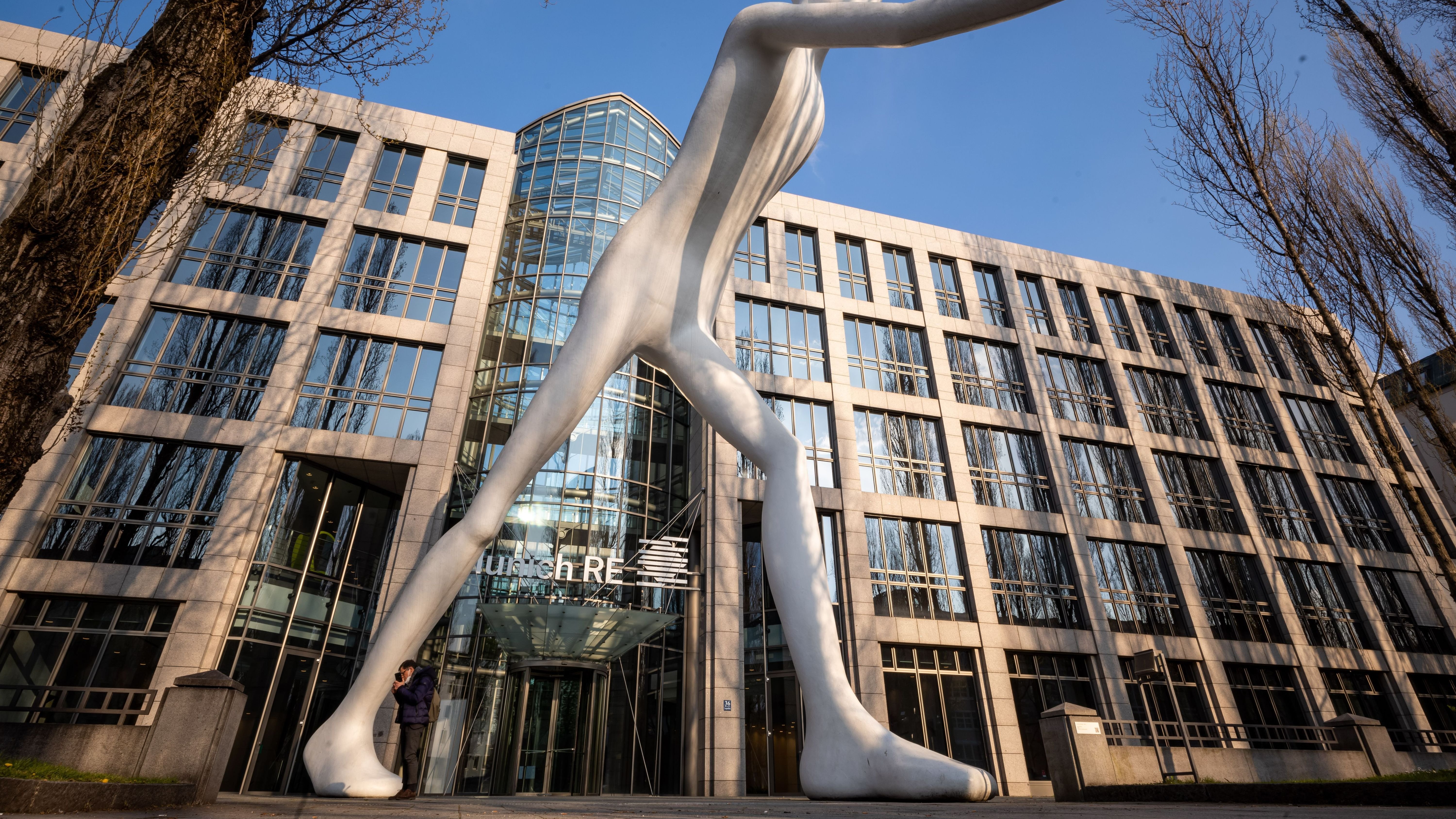
Munich, Germany – In a significant boost to investor confidence, Munich Re, the world’s leading reinsurance group, has announced an upward revision of its full-year profit target. Following a robust performance in the third quarter of the fiscal year, the DAX-listed firm is signaling that it is on track to outperform previous financial projections, driven by a combination of disciplined underwriting and favorable capital market conditions.
The company revealed that it now expects a net profit of €6.6 billion for the full year, an increase of €300 million over its earlier guidance. This optimism follows a highly productive nine-month period, during which the insurer has already successfully secured €5.7 billion in profits.
Main Facts: A Strong Quarter Defined by Stability
The primary driver behind this positive earnings trajectory is a relative scarcity of "major loss" events. In the volatile world of reinsurance, where climate change-induced disasters often wreak havoc on balance sheets, the third quarter proved to be exceptionally benign. The absence of catastrophic natural disasters, such as severe hurricanes or widespread flooding, allowed the Munich-based group to preserve its capital and maintain a lower claims ratio than industry analysts had initially anticipated.
Furthermore, Munich Re’s asset management division has reported strong results. In an environment where interest rates have remained elevated, the company has successfully leveraged its extensive portfolio of fixed-income investments to generate superior returns. This "double-win"—low claims frequency paired with high investment income—has propelled the company toward a record-setting year.

Chronology: The Path to the New Forecast
The journey toward this upward revision has been characterized by consistent financial discipline throughout the 2024 fiscal year.
- Q1 2024: The company began the year with a strong foundation, managing to absorb initial claims without significant impact on its core equity. Market analysts noted that the company’s conservative risk-modeling approach was already paying dividends.
- H1 2024: By the end of the first half, Munich Re confirmed that major losses remained within manageable limits. The insurer’s strategy of diversifying its risk across different global geographies proved effective in mitigating the impact of smaller, regional weather-related losses.
- Q3 2024: The latest reporting period saw a net profit of €1.7 billion. This figure comfortably surpassed the consensus estimates of market analysts by approximately €200 million. This "beat" served as the catalyst for the executive board to adjust the annual guidance upward.
- Mid-November 2024: The company has scheduled the release of its comprehensive, audited financial report for the third quarter. Investors and market analysts alike are waiting for this disclosure to gain deeper insights into the performance of individual business segments, particularly the life and health reinsurance divisions.
Supporting Data: Why the Numbers Matter
The financial data provided by Munich Re paints a picture of a company operating at peak efficiency. The shift from a projected €6.3 billion to €6.6 billion in annual profit is not merely a symbolic increase; it represents a fundamental strengthening of the company’s capital base.
The Role of Underwriting Discipline
Reinsurance is a cyclical business, and Munich Re’s current success is attributed to its refusal to chase market share at the cost of profitability. By maintaining strict underwriting standards—ensuring that the premiums charged accurately reflect the underlying risk—the company has insulated itself from the volatility that has plagued some of its competitors.
Asset Management as a Stabilizer
With a massive investment portfolio, Munich Re functions as much as an asset manager as it does an insurer. The current macroeconomic climate, characterized by higher-for-longer interest rates, has allowed the company to reinvest maturing assets into higher-yielding instruments. This strategy provides a "cushion" that offsets the unpredictable nature of underwriting risks.

Official Responses and Market Reaction
The announcement has been met with broad approval from the financial community. Shares of Munich Re have responded positively to the news, as investors appreciate the clarity and confidence projected by the management team.
While the official full-year report is pending, initial statements from the company emphasize that the current success is not a result of luck, but a validation of their long-term strategic plan. The company has focused on digitizing its risk assessment tools and expanding into specialty lines of business, such as cyber insurance, which are currently experiencing high demand and healthy margins.

Implications: The Road Ahead for the Reinsurance Sector
The performance of Munich Re carries broader implications for the global insurance industry. As a "bellwether" for the sector, its success suggests several key trends:
1. Resilience Against Climate Volatility
The insurance industry has been bracing for an era of "permanent crisis" due to climate change. However, Munich Re’s ability to navigate the third quarter with limited major losses suggests that insurers are becoming better at pricing climate risk. The use of advanced data analytics and climate modeling is proving to be a critical competitive advantage.

2. The Return of the "Income" Play
For years, the insurance sector struggled with low interest rates. Now, as the interest rate environment stabilizes at a higher level, reinsurers are proving to be attractive dividend stocks. Investors looking for stability in an otherwise uncertain equity market are increasingly turning to companies with strong balance sheets like Munich Re.
3. Increased Focus on Cyber and Specialty Risks
Munich Re’s strategic pivot toward cyber-risk insurance is a forward-looking move. As digitalization sweeps through the global economy, the demand for protection against data breaches, system outages, and digital extortion is skyrocketing. By securing early dominance in this niche, Munich Re is positioning itself to lead in one of the fastest-growing segments of the financial services industry.

4. Global Economic Headwinds
Despite the positive news, the company remains cautious about the global economic outlook. Geopolitical tensions, persistent inflation in certain regions, and the potential for regulatory shifts are factors that the company monitors closely. The decision to raise the forecast by a measured €300 million suggests that while management is confident, they remain disciplined and wary of "over-promising" in an environment where unexpected events—whether geopolitical or environmental—can change the landscape overnight.
Conclusion: A Benchmark for Excellence
Munich Re’s upward revision is a testament to the effectiveness of its dual-engine strategy: rigorous underwriting combined with prudent, high-yield asset management. By consistently meeting and exceeding expectations, the group has reinforced its status as a pillar of the German financial sector and a leader in the global reinsurance market.

As stakeholders look toward the final quarter of 2024 and beyond, the focus will shift to how the company plans to deploy its increased capital. Will they pursue share buybacks, increase dividends, or look for strategic acquisitions to bolster their cyber and specialty divisions? The upcoming mid-November briefing will likely provide the answers.
For now, the message from Munich is clear: in an era of uncertainty, the world’s leading reinsurer has found a way to not only survive but to thrive, providing a sense of stability for shareholders and the broader global insurance market alike. The company’s ability to turn a challenging global landscape into a source of sustained profit remains its greatest asset, ensuring it stays at the forefront of the financial world as it heads into the new year.