


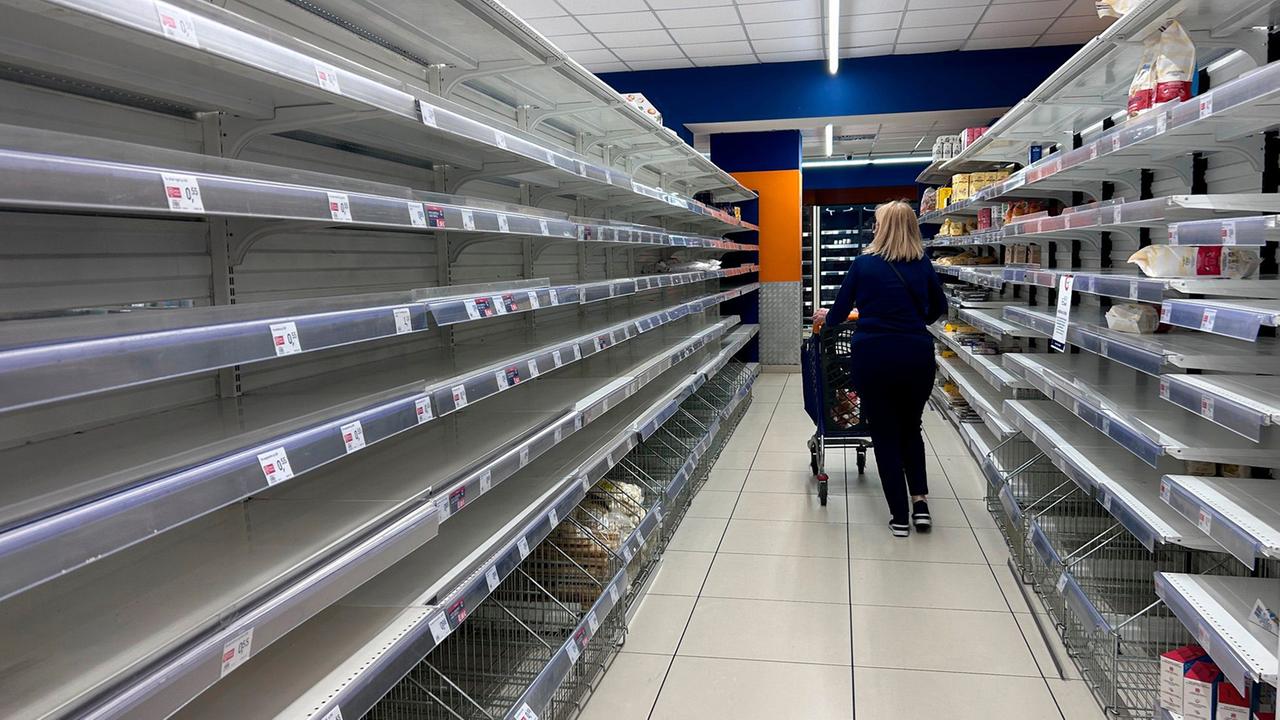
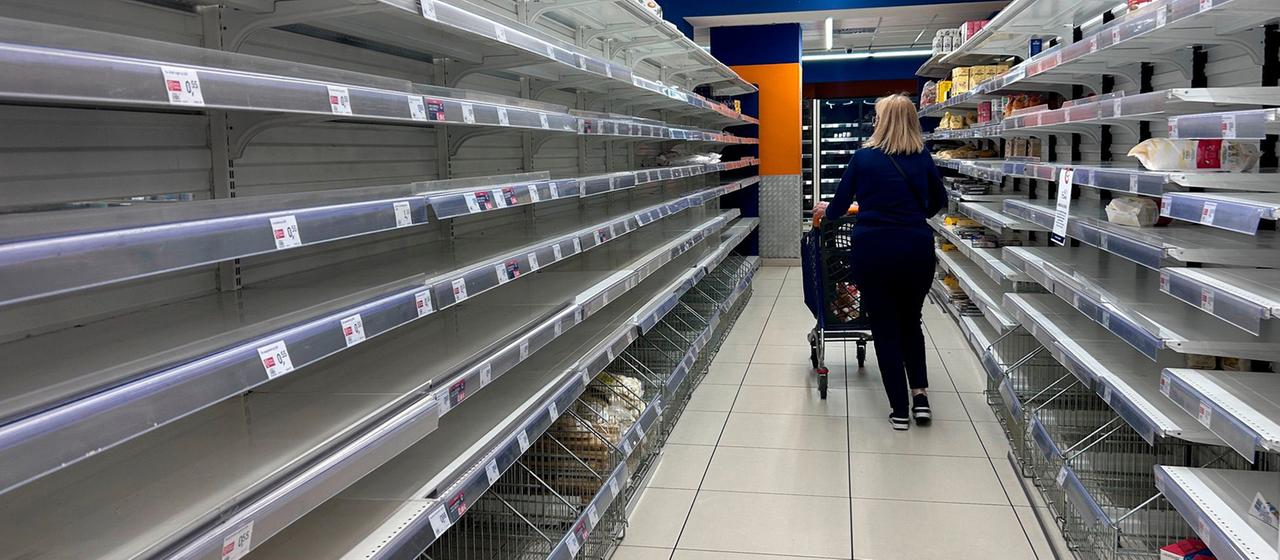
Rome, Italy – October 21, 2026 – A growing wave of protests by truck drivers and farmers, fueled by soaring diesel prices and the escalating cost of living, is plunging parts of Southern Italy into an unprecedented supply chain crisis. Supermarket shelves, once brimming with fresh produce and essential goods, are now starkly empty, with staple items like pasta becoming increasingly scarce. This burgeoning logistical breakdown, driven by a peaceful yet potent demonstration against economic hardship, threatens to bring the nation to a standstill if immediate and effective solutions are not implemented.
The Empty Aisles: A Stark Reality of Disruption
The visual evidence of the crisis is undeniable. In Palermo, Sicily, and across numerous towns and cities in Southern Italy, the familiar sight of abundant food displays has been replaced by gaping voids. Refrigerated sections that once showcased a vibrant array of fresh meats and dairy products are now bare. Even frozen goods, typically a fallback option, show significant depletion. The impact is not confined to luxury items; it extends to the very essentials of daily life.
A shopper in Campania, speaking anonymously, articulated the widespread frustration. "I came for cold cuts, chicken breast, any kind of meat, even tuna," they lamented. "Instead, I’m leaving with just beans, peas, and pasta. But even the pasta supply is faltering." This scarcity is particularly alarming in Italy, a nation where pasta is not merely a food but a cornerstone of its cultural identity. The suspension of production by a major pasta manufacturer, a direct consequence of the ongoing disruptions, has sent a chilling alarm through the country.
The Root Cause: A Fueling Fire of Dissatisfaction
The current predicament is not a result of a new health crisis or unexpected natural disaster. Instead, it stems from a well-organized, though peaceful, protest movement. For days, trucks have been stationary across several Southern Italian regions, their presence creating deliberate blockades on crucial highway access points. This action, while non-violent, has proven remarkably effective in disrupting the flow of goods. Instead of replenishing supermarket inventories, delivering raw materials to industries, or supplying fuel to gas stations, these vehicles are now symbols of widespread discontent.
The core grievance driving this widespread strike is the dramatic increase in the cost of living, with a particular emphasis on the exorbitant price of diesel fuel. Angelo De Renzo, a truck driver participating in the protests in Calabria, shared the palpable anxiety gripping his profession. "Unfortunately, refueling has become an act of fear," he stated. "I consume so many liters that I’m afraid to even look at the price, whether it’s diesel or gasoline. We are truly in a state of panic; we don’t know what else to do."
This sentiment is echoed by countless individuals in the transport sector, who find themselves at the forefront of an unsustainable economic reality. The voluntary price caps implemented by some major energy corporations at their service stations offer little respite to transport companies, which typically refuel at significantly higher commercial rates. Their demand for decisive government intervention is a plea for survival, an urgent call to avert bankruptcy.
Government Response: Promises of Support and Intervention
In response to the escalating crisis, the Italian government has taken steps to address the concerns of the transport industry. A previously scheduled meeting with representatives of the transport sector was brought forward, signaling a heightened sense of urgency. Following these discussions, Deputy Minister of Transport Edoardo Rixi announced the government’s commitment to supporting the sector. This includes accelerating the release of already allocated state aid and earmarking new funds.
A key proposal emerging from these talks is the potential for legislative measures that would automatically link freight costs to diesel price fluctuations. The aim is to alleviate the sole burden of rising fuel expenses from the shoulders of transporters, distributing the impact more equitably. "We are aware that we are in a difficult situation, but the Italian government has the state finances firmly under control and is striving to allocate resources in a way that avoids the kind of situations seen in other European countries, which lead to the blockage of the logistics chain and systemic crises," Rixi asserted.
Examining the Sufficiency: Doubts and Demands for Swift Action
Despite the government’s assurances and proposed measures, a significant degree of skepticism and urgency persists within the affected industries. Sergio Lo Monte of Confartigianato Trasporti, the Italian confederation of artisans and transport logistics, emphasized the need for immediate consultation with association members. He reiterated the critical requirement for rapid assistance.
"If this path satisfies us, if these funds arrive in a timely manner, the conflict with the government can certainly be resolved," Lo Monte stated. "Otherwise, we too will be forced to take protective measures for our companies."
The implications of "protective measures" are stark and potentially devastating. Such actions could escalate into a prolonged, nationwide strike within the transport sector, effectively paralyzing Italy. The nation, heavily reliant on its intricate logistics network for the functioning of its economy and the daily provision of essential goods, faces the very real prospect of widespread standstill. The coming days will be critical in determining whether the government’s intervention will be sufficient to avert this national crisis, or if the empty shelves of Southern Italy will soon become a nationwide reality.
Historical Context and Escalation of Protests
This is not the first time that Italian transport workers have resorted to strikes to voice their grievances regarding fuel costs and economic pressures. However, the current situation appears to be of a different magnitude, driven by a confluence of factors including persistent inflation, global energy market volatility, and a perceived lack of adequate governmental support in the past. The protests have also seen increased coordination and solidarity among different factions within the transport and agricultural sectors, amplifying their collective bargaining power.
Chronology of the Crisis:
- Early October 2026: Reports begin to emerge of localized disruptions in fuel supplies and agricultural product deliveries in remote Southern Italian regions, initially attributed to minor logistical issues.
- Mid-October 2026: Truck drivers and farmers in key Southern Italian provinces, including Calabria, Sicily, and Campania, commence organized protests, blocking major transportation routes and highway entrances. The primary driver cited is the unsustainable rise in diesel prices, which has rendered many operations unprofitable.
- October 18-19, 2026: The impact of the blockades becomes acutely visible in urban centers. Supermarket shelves in cities like Palermo and Naples begin to show significant shortages of fresh produce, meat, and dairy. Concerns about the availability of essential goods, including pasta, start to surface.
- October 20, 2026: The first major pasta manufacturer announces a temporary suspension of production due to supply chain disruptions and the inability to secure necessary raw materials. This news sends shockwaves through the nation. Media coverage intensifies, highlighting the empty shelves and the growing public concern.
- October 21, 2026 (Present Day): The government convenes an emergency meeting with transport industry representatives. Deputy Minister of Transport Edoardo Rixi outlines proposed government support measures. Leaders of transport associations express cautious optimism but stress the need for immediate and tangible action. The threat of a nationwide strike looms if demands are not met.
Supporting Data and Economic Impact
While specific figures detailing the exact economic losses are still being compiled, preliminary assessments point to significant disruptions. The Italian National Institute of Statistics (ISTAT) has indicated a potential impact on consumer price indices, particularly for food and transport-related goods. Industry analysts predict that a prolonged strike could lead to billions of Euros in economic losses, affecting not only the transport sector but also retail, manufacturing, and tourism.
- Fuel Price Surge: Diesel prices have reportedly surged by over 30% in the past six months, significantly exceeding the average inflation rate. This directly impacts the operating costs of transport companies, which rely heavily on fuel for their long-haul operations.
- Agricultural Sector Strain: Farmers are facing a dual challenge: increased costs for fuel to operate machinery and transport produce, coupled with the inability to get their goods to market. This threatens to decimate smaller farms and reduce overall agricultural output.
- Retail Sector Losses: Retailers are experiencing substantial losses due to the inability to restock shelves. This not only affects their revenue but also leads to potential spoilage of perishable goods that cannot be transported.
- Consumer Impact: Beyond the immediate scarcity, consumers face the prospect of higher prices for available goods due to increased transportation costs and reduced supply. This exacerbates the existing cost-of-living crisis.
Official Responses and Political Ramifications
The government’s prompt reaction to convene meetings and announce support measures underscores the political sensitivity of the situation. The protests, while peaceful, have the potential to significantly impact public sentiment and create widespread discontent. The ruling coalition is under pressure to demonstrate decisive leadership and provide tangible relief to mitigate the economic fallout and prevent further escalation.
The statements from Deputy Minister Rixi suggest a strategy of appeasing the transport sector by proposing financial aid and a mechanism to adjust freight costs. However, the devil will be in the details of implementation and the speed at which these measures are enacted. The government’s narrative of maintaining fiscal discipline while addressing the crisis will be crucial in navigating the political landscape.
Implications for Italy and Beyond
The unfolding crisis in Italy carries significant implications, both domestically and internationally.
- Domestic Stability: The prolonged disruption of supply chains could lead to social unrest and erode public confidence in the government’s ability to manage economic challenges. A nationwide transport strike would be a severe blow to Italy’s already fragile economic recovery.
- European Union Impact: Italy is a major player within the European Union’s single market. A significant disruption to its logistics infrastructure could have ripple effects across the continent, impacting trade flows and supply chains for other member states.
- Economic Precedent: The way Italy handles this crisis could set a precedent for other European nations grappling with similar issues of rising energy costs and transport worker discontent. A successful resolution could offer a model for addressing these complex economic challenges.
The coming days are critical for Italy. The effectiveness of the government’s proposed solutions, the willingness of transport and agricultural workers to engage in constructive dialogue, and the ultimate resolution of this logistical standoff will determine whether Italy can steer clear of economic paralysis or succumb to the overwhelming pressure of its current challenges. The empty shelves are a stark reminder of the interconnectedness of our economies and the profound impact that dedicated workers, pushed to their limits, can have on a nation.







