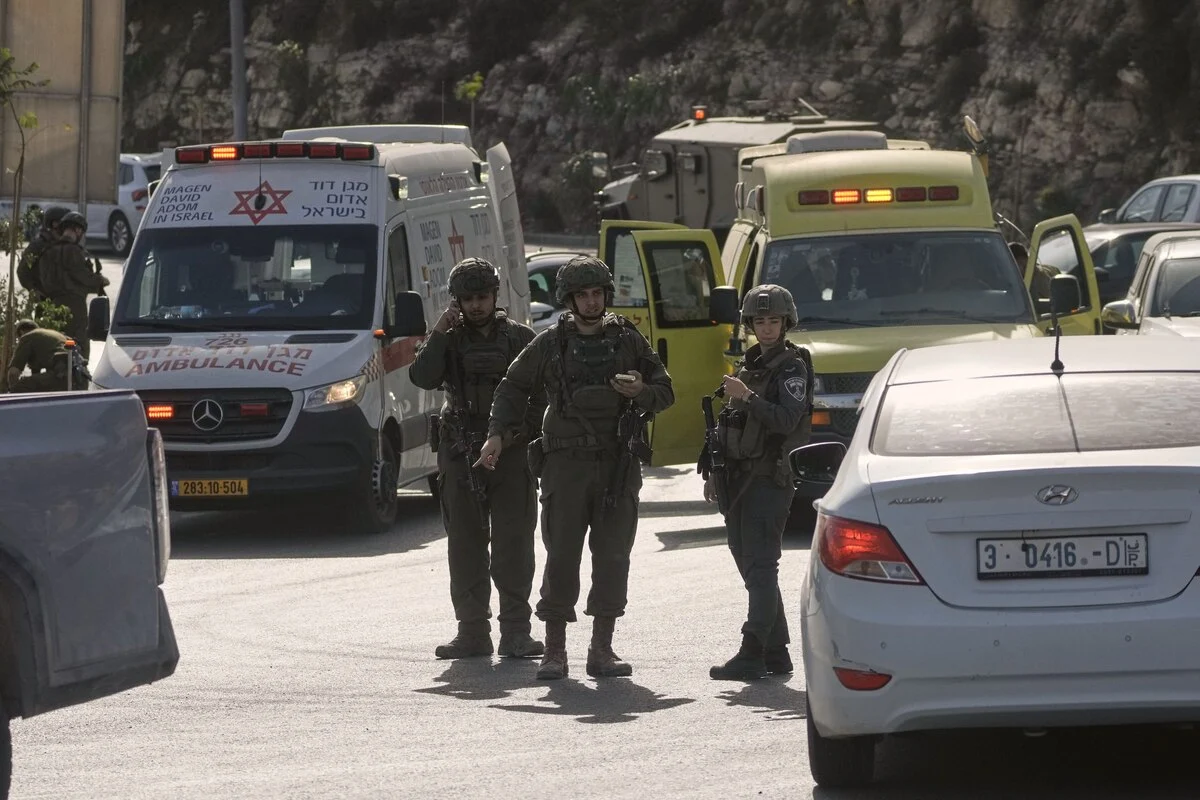
JERUSALEM – Following a recent shooting attack that left multiple people injured and two suspected assailants dead, Israel is preparing to implement a "complete lockdown" of the occupied West Bank. The directive, issued by Prime Minister Benjamin Netanyahu’s office, mandates an immediate closure of the volatile city of Hebron and a full sealing off of the entire West Bank starting Friday. This significant security measure comes just days before a crucial parliamentary election in Israel, where security concerns often play a decisive role in voter sentiment.
The incident, which the Israeli army has described as a foiled terrorist attack, unfolded near Hebron, a city in the southern West Bank frequently marked by tension due to the presence of a substantial Israeli settler population within its Palestinian urban fabric. The immediate response from Israeli security forces included extensive roadblocks and the isolation of several Palestinian localities in the region, signaling a heightened state of alert across the territory.
Main Facts
In a swift and decisive response to a shooting attack near Hebron, Israeli Prime Minister Benjamin Netanyahu has ordered a comprehensive security lockdown of the occupied West Bank. The directive, announced by the Prime Minister’s Office, instructs the military to immediately seal off Hebron, a city that often serves as a flashpoint for Israeli-Palestinian friction, and to prepare for a full closure of the entire West Bank commencing Friday. This sweeping measure follows an incident in which two armed attackers were reportedly killed by Israeli forces, who claimed to have thwarted a larger terrorist plot.
The attack resulted in at least five individuals sustaining injuries, with rescue workers describing a chaotic scene where shots were still being fired upon their arrival. The injured were transported to Israeli hospitals, with initial reports detailing leg wounds for two men in their twenties and one person in a severe, unconscious state. The alleged assailants were found to be in possession of an M16 assault rifle and a handgun, indicating a prepared and potentially lethal operation. While the exact target of the alleged attack was not immediately disclosed, the proximity to Israeli communities and roads in the West Bank suggests an intent to harm Israeli civilians or security personnel.
The decision to impose a widespread closure carries profound implications for hundreds of thousands of Palestinians residing in the West Bank, affecting their freedom of movement, access to work, education, and essential services. It also casts a long shadow over the political landscape in Israel, coming in the final stretch of an intense election campaign. Prime Minister Netanyahu, whose political platform often emphasizes robust security, is seeking re-election, and such events typically galvanize right-wing voters around pledges of firm action against perceived threats. The move underscores the perpetual cycle of violence and security operations that characterize the Israeli-Palestinian conflict, often leading to collective punishment measures that are widely criticized by human rights organizations and the international community.
Chronology of Events
The chain of events leading to Israel’s decision for a full West Bank lockdown began with a sudden and violent incident near the city of Hebron, a region known for its complex and often volatile security dynamics.
The Attack Unfolds:
On [Date, if known, otherwise state "earlier this week" or "recently"], the calm near Hebron was shattered by gunfire. According to initial reports from the Israeli military, two armed individuals launched an attack. While specific details about the exact location and time were initially sparse, it was confirmed that the incident occurred within the broader Hebron area, a highly sensitive zone due to the presence of both Palestinian residents and Israeli settlers. The attackers were reportedly carrying an M16 assault rifle and a handgun, indicating a significant level of preparation and lethal intent.
Military Intervention and Neutralization:
Israeli security forces, alerted to the ongoing threat, swiftly responded to the scene. An exchange of fire ensued, during which the Israeli army engaged the two assailants. The military later confirmed that both attackers were killed during the confrontation, effectively neutralizing the immediate threat. The Israeli Defense Forces (IDF) stated that their quick action had successfully "foiled a terrorist attack," preventing further casualties and potentially a larger, more devastating incident. The exact target of the alleged attack remained unspecified, but the location often sees attempts against Israeli vehicles or settlements.
Casualties and Emergency Response:
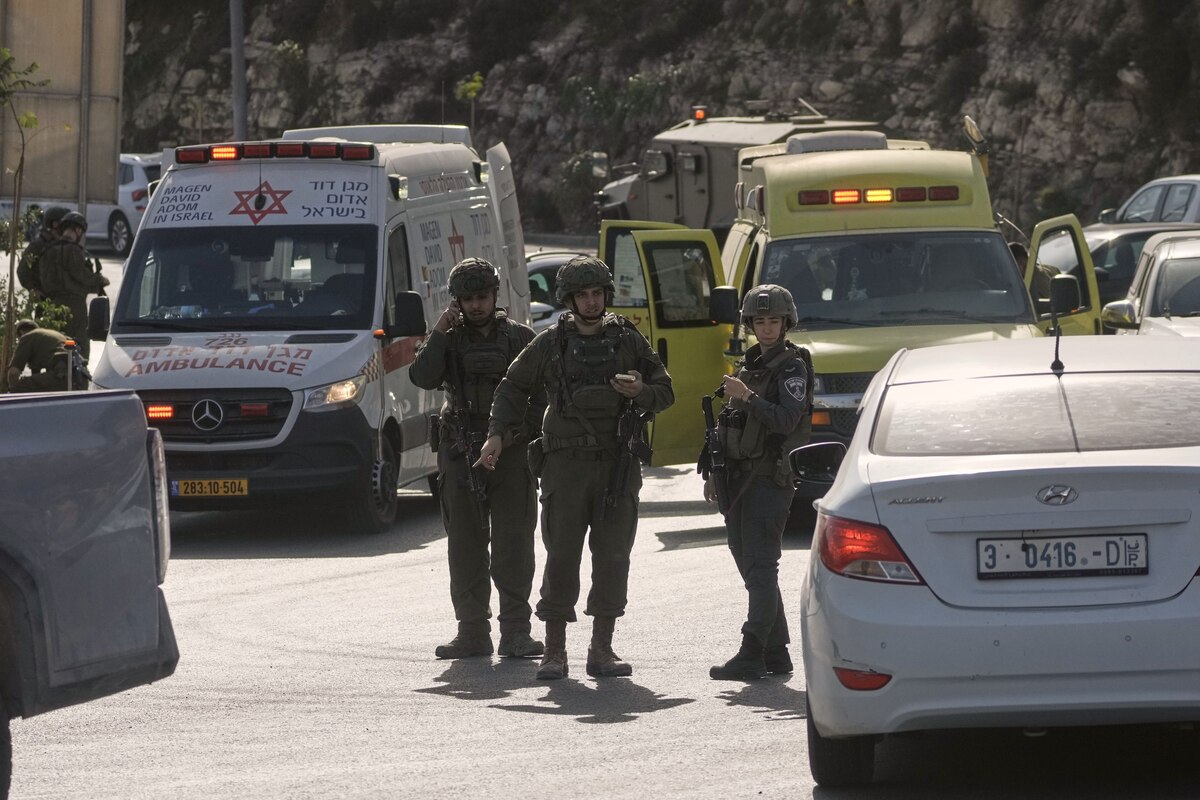
Amidst the gunfire, at least five people were injured. Israeli rescue services, including Magen David Adom (MDA), rushed to the scene. Medics reported arriving while shots were still being fired, underscoring the dangerous and active nature of the incident. The injured individuals were promptly attended to and then evacuated to various Israeli hospitals for treatment. Reports specified that two men in their twenties sustained gunshot wounds to their legs, while another individual was described as severely injured and unconscious, highlighting the critical nature of some of the wounds. The identities of the injured and the deceased assailants were not immediately released, pending further investigation.
Immediate Security Measures:
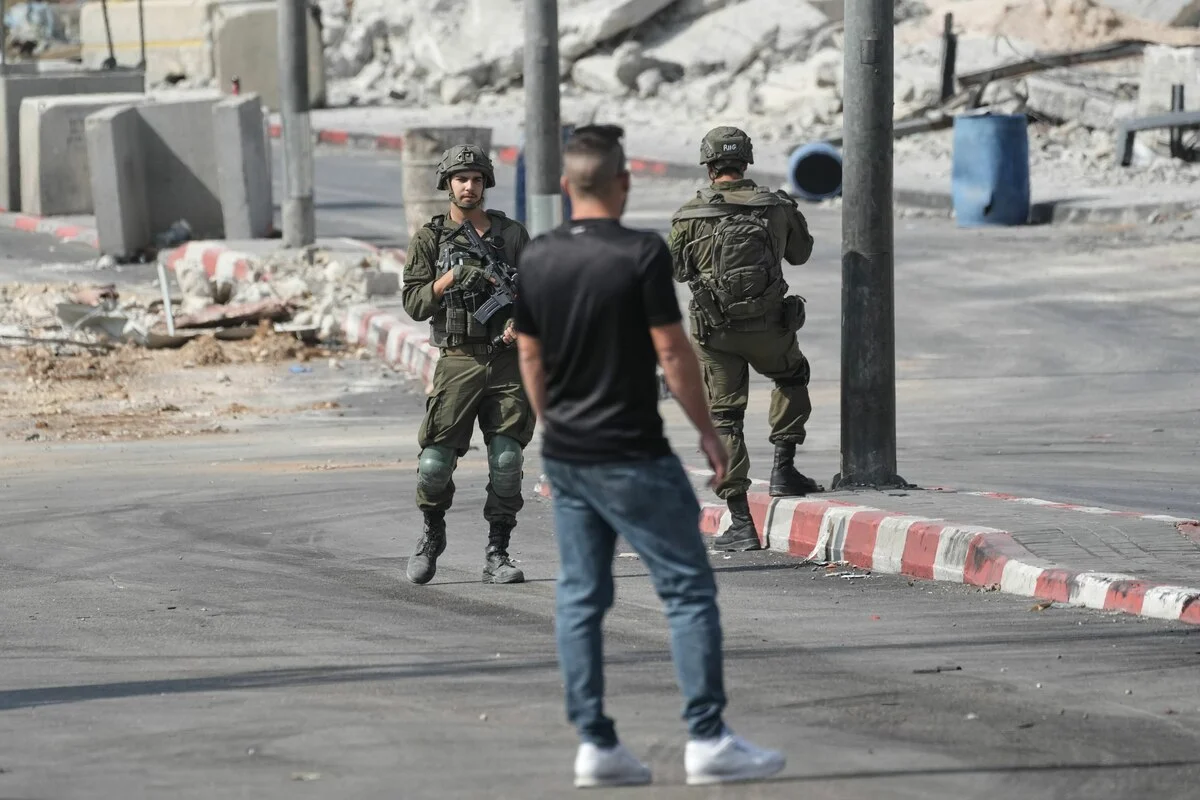
Following the neutralization of the attackers and the evacuation of the injured, the Israeli military initiated immediate and stringent security measures across the Hebron region. Numerous roadblocks were erected on key arteries, effectively restricting movement into and out of Palestinian towns and villages. Several Palestinian localities in the vicinity of the attack were sealed off, isolating residents and subjecting them to enhanced scrutiny and control. These immediate responses aimed to prevent any potential accomplices from escaping and to thoroughly search for any remaining threats.
Government Directive for Full Lockdown:
In the aftermath of the attack and the initial security sweep, Prime Minister Benjamin Netanyahu’s office issued a clear directive to the military. The orders stipulated an immediate and comprehensive lockdown of Hebron, a measure designed to assert control and prevent further incidents in the immediate area. Crucially, the directive also called for preparations to implement a "complete closure" of the entire West Bank, commencing Friday. This broader closure signifies a significant escalation in security posture, extending beyond the immediate vicinity of the attack to encompass the entire territory. The full West Bank closure would entail severe restrictions on all movement, effectively cutting off the West Bank from Israel and potentially isolating communities within the territory itself. This sequence of events, from the attack to the government’s far-reaching response, unfolded rapidly, reflecting the high stakes involved in Israeli security considerations, particularly in the tense environment of the occupied territories.
Supporting Data and Context
The decision to impose a full closure on the West Bank is a recurring and highly contentious security measure employed by Israel, rooted in the complex and often violent history of the Israeli-Palestinian conflict. Understanding the implications of such a lockdown requires examining the historical context, the prevailing security situation in the West Bank, and the socio-economic realities of Palestinian life under occupation.
Historical Precedent and Mechanisms of Closure:
Israel has frequently implemented closures of the West Bank, particularly during periods of heightened security threats, national holidays, or in response to specific attacks. These closures typically involve sealing off all checkpoints between the West Bank and Israel, preventing Palestinians from entering Israel for work, medical appointments, or other purposes. Internal closures, such as those imposed on specific cities like Hebron or entire regions, restrict movement between Palestinian towns and villages within the West Bank itself. Such measures are justified by Israel as essential for preventing infiltrations and attacks, while Palestinians and human rights organizations consistently condemn them as collective punishment, infringing upon fundamental rights and exacerbating humanitarian conditions. The mechanisms often include intensified military patrols, temporary checkpoints, and the restriction of vehicular and pedestrian traffic.
The Security Landscape of the West Bank:
The West Bank remains a highly volatile and contested territory. Since its occupation by Israel in 1967, it has been characterized by the continuous expansion of Israeli settlements, Palestinian resistance, and frequent clashes between Israeli forces and Palestinians. Hebron, in particular, is a microcosm of this conflict. Home to a small but ideologically driven community of Israeli settlers living amidst a large Palestinian population, the city is a constant flashpoint. The presence of heavily guarded settler enclaves in the heart of Hebron often leads to friction, protests, and violent confrontations. The Israeli military maintains a significant presence to protect settlers and manage security, which frequently results in restrictive measures for Palestinian residents. The security situation has been further complicated by recent surges in violence, including settler attacks on Palestinians, Palestinian attacks on Israelis, and regular Israeli military raids into Palestinian areas, particularly in the northern West Bank.
Socio-Economic and Humanitarian Impact of Closures:
A "complete lockdown" of the West Bank has devastating socio-economic and humanitarian consequences for its Palestinian residents.
- Economic Disruption: Tens of thousands of Palestinians hold permits to work in Israel or in Israeli settlements. A closure immediately cuts off their income, impacting families dependent on these wages. This can lead to severe financial hardship, food insecurity, and increased poverty rates. Local economies within the West Bank also suffer as supply chains are disrupted, and internal trade is hampered.
- Freedom of Movement: The ability to travel between cities, access farmland, or visit family members is severely curtailed. This fragmentation of the West Bank makes daily life incredibly challenging, disrupting education, healthcare access, and social cohesion.
- Access to Healthcare: While emergency medical cases are sometimes granted exceptions, routine medical appointments, access to specialized hospitals (often in East Jerusalem or Israel), and delivery of medical supplies can be severely impacted.
- Education: Students and teachers may be unable to reach their schools or universities if they reside in different localities or if checkpoints are impassable.
- Psychological Impact: Living under constant restrictions and the threat of closure creates significant psychological distress, fostering feelings of frustration, helplessness, and anger among the Palestinian population.
- Collective Punishment: From the Palestinian perspective, and that of many international observers, a blanket closure imposed on an entire population in response to the actions of a few individuals constitutes collective punishment, a violation of international humanitarian law. It is argued that such measures fail to differentiate between perpetrators and innocent civilians, thereby punishing an entire population for acts they did not commit.
The context of the current closure is thus not merely a response to a single incident but is deeply embedded in a broader pattern of control and conflict that defines the daily existence of Palestinians in the occupied West Bank. The measures, while framed by Israel as security imperatives, are viewed by many as tools of occupation that perpetuate the cycle of violence and undermine prospects for a peaceful resolution.
Official Responses
The immediate aftermath of the shooting attack and the subsequent announcement of a West Bank lockdown elicited clear, albeit expected, responses from the key parties involved, primarily the Israeli government and military. While official Palestinian responses were not detailed in the initial report, typical reactions to such sweeping measures can be anticipated.
Israeli Government’s Stance:
Prime Minister Benjamin Netanyahu’s office explicitly communicated the decision for the "complete lockdown," underscoring the government’s commitment to what it deems robust security. The directive for immediate closure of Hebron and a full West Bank lockdown from Friday was presented as a necessary and decisive action to counter terrorism and ensure the safety of Israeli citizens. Netanyahu’s statements, though not directly quoted in the report, are consistently framed around the imperative of protecting Israel from threats emanating from the West Bank. Such measures are typically justified by the Israeli leadership as proactive steps to prevent further attacks, dismantle terrorist infrastructure, and deter future assailants. The language used often emphasizes a "firm hand" and "zero tolerance" for terrorism, aiming to reassure the Israeli public that the government is taking all necessary steps to maintain security. This particular response, coming just days before a national election, also serves a political purpose, allowing the Prime Minister to project an image of strength and resolve on security matters, a key pillar of his electoral campaign.

Israeli Military’s Actions and Justification:
The Israeli Defense Forces (IDF) played a central role in the immediate response to the attack. Their communiqué confirmed the killing of two armed attackers near Hebron and highlighted the successful "foiling of a terrorist attack." The military’s actions, including the establishment of roadblocks and the sealing off of Palestinian localities, were presented as tactical necessities to secure the area, search for potential accomplices, and prevent further escalation. The IDF’s mandate is to protect Israeli citizens and maintain security in the West Bank, and their operations are consistently explained as defensive measures against threats. The military’s reporting on the assailants carrying an M16 rifle and a handgun serves to underscore the gravity of the threat and justify the extensive security operations that followed. Rescue workers arriving at the scene amidst ongoing gunfire further validated the military’s assertion of an active and dangerous situation.
Anticipated Palestinian Authority (PA) Response:
While the initial news report did not detail an immediate response from the Palestinian Authority, historically, the PA strongly condemns such widespread closures. They are routinely characterized as "collective punishment" against the Palestinian people, a practice that is illegal under international law (specifically, Article 33 of the Fourth Geneva Convention). The PA typically calls for international intervention to pressure Israel to lift the restrictions, arguing that these measures infringe upon the fundamental rights of movement, work, and access to essential services for millions of innocent Palestinians. Palestinian officials often express deep frustration, asserting that such actions exacerbate tensions, fuel resentment, and further undermine any prospects for peace or stability. They would likely highlight the economic hardship and humanitarian suffering inflicted upon the civilian population as a direct consequence of the lockdown.
International Community’s Reaction (General):
The international community’s response to West Bank closures is often characterized by calls for restraint and adherence to international humanitarian law. While acknowledging Israel’s legitimate security concerns, many international bodies, including the United Nations and various human rights organizations, routinely express concern over measures that disproportionately affect civilian populations. They typically urge Israel to distinguish between combatants and civilians and to ensure that security operations do not amount to collective punishment. Concerns are frequently raised about the impact on Palestinian livelihoods, access to essential services, and the overall deterioration of humanitarian conditions in the occupied territories. The implementation of a full West Bank lockdown is likely to draw similar criticisms and appeals for its swift termination from various international actors.
Implications and Future Outlook
The comprehensive lockdown of the West Bank following the Hebron shooting attack carries significant implications, not only for the immediate security situation but also for the broader political landscape in Israel, the dynamics of the Israeli-Palestinian conflict, and the daily lives of millions.
Impact on the Upcoming Israeli Elections:
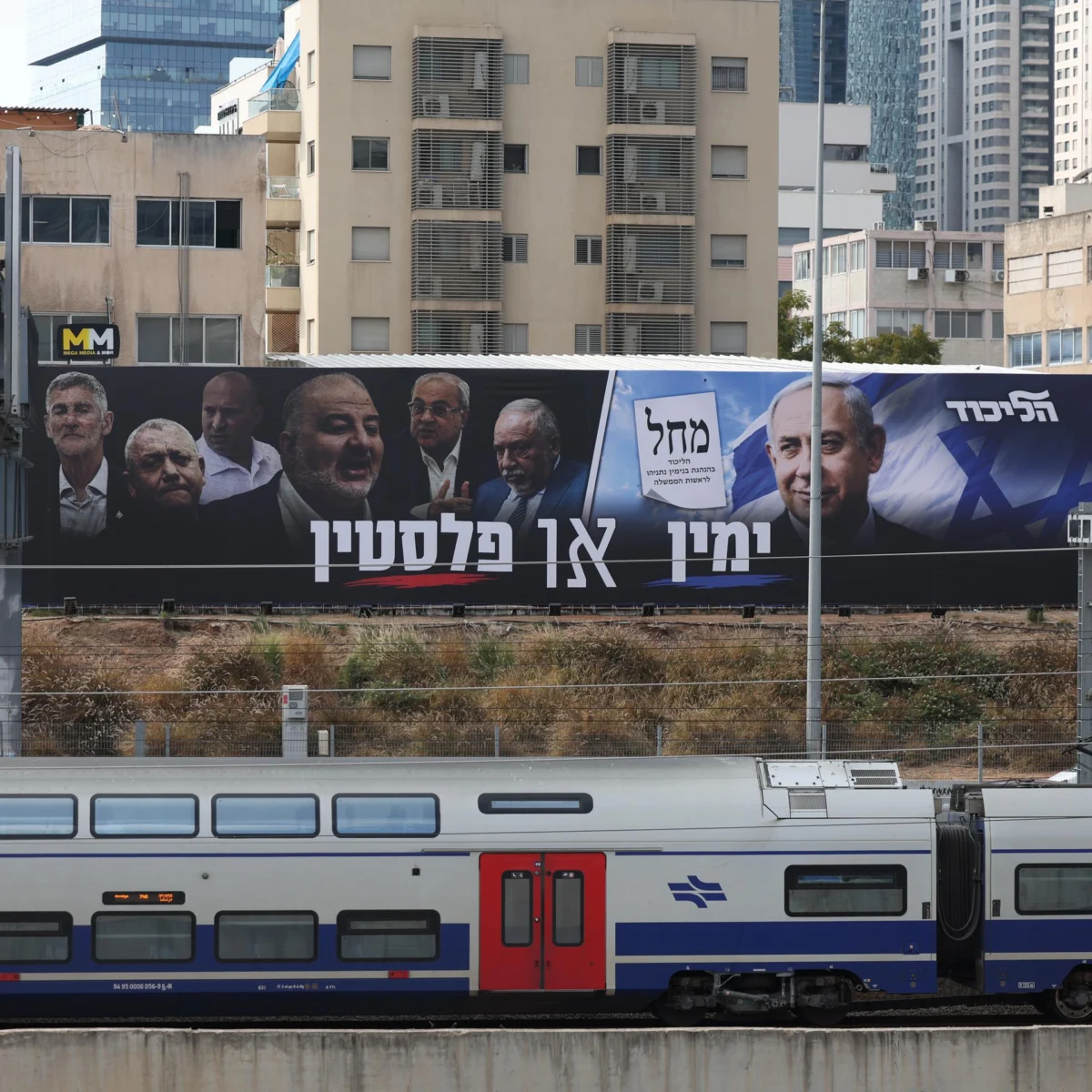
Perhaps the most immediate and palpable implication of this event is its timing, occurring just days before Israel’s parliamentary election. Security has always been a paramount concern for Israeli voters, and incidents like the Hebron attack tend to shift public discourse towards hawkish policies. Prime Minister Benjamin Netanyahu, facing a tight race, stands to benefit politically from demonstrating a strong, decisive hand in matters of security. His immediate order for a full lockdown reinforces his image as a leader committed to protecting Israel at all costs. This could galvanize his base, particularly right-wing voters who prioritize security above other issues, potentially swaying undecided voters towards his Likud party and its allies. The incident effectively places security at the forefront of the electoral debate, potentially overshadowing other domestic concerns and bolstering parties that advocate for tough measures against Palestinians. Opposing parties will also be compelled to articulate their security platforms, often leading to a competitive display of firmness.
Potential for Escalation and Increased Tensions:
The lockdown, particularly its collective nature, significantly raises the potential for further escalation and increased tensions in the West Bank. For Palestinians, these measures are a tangible manifestation of the occupation, fostering resentment and anger. Such feelings can, in turn, contribute to a cycle of violence, where acts of resistance or individual attacks are met with punitive security measures, leading to further retaliation. The isolation of entire communities, the disruption of daily life, and the economic hardship inflicted by a prolonged closure can create fertile ground for radicalization and increased unrest. There is a risk of further clashes between Palestinian residents and Israeli security forces, as well as potential for retaliatory actions by Palestinian militant groups, seeking to challenge the Israeli lockdown.
Humanitarian Concerns and Collective Punishment:
The humanitarian implications of a full West Bank closure are profound. Beyond the immediate economic disruption, the restriction on movement affects access to healthcare, education, and basic necessities for a population already facing significant challenges under occupation. International human rights organizations will undoubtedly voice strong condemnation, labeling the lockdown as a form of collective punishment, which is prohibited under international humanitarian law. This ongoing criticism adds to Israel’s international isolation on human rights issues and complicates its diplomatic relations. The long-term consequences include a deepening of humanitarian crises in already vulnerable communities, further eroding trust and exacerbating suffering.
Undermining Prospects for Peace and Stability:
Such significant security operations, while framed as necessary for immediate safety, often have the unintended long-term consequence of further entrenching the conflict. They reinforce the perception among Palestinians that a political solution based on coexistence is increasingly unattainable, leading to despair and a rejection of peace initiatives. For Israelis, these attacks reinforce the belief that security can only be achieved through strict control and military might, reducing public appetite for concessions or diplomatic engagement. The cycle of violence and punitive measures drives both sides further apart, making any future dialogue or peace process even more challenging. The continued erosion of a shared future, replaced by a narrative of perpetual conflict and security dilemmas, is a critical long-term implication.
Long-Term Consequences:
In the longer term, recurrent closures and the continuous application of strict security measures contribute to the fragmentation of Palestinian society and economy, making the establishment of a viable, contiguous Palestinian state increasingly difficult. They also deepen the sense of grievance and historical injustice among Palestinians, fueling future generations’ resolve to resist occupation. For Israel, while such measures provide short-term security gains, they come at the cost of international standing and the perpetuation of a conflict that exacts a heavy toll on its own society, resources, and moral fabric. The West Bank lockdown, therefore, is not merely a temporary security response but a significant event with far-reaching political, social, and humanitarian repercussions that will resonate long after its immediate implementation.