Zurich, Switzerland – June 21, 2026 – In a development hailed as potentially transformative for regional stability, high-stakes negotiations have commenced in a discreet Swiss luxury hotel, aiming to forge a definitive end to the devastating Iran conflict. The talks, which began this morning, bring together senior representatives from the United States and Iran, with crucial mediation efforts being undertaken by Pakistan and Qatar. U.S. Vice President JD Vance, leading the American delegation, has characterized the initial stages as "historic," expressing optimism about "significant progress" and the potential to usher in a "new chapter" in bilateral relations.
The conflict, which has raged for nearly four months, has inflicted immense human suffering and economic disruption. The current diplomatic initiative, held under the auspices of Swiss neutrality, seeks to move beyond a fragile ceasefire and establish a comprehensive peace agreement that addresses the core issues fueling the hostilities.
The Genesis of a Peace Initiative
The commencement of these negotiations marks a pivotal moment, following months of intense diplomatic maneuvering and the fragile cessation of hostilities. The decision to convene in Switzerland underscores the country’s long-standing role as a neutral ground for sensitive international discussions. The presence of Pakistani and Qatari mediators highlights the collaborative approach being taken to ensure the success of these complex talks.
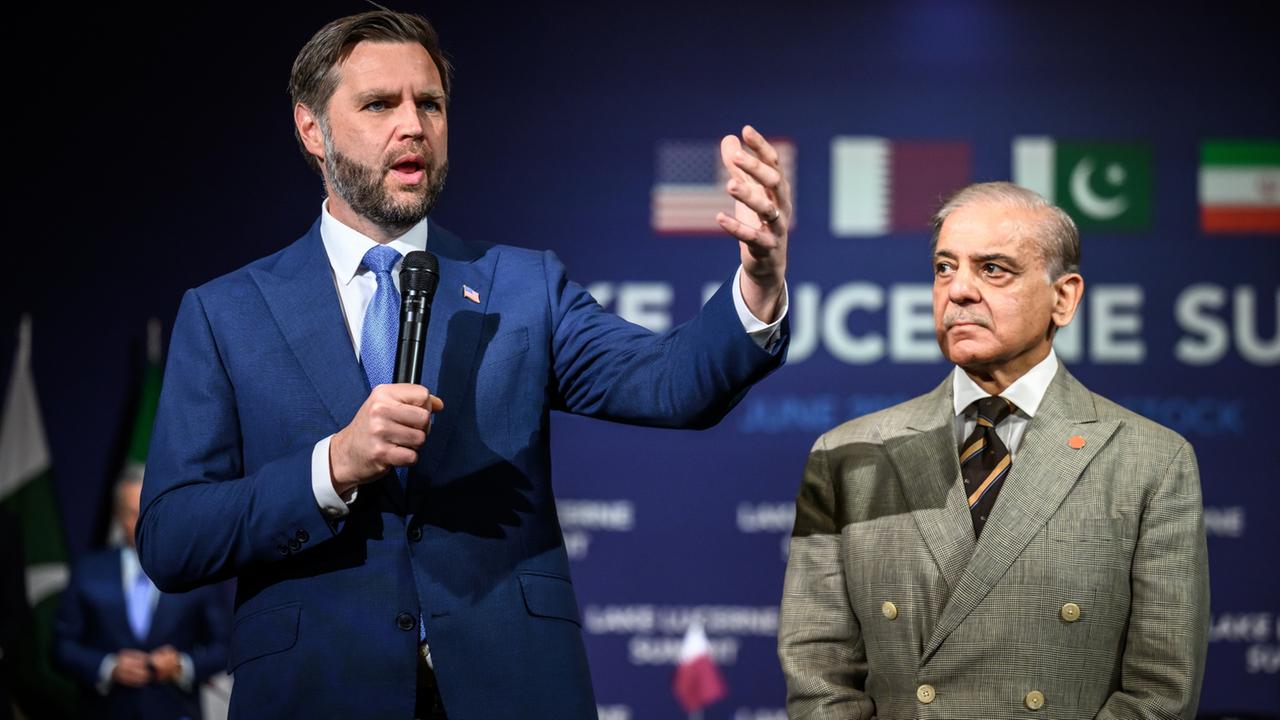
U.S. Vice President JD Vance, in his opening remarks, articulated the administration’s commitment to de-escalation and fostering a more constructive relationship with the Iranian people. "What the President has tasked us with is to turn a new page, to change our relationship with the Iranian people, and to offer them an outstretched hand," Vance stated, emphasizing the desire to move away from a posture of confrontation towards one of engagement.
A Glimpse of Progress: "Significant Strides" Made
Vice President Vance’s initial press conference, delivered with a measured yet hopeful tone, revealed that substantial headway had already been made in the early hours of the discussions. "We have already made significant strides in the past few hours, and I anticipate we will continue to make further progress," Vance announced. He outlined the conditions under which the United States is prepared to fundamentally alter its approach towards Iran.
"If the leadership in Tehran is prepared to forgo its role as a factor of regional instability, and if it is prepared to permanently renounce any ambition to acquire nuclear weapons, then the United States is prepared to fundamentally alter its relationship with this country," Vance declared. This statement clearly delineates the non-negotiable pillars of any potential agreement from the American perspective: regional security and nuclear non-proliferation.
The Framework for Lasting Peace: Key Negotiation Points
The core objective of these negotiations is to finalize a comprehensive peace framework that will bring a definitive end to the war. The initial phase of the talks is slated for a 60-day period, a timeframe designed to maintain momentum and ensure focused deliberation.
The U.S. delegation, which includes special envoys Jared Kushner and Steve Witkoff, is engaged in direct dialogue with Iranian Parliament President Mohammed Bagher Ghalibaf and Foreign Minister Abbas Araghtschi. Their discussions are expected to delve into a multifaceted agenda, encompassing several critical areas:
- The Iranian Nuclear Program: This remains a paramount concern for the international community. The U.S. is seeking concrete assurances and verifiable mechanisms to ensure Iran’s peaceful nuclear activities and prevent any diversion for military purposes. The specifics of inspections, enrichment levels, and the timeline for dismantling or modifying existing facilities will be central to this discussion.
- International Sanctions Relief: A significant incentive for Iran to engage constructively in the peace process is the potential for the lifting of crippling international sanctions. The extent and nature of sanctions relief will likely be directly tied to Iran’s compliance with the terms of the peace agreement, particularly concerning its nuclear program and regional behavior.
- Opening of the Strait of Hormuz: The strategic importance of the Strait of Hormuz, a vital chokepoint for global oil trade, cannot be overstated. Ensuring its unimpeded passage for all nations is a key U.S. objective, and any agreement would need to address navigational rights and security protocols in this critical waterway.
- Reconstruction and Economic Development in Iran: The war has undoubtedly had a devastating impact on Iran’s economy and infrastructure. The prospect of a multi-billion dollar reconstruction program, potentially facilitated by international aid and investment, could serve as a powerful driver for peace and stability within Iran. This would likely be contingent on a demonstrable shift towards responsible regional conduct.
- Regional Security and Stability: Beyond the direct bilateral issues, the negotiations are expected to touch upon broader regional security concerns. This includes addressing the role of proxy forces, de-escalation in ongoing conflicts, and fostering a more cooperative security architecture in the Middle East.
Shadows Over the Summit: Escalation in Lebanon
Despite the hopeful overtures in Switzerland, the diplomatic efforts were somberly overshadowed by renewed Israeli airstrikes targeting the Hezbollah militant group in Lebanon. Reports from the Lebanese state news agency NNA indicated that at least seven individuals, including a child, a woman, and two elderly people, were killed in attacks in the Bekaa Valley and the port city of Tyre.
Israel stated that these actions were a response to Hezbollah attacks and asserted that no Israeli strikes occurred overnight. Tehran, a key financier of the pro-Iranian Hezbollah militia, has repeatedly warned of consequences should Israel violate the agreed-upon ceasefire in the Iran conflict. This escalation serves as a stark reminder of the volatile regional dynamics and the potential for spoiler actions to derail the peace process. The U.S. delegation will undoubtedly be keenly aware of these developments, as they could impact the trust and confidence-building measures necessary for successful negotiations.
The Path Forward: Challenges and Opportunities
The negotiations in Switzerland represent a critical juncture, offering a tangible opportunity to break the cycle of conflict and animosity that has defined U.S.-Iran relations for decades. The declared commitment from both sides to seek a peaceful resolution, coupled with the active mediation of regional powers, provides a hopeful foundation.
However, the challenges ahead are formidable. Deep-seated mistrust, complex geopolitical interests, and the potential for internal political pressures within both nations will undoubtedly test the resolve of the negotiators. The recent escalation in Lebanon underscores the fragility of the situation and the need for careful management of regional tensions.
The international community will be watching closely as Vice President Vance and his Iranian counterparts navigate these delicate discussions. The success of these talks could not only bring an end to the immediate conflict but also pave the way for a more stable and prosperous future for the Middle East. The "historic" nature of these negotiations, as described by Vice President Vance, hinges on the ability of both sides to move beyond past grievances and embrace a shared vision of peace and cooperation. The coming days and weeks will be crucial in determining whether this optimistic outlook can be translated into a lasting reality.
Historical Context and Precedents
The current negotiations are not occurring in a vacuum. The history of U.S.-Iran relations is marked by periods of intense hostility interspersed with limited diplomatic engagement. The 1953 CIA-backed coup, the Iranian Revolution of 1979, the hostage crisis, and subsequent proxy conflicts have all contributed to a deeply entrenched mistrust.
More recently, the Joint Comprehensive Plan of Action (JCPOA), or Iran nuclear deal, signed in 2015, represented a significant attempt to curb Iran’s nuclear program in exchange for sanctions relief. However, the U.S. withdrawal from the JCPOA in 2018 and the subsequent reimposition of stringent sanctions by the Trump administration led to a significant deterioration in relations and heightened regional tensions. The current conflict can be seen, in part, as a consequence of this escalating cycle of confrontation.
The current negotiations, therefore, represent an attempt to fundamentally reset this dynamic. The emphasis on a "new chapter" and an "outstretched hand" suggests a desire to move beyond the transactional and often adversarial nature of past engagements. The inclusion of economic reconstruction and a broader vision for regional stability indicates a more holistic approach to peacebuilding than has been seen in previous diplomatic efforts.
The Role of Mediators: Pakistan and Qatar
The involvement of Pakistan and Qatar as mediators is a significant aspect of these talks. Both nations have maintained complex relationships with both the U.S. and Iran, giving them a unique vantage point and leverage.
- Pakistan: As a neighboring country to Iran and a long-standing ally of the United States, Pakistan has a vested interest in regional stability. Its role as a mediator could involve facilitating communication, building confidence, and offering practical solutions to complex issues. Pakistan has historically sought to balance its relationships, and its involvement here suggests a commitment to de-escalation.
- Qatar: Qatar, through its assertive foreign policy and its role as a financial hub, has emerged as a key mediator in numerous regional conflicts, including facilitating dialogue between the U.S. and the Taliban in Afghanistan. Its willingness to engage with a wide spectrum of actors, including Iran, makes it a valuable intermediary. Qatar’s involvement could provide a neutral platform and ensure that a broad range of perspectives are considered.
The presence of these two experienced mediators is crucial for navigating the potential pitfalls of direct U.S.-Iran negotiations. They can act as impartial facilitators, ensuring that communication remains open and that misunderstandings are quickly addressed.
Public Sentiment and International Reactions
While the details of the negotiations are being kept confidential, the announcement of these talks has likely generated a range of reactions globally.
- United States: The Biden administration will be under pressure to demonstrate tangible progress and ensure that any agreement serves U.S. national security interests and those of its allies in the region. Domestic political opponents will likely scrutinize every aspect of the deal, demanding transparency and accountability.
- Iran: The Iranian public, weary of war and sanctions, will be keenly awaiting news of a potential resolution. However, internal political dynamics within Iran, including the influence of hardline factions, could pose significant challenges to reaching a compromise. The regime’s willingness to make concessions will be a critical factor.
- Regional Allies: Countries like Israel and Saudi Arabia, who have long viewed Iran with suspicion, will be observing these negotiations with considerable interest and potentially apprehension. Their security concerns will need to be addressed for any lasting regional stability to be achieved. Their reactions could significantly influence the geopolitical landscape surrounding the peace process.
- International Community: The broader international community, particularly European nations and the United Nations, will likely express strong support for the peace initiative, recognizing the devastating human cost of the conflict and the broader implications for global security and economic stability.
The Long Road Ahead: Beyond the Zurich Summit
Even if a comprehensive peace agreement is reached in Switzerland, the challenges of implementation and long-term reconciliation will be substantial. The legacy of the conflict, including humanitarian crises, displaced populations, and economic devastation, will require sustained international attention and support.
The process of rebuilding trust between the U.S. and Iran will be a gradual and complex undertaking. Moving forward, the focus will need to be on sustained diplomatic engagement, verifiable compliance with the terms of the agreement, and fostering people-to-people connections to build a foundation for lasting peace. The success of this summit in Zurich will be measured not only by the agreement signed but by its enduring impact on the lives of millions and the stability of the entire region. The world watches with bated breath, hoping that this historic opportunity for peace will not be squandered.