SOFIA, Bulgaria — The dream of reaching the European Volleyball Championship semifinals for the first time since 2017 has come to a premature end for the German men’s national team. In a high-stakes quarterfinal clash held in Sofia, the German squad faced a formidable Polish side, ultimately bowing out in a 0-3 defeat (23-25, 17-25, 17-25). While the result marks a disappointing exit for coach Massimo Botti’s men, the tournament as a whole serves as a testament to the grit and tactical evolution of a young German roster.
The Reality of Elite Competition
The quarterfinal matchup was billed as a "David vs. Goliath" encounter, though the German side entered the arena with cautious optimism. Poland, coached by the legendary Nikola Grbić, arrived in Sofia as one of the pre-tournament favorites, boasting a roster brimming with international superstars. For Germany, the challenge was clear: overcome a psychological and historical hurdle against a neighbor that has remained a thorn in their side for over three decades.
The statistical reality of this rivalry is stark. With this latest defeat, Germany’s record against Poland has slumped to 0-6 in recent high-level continental meetings. The last time a German team celebrated an European Championship victory against the Poles, it was 33 years ago—a sobering reminder of the gap that still exists between the two programs at the highest level of European volleyball.
A Chronology of the Quarterfinal Clash
Set 1: A Glimpse of Potential
The opening set provided the most compelling volleyball of the evening. For the first several minutes, the scoreline remained deadlocked at 6-6. Germany, under the leadership of veteran setter Jan Zimmermann, executed their game plan with precision, neutralizing Poland’s early attempts to build a cushion.
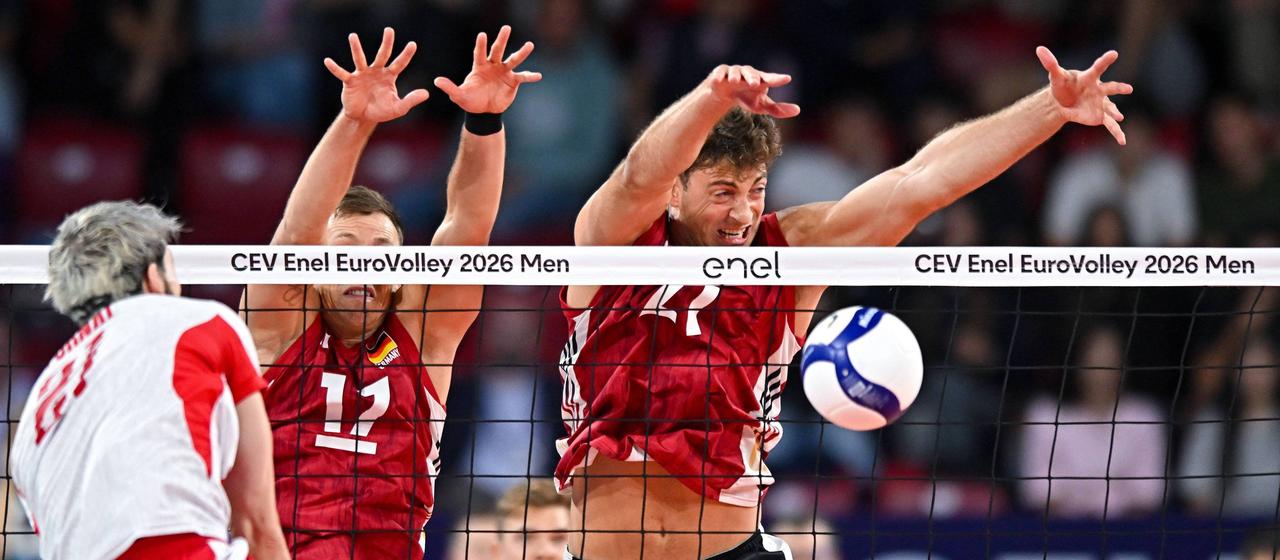
However, elite teams are defined by their ability to capitalize on micro-moments. Poland surged ahead to a 10-6 lead, forcing Botti to adjust his defensive rotations. The Germans responded with characteristic resilience, clawing their way back into the set through aggressive net play and disciplined blocking. The intensity was palpable, with both teams trading powerful attacks.
The turning point came at the business end of the set. With the score locked in a tight battle, a moment of misfortune proved costly: a service error by Erik Röhrs during a critical rally gifted Poland the set point, which they converted to take a 25-23 lead. It was a heartbreaking end to a set that proved Germany belonged on the same court as the title favorites.
Set 2: The Polish Surge
If the first set was a tactical arm-wrestle, the second set was a display of pure, clinical efficiency from the Polish side. The momentum shift was immediate. Poland’s outside hitter Wilfredo Leon, widely regarded as one of the best in the world, began to find his rhythm. His jump serves and lightning-fast attacks left the German defense scrambling.
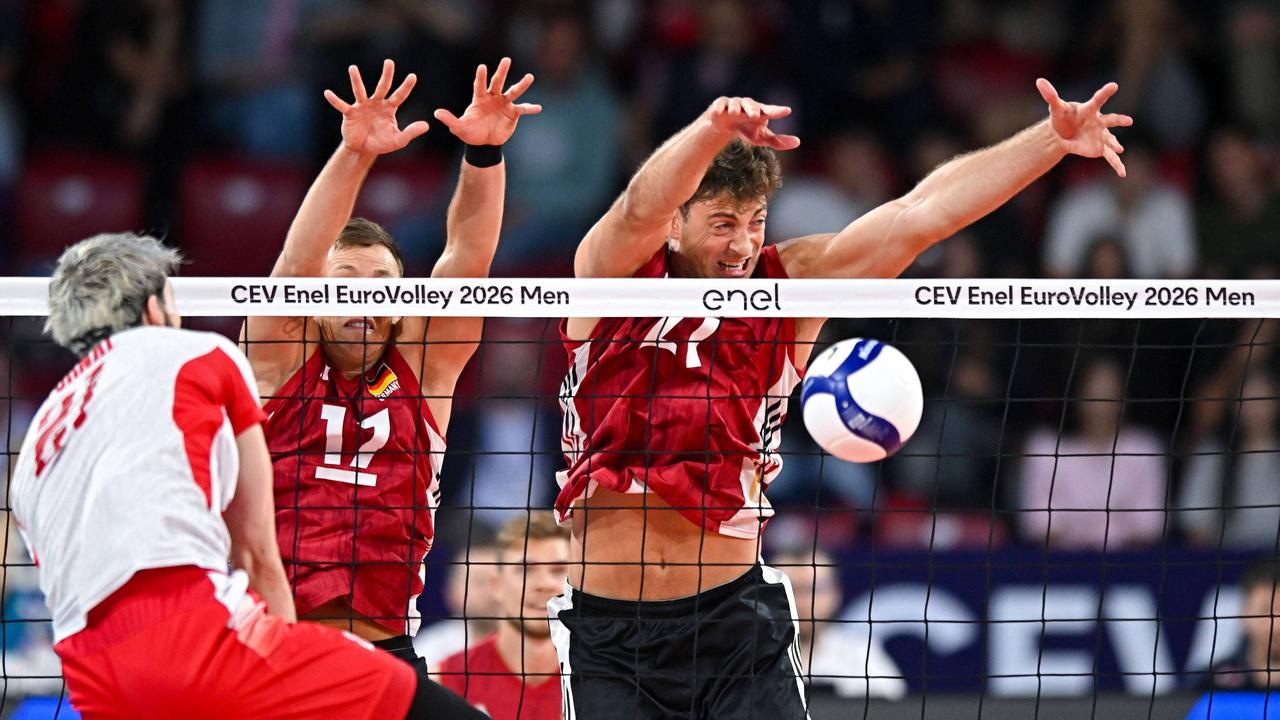
The German team, which had shown such composure in the first set, suddenly appeared hurried. Errors in reception led to erratic setting, and the fluidity that defined their earlier play vanished. Poland exploited this hesitation, racing to a 25-17 victory. The score reflected the reality of the set: Poland was simply too powerful, too composed, and too lethal at the net.
Set 3: The Fightback and the Fade
The final set offered a glimpse of the tactical ingenuity Massimo Botti has instilled in this squad. Germany opened the third set with renewed vigor, surging to a 6-3 lead and extending it to 8-4. For a moment, the arena in Sofia held its breath, wondering if a comeback was brewing.
But elite pedigree is difficult to replicate. When the pressure intensified, Poland demonstrated why they remain the standard-bearers of European volleyball. At 15-17, the Polish defense tightened, and their offensive transition became flawless. They leveled the score and proceeded to stifle the German attack, closing out the match with a 25-17 set score.
Supporting Data and Tactical Analysis
The match provided a masterclass in why Poland is considered a perennial contender. Their ability to manage "side-out" percentages—winning points on their own serve reception—was significantly higher than Germany’s.
Key metrics from the match highlight:
- The Leon Factor: Wilfredo Leon’s contribution was the decisive variable. His ability to hit through or around the German block at critical junctures provided Poland with "free points" that kept the pressure off their setters.
- Service Errors: While Germany was aggressive from the service line—a necessity when playing a stronger opponent—the error count proved fatal in the first set.
- Set Distribution: Jan Zimmermann’s distribution was varied and intelligent, but the lack of a secondary, consistent scoring threat alongside the primary attackers made it easier for the Polish blockers to focus their efforts.
Official Responses and Post-Match Sentiment
Following the match, the mood in the German camp was one of pride mixed with clear-eyed assessment.
"We knew exactly what we were facing," said one member of the coaching staff. "We played with heart and we played with a system that challenged them. In the first set, we showed we can compete with the best. The difference is the consistency they bring for three full sets. We are on the right path, but we have a clear gap to bridge."
Jan Zimmermann, addressing the media, echoed the sentiment of progress: "We didn’t come here to lose in the quarterfinals, but we have to look at the process. We took a step forward in this tournament. We played with bravery, but against a team like Poland, you cannot afford the lapses we had in the second and third sets."
Implications for the Future
The loss signals the end of this specific tournament run, but for the German Volleyball Federation (DVV), the implications are far-reaching.
1. The Need for Depth
The tournament highlighted that Germany can compete for a set or two against the world’s elite, but sustaining that level requires a deeper bench. The drop-off in intensity during the second set suggests that the team currently relies too heavily on a core group of starters to maintain high-level execution.
2. Tactical Evolution
Massimo Botti has succeeded in shifting the team’s identity from a reactive side to an aggressive, proactive unit. The "high-risk, high-reward" serving strategy is a clear indicator of a team looking to disrupt world-class opponents rather than just containing them.
3. Building for the Future
With the 2026 European Championship cycle now closed, the focus turns to qualification for the next major international events. The experience gained in Sofia by younger players will be invaluable. The loss, while stinging, provides the team with a "blueprint of failure"—identifying exactly where they must improve their physical conditioning and mental resilience to turn those 0-3 losses into 3-2 victories.
Conclusion
The German volleyball team exits the European Championship with their heads held high. They arrived in Sofia as underdogs and left having pushed one of the world’s best teams to their limits in the opening set. While the 0-3 scoreline suggests a dominant performance by Poland, those who witnessed the match understand the nuances. It was a clash between a rising team finding its identity and a powerhouse confirming its status. For Germany, the journey is far from over; it is merely entering a new, more demanding phase of development.