


Brussels, Belgium – October 20, 2026 – The European Union has unveiled a significantly revised Arctic Strategy, signaling a robust commitment to bolstering its presence and influence in a region increasingly defined by accelerating climate change, emerging geopolitical competition, and vital economic opportunities. Commission President Ursula von der Leyen underscored the urgency of the update, describing the Arctic as a critical nexus where "tectonic plates of geopolitics are colliding." This strategic recalibration moves beyond the foundational document of five years prior, reflecting the dramatic transformations underway in the high north.
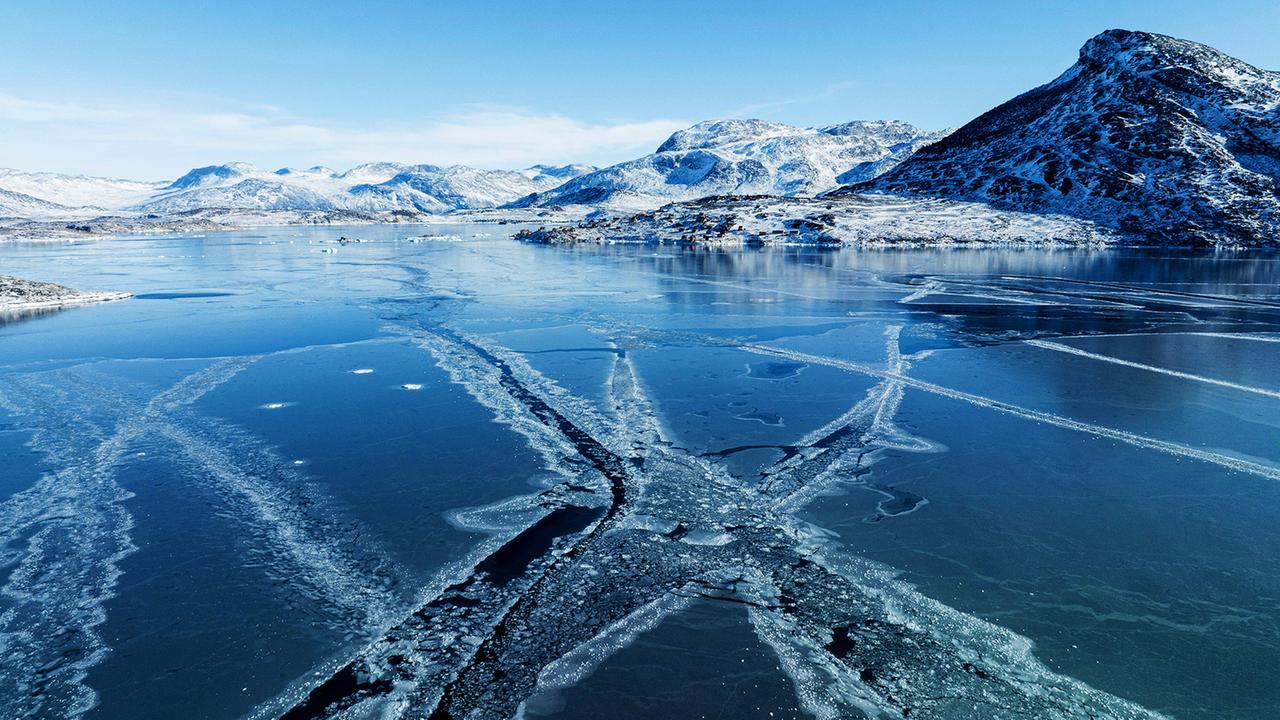
The updated strategy acknowledges the Arctic’s dual role as a frontier for both environmental vulnerability and strategic importance. With the Arctic warming at a rate three to four times faster than the global average, the thawing of ice is not only unlocking new shipping routes and access to valuable resources like rare earth elements but also presenting new dimensions for military considerations. This rapidly evolving landscape has intensified the interests of global powers, including Russia, China, and the United States, prompting the EU to reassess and solidify its own position.
I. Main Facts: A Multifaceted Approach to a Changing Arctic
The core of the revised EU Arctic Strategy centers on a multi-pronged approach designed to assert European interests while upholding its commitments to environmental protection and the well-being of Arctic inhabitants. Key pillars of the strategy include:
- Enhanced Maritime Connectivity and Security: The strategy prioritizes the better utilization and protection of Arctic shipping passages. This involves studying the future of new routes, not only for commercial trade but also for military mobility. To bolster security in the region, the EU proposes the establishment of a new Maritime Security Centre. This center will be tasked with continuous monitoring of the Arctic environment, enabling quicker detection of threats such as attacks on underwater cables, the movements of "shadow fleets" (unregulated vessels), and illegal fishing activities.
- Investment in Arctic Infrastructure: Recognizing the growing importance of the region, the EU plans to invest in crucial infrastructure. This includes the potential deployment of cables through the Arctic to connect Greenland, and later Canada and Japan, as well as the construction of icebreakers. Finland, a leading EU member in icebreaker technology, is expected to play a significant role in this aspect.
- Resource Exploration and Sustainable Development: While maintaining its "no drill, no buy" policy for fossil fuels, the strategy implicitly acknowledges the growing accessibility of critical raw materials in the Arctic. The focus will be on ensuring that any resource exploitation adheres to stringent environmental standards and contributes to sustainable development.
- Strengthened Military Presence and Cooperation: The strategy emphasizes the need for increased European security presence in the Arctic. This includes fostering greater cooperation among member states and with international partners to ensure stability and deter potential provocations. The development of icebreaker capabilities is seen as integral to this enhanced military mobility and operational capacity.
- Prioritizing Indigenous Communities and Environmental Stewardship: Central to the EU’s approach is the commitment to the people of the Arctic. The strategy explicitly states that the Arctic "belongs to the people there, therefore they are also at the center" of the European approach. This includes a renewed pledge from 2021 to avoid drilling for oil, coal, or gas in the Arctic and to refrain from purchasing products derived from such activities. The EU reiterates its dedication to environmental protection and the transition to climate neutrality, acknowledging the Arctic’s pivotal role in regulating global climate patterns.
II. Chronology: Evolution of the EU’s Arctic Engagement
The EU’s engagement with the Arctic has evolved significantly over the past decade, driven by increasing awareness of the region’s strategic and environmental importance.
- 2016: The European Commission and the High Representative of the Union for Foreign Affairs and Security Policy presented the first joint communication on the Arctic, "The European Union and the Arctic: a key role in a changing region." This marked an initial recognition of the EU’s stake in the Arctic.
- 2019: The EU adopted its first dedicated Arctic Strategy, focusing on climate change, infrastructure development, resource exploration, and research. This strategy aimed to establish a coherent EU approach to the challenges and opportunities in the region.
- 2021: The strategy was updated, with a particular emphasis on the "no drill, no buy" policy regarding fossil fuels and a commitment to sustainable development.
- October 20, 2026: The European Commission unveiled its latest revised Arctic Strategy, characterized by a pronounced shift towards security and geopolitical considerations, alongside a continued commitment to environmental protection and the region’s inhabitants. This update reflects the accelerating pace of change and the intensified international interest in the Arctic.
III. Supporting Data: The Accelerating Arctic Transformation
The impetus for the EU’s strategic revision is firmly rooted in quantifiable data highlighting the dramatic changes occurring in the Arctic:
- Accelerated Warming: Scientific consensus indicates that the Arctic is warming at a rate three to four times faster than the global average. This phenomenon is leading to unprecedented ice melt, impacting sea levels, weather patterns, and ecosystem stability worldwide.
- Emergence of New Shipping Routes: The decline in sea ice is opening up previously impassable routes, such as the Northern Sea Route and the Northwest Passage, to increased maritime traffic. Projections suggest a significant rise in shipping activity in these corridors over the coming decades, presenting both economic opportunities and environmental risks.
- Resource Accessibility: The thawing permafrost and receding ice sheets are making vast, previously inaccessible reserves of natural resources, including oil, gas, and critical minerals like rare earth elements, more attainable. Estimates suggest that the Arctic holds substantial untapped reserves of hydrocarbons and minerals vital for the global economy and the green transition.
- Increased Geopolitical Interest: The strategic implications of these changes are evident in the heightened military activities and territorial claims being asserted by various Arctic and non-Arctic states. Russia, for instance, has been significantly investing in its military infrastructure in the region, while China has declared itself a "near-Arctic state" and is actively pursuing its Polar Silk Road initiative.
- Impact on Biodiversity and Indigenous Livelihoods: The rapid environmental changes pose a severe threat to Arctic ecosystems and the traditional livelihoods of Indigenous communities. Melting ice, changing permafrost, and altered wildlife migration patterns are disrupting established ways of life and increasing the vulnerability of these populations.
IV. Official Responses: Voices from the Commission and Beyond
The announcement of the revised Arctic Strategy has been met with a mixture of anticipation and caution from various stakeholders.
Ursula von der Leyen, President of the European Commission:
"The Arctic is a region where the tectonic plates of geopolitics are colliding. Our revised strategy reflects the urgent need to bolster Europe’s presence and influence in this strategically vital area. We are committed to leveraging the opportunities that emerge from the changing Arctic while steadfastly upholding our environmental responsibilities and ensuring the well-being of the people who call this region home."
Josep Borrell, High Representative of the Union for Foreign Affairs and Security Policy:
"The Arctic is no longer a remote and frozen frontier, but a region of growing global significance. This updated strategy underscores our commitment to a rules-based international order, promoting peace, security, and sustainable development. We must work collaboratively with our partners to navigate the complex challenges and opportunities that lie ahead."
Commentary from EU Member States:
While specific official statements from individual member states are still emerging, the strategic shift towards security is likely to be welcomed by countries with direct Arctic coastlines, such as Sweden and Finland, which have historically advocated for a stronger European security posture in the region. Denmark, with its Arctic territories in Greenland, will also be closely observing the implementation of the strategy.
V. Implications: Navigating the Future of the Arctic
The implications of the EU’s intensified Arctic Strategy are far-reaching, both for Europe and the global community:
- Enhanced European Influence: The strategy signals a proactive stance by the EU, aiming to secure its interests and promote its values in a region where geopolitical competition is intensifying. By investing in infrastructure, maritime security, and diplomatic engagement, the EU seeks to be a more significant player in shaping the future of the Arctic.
- Potential for Increased Tensions: While the EU emphasizes cooperation, its increased focus on military presence and security could be perceived by some actors as a more assertive posture, potentially leading to heightened tensions in an already complex geopolitical environment.
- Economic Opportunities and Challenges: The opening of new shipping routes and access to resources presents significant economic opportunities for Europe. However, these must be balanced with the environmental risks associated with increased maritime traffic and resource extraction, as well as the potential for conflicts over resource claims.
- Commitment to Environmental Protection: The EU’s reaffirmation of its "no drill, no buy" policy and its emphasis on environmental stewardship are crucial. As the Arctic’s role in regulating global climate becomes increasingly evident, European leadership in sustainable practices could set a vital precedent.
- Partnership and Diplomacy: The strategy’s focus on partnership with like-minded allies in the region is essential. Effective management of the Arctic’s future will require robust international cooperation, built on shared principles of peace, sustainability, and respect for international law. The EU’s commitment to working with all who share these goals is a positive step towards fostering a stable and prosperous Arctic.
In conclusion, the European Union’s updated Arctic Strategy represents a decisive response to the rapidly evolving realities of the high north. It is a strategic imperative that seeks to balance the burgeoning geopolitical and economic imperatives with an unwavering commitment to environmental protection and the welfare of Arctic inhabitants. As the ice continues to recede, the EU’s actions in the coming years will be critical in shaping the future of this vital and increasingly contested region.



