The Dresden Transport Authority (Dresdner Verkehrsbetriebe, DVB) has reaffirmed its commitment to a sustainable future, announcing a significant expansion of its electric bus fleet. With the approval of the supervisory board, the city is set to integrate 38 new emission-free vehicles into its network by the spring of 2028. This move marks a pivotal moment in the Saxon capital’s transition toward carbon-neutral public transportation, signaling a long-term strategy to modernize infrastructure and reduce the urban carbon footprint.
Main Facts: A Decisive Step Toward Sustainability
The expansion strategy, recently ratified by the DVB supervisory board, is structured into two distinct procurement phases. In the immediate future, 18 new electric buses are slated to join the fleet by the end of this calendar year. This initial surge will be followed by a further acquisition of 20 units, scheduled for delivery and deployment by the spring of 2028.
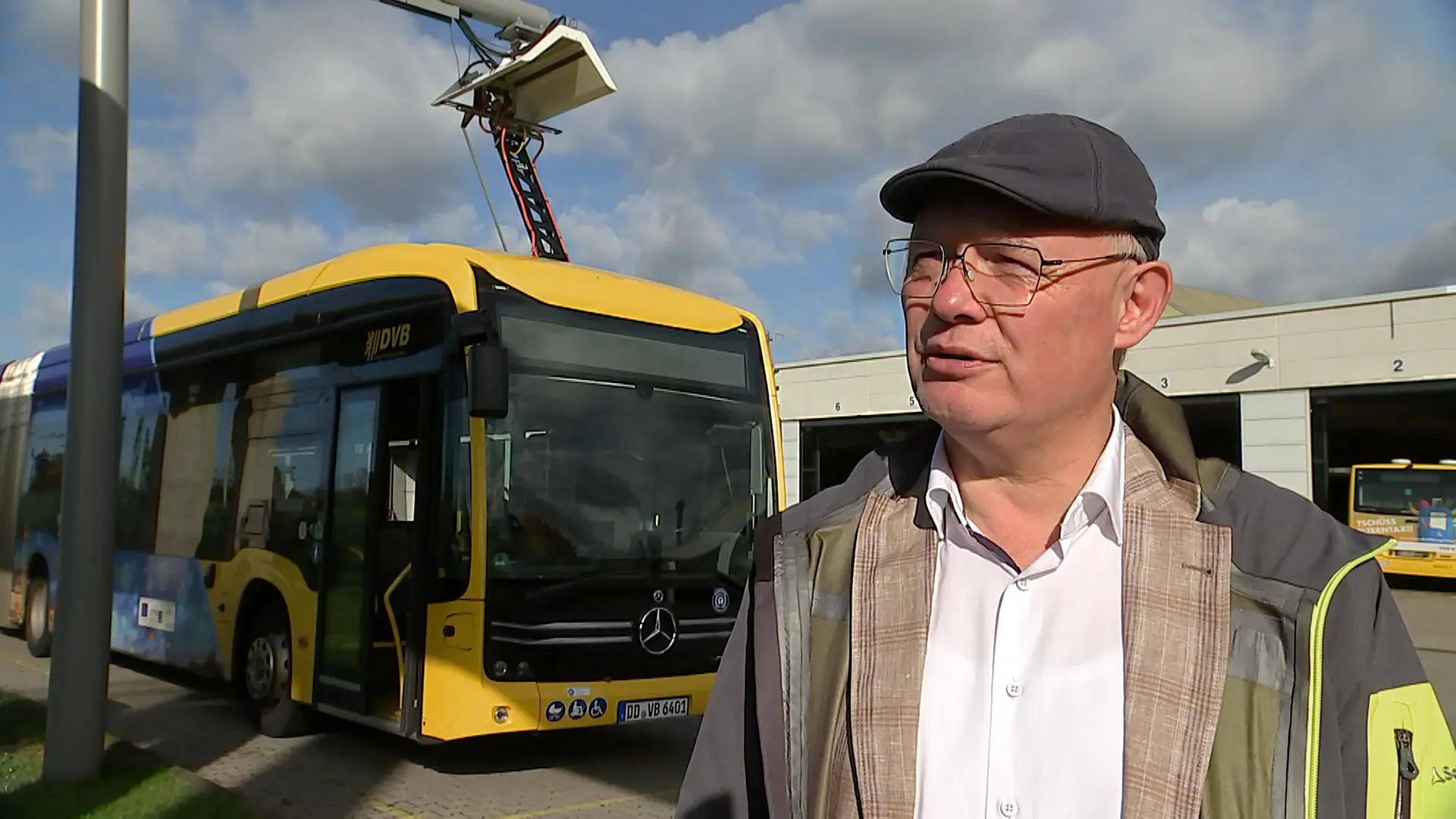
Currently, the DVB operates a fleet of 21 electric buses, which serve as the foundation for the city’s ongoing electrification project. By 2028, this number will rise to 59, representing a nearly threefold increase in the capacity of the emission-free fleet. These vehicles are not merely replacements for aging diesel engines; they represent a fundamental technological shift in how the DVB manages the logistical complexities of urban mobility, ranging from charging infrastructure requirements to route optimization.
The investment is part of a broader, state-wide initiative in Saxony to align public transit services with European environmental standards. By prioritizing electric mobility, the DVB aims to combat rising nitrogen oxide levels and noise pollution in the densely populated neighborhoods of Dresden, while simultaneously ensuring that the public transport system remains reliable and modern for the city’s residents and visitors.
Chronology: From Pilot Projects to Full-Scale Integration
The journey toward an electrified Dresden transit system did not begin with the current announcement. It was the result of a deliberate, multi-year process characterized by rigorous testing and gradual implementation.
The Initial Phase: Proving the Concept
Several years ago, the DVB initiated pilot programs to test the viability of battery-electric bus technology in the specific topographic and climate conditions of Dresden. These early tests were crucial for evaluating the range of the batteries under varying loads and temperatures—an essential factor for a city that experiences both the heat of summer and the sub-zero temperatures of Saxon winters.
The Scaling Phase: Establishing the Current Baseline
Having successfully navigated the pilot stage, the DVB integrated the current fleet of 21 electric buses into high-traffic routes. These vehicles have served as "laboratories on wheels," allowing engineers to monitor energy consumption patterns and the efficacy of rapid-charging stations at key transit hubs. The success of this operational phase provided the necessary data and confidence for the supervisory board to authorize the current, more ambitious procurement cycle.
The Future Roadmap: 2024–2028
The current decision reflects the next logical step in the roadmap. The immediate procurement of 18 buses serves as a tactical expansion, intended to bolster the current network. The second phase, involving 20 additional buses by 2028, represents a strategic commitment to systemic change, likely coinciding with the anticipated replacement cycle of the older, legacy diesel fleet.
Supporting Data: Why Electric?
The transition to an electric bus fleet is backed by complex technical and economic considerations. The DVB has conducted extensive cost-benefit analyses that extend beyond the initial purchase price of the vehicles.
Efficiency and Operational Costs
Electric buses offer a significant advantage in terms of energy efficiency. While the initial capital expenditure for an electric bus and the corresponding charging infrastructure is higher than that of a traditional diesel vehicle, the long-term operational costs—specifically fuel and maintenance—are significantly lower. Electric motors have fewer moving parts than internal combustion engines, leading to reduced downtime and lower repair costs over the vehicle’s lifecycle.
Infrastructure Requirements
One of the primary challenges for the DVB has been the installation of the necessary charging grid. Each new bus requires a robust charging solution, whether it be overnight depot charging or rapid-opportunity charging at terminal stations. The upcoming expansion necessitates not only the purchase of vehicles but also a substantial upgrade to the electrical substations at various depots across Dresden to handle the increased load.
Environmental Impact
The environmental argument is compelling. A single electric bus can save tons of CO2 emissions annually compared to a modern diesel bus. Furthermore, the reduction in particulate matter (PM10 and PM2.5) contributes to better air quality in the city center, which is particularly vital for urban health in a metropolitan area like Dresden.
Official Responses and Strategic Vision
The leadership at the DVB has maintained that this transition is not merely an environmental choice but an operational necessity. In recent statements, DVB officials emphasized that the shift is designed to future-proof the company against potential regulatory changes and rising fuel prices.
"The decision by the supervisory board is a clear signal that Dresden intends to remain at the forefront of modern, sustainable urban transit," a spokesperson for the DVB noted. "We are committed to providing our passengers with clean, quiet, and efficient transport. The acquisition of these 38 new vehicles is a testament to our long-term planning and our confidence in the technology."
Furthermore, the City of Dresden’s municipal government has been a staunch supporter of the project. By integrating the bus expansion with the city’s broader "Climate Protection 2030" goals, the DVB is securing political backing and potential funding streams that facilitate the transition. The alignment between the transport authority and the city administration ensures that the required urban planning—such as the integration of charging stations into city streets—is streamlined and prioritized.
Implications for the Future: What This Means for Dresden
The decision to expand the electric bus fleet has far-reaching implications for the city, its residents, and the broader transport sector.

A Greener Urban Landscape
For the average citizen, the change will manifest in quieter streets and cleaner air. As the proportion of electric buses increases, the cumulative noise reduction will significantly improve the quality of life in neighborhoods where transit routes are heavy. This is particularly important for the historic center of Dresden, where the preservation of the cityscape is balanced with the need for modern infrastructure.
Economic and Industrial Impact
Dresden is a hub for high-tech industry and research. The DVB’s commitment to electric mobility stimulates the local economy by creating demand for specialized maintenance services and green energy infrastructure. There is also the potential for collaboration with local research institutions to further optimize battery technology and energy management systems.

A Model for Other Cities
Dresden’s approach to fleet transition—characterized by careful testing followed by phased, data-driven scaling—is being closely watched by other medium-sized European cities. The DVB is essentially creating a blueprint for how a legacy transit system can successfully migrate to electric power without compromising service reliability.
The Challenge of Energy Procurement
As the fleet grows, the DVB faces the challenge of sourcing truly sustainable energy. The implication is that the growth of the electric bus fleet must be matched by an expansion of renewable energy sources, such as solar or wind, to charge these vehicles. This creates a virtuous cycle where the transit system’s demand for clean energy drives investment in regional green power projects.
Conclusion: Driving Forward
The expansion of the DVB’s electric bus fleet is more than a simple procurement exercise; it is a strategic maneuver that positions Dresden as a leader in the global movement toward electrified, sustainable public transport. By committing to the delivery of 38 new buses by 2028, the DVB is making a tangible, long-term investment in the city’s environmental health and operational efficiency.
The path forward will undoubtedly present challenges—from the logistical complexity of grid upgrades to the ongoing need for technological refinement—but the commitment of the DVB to this vision is clear. As the silent, emission-free buses become a more common sight on the streets of Dresden, they will serve as a constant reminder of the city’s commitment to a cleaner, more sustainable future for the generations to come. The "Dresden Model" of transit, characterized by its methodical and ambitious transition, stands as a promising example of how modern cities can successfully navigate the complexities of the 21st century.