

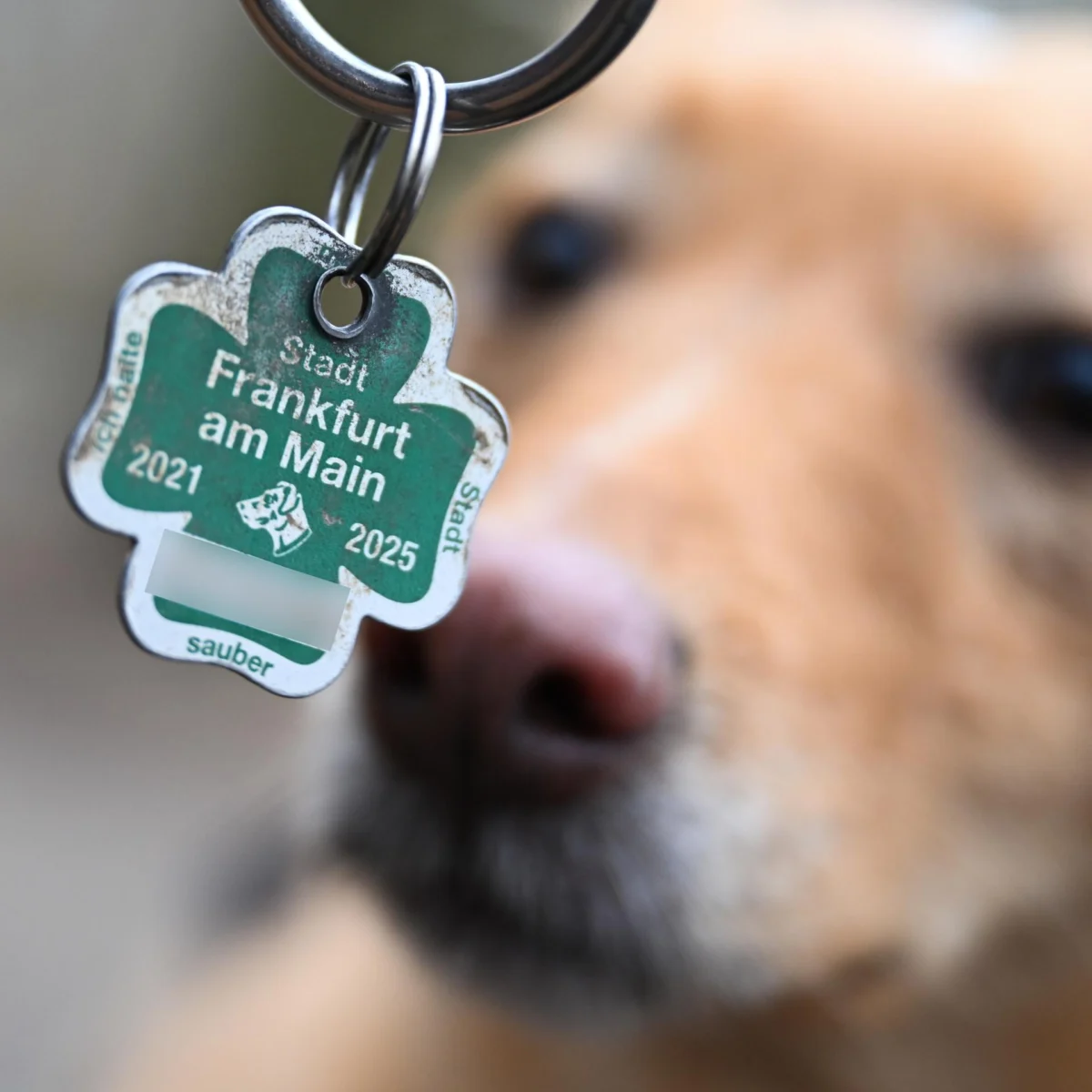
Berlin, Germany – October 7, 2026 – Germany’s municipalities continue to benefit significantly from dog tax revenues, which stood at a robust 429.7 million euros in the past year. This figure, while representing a slight moderation from the peak recorded in 2024, signifies a stabilization at an exceptionally high level, underscoring the enduring financial contribution of canine companions to local coffers. The Federal Statistical Office (Statistisches Bundesamt) released these latest figures, highlighting a substantial 33.4 percent increase in revenues since 2015.
However, the statistical agency also emphasized a crucial nuance: higher tax revenues do not automatically equate to a proportional increase in the number of registered dogs. This distinction points to a more complex interplay of factors, including potential adjustments in local tax rates, improved registration compliance, and the varying policies of Germany’s numerous municipalities. The consistent high intake from the dog tax remains a vital, albeit often debated, component of local government funding, supporting a range of public services and infrastructure.
Main Facts: A Steady Stream of Canine Contributions
The reported 429.7 million euros in dog tax revenues for the past year (referring to 2025, given the October 2026 reporting date) positions this unique levy as a significant and stable income stream for German municipalities. This near-record performance follows a period of substantial growth, with the all-time high having been registered in 2024. The minimal difference between the 2025 figure and the 2024 record suggests a plateau rather than a decline, indicating the sustained importance of this revenue source.
The Federal Statistical Office, the authoritative source for these economic indicators, consistently tracks such data to provide transparency on municipal finances. Their analysis reveals that the cumulative increase of 33.4 percent since 2015 is a testament to the growing significance of the dog tax over the last decade. This growth trajectory can be attributed to several factors, including a general increase in dog ownership, particularly amplified during the recent global pandemic, and the independent decisions of individual municipalities to adjust their tax rates.
It is important to understand that the dog tax (Hundesteuer) is a municipal tax levied on the ownership of dogs, not directly tied to specific services provided for dogs, though it often implicitly contributes to them. Unlike some other taxes, it is not a direct charge for veterinary services, dog parks, or waste disposal, but rather a general revenue source that municipalities can allocate as needed. This flexibility is both its strength and, at times, a point of contention among dog owners and advocacy groups. The stable, high-level revenue underscores the enduring presence of dogs in German households and their indirect financial impact on local communities.
Chronology of Dog Tax Revenues: A Decade of Growth and Stabilization
The journey of dog tax revenues in Germany over the past decade presents an interesting economic narrative, reflecting broader societal trends and local governmental policies. In 2015, the baseline year for the Federal Statistical Office’s comparison, revenues were considerably lower than today’s figures. The 33.4 percent increase to 429.7 million euros by 2025 signifies a robust upward trend.
The growth can largely be segmented into two distinct phases. The first phase, from 2015 up to approximately 2019, likely saw a gradual, steady increase driven by a consistent rise in pet ownership and moderate adjustments in municipal tax rates. Germany has long held a strong cultural affinity for dogs, and this period represented a continuation of that trend.
The second, more impactful phase, likely occurred between late 2019 and 2024. The onset of the COVID-19 pandemic, with its lockdowns and increased time spent at home, spurred a significant "pet boom" across many developed nations, including Germany. Many individuals and families sought companionship and a reason to get outdoors, leading to a surge in dog adoptions and purchases. This unprecedented demand for pets directly translated into higher registration numbers in many municipalities, consequently boosting dog tax revenues. Municipalities, recognizing this trend and facing their own financial pressures, may also have adjusted their rates during this period, further contributing to the revenue surge that culminated in the record year of 2024.
The subsequent year, 2025, saw revenues stabilize at 429.7 million euros, slightly below the 2024 peak. This stabilization suggests that the immediate post-pandemic surge in dog ownership might have tapered off, or that municipalities have reached a comfortable equilibrium with their current tax rates. It could also indicate that while new dog registrations might have slowed, existing registered dogs continue to contribute to the tax base, ensuring a consistent and high level of income. This plateauing at a record level demonstrates the resilience and reliability of the dog tax as a funding mechanism, even as the extraordinary circumstances that fueled its rapid growth have begun to normalize.
Supporting Data and Context: Decoding the Figures
The statement from the Federal Statistical Office that higher revenues do not necessarily mean an increased number of dogs is crucial for a nuanced understanding of these figures. This disconnect can be explained by several key factors pertaining to the structure and implementation of the dog tax in Germany.
Firstly, and perhaps most significantly, is the municipal autonomy in setting tax rates. Unlike federal or state taxes, the dog tax is a purely local levy. Each of Germany’s approximately 11,000 municipalities has the power to determine its own rates. This leads to considerable variation across the country. Large urban centers like Munich, Hamburg, or Berlin often impose higher taxes on dogs compared to smaller towns or rural communities, reflecting higher population density, increased demand for public spaces, and potentially higher costs for waste management and infrastructure maintenance. Furthermore, many municipalities employ a tiered system: the tax for a first dog is typically lower than for a second or subsequent dog, and "dangerous breeds" (as defined by local ordinances) often face significantly higher rates. An overall increase in revenue could therefore be driven by a trend of municipalities raising their rates, even if the total number of dogs remains constant or grows only marginally.
Secondly, improved enforcement and registration compliance can also contribute to higher revenues. As municipal budgets come under pressure, local authorities may intensify efforts to identify unregistered dogs. Campaigns encouraging registration, coupled with stricter checks or penalties for non-compliance, could bring previously untaxed dogs into the system, thereby boosting revenue without an actual increase in the overall dog population. Digitalization of municipal services might also streamline the registration process, making it easier for owners to comply and for authorities to track.
Thirdly, the average tax per dog might have increased. Even if the total number of dogs has only slightly risen, if the average tax paid per dog has gone up (due to rate increases or a higher proportion of dogs in more expensive categories, e.g., second dogs or certain breeds), the total revenue will increase.
From a broader economic perspective, the dog tax, while a relatively small component of overall municipal budgets, is highly valued for its stability. It is considered a relatively inelastic tax, meaning that changes in the tax rate typically do not lead to a massive reduction in dog ownership. Pet ownership is often a deeply emotional decision, and the cost of the tax, while a consideration, is usually secondary to other expenses like food, veterinary care, and insurance.
The revenue generated from the dog tax is typically integrated into the general municipal budget. While some argue that these funds should be earmarked specifically for dog-related services (such as dog parks, waste bag dispensers, or animal shelters), this is generally not the case under German public finance law. Instead, it contributes to the overall funding of public services, from schools and roads to libraries and sanitation, thereby indirectly benefiting all residents, including dog owners.
Official Responses and Expert Commentary: A Multifaceted Perspective
The Federal Statistical Office’s announcement, while purely factual, invariably sparks discussion among various stakeholders, from municipal associations to animal welfare organizations and economic experts.
Municipal Associations, such as the German Association of Cities (Deutscher Städtetag) and the German Association of Towns and Municipalities (Deutscher Städte- und Gemeindebund), generally welcome the stable and high level of dog tax revenues. They view it as a legitimate and essential source of income for local self-government. Representatives often highlight that these funds contribute to the general infrastructure and services that all citizens, including dog owners, utilize. They might also point out the administrative effort involved in collecting and managing this tax, asserting that the revenue helps offset these costs. For many municipalities, particularly those facing tight budgets, every stable revenue stream is crucial for maintaining public services and investments. They might argue that the tax also serves a regulatory purpose, encouraging responsible pet ownership and potentially deterring individuals from acquiring multiple dogs without considering the associated responsibilities and costs.
Animal Welfare Organizations, such as the German Animal Welfare Federation (Deutscher Tierschutzbund), often hold a more nuanced view. While they generally acknowledge the legitimacy of a dog tax as a contribution to public life, they advocate for a transparent and purposeful allocation of these funds. Their primary concern is that the tax should not become a burden that leads to animal abandonment or discourages responsible ownership, particularly for low-income households. They frequently propose that a portion of the dog tax revenue should be explicitly earmarked for animal welfare initiatives, such as supporting animal shelters, funding spay/neuter programs, or educational campaigns for responsible pet keeping. They might also criticize the often significantly higher taxes for so-called "dangerous breeds," arguing that such policies unfairly punish specific breeds rather than addressing the behavior of individual animals or their owners.
Public Finance Experts and Economists tend to analyze the dog tax from the perspective of its efficiency and fairness. They often categorize it as a "luxury tax" or a "benefit tax," where dog owners contribute to the public resources they consume (e.g., public parks, waste disposal). They would note its relatively low administrative cost compared to the revenue generated and its stability, making it an attractive local revenue source. However, some economists might also discuss its potentially regressive nature, as it constitutes a higher proportion of disposable income for lower-income households. Debates around tax harmonization or linking the tax more directly to specific services would also feature in their commentary, often suggesting reforms to make the tax more equitable or transparent in its application.
Implications and Future Outlook: A Continuing Debate
The stabilization of dog tax revenues at near-record levels carries several implications for municipalities, dog owners, and future policy debates in Germany.
For municipalities, the dog tax will likely remain a reliable and valued component of their financial planning. Given the ongoing fiscal pressures faced by local governments, the consistency of this revenue stream provides a degree of stability. It is plausible that municipalities will continue to review and potentially adjust their dog tax rates in the coming years, balancing the need for revenue with the desire to avoid overly burdening their residents or inciting widespread opposition. The trend of differentiating rates for multiple dogs or specific breeds is also likely to persist, reflecting local policy goals.
For dog owners, the high revenue figures underscore the financial commitment involved in pet ownership beyond direct care costs. Owners should remain aware that the dog tax is an annual obligation and that rates can vary significantly by location and may be subject to future increases. The public discourse around the tax might also encourage greater scrutiny of how these funds are utilized, potentially leading to more demands for transparency or for greater investment in dog-friendly infrastructure.
Looking ahead, the discussion around the reform of the dog tax is likely to continue. Key questions include:
- Earmarking Funds: Should a portion of the dog tax be legally required to be spent on animal welfare or specific dog-related public services? This is a frequent demand from animal welfare groups.
- Harmonization: Should there be more standardized rates or guidelines across municipalities to reduce the current wide disparities? This could improve fairness but reduce local autonomy.
- Social Equity: How can the tax be structured to be less burdensome for low-income households while still generating necessary revenue? Some propose exemptions or reduced rates for recipients of social benefits.
- "Dangerous Breeds" Legislation: The higher tax rates for certain breeds remain controversial. Future debates may focus on whether this approach is effective or discriminatory, potentially shifting towards behavior-based assessments rather than breed-specific taxes.
Beyond the financial aspect, the stable revenue reflects the enduring and growing role of dogs in German society. Dogs are increasingly seen as integral family members, contributing to physical and mental well-being. This societal trend suggests that dog ownership, and thus the dog tax, will remain a significant feature of German communal life for the foreseeable future. However, as urban areas become denser, the need for adequate green spaces, waste management solutions, and well-defined rules for dog owners will only grow, underscoring the broader implications of these canine contributions to public life.
In conclusion, the latest statistics from the Federal Statistical Office confirm the dog tax as a remarkably consistent and substantial revenue stream for Germany’s municipalities. While the dramatic growth seen in the immediate post-pandemic years has plateaued, the sustained high level of income underscores its importance. As discussions around municipal finance, animal welfare, and responsible pet ownership evolve, the dog tax will undoubtedly remain a subject of ongoing interest and debate, reflecting both economic realities and the cherished place of dogs in German households.
(Image source: picture alliance / dpa / Arne Dedert)
















