

The landscape of high-end gaming displays is shifting rapidly, driven by the aggressive adoption of Quantum Dot OLED (QD-OLED) technology. Among the latest contenders is the AOC Agon Pro AG326UZD2, a 32-inch powerhouse that promises 4K resolution and a 240Hz refresh rate. However, its initial market launch was clouded by technical ambiguity. Following a period of scrutiny regarding its display panel specifications, AOC has officially issued a revised data sheet, clearing up critical misconceptions regarding brightness levels and the integration of Samsung’s advanced "QuantumBlack" anti-reflective coating.
This article serves as a comprehensive deep dive into these clarifications, analyzing why these technical nuances matter to enthusiasts and what the updated specifications mean for the monitor’s standing in a highly competitive market.
The Core Conflict: Why Technical Accuracy Matters
For the discerning gamer, professional editor, or media enthusiast, a monitor’s data sheet is more than just a list of features—it is a binding contract of performance. When a manufacturer lists specifications, consumers make purchasing decisions based on the expectation of specific visual fidelity, contrast ratios, and peak brightness.
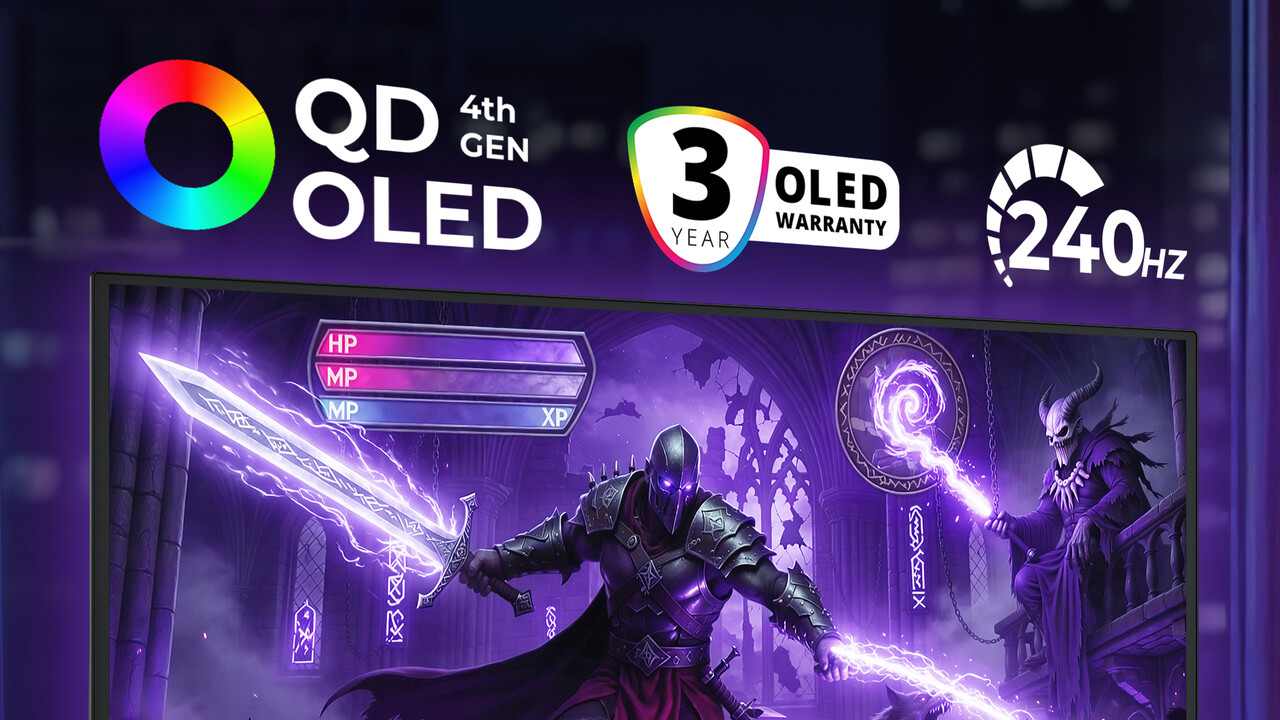
When the AG326UZD2 first arrived in the public eye, industry experts and hardware enthusiasts noticed discrepancies that didn’t align with the inherent capabilities of the 4th-generation QD-OLED panels it claimed to utilize. Specifically, the brightness values provided in the initial documentation appeared to be holdovers from previous-generation models, failing to account for the efficiency gains offered by the latest panel technology. Furthermore, the ambiguous labeling of the display’s anti-reflective coating led to confusion regarding its true optical properties and physical durability.
Chronology of the Clarification
The resolution of these issues was not instantaneous; it was a process of investigative reporting and professional dialogue between the media and the manufacturer.
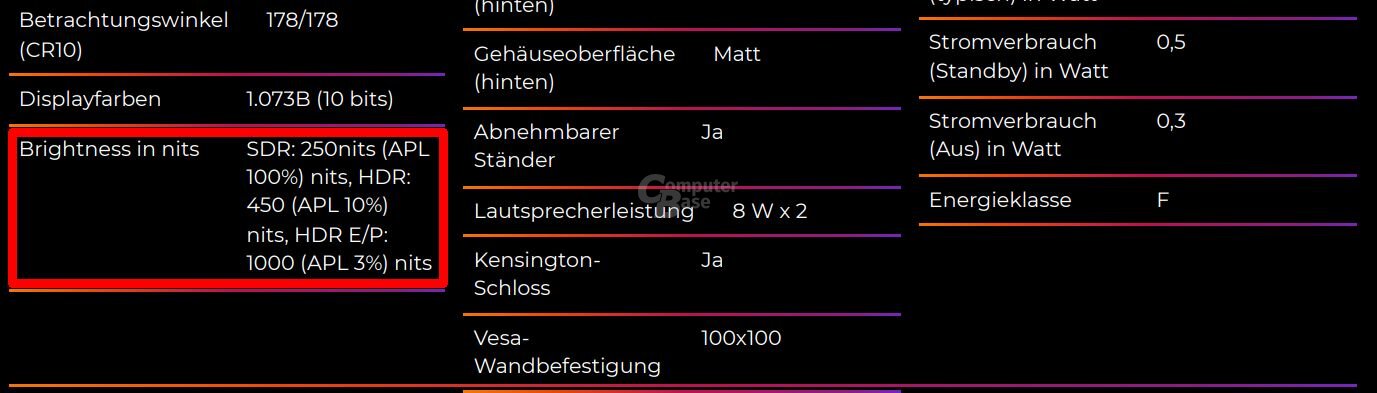
- Initial Launch: AOC announced the AG326UZD2, highlighting its 4th-generation QD-OLED panel. However, the accompanying data sheet listed a maximum brightness of 450 cd/m² for HDR content and 250 cd/m² for SDR, values that conflicted with the VESA DisplayHDR True Black 500 certification the monitor was marketed as possessing.
- The Discrepancy Identified: Analysis by hardware reviewers highlighted that a True Black 500 certification necessitates a peak brightness of at least 500 cd/m² on a 10% window. The published data sheet was mathematically inconsistent with the certification.
- The Coating Confusion: AOC labeled the screen’s surface as "Anti-Reflection 3.0," a proprietary term that left users wondering if the display featured the widely praised "QuantumBlack" technology, which is known for neutralizing the purplish tint seen on older OLED panels in bright rooms.
- Formal Inquiry: Media outlets, including ComputerBase, contacted AOC’s PR representatives to challenge these figures.
- The Rectification: Following internal review, AOC acknowledged the errors. The company officially confirmed the inclusion of QuantumBlack technology and released a corrected technical data sheet, reflecting the hardware’s actual capabilities.
Supporting Data: Understanding the Improved Specifications
The corrected data sheet acts as a vindication for the AG326UZD2, bringing the monitor into alignment with the performance metrics expected of current-generation hardware.
Brightness and HDR Performance
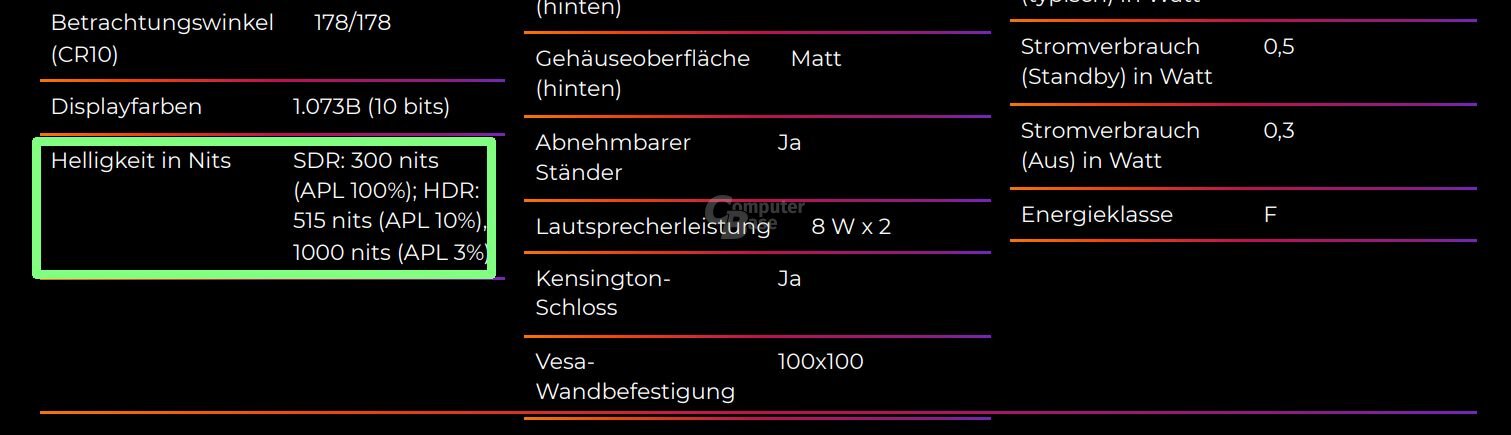
The most significant correction involves the luminance levels. The revised specifications now state a maximum brightness of 515 cd/m² on a 10% window, which comfortably satisfies the requirements for the VESA DisplayHDR True Black 500 standard. Additionally, the full-screen SDR brightness has been corrected to 300 cd/m².
These figures are representative of the 4th-generation QD-OLED evolution. Unlike earlier iterations, which struggled with high-APL (Average Picture Level) brightness, the 4th-gen panels utilize improved pixel structures that allow for more efficient light emission, resulting in a more vivid experience in bright environments without sacrificing the "True Black" depth that OLED is famous for.
The "QuantumBlack" Revelation
The initial confusion regarding the "Anti-Reflection 3.0" coating was largely a branding issue. AOC has now confirmed that this technology is indeed Samsung’s QuantumBlack film. This is a critical upgrade for users who use their monitors in well-lit rooms.
The primary benefits of the QuantumBlack layer are twofold:
- Reflection Mitigation: It significantly reduces ambient light reflections, preventing the "washing out" effect that occurs when lights hit an OLED screen.
- Color Integrity: By minimizing the intake of ambient light, it prevents the characteristic "purple tint" that often plagues QD-OLED panels under direct illumination, ensuring that blacks appear truly black rather than a deep violet.
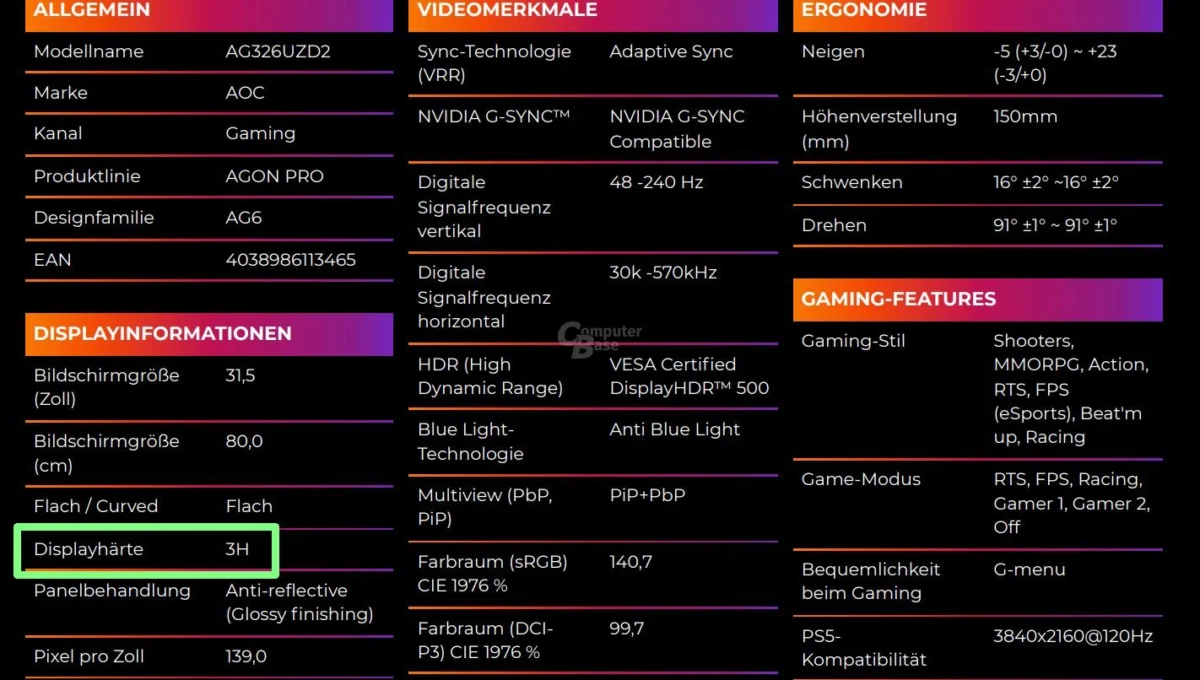
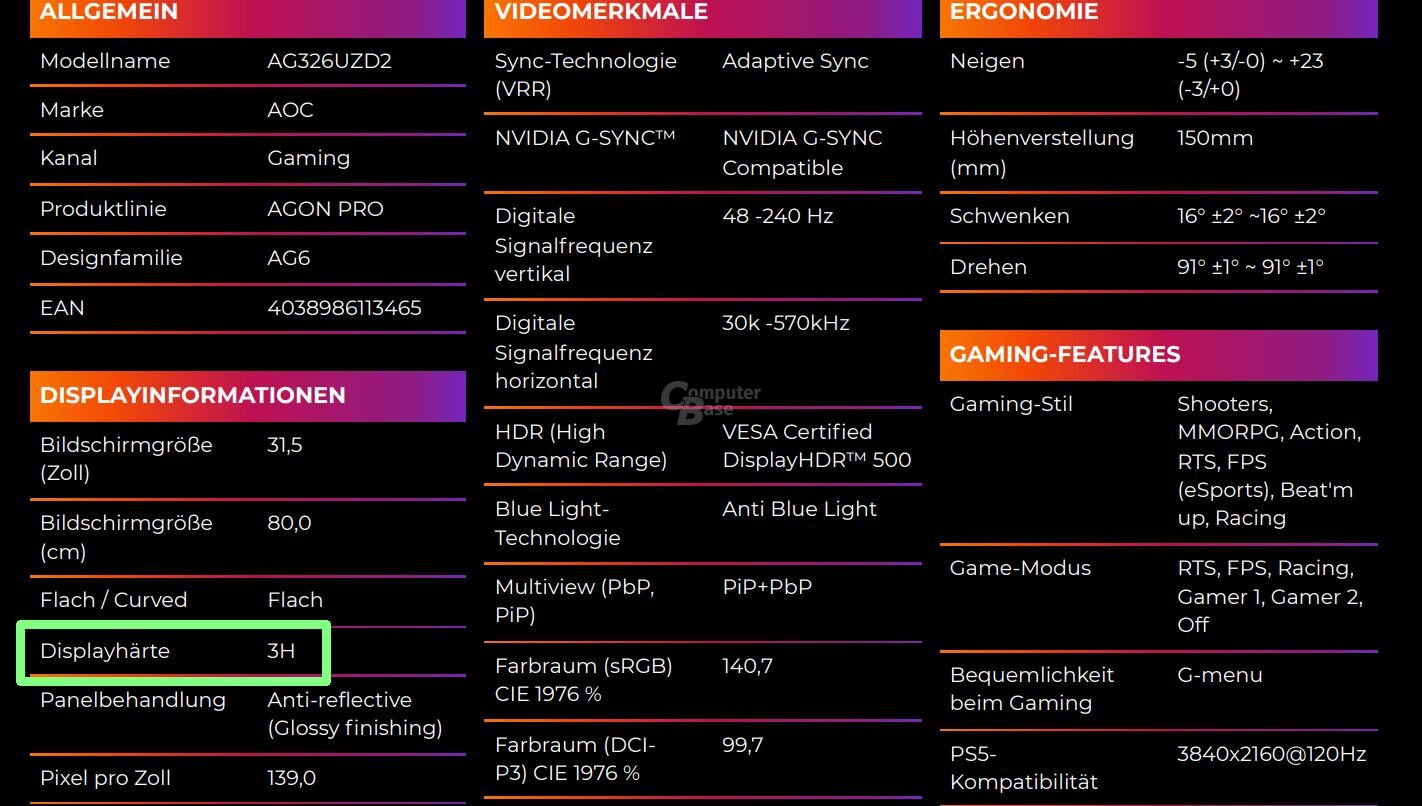
- Physical Durability: The correction also updated the surface hardness rating from 2H to 3H. While 3H is not sapphire-grade, it provides a meaningful improvement in scratch resistance, a common concern for users who clean their displays frequently.
Official Responses and Industry Implications
AOC’s willingness to correct their documentation is a positive indicator of transparency in the monitor market. By acknowledging the usage of the 4th-generation panel and the specific anti-reflective technology, the company has provided consumers with the data necessary to justify the monitor’s entry-level price point of €999.
Industry analysts note that as OLED technology matures, the "marketing speak" often used by manufacturers to differentiate their products can sometimes obfuscate the underlying technical specifications. The case of the AG326UZD2 serves as a reminder that as brands pivot toward premium branding (such as "DarkShield" or "Anti-Reflection 3.0"), they must remain anchored to the industry-standard terminology provided by the panel manufacturers themselves—in this case, Samsung.
What This Means for the Consumer
For those in the market for a 32-inch 4K gaming monitor, the AG326UZD2 has effectively "leveled up" through these corrections.
- The HDR Experience: Users can now be confident that the monitor delivers on its HDR promises, offering the punchy highlights required for high-end gaming and cinematic content.
- Placement Flexibility: Because the monitor now confirms the use of QuantumBlack, buyers do not have to worry about strictly controlling light in their gaming environment. It is far more versatile than its 3rd-generation predecessors.
- Confidence in Build: The adjustment of the hardness rating to 3H reinforces that the panel is built to withstand standard maintenance and handling, providing a greater sense of security for a product that represents a significant financial investment.
Conclusion
The path to a successful product launch is rarely without its bumps. The initial confusion surrounding the AOC Agon Pro AG326UZD2 was a classic example of a communication gap between technical engineering and marketing departments. However, by proactively correcting the data sheet and clarifying the integration of top-tier panel technology, AOC has not only preserved its credibility but has also provided a much clearer picture of what this monitor is capable of.
At a price point starting at €999, the AG326UZD2 now stands as a much more compelling choice. It offers the high-end 4K, 240Hz performance that enthusiasts demand, backed by the latest advancements in OLED light management and durability. For those who were sitting on the fence due to the initial ambiguity, the updated specifications provide the clarity needed to make an informed decision in the high-stakes world of OLED gaming displays.


















Leave a Reply