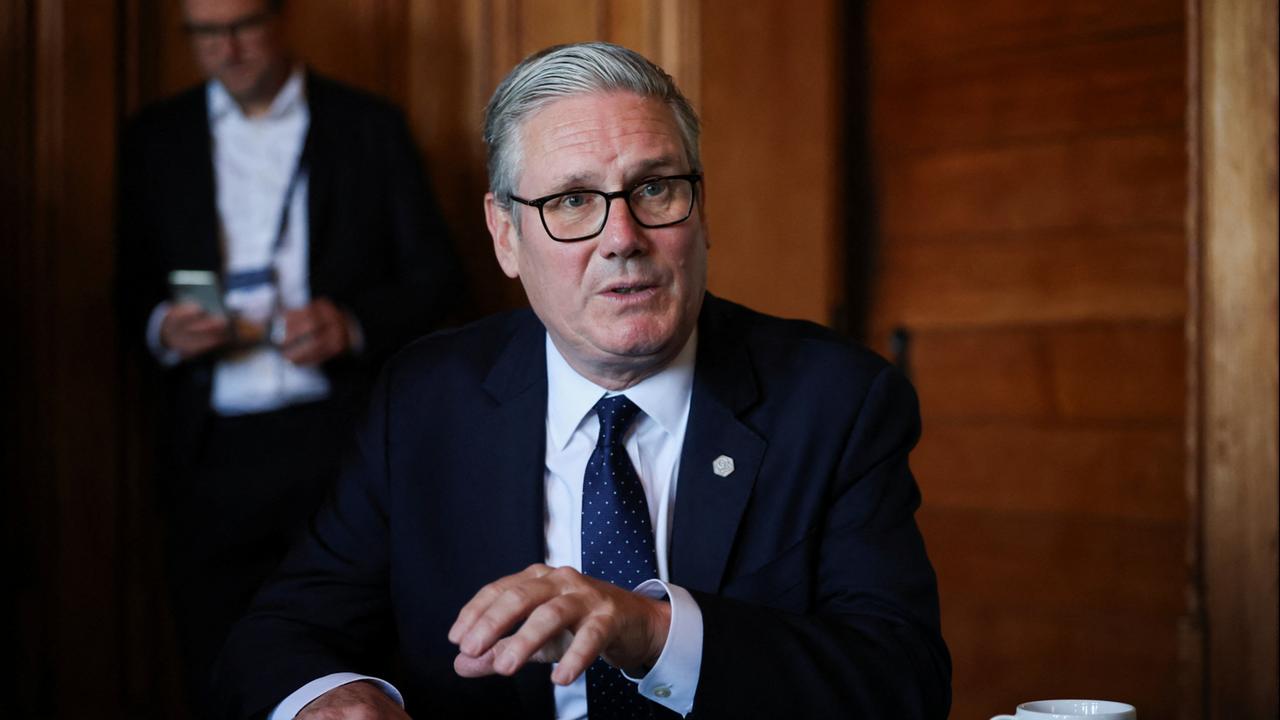
London, UK – June 22, 2026 – The political landscape of the United Kingdom is abuzz with intense speculation surrounding the future of Prime Minister Keir Starmer. For weeks, Starmer has been under considerable pressure, with mounting reports and internal dissent within the Labour Party suggesting that his tenure as Prime Minister may be drawing to a dramatic close. While official statements remain cautious, a significant chorus of media outlets and political figures indicate that an announcement regarding his resignation could be imminent, potentially as early as today.
The prevailing narrative, amplified by influential publications like The Times and The Observer, points towards a potential resignation announcement from the Labour leader. These reports suggest that Starmer might unveil a timeline for his departure from Number 10 Downing Street, bringing an end to his nearly two-year premiership. The uncertainty surrounding his decision, however, leaves the nation on tenterhooks, with various scenarios being debated within Westminster and across the country.
The Shifting Sands of Power: Unpacking the Pressure on Starmer
The current political climate surrounding Prime Minister Keir Starmer is characterized by a palpable sense of unease and anticipation. Reports from a variety of reputable sources indicate that the Labour leader is facing significant internal pressure, with key figures within his own party urging him to step down. This pressure, it appears, has reached a critical juncture, leading to widespread speculation about an imminent resignation.
The Times newspaper, a bastion of British political reporting, has suggested that Starmer might use today as the day to announce a plan for his departure. This report, if accurate, would signal a decisive moment in British politics, marking the end of a chapter for the Labour Party and potentially ushering in a new era.
Adding further weight to these claims, The Observer, a prominent Sunday newspaper, has gone even further, headlining that Starmer is expected to declare his resignation today. This bold assertion suggests that sources within the party are confident that a decision has been made, and an announcement is merely a matter of timing. The implication is that the political maneuvering and internal discussions have reached a point where a public statement is the logical next step.
Internal Dissent and Key Figures: Whispers from Within the Cabinet
The pressure on Starmer is not confined to external media speculation; it appears to be emanating from within the very heart of his government. Sky News has reported that Yvette Cooper, the Foreign Secretary, is among the highest-ranking ministers who have reportedly urged the Prime Minister to resign. Cooper’s position, as a senior figure in the cabinet, lends significant credence to the reports of internal pressure. Her alleged intervention suggests a deep division within the government, with influential voices believing that a change in leadership is necessary.
The involvement of a minister as prominent as the Foreign Secretary in such discussions underscores the severity of the situation. It signals that the concerns are not merely about policy disagreements but about the fundamental leadership of the party and the country. The willingness of such a figure to reportedly call for resignation indicates a belief that the current leadership is no longer tenable.
The Prime Minister’s Silence and Conflicting Signals
Despite the intensifying reports, Prime Minister Starmer himself has remained conspicuously silent on the matter. This reticence has only served to fuel further speculation and uncertainty. While the media landscape is rife with pronouncements of his impending departure, the lack of an official statement from Number 10 leaves open the possibility that Starmer may choose to defy the internal pressure and remain in office.
The BBC, a trusted source for news and analysis, has reported that "Starmer is considering his political future." This phrasing suggests that while the possibility of resignation is on the table, it is not yet a foregone conclusion. The nuance in the BBC’s reporting highlights the delicate balancing act the Prime Minister is reportedly engaged in, weighing the various pressures and potential consequences of his decisions.
Adding a personal dimension to the narrative, the German news agency dpa has reported that Starmer’s wife, Victoria, allegedly encouraged him over the weekend to continue fighting and not to step down. This detail, if accurate, offers a glimpse into the personal deliberations that may be influencing the Prime Minister’s decision-making process. It suggests that the pressures are not solely political but also deeply personal, involving the support and counsel of his closest confidante.
The Specter of a Leadership Challenge: Burnham’s Shadow
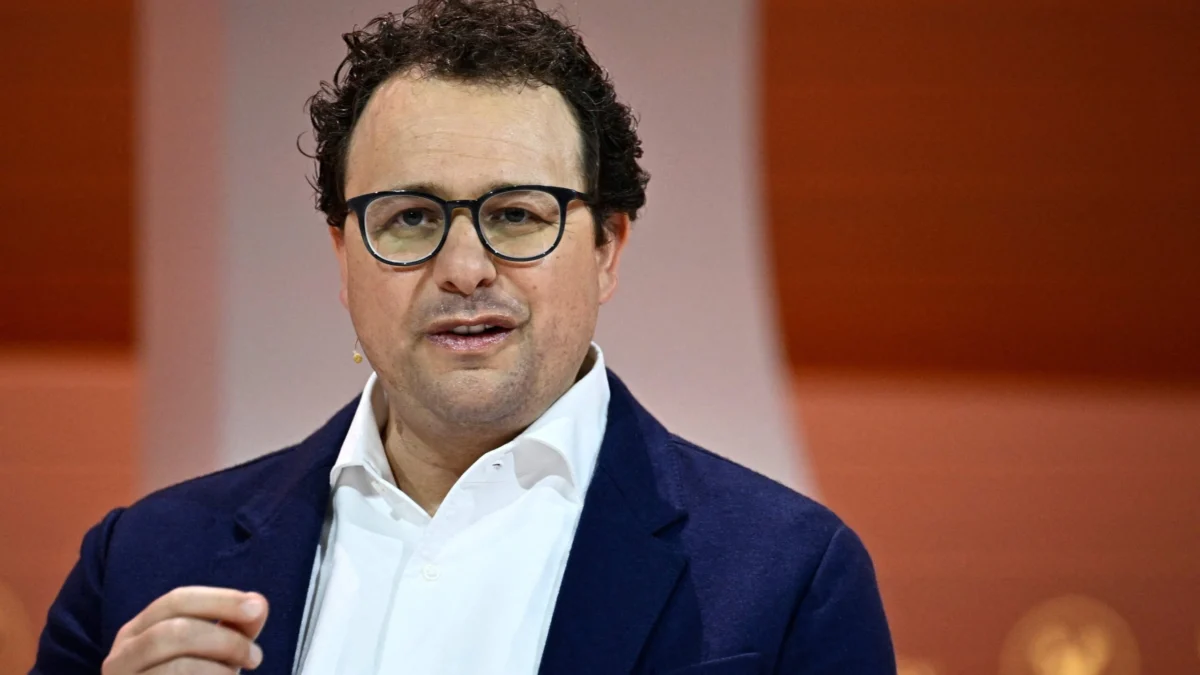
The potential resignation of Prime Minister Starmer opens the door to a potential leadership contest within the Labour Party. One name that has been consistently mentioned in this context is Andy Burnham, the current Mayor of Greater Manchester. Burnham, who has previously vied for the Labour leadership, is seen by many as a natural successor should Starmer step aside.
The ARD correspondent Christoph Prössl has put forward another plausible scenario: Starmer might announce today that he intends to remain in office until September. This move, Prössl suggests, could be a strategic decision aimed at facilitating an orderly transition of power. By setting a clear timeline for his departure, Starmer could provide a period of stability, allowing potential successors to prepare and for the party to coalesce around a new leader without the immediate chaos of an abrupt vacancy. This scenario acknowledges the pressure while attempting to mitigate the disruptive impact of a sudden resignation.
Furthermore, reports indicate that several ministers and Members of Parliament have been actively pressing Starmer to step down. The team of his internal rival, Andy Burnham, reportedly stated on Friday that they were giving Starmer the weekend to reconsider his position and expressed hope for an orderly transfer of power. This statement from Burnham’s camp is a clear signal of their readiness to step into the breach should the opportunity arise, and it highlights the internal dynamics at play within the Labour Party.
Voices from the Frontlines: Ministers and Allies Speak Out
The sentiment that the current leadership may be nearing its end is echoed by figures close to the party’s operations. Former minister Jess Phillips, speaking to the BBC, conveyed a sense of reaching a critical juncture. She expressed her belief that Starmer’s withdrawal should be handled with as much dignity as possible, implying that a resignation is the most likely and appropriate outcome. Her words suggest a widespread acceptance within certain circles of the Labour Party that a change in leadership is inevitable.
In contrast, Business Secretary Peter Kyle offered a more resolute perspective. He stated that there is no reason to believe that Starmer’s firm stance has changed. Kyle, who spoke with the Prime Minister on Friday, emphasized that any decision Starmer makes will be "in the best interests of the country." This statement, while supportive, can also be interpreted as a subtle acknowledgment of the intense scrutiny and pressure the Prime Minister is under. It suggests that the Prime Minister is actively considering the broader implications of his actions for the nation.
The Unsolicited Opinion: Donald Trump’s Intervention
Adding an unexpected and characteristically provocative element to the unfolding situation, former U.S. President Donald Trump took to his social media platform, Truth Social, to declare that Starmer "will resign." Whether Trump’s assertion is based on concrete intelligence or is a calculated attempt to inject himself into the British political discourse remains open to interpretation. It is worth noting that Starmer has been a vocal critic of Trump in the past, and this intervention could be seen as a retaliatory or attention-seeking move.
Trump’s public pronouncement, while potentially inflammatory, underscores the international attention being paid to the internal affairs of the UK government. It also serves as a reminder of the complex and often intertwined nature of global politics, where domestic leadership changes can attract commentary from prominent international figures.
The Road Ahead: Implications for the Labour Party and the Nation
The potential resignation of Keir Starmer carries significant implications for the Labour Party and the United Kingdom. Internally, it could trigger a leadership contest, forcing the party to navigate a period of uncertainty and potential division. The outcome of such a contest could reshape the Labour Party’s policy direction and its appeal to the electorate.
Externally, a change in Prime Minister would undoubtedly impact the UK’s political stability and its standing on the international stage. The ability of any new leader to command the confidence of Parliament and the nation will be crucial in navigating the myriad challenges facing the country, from economic recovery to ongoing geopolitical tensions.
As the day unfolds, the nation will be keenly watching for any official pronouncements from Downing Street. The coming hours are likely to be decisive in determining the immediate future of Prime Minister Keir Starmer and, by extension, the direction of the United Kingdom. The political currents are strong, and the outcome of this period of intense pressure will undoubtedly leave a lasting mark on British political history.