By Financial News Desk
October 1, 2026
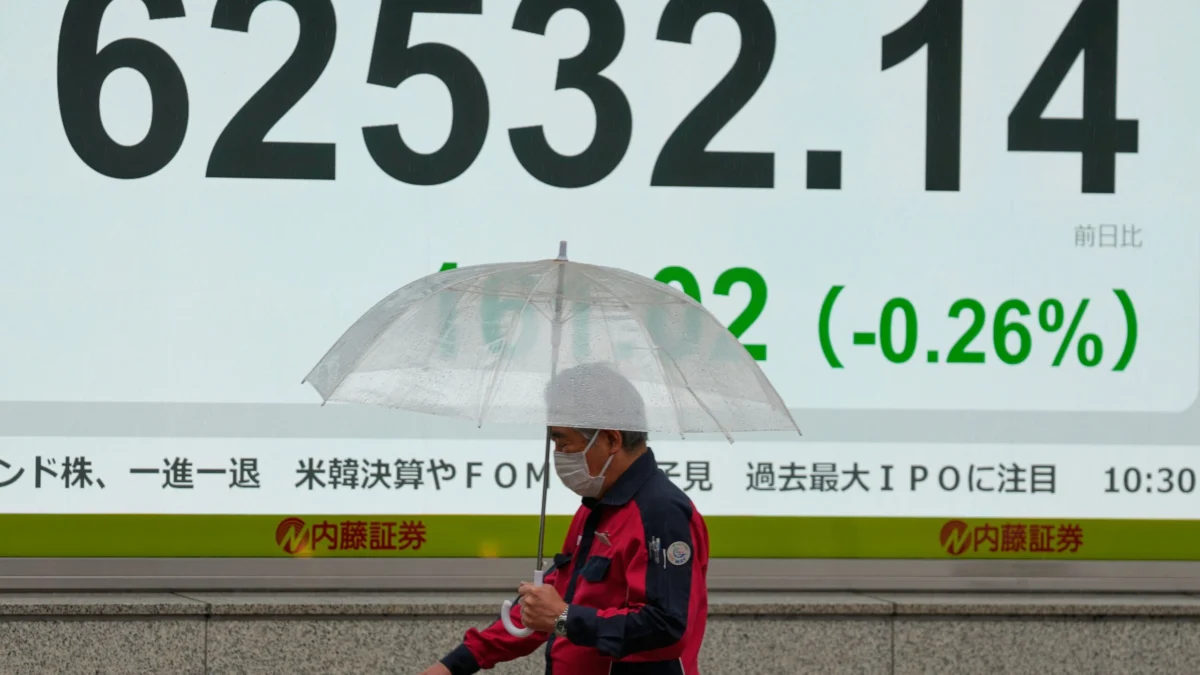
The defense landscape is currently defined by a paradox: while global geopolitical instability has fueled unprecedented demand for military hardware, the financial markets—the engines that power the expansion of these defense giants—remain skittish. KNDS, the Franco-German powerhouse responsible for the iconic Leopard 2A7V main battle tank, has once again signaled its intent to go public. Following the abrupt cancellation of a long-anticipated Initial Public Offering (IPO) scheduled for July, KNDS leadership is now signaling that a market debut remains on the table, potentially even before the close of 2026.
The Strategic Pivot: Reaffirming the Path to the Stock Exchange
The message from the executive suite at KNDS is clear: the delay was a tactical postponement, not a strategic retreat. Jean-Paul Alary, CEO of KNDS, addressed the company’s position in a recent interview with Handelsblatt, emphasizing that while the desire to list remains, the firm is beholden to the temperament of the markets.
"A 2026 IPO remains a viable path, provided that current market conditions align with the expectations of our shareholders," Alary stated. He noted that the environment has been anything but stable, with the defense sector experiencing a "special economic cycle" characterized by skyrocketing demand from EU and NATO member states. However, this tailwind in production has not translated into a seamless transition to the public markets.
Chronology of a Postponed Debut
To understand the current hesitation, one must look at the timeline of the last twelve months:
- Late 2025 – Early 2026: KNDS, buoyed by massive orders for the Leopard 2 and Caesar self-propelled howitzers, begins preliminary preparations for an IPO. The sentiment in the defense sector is at an all-time high.
- July 2026: The planned IPO window. Just as the launch date approaches, KNDS management abruptly halts the process. The stated reason: shifting market conditions and a sudden cooling of investor appetite for defense equities.
- August – September 2026: Market volatility increases. Profit-taking begins to weigh on defense stocks across Europe. Political uncertainty, including the cancellation of major naval projects like the German F126 frigate program, spooks investors who fear a lack of long-term budgetary consistency.
- October 1, 2026: CEO Jean-Paul Alary confirms the company is still actively monitoring the markets for a potential year-end entry, while simultaneously focusing on internal growth and industrial partnerships.
The "Special Economic Cycle" and Market Disconnect
The irony of the situation lies in the disconnect between the company’s order books and its market valuation. Defense companies have seen record revenue growth. KNDS itself is projecting a robust 30 percent increase in total revenue for the 2026 fiscal year. Yet, the broader sector is suffering from a "correction" phase.
Investors who poured capital into defense firms during the initial surge following geopolitical shifts are now exercising caution. Profit-taking has become the dominant trend. Furthermore, the German defense industry is facing specific headwinds. Rheinmetall, Germany’s largest defense contractor, serves as a cautionary tale; its stock has shed more than 50 percent of its value since hitting a record high of approximately €2,000 roughly a year ago.
This volatility suggests that the "easy money" phase for defense stocks has passed, and investors are now applying the same rigorous scrutiny to these firms as they do to traditional tech or industrial companies.
Ownership Structure and Future Governance
A critical element of the proposed IPO is the redistribution of ownership. Currently, KNDS is held in a 50/50 split between the French state and the German Wegmann family.
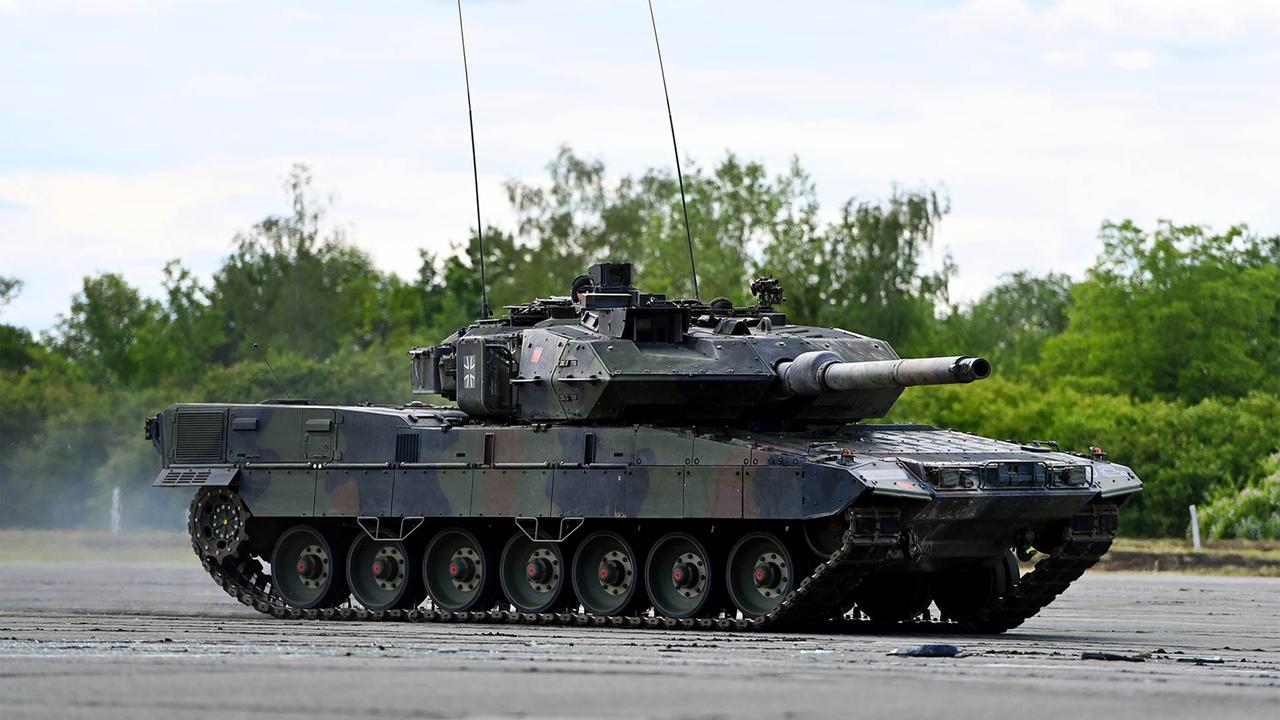
The proposed roadmap for the IPO includes the following structure:
- Public Float: The offering of 20 percent of the company’s shares to the public.
- Retained Interest: The Wegmann family would retain a 40 percent stake, ensuring continuity in the company’s industrial heritage.
- State Participation: The remaining 40 percent would potentially be held or acquired by the German government, further cementing the strategic, government-backed nature of the enterprise.
This structure is designed to reassure investors of the company’s stability while maintaining its character as a cornerstone of European defense sovereignty.
The Global IPO Landscape: A Tale of Two Realities
KNDS is navigating a market environment that is lukewarm toward new listings. According to data from the consultancy EY, the first nine months of 2026 saw only eight IPOs in Germany—a stark contrast to the global pace. Worldwide, 888 companies have gone public, raising approximately $288 billion. While the number of deals is down 4 percent year-over-year, the total volume of capital raised has more than doubled.
This surge in capital volume is driven by "mega-IPOs," most notably the historic listing of SpaceX in the United States, which raised $86 billion, and the secondary listing of SK-Hynix in the U.S. markets, which brought in $26.5 billion. These successes demonstrate that there is significant appetite for "high-conviction" assets, even if the general market is characterized by caution.
The Road Ahead: Risks and Opportunities
As KNDS weighs its options for the final quarter of 2026, analysts point to several external factors that could influence the decision:
- The US Economic Outlook: Any signs of a cooling U.S. economy act as a dampener on global risk appetite, impacting IPO sentiment.
- The U.S. Midterms: Upcoming political shifts in the United States are creating a "wait-and-see" environment for international investors.
- Interest Rates and Bond Yields: Rising yields on government bonds continue to compete with equity markets for capital, making it more expensive for companies to launch successful IPOs.
- Geopolitical Instability: While the war in the Middle East and ongoing European security concerns drive demand for products, they also increase the "risk premium" that investors demand before buying into defense-related stocks.
Expert Perspective: Cautious Optimism
Martin Steinbach of EY remains cautiously optimistic about the final quarter of 2026. "The IPO pipeline is well-filled, both internationally and in Germany," Steinbach noted. However, he cautioned that timing and valuation are the two variables that will make or break any deal.
"Companies looking to go public must be prepared for a market that is no longer rewarding hype," Steinbach added. "Investors are looking for disciplined growth, clear cash-flow generation, and a convincing story about how the company will maintain its edge in a post-conflict, high-tech military environment."
Conclusion: A Strategic Waiting Game
For KNDS, the decision to go public is not merely a financial transaction; it is a declaration of industrial permanence. By maintaining the possibility of an IPO in 2026, KNDS is signaling to its competitors, its government partners, and its potential future shareholders that it is ready to scale.
Whether the markets will provide the stable footing required for such a move remains the central question. As the DAX fluctuates near the 25,000-point mark and investors grapple with the complexities of the current macroeconomic environment, KNDS finds itself in the position of many great military strategists: waiting for the right moment to advance. With a 30 percent growth projection and a firm grip on the European tank market, the company is well-positioned to wait out the volatility until the environment is ripe for a successful debut.