


The Euroleague campaign for FC Bayern Munich has hit a turbulent patch. Following a demoralizing 107-91 defeat to the ambitious Dubai Basketball project, the German powerhouse finds itself languishing in the lower third of the standings, leaving head coach Anton Gavel with more questions than answers.
The Core Narrative: A Defensive Collapse
In the high-stakes environment of the Euroleague, momentum is often the difference between a championship run and a desperate scramble for position. For FC Bayern Munich, that momentum has been elusive. On a night where the home crowd expected a spirited response to recent setbacks, the team instead delivered a performance defined by sluggish starts and defensive vulnerability.
The 107-91 loss to Dubai Basketball serves as a sobering reminder of the gap that currently exists between Bayern and the league’s most clinical offensive units. By conceding 63 points in the first half alone, Bayern effectively surrendered the game before the intermission, leaving them to chase a deficit that proved insurmountable. With a record of two wins and five losses, the team is now at a critical juncture, facing the reality that their current form is insufficient for a deep European run.
Chronology of the Collapse: How the Game Unfolded
The First Half: A Defensive Vacuum
From the opening tip-off, it was evident that the Bayern defensive structure was failing to contain the speed and physicality of the visitors. Dubai Basketball, an organization built with aggressive recruitment and a heavy emphasis on high-level talent, exploited the gaps in Bayern’s transition defense.
By the end of the first quarter, the defensive lapses were already apparent. However, the true damage occurred in the second frame. Bayern’s players looked disjointed, often failing to rotate on screens or provide help-side defense against cutters. The result was a 63-36 halftime scoreline—a deficit so significant that it turned the second half into a damage-limitation exercise rather than a competitive contest.
The Second Half: Too Little, Too Late
To their credit, the squad under Anton Gavel showed signs of life after the break. Winning the third quarter provided a brief glimmer of hope, suggesting that the team had the offensive capacity to compete when they played with discipline. Duane Washington emerged as a focal point, displaying individual brilliance to finish with a team-high 17 points.
Despite this offensive resurgence, the structural issues remained. Every time Bayern attempted to build a run, Dubai responded with cold-blooded efficiency. The visitors managed the clock effectively, ensuring that Bayern never got close enough to trigger genuine tension in the final minutes.
Supporting Data: The Anatomy of a Defeat
The statistics from the game paint a damning picture of Bayern’s defensive integrity. Allowing 107 points in a standard 40-minute Euroleague game is a metric that almost guarantees a loss.
- The Kabengele Factor: Mfiondu Kabengele was the architect of Bayern’s misery. The center operated with relative ease in the paint, finishing as the game’s top scorer with 24 points. His ability to draw fouls and convert high-percentage shots disrupted Bayern’s game plan entirely.
- NBA-Caliber Threat: The presence of Davis Bertans added another layer of complexity for the German defense. Known for his lethal perimeter shooting, Bertans commanded the attention of the defense, creating space for his teammates. Even when he was not scoring, his gravity on the court stretched the Bayern defense, facilitating the success of players like Kabengele.
- The Turnover Battle: Dubai’s defensive pressure was unrelenting. By forcing turnovers early in the possession, they prevented Bayern from setting up their offense, leading to a frantic, disorganized style of play that suited the visitors’ athleticism.
Official Responses and Tactical Reflection
Head coach Anton Gavel has not shied away from the gravity of the situation. In the lead-up to the game, Gavel emphasized the need for his players to rise to the occasion, particularly against opponents who appear stronger on paper.
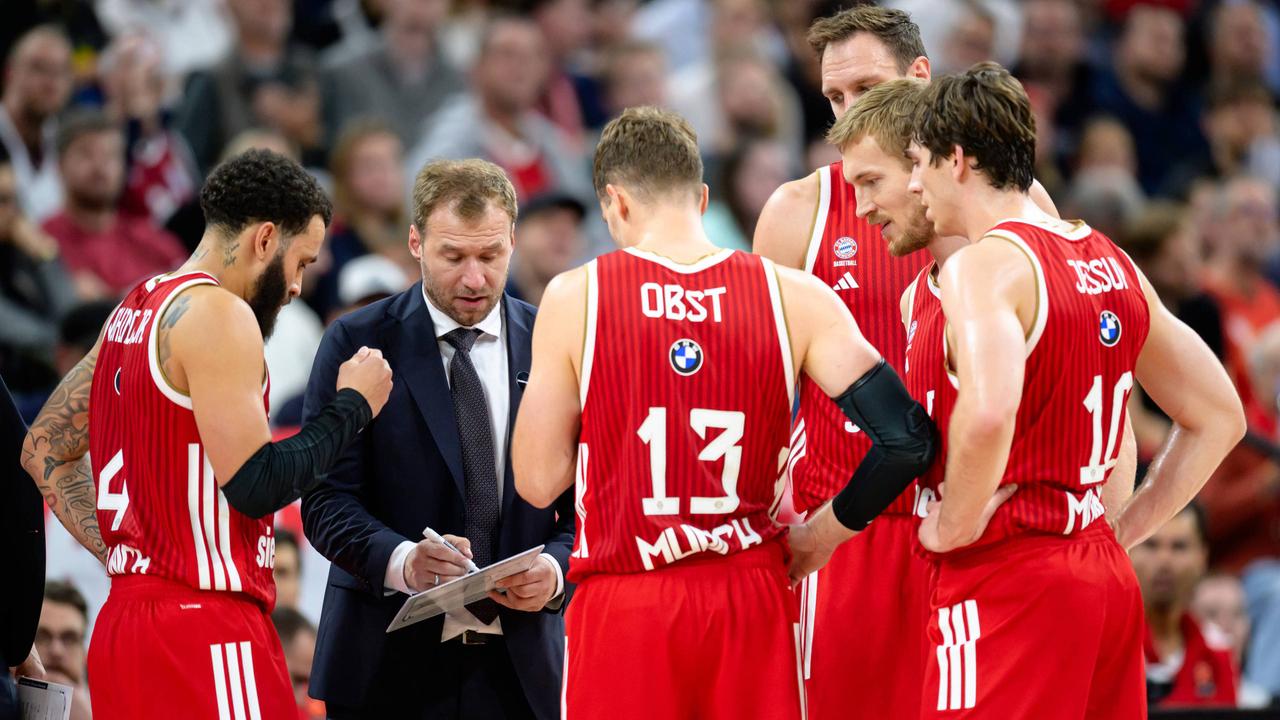
"We knew the task at hand," Gavel noted in the post-match press conference. "We asked for a performance that would challenge the status quo, but we failed to execute the fundamentals. When you allow a team to dictate the tempo and score with such ease in the first half, you are not just playing against the opponent; you are playing against your own lack of focus."
Gavel’s frustration stems from the disconnect between the team’s training ground intensity and their actual output on the hardwood. "We have to deliver against teams with high-caliber rosters. We cannot afford to ‘sleep’ through the first half. It is a mental hurdle we must clear, and we must do it quickly."
Implications: The Road Ahead
The road ahead for FC Bayern Munich does not get any easier. With a 2-5 record, the team is sliding toward the bottom of the table, making every subsequent game feel like a must-win scenario. The upcoming fixture against the FC Barcelona juggernaut is a daunting test that will reveal whether the team can integrate these lessons or if they are headed for a prolonged slump.
The Challenge of Modern Euroleague
The rise of clubs like Dubai Basketball underscores the changing landscape of European basketball. The influx of former NBA talent and high-budget rosters has raised the bar for domestic champions. For Bayern, this presents an existential challenge: how to remain competitive in a league that is increasingly defined by raw athleticism and deep rosters of international veterans.
Tactical Adjustments Required
To salvage the season, the coaching staff will likely need to focus on several key areas:
- Defensive Rebounding: Allowing second-chance points has been a recurring theme that keeps opponents in the game.
- Consistency in Rotation: The drop-off in energy when the second unit enters the game must be addressed.
- Mental Resilience: The tendency to "switch off" in the first half is a psychological issue that requires immediate attention from the sports psychology and coaching staff.
Conclusion: A Season at the Crossroads
The loss to Dubai Basketball is more than just a notch in the loss column; it is a signal that the current trajectory is unsustainable. While the flashes of brilliance from players like Duane Washington offer hope, they are currently overshadowed by systemic failures.
As the team prepares for the journey to Spain to face FC Barcelona, the mood within the organization is undoubtedly somber. However, in the world of professional sports, time is the only luxury one is rarely afforded. The players, the staff, and the management know that the next few weeks will define the remainder of their campaign. Whether they can bridge the gap between their potential and their performance remains the defining question of Bayern’s season.
The fans, who have been steadfast in their support, will be looking for a response that demonstrates the grit and determination associated with the Bayern crest. For Anton Gavel, the pressure is mounting, but the path to redemption is clear: return to the basics, enforce defensive accountability, and find a way to make every quarter count. The Euroleague waits for no one, and for FC Bayern Munich, the time to stand up and deliver is now.



