In a significant development for Germany’s industrial landscape, the future of the Northvolt battery project in Heide, Schleswig-Holstein, appears to have been settled. According to reports from Der Spiegel and corroborating information obtained by the German Press Agency (dpa), the US-based lithium-sulfur battery start-up, Lyten, has reached a preliminary agreement to acquire the assets of the insolvent Swedish manufacturer’s German subsidiary. The agreed-upon price is approximately 60 million euros, a fraction of the original investment scope envisioned by the Scandinavian firm.
The deal marks a pivotal turning point for a site that was once heralded as the cornerstone of Europe’s push for battery sovereignty. While official confirmation from the stakeholders—including the German federal government, the state of Schleswig-Holstein, and the state-owned development bank KfW—remains pending, the gears of bureaucracy are already turning to finalize the transition.
The Chronology of an Industrial Pivot
The story of the Heide battery gigafactory is one of high ambition meeting the harsh realities of global market volatility.
The Northvolt Era: Grand Ambitions
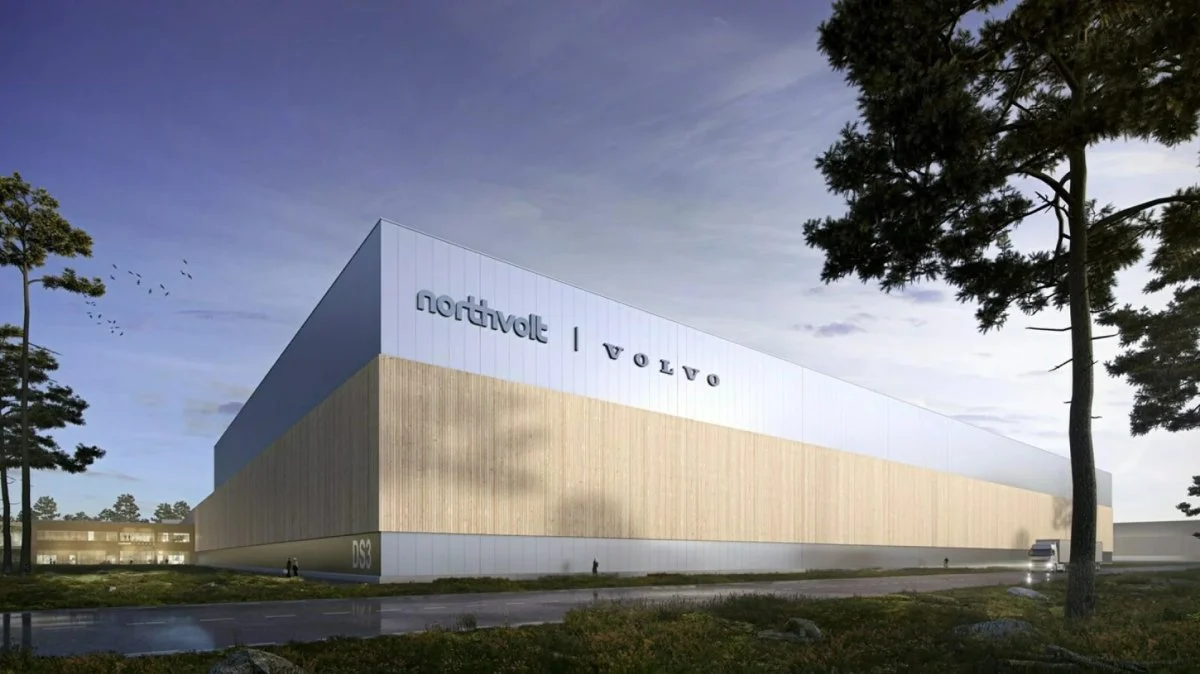
In 2022, Swedish battery giant Northvolt announced plans to build "Northvolt Drei," a massive facility in Heide. The project was framed as a strategic necessity to reduce European dependence on Asian battery manufacturers. Backed by the promise of thousands of jobs and a green energy hub, the project received significant political support. The German federal government and the state of Schleswig-Holstein provided substantial financial backing, including a convertible loan of approximately 600 million euros issued by the KfW.
The Insolvency Crisis
By 2024, the narrative shifted. Northvolt, struggling with production scaling issues and a cooling electric vehicle (EV) market in Europe, filed for insolvency in Sweden. The uncertainty immediately cast a shadow over the German project. While the Heide site was initially insulated from the direct effects of the Swedish insolvency proceedings, the halt in construction and the withdrawal of Northvolt’s capital commitments left the site in limbo.
The Emergence of Lyten
Enter Lyten, a Silicon Valley-based technology company specializing in lithium-sulfur (Li-S) battery technology. Unlike traditional lithium-ion batteries, Lyten’s technology utilizes sulfur, a more abundant and cheaper material, aiming to provide higher energy density and a smaller carbon footprint. The company signaled its intent to acquire the Northvolt assets in late 2024, viewing the Heide site as an ideal bridgehead for its European expansion.
Supporting Data and Financial Implications
The financial architecture of the Northvolt failure is complex, involving both public taxpayer money and private equity risks.
The Cost of Withdrawal
The KfW’s 600-million-euro convertible loan was secured by federal and state guarantees, split equally between Berlin and Kiel. As the insolvency unfolded, the total potential exposure for the state of Schleswig-Holstein was estimated to exceed 200 million euros.
The acquisition by Lyten serves as a vital "damage control" mechanism. Through the liquidation and sale of the German assets, the federal and state governments were able to secure approximately 153 million euros in recoverable funds. While this mitigates the total loss, the state still faces a significant shortfall, which will be further reduced by the 60-million-euro proceeds from the land sale to Lyten.
Employment Projections: A Shift in Scale
One of the most notable aspects of the Lyten proposal is the revision of employment targets. Northvolt had originally promised to create approximately 3,000 high-skilled jobs in the region. Lyten’s current plans, however, focus on a more streamlined operation, projecting around 1,000 jobs. This shift reflects a move toward more automated, specialized production processes and a different business model, focusing not just on battery cell manufacturing, but also on integrated battery storage systems and data centers.
Official Responses and Political Maneuvering
The deal is currently in the delicate phase of "due diligence" and final political approval.
"The state government remains in constructive discussions with Lyten," a spokesperson for the Schleswig-Holstein Ministry of Economics stated earlier this week. The silence from the government regarding specific contract details is a standard procedural buffer, as both the state cabinet and two parliamentary committees are scheduled to review the terms in the coming days.
The political sensitivity of this deal cannot be overstated. With an election cycle on the horizon and the pressure to deliver results on green industrial policy, the regional government is keen to ensure that the site does not become a permanent "brownfield" monument to failed economic planning. By facilitating the entry of a US tech firm, the state hopes to salvage the region’s reputation as an attractive destination for high-tech manufacturing.
Strategic Implications: Why Lyten?
Lyten’s interest in Germany is not purely coincidental. The company has been aggressively seeking to localize its supply chain to comply with the European Union’s emerging regulations on battery production, which favor low-carbon, localized manufacturing.
Technology Diversification
Lyten’s lithium-sulfur technology represents a departure from the standard NMC (Nickel Manganese Cobalt) chemistries used by Northvolt. By integrating a battery storage facility and a data center into the Heide site, Lyten is proposing a "Circular Energy Hub." This model is designed to optimize energy usage and potentially provide grid-balancing services to the local North German power grid, which is heavily reliant on wind energy.
A Test Case for "Green Industrial Policy"
The transition from Northvolt to Lyten serves as a test case for how European governments handle the "death" of an industrial project. Rather than letting the site sit idle, the government’s willingness to facilitate a rapid transfer to a new player shows a shift toward pragmatism. It acknowledges that while individual companies may fail, the underlying infrastructure and the strategic importance of domestic battery production remain priorities.
Challenges Ahead
Despite the optimism surrounding the deal, significant hurdles remain:
- Regulatory Approval: The European Union’s competition authorities may scrutinize the deal to ensure that state aid provided during the Northvolt era does not unfairly subsidize the new venture under Lyten.
- Infrastructure Readiness: The Heide site, while prepped for construction, still requires significant grid upgrades to support the energy-intensive nature of both battery production and large-scale data centers.
- Community Buy-in: The local population, initially sold on 3,000 jobs, may need to be convinced that 1,000 high-tech jobs and a restructured facility represent a comparable value for the region’s long-term economic development.
Conclusion
The agreement between Lyten and the German authorities marks the end of a turbulent chapter for the Heide gigafactory. While the loss of the original Northvolt vision is a stinging blow to the local economy and taxpayers, the entry of a company like Lyten offers a potential path forward. By focusing on next-generation battery technology and integrating data infrastructure, the project may yet fulfill its promise as a cornerstone of the green energy transition.
As the cabinet in Schleswig-Holstein prepares to deliberate next week, the eyes of the European energy sector will be fixed on Heide. The story of this site—from Swedish industrial dreams to American technological pivot—is a microcosm of the challenges facing Europe as it attempts to build a resilient, independent, and high-tech industrial base in a volatile global economy. If successful, this deal could serve as a blueprint for how to pivot away from failed industrial projects without sacrificing the long-term vision of a sustainable future.