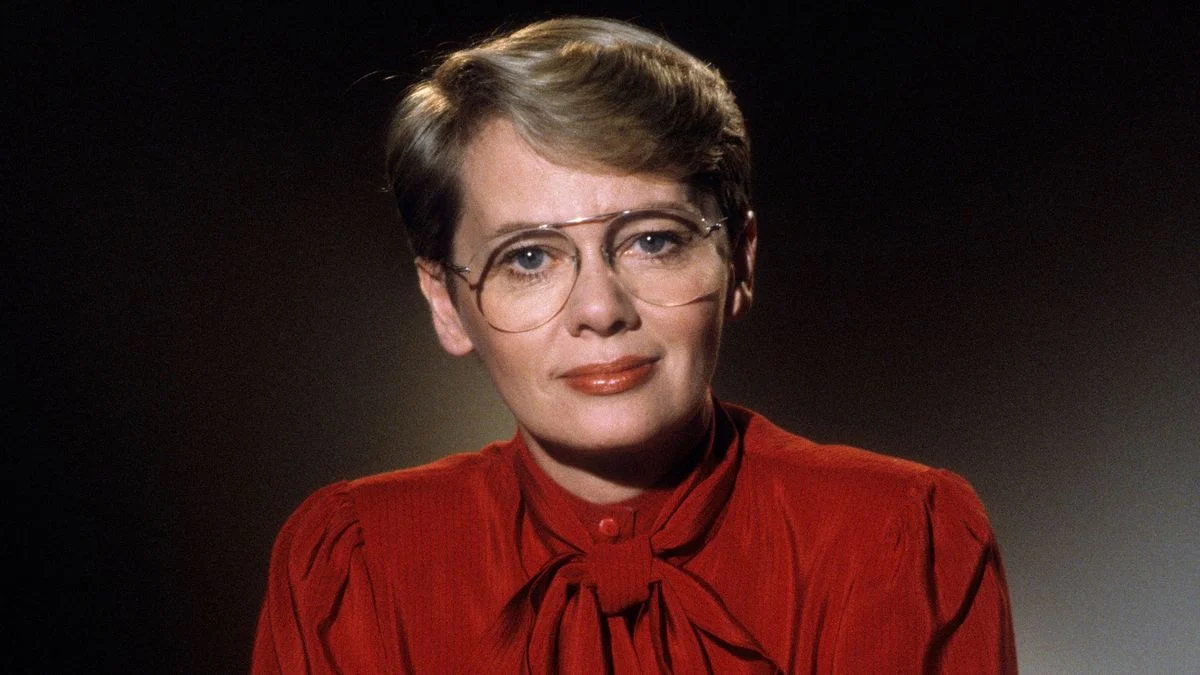
The world of literature has lost one of its most prolific and polarizing figures. Jeffrey Archer, the British novelist, former politician, and master of the page-turner, has died at the age of 86. His passing, described by his family as sudden and peaceful, occurs in a moment of poignant irony: his final literary contribution, Adam and Eva, hits bookstores today.
With a career spanning five decades and over 300 million books sold globally, Archer’s life was as dramatic as the thrillers he penned. From the halls of Westminster to the confines of Her Majesty’s prisons, and finally to the pinnacle of global bestseller lists, his journey was defined by an unrelenting drive to reinvent himself.
A Legacy of Page-Turners
Jeffrey Archer was a titan of commercial fiction. He possessed an uncanny ability to craft plots that kept readers glued to the page, often weaving complex narratives of ambition, power, betrayal, and redemption. His breakthrough arrived in 1979 with Kane and Abel, a sweeping multi-generational epic that traced the lives of two men born on the same day in 1906—one a poor Polish immigrant, the other a wealthy Boston Brahmin. The book became a cultural phenomenon, cementing his reputation as a master storyteller.
Critics often noted that while his prose was straightforward, his structural ingenuity was peerless. Archer’s novels were rarely just stories; they were intricate machines of suspense, often drawing from his own experiences in the high-stakes worlds of international finance, global politics, and the British establishment.
Chronology: A Life of Extraordinary Highs and Lows
To understand Jeffrey Archer, one must look at the trajectory of his life, which was marked by stark, cinematic contrasts.
The Early Years and Political Ambition (1940–1974)
Born in London in 1940 and raised in Somerset, Archer’s initial focus was not the typewriter, but the ballot box. He entered politics with a fervor that mirrored his later writing style. In 1969, at just 29, he became the youngest member of the House of Commons, representing the Conservative Party. He was a rising star in the party ranks, seemingly destined for a cabinet position.
The Turning Point: Bankruptcy and Literature (1974–1976)
The trajectory of his life shifted violently in 1974. A disastrous investment in a Canadian company left him on the verge of total financial ruin. Facing bankruptcy, Archer turned to writing as a desperate gamble. The resulting novel, Not a Penny More, Not a Penny Less, was not just a successful debut—it was a lifeline. Its massive success (selling nearly 30 million copies globally) proved that he possessed a unique commercial intuition that transcended the boardroom.
The Thatcher Era and Public Prominence (1985–1990)
By the mid-1980s, Archer had successfully bridged his two worlds. In 1985, Prime Minister Margaret Thatcher appointed him deputy chairman of the Conservative Party. He became a fixture of the British establishment, known for his charm, his sharp suits, and his ability to command a room. However, this period also marked the beginning of his legal and ethical controversies, which would eventually overshadow his political career.
The Fall and the Resurgence (2001–2026)
The most jarring chapter of his life began in 2001, when he was sentenced to four years in prison for perjury and perverting the course of justice. The charges stemmed from a 1987 libel case against the Daily Star, during which he had lied about his alibi.
Rather than ending his career, the prison experience became the foundation for his next creative act. His Prison Diaries provided an intimate, often unflinching look at the British penal system, once again proving his ability to turn personal adversity into compelling narrative content. He returned to the literary stage with renewed vigor, producing the acclaimed Clifton Chronicles and numerous short story collections, maintaining his status as a global bestseller until his final days.

Supporting Data: The Magnitude of His Reach
The sheer scale of Archer’s influence on the publishing industry is staggering.
- Total Sales: Over 300 million copies sold worldwide.
- Global Reach: His works have been translated into more than 33 languages and published in over 95 countries.
- Endurance: Despite legal scandals and critical disparagement, his readership remained loyal for over 40 years.
- Political Tenure: He served as a Member of Parliament for five years and was a life peer in the House of Lords for two decades, up until 2024.
His publisher, HarperCollins, noted that Archer’s commitment to his fans was absolute. He was known for his relentless promotional tours, often traveling across continents to meet readers, sign books, and discuss his process.
Official Responses and Tributes
The news of his death has elicited tributes from across the cultural and political spectrum.
"Jeffrey was a force of nature," said a spokesperson for HarperCollins. "He possessed an unquenchable curiosity and a storyteller’s heart. He lived life with an intensity that few could match, and he viewed his readers as the true companions of his life’s journey."
Gyles Brandreth, a close friend and broadcaster, expressed his shock on social media. "I saw him only this past Sunday," he wrote. "We spent the evening celebrating the launch of Adam and Eva. He was in high spirits, as sharp and witty as ever. The world is much quieter without him."
In the literary community, authors have praised his work ethic. While he was never the "darling" of the literary establishment, he was universally respected for his discipline—a man who treated writing as a professional craft, adhering to strict daily schedules regardless of his personal circumstances.
Implications: The Final Chapter
The release of Adam and Eva on the day following his death adds a layer of solemnity to the book’s reception. Literary analysts suggest that the novel will likely become a historical document of his final creative thoughts. It represents the end of an era for the "blockbuster" era of publishing—a time when authors like Archer could command global attention and reach mass audiences that transcended demographics and borders.
The Debate on His Legacy
Jeffrey Archer’s legacy is undeniably complex. He was a man who straddled the line between high society and the criminal underworld, between political influence and public disgrace. Some critics will inevitably focus on his legal failures and the controversies that marred his tenure in the House of Lords. Others will point to his remarkable ability to recover from near-total social and financial collapse—not once, but twice.
However, the prevailing view is that Archer’s story is a quintessential 20th-century drama. He represented a brand of ambition that was unapologetic, resilient, and deeply flawed. Whether one views him as a master of the narrative form or a controversial public figure, his place in the history of British culture is secure.
As the literary world turns the final page of Adam and Eva, it is clear that Jeffrey Archer’s final trick was perhaps his most poignant: leaving his audience with one last story, even as he departed the stage himself. His life, much like his novels, was defined by the relentless pace of events, leaving behind a legacy that will be analyzed, debated, and—most importantly—read for generations to come.