OBERWIESENTHAL – The mist clinging to the peaks of the Fichtelberg, the highest mountain in the Ore Mountains (Erzgebirge), mirrors the current state of uncertainty surrounding the future of its winter sports infrastructure. For the town of Oberwiesenthal, a decision looming on the horizon is being hailed as a "century project"—a massive investment aimed not only at revitalizing the local ski industry but at ensuring the economic survival of the region as a year-round tourist destination.
The Liftgesellschaft Oberwiesenthal (LGO), under the leadership of the prominent investor family Glaß, has officially presented a proposal to the municipal government. The plan: to form a joint venture between private enterprise and the city to construct a state-of-the-art six-seater chairlift on the "Himmelsleiter" slope. Yet, as the council prepares to deliberate on the proposal this coming Tuesday, the project remains suspended in a delicate state of negotiation, with questions regarding financial liability, risk assessment, and public funding casting long shadows over the ambitious timeline.
Main Facts: The Proposed "Himmelsleiter" Expansion
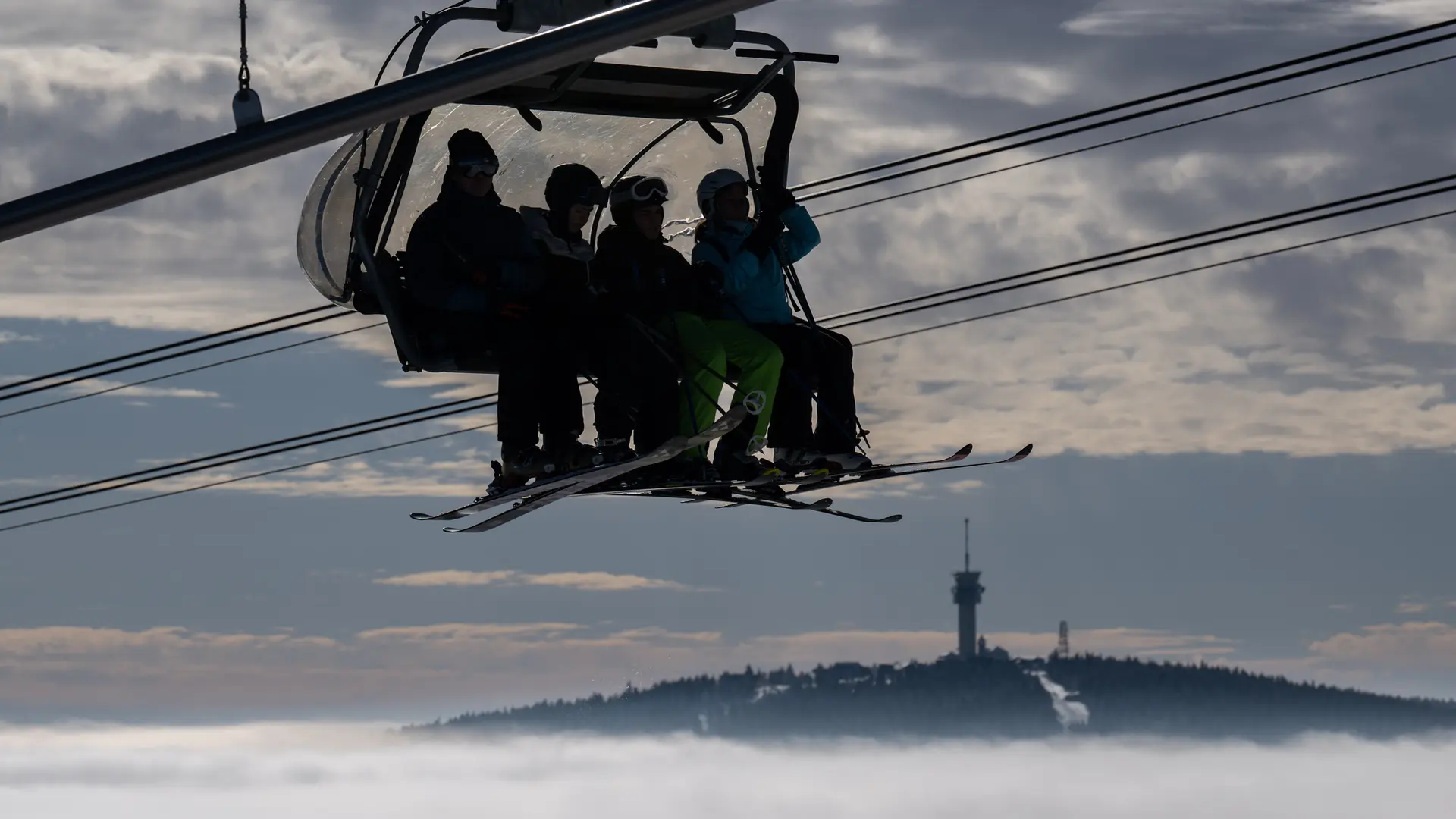
At the core of the proposal is the construction of a modern six-seater chairlift, a project designed to replace aging infrastructure and significantly increase capacity. The LGO has outlined a timeline that targets a construction start in September 2027, with the goal of having the lift operational by the winter season of 2028.
According to Constantin Glaß, managing director of the LGO, the project is intended to be more than a mere convenience for skiers. It is a strategic move to reposition the Fichtelberg for the challenges of climate change and shifting tourism patterns. By investing in modern, high-capacity transport, the resort aims to compete more effectively with neighboring Czech facilities and other European alpine destinations.

However, the proposal comes with significant strings attached. The LGO is pushing for a Public-Private Partnership (PPP) model, arguing that the financial requirements—estimated to be in the double-digit millions—are far too substantial for a private company to shoulder alone. The model envisions a joint operating company, with the LGO contributing its existing infrastructure as its stake, while the city would be expected to facilitate access to substantial government grants and subsidies.
A Chronology of Development
The path to this proposal has been paved with years of gradual modernization and private investment.
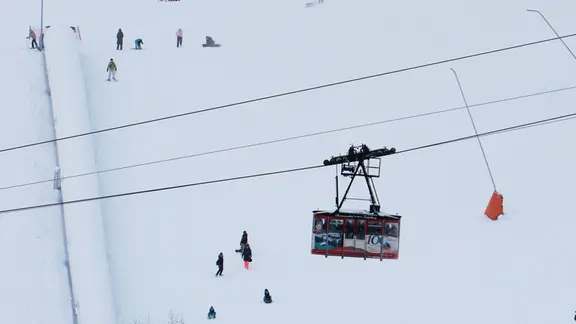
- Pre-2024: The Glaß family established itself as the dominant force in the Fichtelberg tourism sector, acquiring the rights to the existing suspension railway (Schwebebahn), the singular chairlift, the summit hotel, and various recreational attractions such as the "Othal Coaster" and the "Flyline."
- March 2026: A major milestone was reached as the Fichtelberghaus, the landmark summit hotel, underwent a comprehensive, top-to-bottom renovation, setting the stage for a new era of upscale tourism in the region.
- Late Summer 2026: The LGO formally submitted the "Himmelsleiter" plan to the town council.
- September 2026: Intensive back-room discussions regarding the legal and financial framework of a potential joint venture took place.
- Upcoming Tuesday: The municipal council of Oberwiesenthal is scheduled to convene to vote on the partnership, a session expected to define the trajectory of regional tourism for the next thirty years.
Supporting Data and Strategic Rationale
Why is a six-seater lift considered a "century project"? The answer lies in the demographic and economic shifts currently facing the Erzgebirge region.
Tourism experts note that single-day visitors are becoming less frequent, replaced by tourists who demand high-quality, seamless experiences. The current bottleneck at the older lifts during peak weekends and holidays has long been a point of friction, leading to lost revenue and customer dissatisfaction.
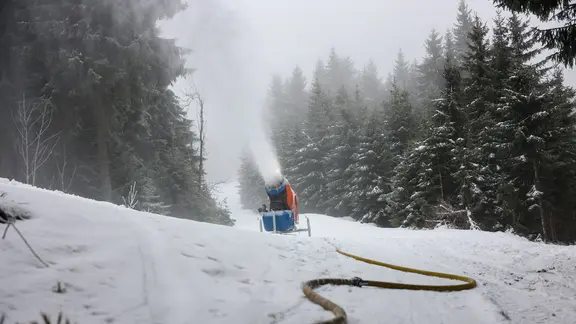
The LGO’s strategic plan includes not just the lift, but the necessary supporting infrastructure: a sophisticated snow-making system and a reservoir to manage water resources—a critical necessity in an era where natural snowfall is increasingly erratic. The investment, totaling over 20 million euros in previous years, highlights the Glaß family’s commitment, but also underscores the risk. A modern chairlift is a high-CAPEX (Capital Expenditure) item, and the return on investment depends entirely on consistent operational capacity and the ability to attract high-volume visitor traffic throughout the year.
Official Responses and the "Veil of Secrecy"
The transparency of this process has become a major point of contention. While Constantin Glaß has been vocal about the project’s benefits, he has been notably reticent regarding the specific details of the financial risk assessments.

When questioned by local media and concerned citizens about the specific liabilities the city would incur in a joint venture, the LGO provided only vague assurances. Detailed technical and legal reports, which supposedly contain the roadmap for how the project will handle potential bankruptcy risks, cost overruns, and the technicalities of the multi-million euro subsidies, are currently being held under wraps.
"The municipality is being asked to enter into a marriage of convenience," says one local observer familiar with the council proceedings. "The fear is that the city is being asked to provide the credit-worthiness, while the private partner manages the daily operations. If something goes wrong, the taxpayer may be left holding the bill."
The lack of public disclosure regarding these documents has prompted criticism from transparency advocates who argue that a project of this magnitude requires a full public audit before a single vote is cast.
The Implications: A Town at a Crossroads
The decision facing the Oberwiesenthal city council is not merely about a ski lift; it is a fundamental choice about the town’s identity and its fiscal future.
The Case for the Project
Proponents argue that if Oberwiesenthal stands still, it will effectively die. Without significant upgrades to its infrastructure, the resort will continue to lose market share to larger, more modern resorts in the Czech Republic and beyond. A joint venture, they argue, is the only way to tap into federal and state funds that are otherwise inaccessible to private firms. By creating a modern, year-round hub, the town can stabilize its local economy, retain its youth, and ensure that the "Fichtelberg" brand remains synonymous with world-class mountain recreation.
The Risks and Challenges
Conversely, the risks are stark. The "double-digit million" cost creates a heavy debt burden for a small municipality. If the projected visitor numbers do not materialize—due to poor snow years, economic downturns, or global health crises—the city’s share of the liability could be catastrophic. Furthermore, the reliance on a single, dominant investor family raises concerns about market competition and democratic oversight. Critics worry that by binding the city to the LGO, the municipal government is effectively privatizing its future, losing the ability to pivot if the market for winter sports collapses.
Environmental and Social Considerations
Beyond the ledger sheets, there is the question of the mountain itself. Expansion into the Himmelsleiter area requires careful environmental planning. The construction of a reservoir and the expansion of slopes inevitably disrupt local ecosystems. The town must balance the economic imperative of tourism with the preservation of the very natural beauty that attracts visitors in the first place.
Looking Ahead: The Tuesday Vote
As the town of Oberwiesenthal approaches Tuesday’s decisive session, the atmosphere is one of tense anticipation. The council members are faced with the most difficult decision in recent local history.
If they vote "yes," they are betting the town’s future on the growth of the tourism sector and the success of a complex, long-term partnership. If they vote "no," they risk stagnation and the potential decline of the town’s most vital industry.
For the Glaß family, the project represents the culmination of a vision to transform the mountain into a modern, year-round destination. For the residents, it is a question of whether the promised prosperity is worth the risk of public exposure to corporate debt.
Whatever the outcome, the events of this week will be remembered as the moment Oberwiesenthal decided whether to cling to the status quo or to gamble on a new, high-altitude future. The lifts may be suspended in a "schwebendes Verfahren" (a pending or hovering procedure) for now, but come Tuesday, the town will finally have to decide which way the wind blows.
Note: This article is based on ongoing developments in the Oberwiesenthal municipal sector and follows local reports regarding the infrastructure expansion proposals of the Liftgesellschaft Oberwiesenthal.