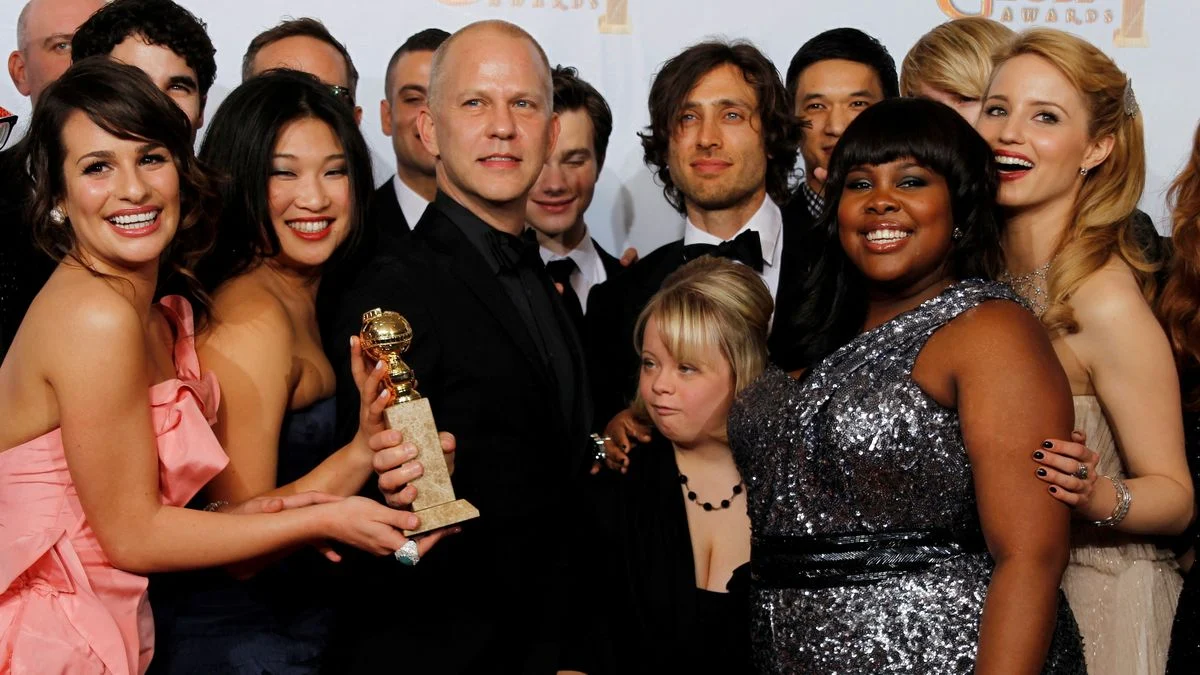
The corridors of William McKinley High School may soon echo with the sounds of New Directions once again. According to reports from the industry trade publication Variety, whispers of a potential revival for the groundbreaking musical dramedy Glee are gaining momentum. Sources suggest that key members of the original ensemble cast, including Lea Michele—who portrayed the show’s breakout star, Rachel Berry—are in discussions to return to the screen.
For a generation of viewers, Glee was more than just a television show; it was a cultural touchstone that redefined the musical genre for the 21st century. As rumors of a reunion or reboot swirl, the industry is looking back at the show’s immense impact, the controversies that defined its production, and what a return to the choir room might mean in today’s modern media landscape.
The Genesis of a Phenomenon: Main Facts and Context
Created by the powerhouse trio of Ryan Murphy, Brad Falchuk, and Ian Brennan, Glee premiered on Fox in 2009. The premise was deceptively simple: a high school Spanish teacher, Will Schuester, takes over the failing glee club at a fictional Ohio high school, aiming to restore it to its former glory. What followed was a complex tapestry of high-stakes competition, elaborate musical arrangements, and biting, satirical humor.
The core of the show’s success lay in its subversion of the typical teen drama. While the series featured the standard tropes of high school hierarchy—the popular cheerleaders, the brooding athletes, and the social outcasts—it elevated them through the lens of performance. The glee club became a sanctuary for the "misfits," a narrative device that allowed the show to tackle heavy, socially relevant themes with a mix of earnestness and irony.
At the height of its popularity, Glee was a commercial juggernaut. It didn’t just dominate television ratings; it revolutionized the music industry. The show’s covers of classic hits and contemporary pop songs consistently topped the Billboard charts, turning the cast into global superstars. The "Glee effect" on pop culture was undeniable, paving the way for a resurgence of musical-themed media.
A Chronology of the McKinley High Era
To understand the weight of a potential revival, one must look back at the show’s meteoric rise and its eventual sunset.
- 2009: The Premiere: Glee debuted to modest but growing interest, quickly capturing a dedicated cult following that expanded into a mainstream frenzy by the end of its first season.
- 2010–2012: Peak Popularity: During these years, the show was an unstoppable force. It garnered numerous awards, including Golden Globes and Emmys, and launched a sold-out concert tour that saw the cast performing for thousands of fans worldwide.
- 2013: The Tragedy: The death of Cory Monteith, who played the show’s central male lead, Finn Hudson, cast a long shadow over the production. The show’s handling of his death, both in reality and within the narrative, remains one of the most emotional chapters in television history.
- 2015: The Final Curtain: After six seasons and 121 episodes, Glee concluded its run. The finale sought to provide closure for its sprawling cast, jumping forward in time to show the characters as successful adults, ostensibly leaving their high school days behind.
- 2024: The Revival Speculation: With the landscape of television increasingly defined by "nostalgia mining" and reboots, Glee has emerged as a top candidate for a return, fueled by social media trends and the enduring popularity of its soundtrack on streaming platforms.
Supporting Data: Why ‘Glee’ Still Matters
The durability of Glee is backed by more than just anecdotal fan nostalgia. Despite ending nearly a decade ago, the show’s metrics remain impressive. Streaming data indicates that a significant percentage of the show’s audience is now comprised of "Gen Z" viewers who were too young to watch the series during its original run. This cross-generational appeal is the primary driver behind current reboot talks.
Furthermore, the show’s musical catalog continues to generate significant revenue. With hundreds of tracks on streaming services, the Glee discography remains a staple of pop culture playlists. The economic potential of a revival—whether it be a limited series, a reunion special, or a soft reboot—is vast, with executives looking to capitalize on the built-in audience loyalty that Glee possesses.
Beyond the numbers, the show’s cultural footprint remains visible. Glee was one of the first mainstream television shows to consistently feature storylines about LGBTQ+ identity, disability, and body image. While critics have pointed out that some of these portrayals now feel dated or heavy-handed, the show was undeniably instrumental in normalizing these conversations for a primetime audience.
Official Responses and Industry Speculation
As of now, neither the original creators nor the production studio, 20th Television, have released an official confirmation regarding the scope of the revival. However, the whispers originating from Variety carry weight due to the magazine’s deep-rooted industry connections.
Lea Michele, who has had a storied and sometimes tumultuous post-Glee career, has recently expressed a newfound appreciation for the show in various interviews. Having transitioned into a successful Broadway career, Michele’s potential involvement is seen as the linchpin for any successful reboot. Without the character of Rachel Berry, the soul of the glee club feels incomplete to many observers.
Other former cast members have expressed varying degrees of interest. Some have remained vocal proponents of the show’s legacy, while others have been more reserved, citing the intense personal and professional pressures that defined the filming of the series. The complexity of gathering such a large ensemble cast—many of whom are now established stars in their own right—presents a logistical challenge that complicates any production timeline.
Implications: The Risks and Rewards of Returning
A revival of Glee comes with significant risks. Television history is littered with reboots that failed to recapture the lightning-in-a-bottle magic of the original. The landscape of the mid-2020s is vastly different from the landscape of 2009. Audiences today are more critical of tonal inconsistencies, and the satirical edge that Glee once used to mask its darker moments might not land with the same efficacy in today’s polarized social climate.
However, the rewards are equally compelling. A revival could provide a platform to address the legacy of the show with more nuance. It could serve as a "passing of the torch" to a new generation of characters, allowing for a more modern, inclusive exploration of the themes that made the original show so important.
The Evolution of the Musical Genre
If the revival proceeds, it will likely have to navigate the evolution of the musical genre. The "jukebox musical" format—taking existing pop songs and repurposing them for narrative beats—is now common, thanks in no small part to the blueprint Glee created. To succeed today, a new iteration of Glee would need to innovate, perhaps integrating more original music or focusing on the digital creator economy, which has replaced the glee club as the primary social outlet for modern teenagers.
Addressing the Controversies
Any return to the Glee universe must also address the controversies that have surfaced in the years since the show ended. Former cast members have spoken out about the toxic environment on set, and the "Glee Curse"—a tabloid-driven narrative centered on the personal tragedies of the cast—has become an inescapable part of the show’s mythology. A responsible revival would need to be handled with extreme care, ensuring that the working conditions reflect the modern industry standards of equity, mental health awareness, and professional conduct.
Conclusion: Will the Music Play On?
The potential return of Glee is a testament to the show’s enduring, if complicated, legacy. It was a show that sang in the face of adversity, taught millions that it was okay to be different, and provided a soundtrack for the messy, exhilarating experience of growing up. Whether the creators choose to reunite the original cast for a nostalgic victory lap or forge a new path with a new group of students, the anticipation underscores a simple truth: the world still wants to hear what McKinley High has to say.
As the industry watches for official updates, fans are left to speculate on the potential setlists, the new dynamics, and the inevitable return of the show’s signature wit. If the producers can balance the nostalgia that fans crave with a modern sensibility that addresses the realities of today, a Glee revival could be more than just a trip down memory lane—it could be a harmonious return to form for one of television’s most iconic institutions. The stage is set; now, the world waits to see if the curtain will rise.