DRESDEN – In a landmark decision that promises to reshape the cultural and political landscape of Saxony, the city of Dresden has been officially selected as the host for EuroPride 2029. The announcement, confirmed by the Christopher Street Day (CSD) Dresden organization, marks a significant turning point for the LGBTQ+ movement in Eastern Germany. Under the poignant and ambitious theme, "Turn Walls into Bridges – Mauern in Brücken verwandeln," the city is preparing to welcome thousands of visitors from across the continent for a multi-week celebration of diversity, human rights, and intersectional dialogue.
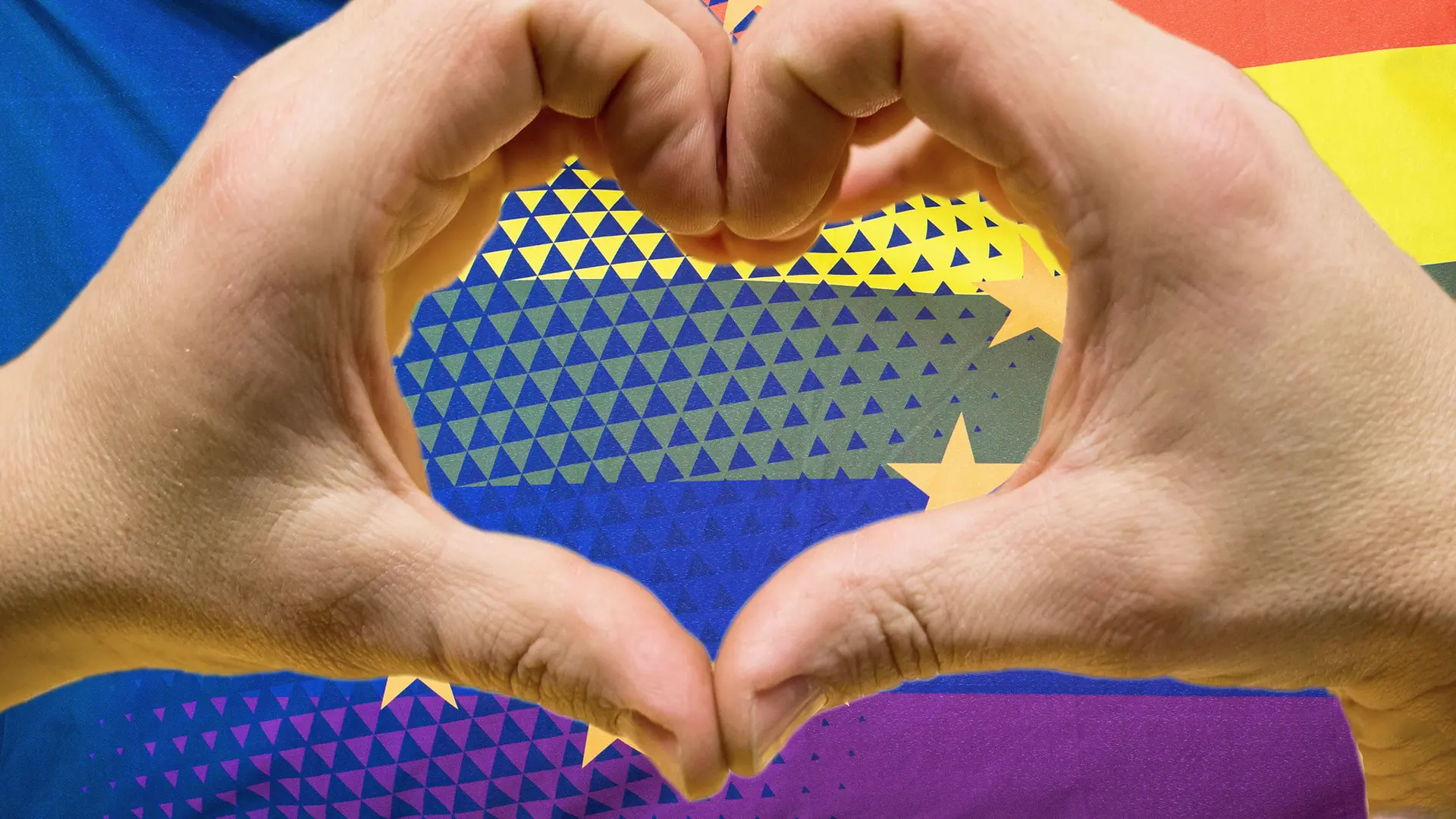
The selection of Dresden, a city with a complex historical legacy and a vibrant contemporary cultural scene, represents a bold step forward in the ongoing struggle for queer visibility and equality in regions where progressive movements have historically faced skepticism and political friction.

The Core Facts: A New Chapter for Dresden
EuroPride is the premier pan-European event dedicated to the rights and visibility of the queer community. Since its inception in 1992, it has traveled through various European capitals, serving as both a celebratory festival and a high-profile political demonstration.
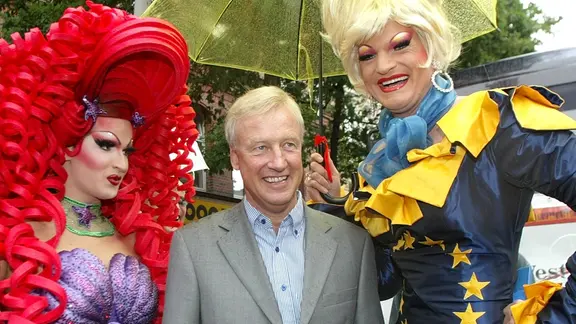
The 2029 edition in Dresden will feature a comprehensive program that spans beyond the traditional pride parade. Attendees can expect a diverse schedule consisting of:

- Political Summits: High-level discussions focusing on the status of queer rights in Eastern Europe and the broader EU.
- Cultural Programming: Art installations, theater performances, and historical exhibitions that explore the intersection of queer identity and German history.
- Demonstrations: A mass mobilization event aimed at advocating for legislative change and addressing rising concerns regarding anti-LGBTQ+ sentiment.
The choice of the motto, "Turn Walls into Bridges," is a direct nod to Dresden’s history as a city that once stood behind the Iron Curtain. By repurposing this imagery, the organizers intend to symbolize the breaking down of societal prejudices and the building of connections between disparate communities.

Chronology: A Quarter-Century Return to Germany
The return of EuroPride to Germany after a 25-year hiatus is a significant milestone for the country’s queer infrastructure. To understand the gravity of the 2029 decision, it is essential to look back at the history of the event in Germany:
- 1992: The Beginning: The first-ever EuroPride took place in London, establishing a tradition that would soon sweep across Europe.
- 1993: Berlin: The German capital hosted the event early in its history, cementing its reputation as a haven for queer culture.
- 1995: Cologne: The event returned to Germany, highlighting the growing influence of the Rhine-Ruhr region in the LGBTQ+ movement.
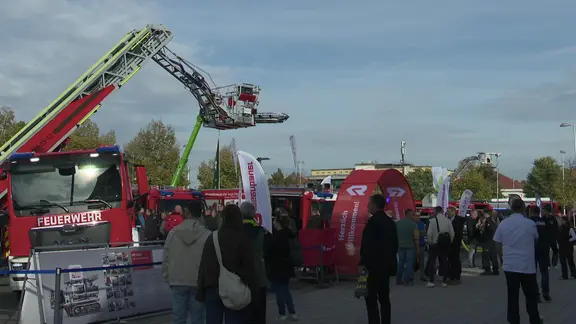
- 2004: Hamburg: The last time Germany hosted the event was over two decades ago. In Hamburg, the city saw a massive mobilization that brought together political leaders and activists, with then-Mayor Ole von Beust famously championing the event’s inclusive spirit.
- 2026: The Bid Success: Following years of planning and grassroots advocacy, the CSD Dresden committee successfully lobbied for the bid, overcoming international competition to secure the 2029 slot.
The two-and-a-half-decade gap between the Hamburg event and the upcoming Dresden celebration reflects both the changing political climate in Germany and the increasing demand for queer-positive spaces outside of the traditional metropolises of Berlin and Cologne.
Supporting Data and Context: The State of Queer Rights
While Germany has made significant strides in legal recognition—including the legalization of same-sex marriage in 2017—the reality for queer individuals in Eastern Germany remains nuanced.
Demographic Shifts and Visibility
According to recent sociological surveys, younger generations in cities like Dresden, Leipzig, and Chemnitz are significantly more open about their sexual orientation and gender identity than their predecessors. However, there is a documented "urban-rural divide," where individuals in smaller towns often face higher rates of isolation. EuroPride 2029 is explicitly designed to act as a bridge for these individuals, providing a massive support network and a temporary "safe harbor" that can empower locals to foster year-round community building.
Economic and Tourism Impact
The economic implications for Dresden are substantial. Major international events of this scale typically result in a massive influx of tourism revenue. Local businesses, particularly in the hospitality and service sectors, are expected to benefit from the surge of international visitors. More importantly, the event provides an opportunity for the city to rebrand itself on the international stage as a progressive, inclusive, and modern hub of European culture.
Official Responses: A Sign of Solidarity
The announcement has been met with broad support from government officials and activists alike.
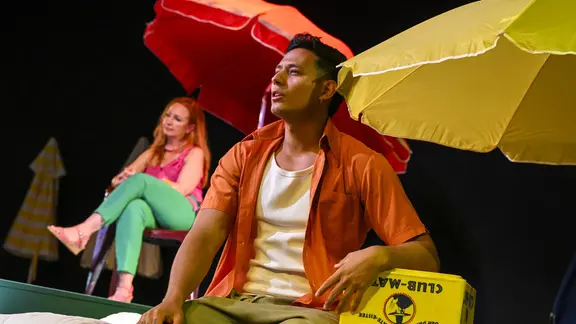
Sophie Koch (SPD), the Queer Representative of the German Federal Government and a Member of the Saxon State Parliament, was among the first to applaud the decision. "This is a powerful, undeniable sign from the heart of Saxony," Koch stated. "EuroPride in Dresden is not just about a parade; it is about providing a platform for the queer community in Eastern Germany to be seen, heard, and supported. It is an opportunity to generate the kind of momentum that leads to lasting cultural change."
Advocacy groups across the country have also signaled their intent to collaborate. Leaders from the Berlin and Cologne CSD organizations have promised to share logistical expertise, ensuring that the Dresden team is well-equipped to handle the immense organizational requirements of a multi-week international event.
Implications: Building Bridges Beyond 2029
The impact of hosting EuroPride in Dresden will extend far beyond the final fireworks of the closing ceremony.

Legislative Advocacy
The organizers have already outlined a policy agenda. By inviting European parliamentarians and human rights activists, they hope to lobby for stronger protections against hate crimes and discrimination, specifically targeting the implementation of stricter hate-speech laws that would be enforced across all German federal states.

Challenging Historical Narratives
Dresden is a city that frequently deals with its own historical memory. By incorporating queer narratives into the city’s broader cultural identity, the organizers hope to challenge the notion that "traditional values" and "progressive queer rights" are mutually exclusive. This cultural dialogue is expected to be a highlight of the 2029 program, potentially shifting the local discourse in a more inclusive direction.
The "Bridge" Effect
The ultimate success of EuroPride 2029 will be measured by its ability to leave a legacy. The "Turn Walls into Bridges" initiative aims to create permanent mentorship programs and community centers that will continue to operate long after the international visitors have departed. By strengthening the local infrastructure, the organizers aim to ensure that the "pride" spirit is not a fleeting occurrence, but a sustained movement.
Addressing Challenges
Despite the optimism, the organizers are aware of the challenges. Political opposition from conservative factions in the region is a reality that the CSD committee is preparing to navigate. Security protocols, public awareness campaigns, and community engagement strategies are already being developed to ensure that the event remains inclusive and safe for all participants. The committee has emphasized that dialogue, rather than confrontation, will be the primary strategy for managing potential social friction.

Conclusion
The announcement that Dresden will host EuroPride 2029 is more than a win for the local queer community; it is a test case for the resilience and progress of civil society in Germany. By choosing a city that sits at the crossroads of European history, the organizers have invited the world to witness the evolution of a region striving for equality.
As the city begins its three-year countdown to the opening ceremonies, the message remains clear: the walls of the past are being dismantled. Through art, politics, and a collective commitment to human dignity, Dresden is preparing to become a beacon of tolerance, proving that progress is not a destination, but a continuous act of bridge-building. Whether through the lens of policy reform or the simple, radical act of being visible, the path toward 2029 promises to be one of the most significant chapters in the history of the German LGBTQ+ movement.