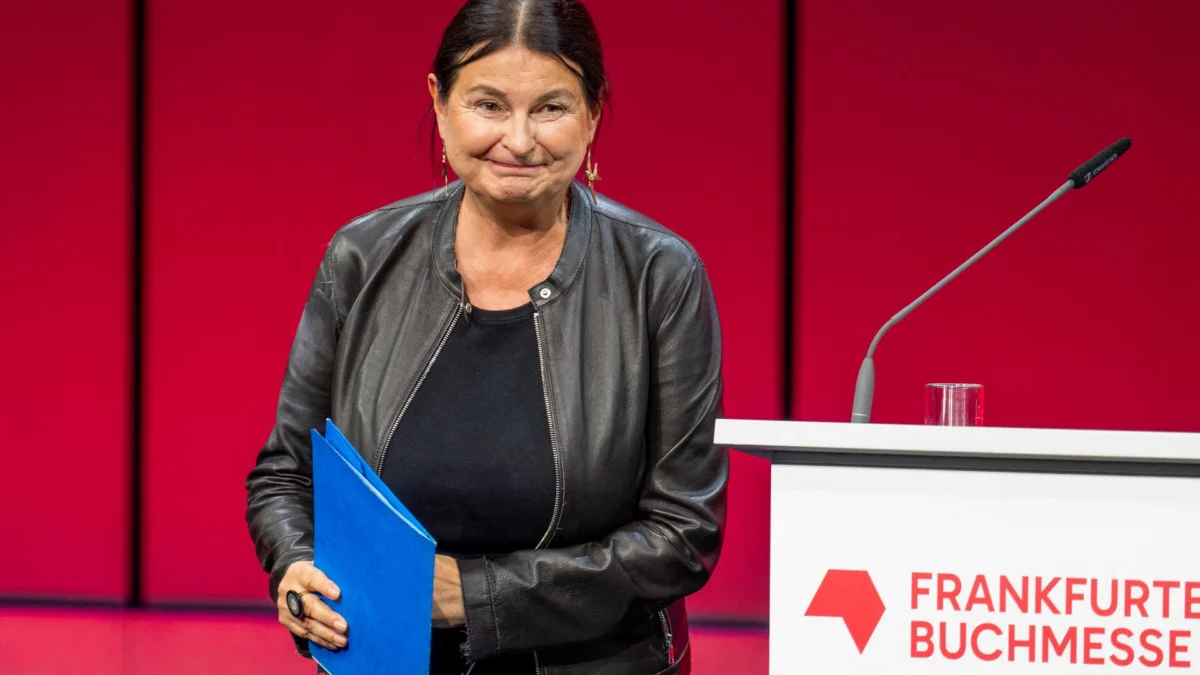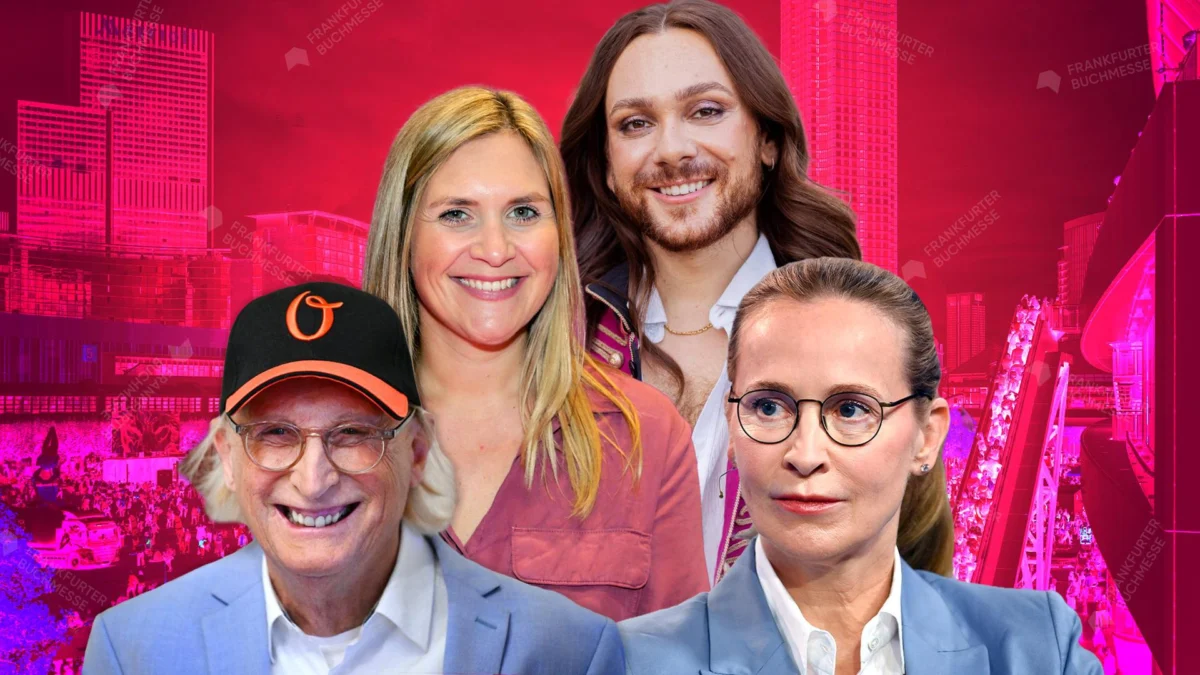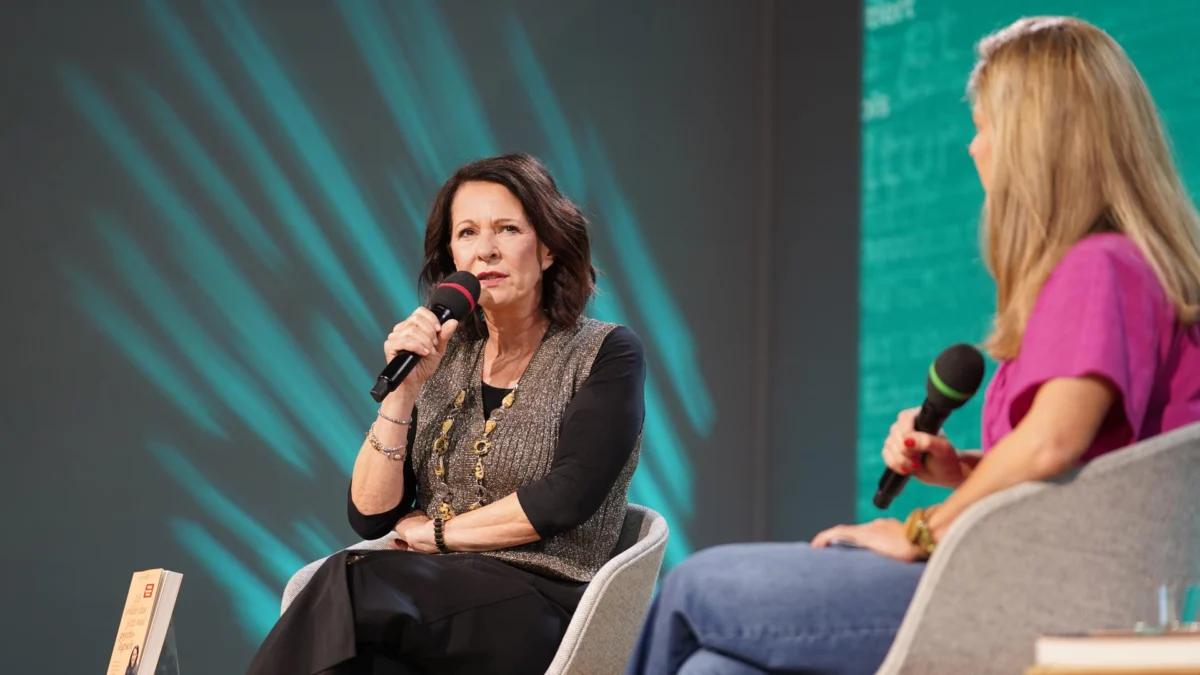
The curtains have closed on another chapter of the world’s largest literary gathering. On the final day of the Frankfurt Book Fair, the atmosphere was characterized by a distinct blend of high-profile celebrity appearances, deep-seated societal introspection, and the transition of cultural stewardship. As thousands of visitors surged through the halls one last time to browse publisher stalls and attend live stage discussions, the overarching narrative of the day—and indeed the entire fair—was the palpable sense of a fractured society seeking clarity through the written word.
Main Facts: A Culmination of Culture and Discourse
The closing day was marked by a heavy intellectual presence. While fans of thrillers and romance novels found their sanctuary in autograph sessions and community events, the official program remained anchored in the political and social realities of the present day.
The most significant official event occurred away from the bustling exhibition grounds: the presentation of the Peace Prize of the German Book Trade at the historic St. Paul’s Church. This year, the honor was bestowed upon the French-British jurist and author Philippe Sands, a recognition that underscored the fair’s commitment to human rights and historical justice.

The day concluded with the symbolic handover of the Guest of Honor status. The Czech Republic, which captivated audiences with its rich literary heritage and vibrant cultural programming, officially passed the torch to Chile. Under the motto "Astros de Tierra" (Stars of the Earth), Chile is set to showcase its literature and culture at the 2027 Frankfurt Book Fair, scheduled for October 6–10.
Chronology of the Final Day: From St. Paul’s to the Agora
The final day followed a rigorous schedule that balanced high-brow academic discourse with the energetic, youth-driven pulse of the modern book market.
- Morning: The focus was on urgent societal issues, with psychologist Ahmad Mansour taking to the stage to discuss the radicalization of youth and the erosion of social cohesion in urban centers like Berlin.
- Midday: The ARD stage hosted discussions on the intersection of media, propaganda, and education, featuring journalist Manuela Müller. Simultaneously, the BookTok phenomenon—the massive influence of social media on reading habits—was scrutinized by Xenia Popescu and Lennart Schmitz.
- Afternoon: The political discourse deepened with the "SWR Democracy Forum," featuring Michel Friedman, Reiner Haseloff, and others. Parallel to these heavy topics, the fairgrounds were alive with family-friendly events, including a live "Maus" radio play and a space-training workshop with astronaut Matthias Maurer.
- Evening: The fair officially concluded with the handover ceremony, signaling a transition from the European focus of the Czech Republic to the South American perspective of Chile.
The Pulse of the Fair: Societal Spaltung and Psychological Insight
A recurring theme throughout the fair was the "Societal Spaltung" (societal division). Several prominent speakers addressed this issue not merely as a political phenomenon, but as a psychological crisis.

The Warning of Ahmad Mansour
Ahmad Mansour, an expert on extremism, presented his latest book, "Haltung ohne Hass" (Attitude without Hate). His assessment of the current climate in Germany was stark. He argued that radicalization is no longer a fringe issue but one permeating housing, education, and security. Mansour was particularly critical of the state of "Remembrance Culture" (Erinnerungskultur) in Germany, suggesting that it has become performative and detached from the lives of contemporary Jewish citizens. He warned that "Never Again" must evolve to protect the Jewish population living in the country today, rather than being confined to the historical memory of Auschwitz.
Stefanie Stahl on Self-Reflection as a Political Tool
Psychologist and bestselling author Stefanie Stahl bridged the gap between individual mental health and political behavior. She posited that political polarization is often a symptom of unaddressed personal insecurities. According to Stahl, the AfD and other populist movements successfully exploit this by transforming individual feelings of helplessness into collective rage. She argued that self-reflection is not merely a private endeavor for personal growth, but a "political necessity" to prevent the descent into enmity.
The Intersection of Media and Literature: The BookTok Effect
A significant portion of the audience, particularly the younger demographic, was drawn by the influence of social media on the literary world. Xenia Popescu and Lennart Schmitz of the FUNK collective provided an insider’s look at how platforms like TikTok are dictating the film industry’s agenda.

They noted that "BookTok and the film industry are shaking hands," often before a book is even published. However, they provided a critical counterpoint to the trend: the "smart romance" adaptation of complex novels. Using Emily Brontë’s Wuthering Heights as a cautionary tale, they argued that modern adaptations often strip away the depth of classic literature to satisfy trends. Conversely, they highlighted the success of series like Heated Rivalry, which managed to capture the essence of the source material by being willing to adapt to the specific visual language of film rather than attempting a literal page-to-page translation.
Official Responses and Political Implications
The "SWR Democracy Forum" served as the political highlight of the day. The discussion between Michel Friedman, CDU politician Reiner Haseloff, and others centered on the state of German democracy in the wake of recent regional election results.
Reiner Haseloff expressed deep concern over the electoral success of the AfD in Saxony-Anhalt. The panel reached a consensus that the "firewall" against extremist rhetoric in the political discourse has begun to crumble. Benjamin Höhne, a political scientist, placed partial blame on established parties, suggesting that by adopting the migration rhetoric of the far-right, they have inadvertently normalized extremist views.

Writer Paula Fürstenberg provided an essential perspective from the East, suggesting that the disappointment in current democratic institutions is not necessarily a rejection of democracy itself, but a demand for more direct participation. She questioned the disconnect between the massive anti-extremism demonstrations witnessed earlier in the year and the lack of subsequent political shift, highlighting a growing frustration among citizens who feel their voices are not being translated into policy.
Gender Dynamics and the Patriarchal Struggle
The final session of the "Sheroes" series, moderated by Jagoda Marinić, brought the issue of gender roles to the forefront. Authors Julia Malik and Antonia Baum discussed the systemic nature of violence and the persistence of the "male gaze."
Malik, whose work addresses the transition of romantic relationships into abusive ones, emphasized that the capacity for victimhood is universal, yet the burden of change is often placed on women. Antonia Baum offered a sobering look at the patriarchy, suggesting that men remain resistant to change because, structurally, they benefit from the status quo. She argued that true equality would require a radical shift in domestic labor—specifically, men taking a much more intensive role in the upbringing of children and the care of the elderly.

Conclusion: Looking Toward 2027
As the halls emptied, the overarching impression left by the 2026 Frankfurt Book Fair was one of immense complexity. The event successfully functioned as a microcosm of the global zeitgeist: anxious about the future, grappling with the shadows of the past, and deeply engaged with the transformative power of storytelling.
Martin Krafl, the program director for the Czech Republic’s guest appearance, expressed satisfaction with the high level of international exchange, noting that the fair had fostered intense dialogue among publishers, agents, and translators from across the globe.
With the baton now passed to Chile, the Frankfurt Book Fair reinforces its role not just as a marketplace for books, but as an essential forum for the preservation of democracy and the promotion of human connection. The "Stars of the Earth" will guide the next iteration, but the questions raised this year—about radicalization, societal division, and the responsibility of the individual—will undoubtedly echo in the halls of the Messe Frankfurt for many years to come.