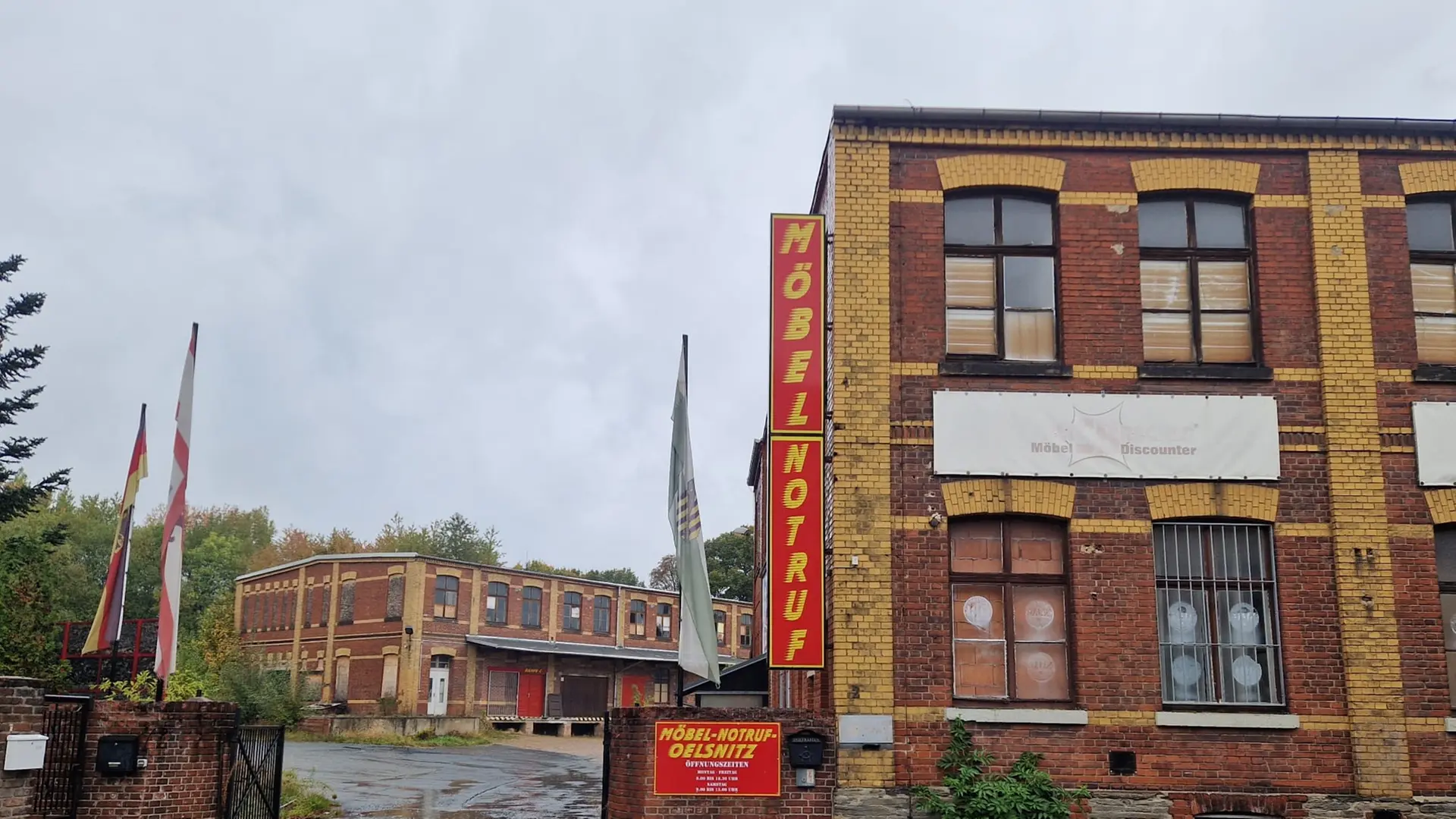
In a startling turn of events, the furniture market in Oelsnitz has become the focal point of intense scrutiny from consumers and the Saxony Consumer Protection Agency. Following a wave of reports regarding stalled deliveries, defective kitchen installations, and unresponsive customer service, the retailer is now forced to confront a public relations and operational crisis that threatens its long-term viability.
The Core Issues: A Breakdown in Trust
For many customers, the dream of a new, custom-fitted kitchen has turned into an endurance test of patience and financial anxiety. Over the past year, the Oelsnitz furniture market has been inundated with complaints. Consumers have reported a recurring pattern: significant delivery delays, faulty installations that render products unusable, and, perhaps most damaging, a complete lack of progress regarding refunds for cancelled contracts.
Heike Teubner, head of the Consumer Protection Agency in Auerbach, has been at the forefront of handling these grievances. She notes that the issues are not merely minor inconveniences but systemic failures. "After months of struggles with logistics and botched installations, the absolute minimum one should expect is a reliable and timely reversal of the contract," Teubner stated. "The fact that even the refund process has stalled is a major red flag for the consumer."
Chronology of the Crisis
The timeline of these complaints suggests a collapse that began in late 2025 and has persisted well into the following year.
- September 2025: A customer places an order for a high-end kitchen, anticipating a smooth delivery and installation process.
- March 2026: The kitchen is finally delivered and installed, but the client immediately reports numerous defects. What should have been the end of the process becomes a cycle of missed repair appointments and broken promises.
- Spring 2026: A series of administrative errors within the company’s digital order management system leads to a backlog, causing a cascading effect that pushes dozens of other customer orders back by weeks, if not months.
- Summer 2026: As the backlog grows, communication with customers deteriorates. Many clients who paid significant deposits—some as high as €6,000 on a €10,000 order—find themselves in a limbo where neither the product nor a refund is forthcoming.
An Anatomy of Failure: Management’s Perspective
Sylvia Kießling, co-manager of the Oelsnitz furniture market, has chosen a strategy of radical transparency, acknowledging the validity of the customers’ frustrations. In a candid interview, she admitted that the business faced a "perfect storm" of internal and external factors that crippled their operations.
"The customers are 100 percent in the right," Kießling stated. "They have every reason to be angry, and we understand their frustration completely."
According to the management, the internal failure originated from a manual error made by Kießling herself within the firm’s digital ordering system. This mistake inadvertently triggered a chain reaction, delaying a significant number of orders. This, combined with a sudden wave of staff illness among the installation crew and technical failures within the company’s delivery fleet, created a bottleneck from which the company struggled to recover.
Furthermore, Kießling points to the volatile nature of the global furniture supply chain. "We were at the mercy of manufacturers who repeatedly pushed back delivery dates," she explained. "This created a situation where we were constantly trying to reorganize our pipeline, and unfortunately, we failed to communicate these shifts effectively to the people who mattered most: our customers."

The Communication Breakdown
Beyond the logistical failures, the most frequent complaint centers on the lack of professional dialogue. During a period of personal crisis, where the owner was dealing with a severe illness, the company’s ability to manage customer relations effectively vanished.
"Communication did take place," Kießling conceded, "but it wasn’t the kind of communication our customers deserved. It was sporadic, often reactive, and failed to provide the reassurance that people need when they have invested their hard-earned money into our business."
Financial Implications and Refund Status
The most critical aspect for the affected consumers is the status of their capital. Many are understandably concerned about the company’s solvency. The Consumer Protection Agency has expressed concern that the delays in refunds suggest deeper financial instability.
Kießling, however, remains adamant that the company is not insolvent. She has confirmed that the business is currently working through a structured process to ensure that every cent is returned to those who have cancelled their orders. "We have secured funds through a partnership with the Furniture Association, and these resources are being utilized to settle our obligations," she noted. She emphasized that a portion of the repayments has already been processed, with the remainder slated to be paid as further insurance and liquidity milestones are reached.

Strategic Pivot: The "Vogtland Kitchen Factory"
Perhaps the most ambitious part of the company’s response to the crisis is its decision to fundamentally change its business model. Rather than continuing to rely on third-party manufacturers—which Kießling identifies as a primary cause of their lack of control—the firm is investing in local production.
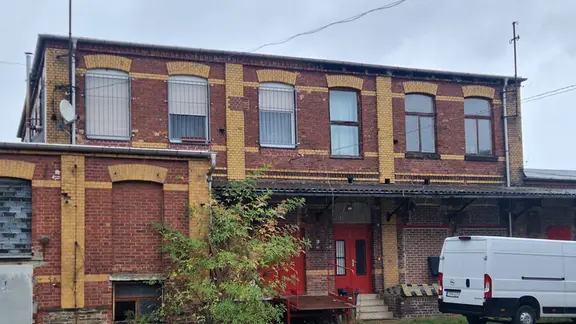
By establishing the "Vogtland Kitchen Factory" (Vogtländische Küchenfabrik) on its own premises, the company aims to move toward a vertically integrated model. With a low six-figure investment, supported by funding from the Saxon Development Bank (SAB), the company has begun acquiring machinery from across the region, including Dresden and the Ore Mountains.
"We are doing this to ensure we are never again dependent on external manufacturers who cannot guarantee timely delivery," Kießling stated. By partnering with local suppliers like ZEG Chemnitz, the firm hopes to create a more resilient, transparent, and controllable supply chain.
The Road to Recovery: Can Trust Be Rebuilt?
The pivot to local manufacturing is a bold gamble. While it demonstrates a commitment to operational autonomy, it does little to alleviate the immediate pain of those still waiting for their kitchens or their money.
Industry experts suggest that while the shift to local production could indeed stabilize the company’s long-term future, the reputational damage is significant. Restoring trust in the local community will require more than just new machinery; it will require a sustained period of flawless service, clear communication, and an unwavering commitment to the customers who were let down during the crisis.
"We have done everything in our power to ensure that what happened in the last few months can never happen again," Kießling asserted. "We know we cannot undo the past experiences of our customers, but we are determined to prove that we have learned our lesson and are building a more secure future for everyone involved."
Conclusion: A Cautionary Tale for the Retail Sector
The situation in Oelsnitz serves as a potent reminder of the fragility of retail businesses in an era of complex global supply chains. When the machinery of logistics breaks down, the primary casualty is the relationship between the business and the consumer.
As the Oelsnitz furniture market attempts its transition into a manufacturing entity, the eyes of the region—and the watchful gaze of the Consumer Protection Agency—will remain firmly fixed on them. For the management, the path ahead is clear: the focus must move away from damage control and toward a model of reliability that prioritizes the customer above all else. Whether the "Vogtland Kitchen Factory" can achieve this remains to be seen, but the urgency of their actions underscores a realization that in the modern market, transparency and accountability are the only currencies that truly matter.