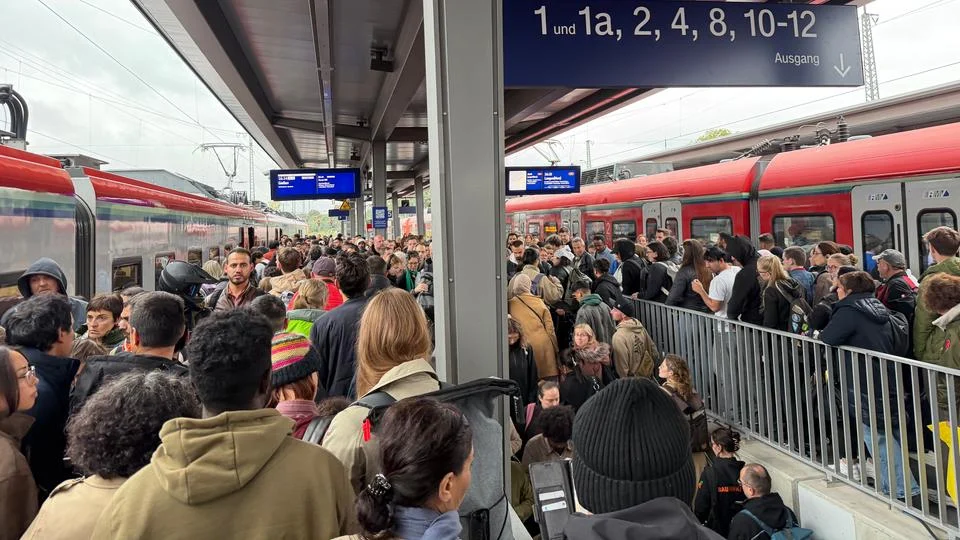
BAD NAUHEIM, Germany – Normalcy returned to the transit corridors of the Wetterau district late Friday evening as the Bad Nauheim train station reopened its gates to the public. The facility had been effectively paralyzed for several hours following reports of a pungent, chemical odor that triggered a significant emergency response and widespread disruption across both regional and long-distance rail networks.
While authorities have since lifted the restrictions, the incident serves as a stark reminder of the vulnerability of critical infrastructure to localized environmental hazards. The closure, which lasted throughout the late afternoon and early evening, left thousands of commuters stranded and forced a massive logistical pivot for the Deutsche Bahn.
The Incident: A Source Identified
The emergency began in the early afternoon when a witness alerted local authorities to a powerful, unpleasant smell permeating the station area. The odor, described by onlookers as sharp and chemical-like, prompted an immediate intervention by the Wetterau district’s emergency services.
Upon investigation, firefighters and hazardous materials experts identified the source of the nuisance: a rail tank car stationed on the tracks. The vessel, which had previously contained a hydrocarbon-based liquid, was found to be leaking trace amounts of its former cargo.
A spokesperson for the fire department confirmed the technical nature of the leak, noting that while the odor was intense and necessitated the evacuation of the station, there was no immediate health threat to the general public. However, the presence of volatile chemical vapors in a confined, high-traffic environment mandated a precautionary shutdown to allow for proper ventilation and site securing.
Chronology of Events: From Alarm to Resolution
The progression of the incident highlights the rapid escalation required when handling potential chemical exposure in public transport hubs:
- Mid-Afternoon: Reports of a "strong, pungent odor" begin to circulate among passengers at the Bad Nauheim station. Local authorities receive a formal complaint, prompting the dispatch of emergency personnel.
- Late Afternoon: As safety protocols are initiated, the station is cordoned off by federal and local police. All train traffic through the station is halted.
- 17:00 – 19:00: The crisis peaks. Commuters are left stranded at various stations across the region, including significant bottlenecks in Friedberg and Gießen. The Wetterau district issues an official warning via federal alert systems, advising residents to avoid the area due to the odor.
- 19:30: Following a thorough assessment by the fire department and the containment of the leaking tank car, the station is declared safe for public use. Train services resume, albeit with residual delays.
- 19:45: The Wetterau district officially cancels the warning, signaling that the environmental hazard has been neutralized.
Logistical Fallout and Network Disruption
The closure of the Bad Nauheim station—a vital artery in the rail network connecting northern Hesse to the Frankfurt metropolitan region—caused a ripple effect that was felt far beyond the town’s borders.
Impact on Long-Distance and Regional Rail
The Deutsche Bahn was forced to implement emergency measures almost immediately. Long-distance trains, which would typically pass through the station, were diverted, causing cascading delays throughout the national network. Regional lines, specifically the RE30 route, saw major cancellations, with many trains forced to terminate prematurely in Friedberg or Gießen.
Stranded Passengers and Alternative Transport
The human impact was substantial. Social media feeds and live reports from the scene depicted packed platforms in Friedberg, where passengers were left waiting for updates as the extent of the disruption became clear. To mitigate the gridlock, the railway operator organized a fleet of emergency buses to provide a shuttle service between Friedberg and Butzbach, though the surge in demand during the Friday evening rush hour made for significant congestion.
Official Responses and Safety Protocols
The handling of the incident reflects the complex coordination required between municipal fire services, the federal police (Bundespolizei), and rail infrastructure operators.

"The safety of our passengers is our absolute priority," a representative for the rail operator stated during the height of the disruption. "When a report of a chemical odor is received in the vicinity of a stationary freight carriage, we must act with extreme caution until the source is confirmed and the area is deemed safe."
The decision to issue a formal warning via the federal Warnung.bund.de portal was a strategic choice to ensure that residents living in the immediate proximity of the tracks were kept informed, preventing unnecessary panic while simultaneously discouraging transit to the area.
Implications: The Fragility of Rail Infrastructure
The Bad Nauheim incident raises several critical questions regarding the management of freight in populated transit hubs.
1. Risk Management for Hazardous Goods
While the leak was categorized as "small" and "non-hazardous" in terms of toxicity, the incident underscores the psychological and operational impact of even minor chemical incidents. The presence of residual hydrocarbons in a tank car that had supposedly been emptied suggests a need for stricter cleaning and verification protocols before empty vessels are cleared for transport through passenger stations.
2. Communication and Crisis Response
The efficiency of the emergency response—from the initial alert to the official "all-clear" in less than six hours—demonstrates the effectiveness of modern integrated warning systems. However, for the average commuter, the lack of real-time, specific information regarding the duration of the closure remained a point of frustration. The incident highlights the ongoing challenge of providing "ground-truth" data to travelers during fluid, high-stress events.
3. Urban Planning and Transit Connectivity
The disruption also highlighted the lack of redundancy in the local rail network. When the Bad Nauheim station is removed from service, there are few efficient alternatives for commuters traveling north-south through the Wetterau. Urban planners and transport authorities may need to look at this incident as a case study for improving resilience in suburban transit nodes.
Looking Ahead
As of Saturday morning, rail traffic through Bad Nauheim has returned to its scheduled cadence. The leaking tank car, having been identified and secured, is slated for removal by specialized personnel.
For the residents of Bad Nauheim and the thousands of daily commuters who pass through its station, the ordeal is over. However, the event remains a stark reminder of the thin line between a routine commute and a major disruption in an interconnected world. The incident will likely trigger a post-action review by the Federal Railway Authority to determine whether current procedures for the transit of residual hazardous materials are sufficient to prevent a recurrence of such an odor-driven crisis.
While the "stench of the incident" has cleared from the platforms, the lessons learned from this Friday evening will linger in the offices of regional transport planners for some time to come. The goal, ultimately, is to ensure that when a citizen reports a "foul smell," the system is equipped to react not just with speed, but with the comprehensive communication and logistical agility that the public demands in the modern era.