As U.S. President Donald Trump and Chinese President Xi Jinping convene for high-stakes summitry, the aerospace industry is watching closely. While expectations for a massive, multi-billion-dollar aircraft deal between Boeing and China had been mounting, current indicators suggest a more sobering reality. The path to reclaiming market share in the world’s most critical aviation growth engine is proving far more treacherous than anticipated.
The Current State of Play: A Pivot from Expansion to Stabilization
For Boeing, the stakes could not be higher. Following years of geopolitical friction and a self-inflicted crisis of quality control, the American aerospace giant viewed the ongoing summit between President Trump and President Xi as a potential catalyst for a commercial renaissance. Market analysts had initially speculated that the meeting would serve as the backdrop for a headline-grabbing order—potentially for hundreds of jets.
However, sources close to the negotiations have signaled a shift in tone. Rather than announcing a new, massive procurement, Boeing appears to be focused on the far more modest goal of cementing the "first tranche" of an agreement reached back in May. During that previous engagement, CEO Kelly Ortberg had expressed optimism that a 200-aircraft contract was merely the opening chapter in a broader reconciliation with the Chinese aviation sector.
Today, that optimism is being tempered by the harsh realities of modern diplomacy. Insider reports suggest that while discussions remain ongoing, the prospect of a surprise, large-scale order is fading. The focus has shifted from expansion to the stabilization of existing commitments, leaving investors and industry watchers to reconsider the timeline for Boeing’s resurgence in East Asia.
A Chronology of the Boeing-China Standoff
To understand the current tension, one must look back at the precipitous decline of Boeing’s relationship with China over the last decade.
- 2017 – The Turning Point: Following years of dominance, Boeing’s influence began to wane. Geopolitical tensions, coupled with China’s desire to foster its own domestic aviation industry, created a cooling effect on U.S.-China aircraft trade.
- 2019-2021 – The Grounding Crisis: The global grounding of the 737 MAX fleet following two tragic crashes dealt a fatal blow to Boeing’s reputation in China. While the rest of the world eventually cleared the aircraft for flight, China remained the final major market to resist, only allowing the jet back into service after significant delays.
- May 2026 – The Thaw: A glimmer of hope emerged during a spring summit when a 200-aircraft deal was finalized. Boeing leadership heralded this as the official "reopening" of the Chinese market.
- August 2026 – Certification Milestones: The U.S. Federal Aviation Administration (FAA) granted certification for the smallest member of the 737 MAX family. While this was a technical victory for Boeing, it underscored the ongoing struggle to bring the larger 737 MAX 10 into service.
- September 2026 – The Current Summit: Expectations of a follow-up "megadeal" for up to 500 aircraft have been dampened by the reality that commercial aviation is currently secondary to broader strategic concerns in the U.S.-China bilateral agenda.
Supporting Data: Why China Matters
The urgency for Boeing is grounded in cold, hard math. Forecasts indicate that China will require approximately 9,000 new aircraft by 2045—a volume that eclipses any other regional market on the planet. For Boeing, missing out on this growth is not just a lost opportunity; it is an existential threat to its long-term dominance.
Currently, the financial picture for Boeing is strained. In the second quarter of 2026, the company reported a significant loss, with an adjusted loss per share of 76 cents—more than double what market analysts had projected. These red numbers are a direct result of production bottlenecks, supply chain inefficiencies, and the lingering costs associated with its quality control reforms.
In contrast, the European consortium Airbus has flourished. By establishing a dedicated final assembly line in Tianjin, China, Airbus solidified its presence within the country’s industrial ecosystem. This "local" status, combined with a relatively warmer diplomatic relationship between Beijing and Brussels compared to Washington, has allowed Airbus to capture the lion’s share of the Chinese market during Boeing’s years of absence.
Official Perspectives and Diplomatic Hurdles
Scott Kennedy, a leading China expert at the Center for Strategic and International Studies (CSIS), provides a sobering context for why the aviation deals have stalled.
"The negotiation of new passenger jet contracts is simply not at the top of the priority list for this summit," Kennedy stated in a recent interview. According to experts, the agenda is dominated by far more pressing issues: establishing guardrails for Artificial Intelligence (AI), managing military tensions regarding Taiwan, and navigating complex trade agreements involving rare earth elements and agricultural exports like soybeans.
"Many trade relationships are tethered to these summits," Kennedy noted. "While new aircraft orders would be a ‘win,’ they are not currently a necessity for the success of this diplomatic engagement."
Shukor Yusof, founder of the Singapore-based consultancy Endau Analytics, echoes this sentiment, placing the blame squarely on a mix of political and internal factors. "Boeing has lost a significant portion of its influence in our region. While politics play a role, the internal failures—the quality control scandals and the multi-year delays—have been equally damaging to their brand in the eyes of Chinese airline operators."
Strategic Implications: The Path Forward
The implications of this summit’s outcome for Boeing are multifaceted:
1. The "Quality First" Mandate
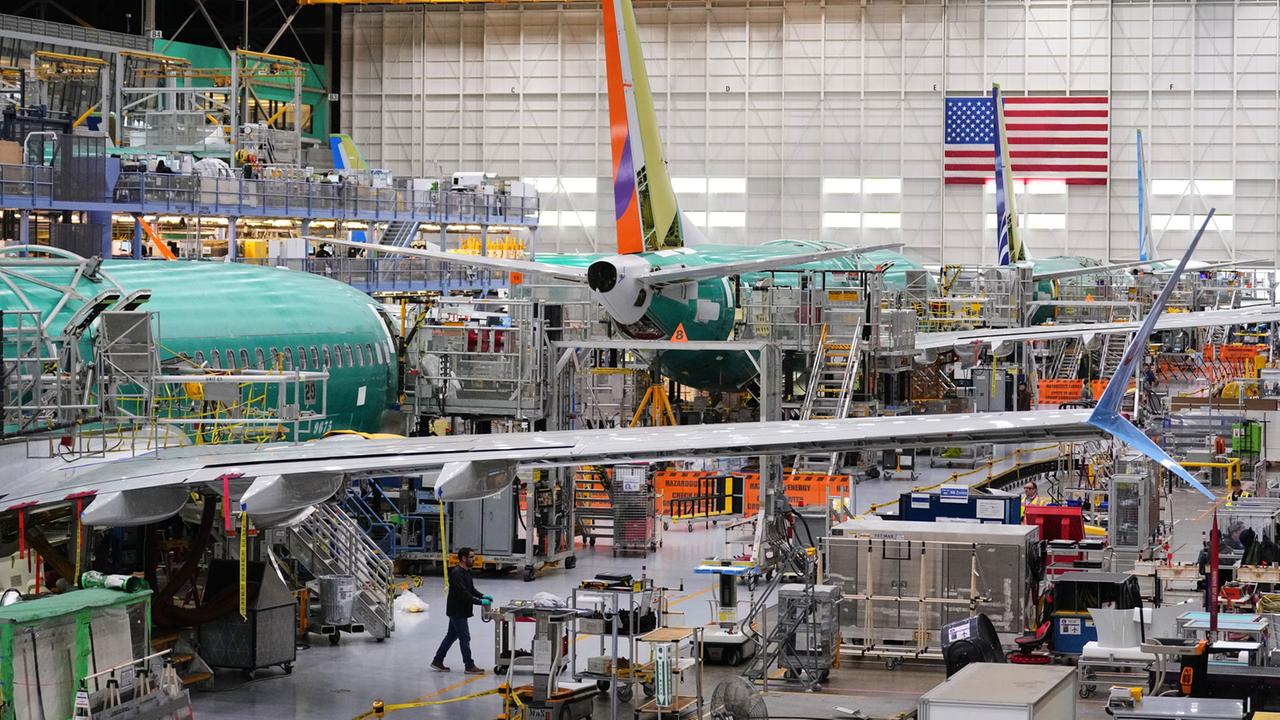
Boeing’s path back to profitability and market favor is tied to its ability to demonstrate flawless manufacturing. The ongoing regulatory scrutiny of the 737 MAX 10, which still awaits certification, remains a major hurdle. Until Boeing can prove to the FAA—and by extension, the CAAC (Civil Aviation Administration of China)—that its production line is consistent and safe, large-scale orders may remain elusive.
2. Geopolitical Hedging
The aerospace industry is no longer just about engineering; it is about statecraft. Boeing is currently navigating a world where it must balance its status as an American industrial champion with the realities of being a multinational corporation operating in a polarized global market. If the U.S.-China relationship remains volatile, Boeing will likely continue to face "soft" barriers to entry, such as the preference for Airbus products which are perceived as being caught in the crossfire less frequently.
3. The Competitive Landscape
Airbus’s success in China serves as a template for what is possible, but also highlights what Boeing has lost. For Boeing to recover, it must not only improve its technical output but also convince Beijing that it is a reliable, long-term partner—a difficult task when the underlying political climate remains unstable.
Broader Market Context: A Volatile Backdrop
The uncertainty surrounding the Boeing-China deal is occurring against a backdrop of wider market instability. Investors are currently preoccupied with global energy prices, which have seen a surge due to supply concerns stemming from the conflict in the Middle East. With the price of Brent crude and WTI oil both rising by approximately three percent, the macro-economic environment is adding pressure to global transport stocks.
Furthermore, robust U.S. economic data has kept bond yields high, fueling speculation that the Federal Reserve may maintain a hawkish stance on interest rates. This volatility has contributed to a broader cooling of equity markets, with the DAX and other major indices showing signs of fatigue.
Conclusion: A Long Road to Re-Entry
As the summit in the United States continues, the narrative for Boeing has shifted from a story of immediate triumph to one of patient, high-stakes diplomacy. The company’s goal is no longer to secure a massive, immediate windfall, but to keep the doors of communication open and ensure the implementation of existing, smaller agreements.
While the "9,000 aircraft" prize remains the ultimate objective for any major aerospace player, Boeing is learning that in the current geopolitical climate, market share is not earned through technical superiority alone. It is earned through reliability, political alignment, and the ability to navigate a global market that is increasingly fragmented. For now, the "Boeing-China" deal remains a work in progress—a testament to the fact that in the high-altitude world of international aviation, the most difficult part of the flight is often the landing.