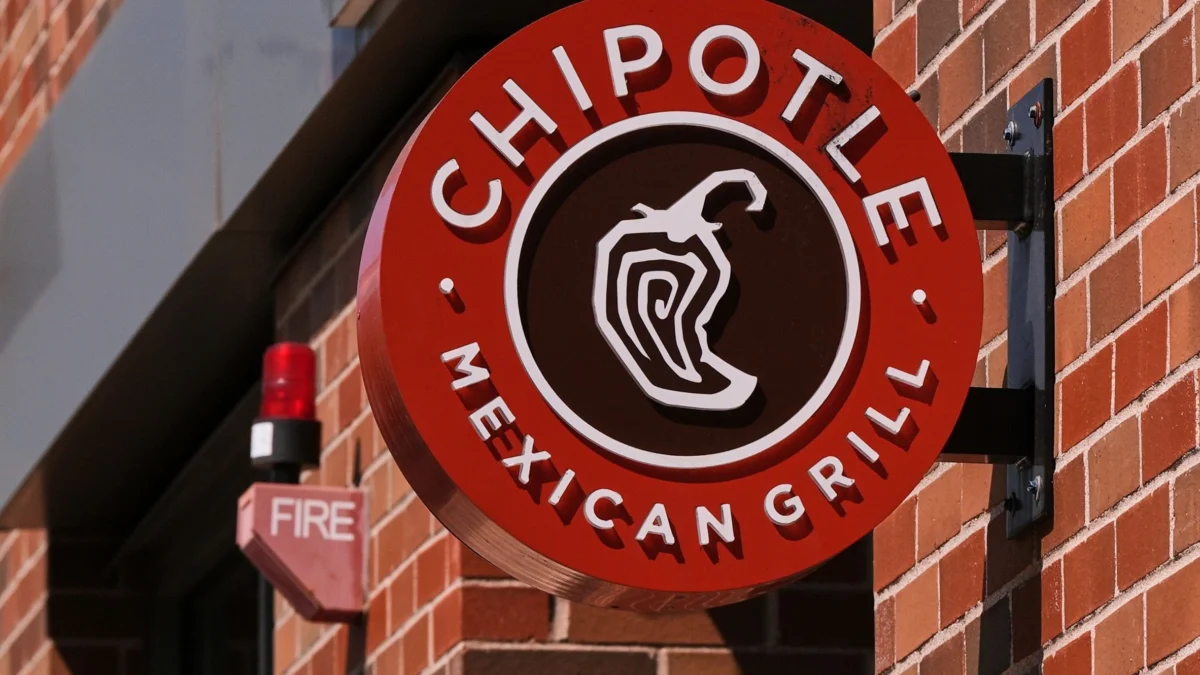
NEW YORK/DÜSSELDORF – In a move that has sent shockwaves through the global hospitality sector, reports have emerged suggesting that Starbucks, the world’s preeminent coffeehouse chain, may be exploring a potential acquisition of the fast-casual titan Chipotle Mexican Grill. While the news remains in the realm of speculation, the mere suggestion of a merger between these two retail behemoths has sparked intense debate among Wall Street analysts, industry insiders, and corporate strategists.
The report, first surfacing via the Financial Times, indicates that Starbucks has engaged with consultants to evaluate the feasibility of a takeover. With Chipotle boasting a market capitalization of approximately $39 billion, such a transaction would represent one of the most significant and complex mergers in the history of the restaurant industry.
The Core Facts: A Merger of Retail Titans
At the heart of the speculation is a potential collision of two distinct but highly successful business models. Starbucks, headquartered in Seattle, has defined the modern coffee culture with its ubiquitous presence and premium branding. Chipotle, known for its "Food with Integrity" philosophy, has mastered the high-volume, fast-casual dining space, particularly among health-conscious and time-poor urban demographics.
According to sources familiar with the matter, the discussions remain preliminary. There is no public confirmation that a formal offer has been extended, and analysts remain deeply skeptical regarding the logistical viability of such a combination. The complexity of merging a global beverage-focused supply chain with a high-speed, fresh-food preparation model presents significant operational hurdles that could deter even the most ambitious corporate raiders.
Chronology: The Niccol Connection
The most compelling dimension of this rumored deal is the personal history of Starbucks’ current CEO, Brian Niccol. Niccol, who took the helm at Starbucks in 2024, is not an outsider to the Chipotle ecosystem; he served as the CEO of the Tex-Mex chain from 2018 to 2024.
- 2018: Brian Niccol joins Chipotle, tasked with revitalizing the brand following food safety crises and a period of stagnation. Under his leadership, Chipotle undergoes a massive digital transformation and operational overhaul.
- 2018–2024: Niccol’s tenure is widely viewed as a massive success, driving record stock growth and cementing Chipotle’s status as a leader in the fast-casual sector.
- August 2024: Niccol transitions to Starbucks, inheriting a brand facing domestic growth struggles and labor tensions.
- Late 2024 (Present): Reports emerge that Starbucks is utilizing its internal knowledge of the Chipotle business—led by the man who built much of its current success—to weigh a potential takeover.
The "Niccol Factor" adds a layer of intrigue. Analysts suggest that if anyone has the institutional knowledge to identify whether a merger would be synergistic or destructive, it is the man who sat in the CEO chair of both companies.
Market Reactions: A Tale of Two Stocks
The financial markets reacted with immediate volatility following the report. Chipotle’s stock price surged by approximately six percent, reflecting investor optimism regarding the premium that a takeover bid would likely entail. Conversely, Starbucks shares dipped by about three percent, signaling investor apprehension regarding the potential costs, debt load, and integration risks associated with such an aggressive acquisition.
Both companies have maintained a wall of silence. Starbucks declined to provide a formal comment to the Financial Times, and representatives for Chipotle have remained equally unresponsive to media inquiries. This reticence is typical in the early stages of merger exploration, where premature disclosure can jeopardize delicate negotiations or lead to regulatory scrutiny.
The Strategic Rationale: Why Even Consider It?
Access to Specialized Supply Chains
One of the primary drivers of the rumored interest is access to supply chain logistics. Starbucks has long mastered the art of shelf-stable and cold-chain distribution for beverages. Chipotle, however, operates a highly complex, "fresh-every-day" supply chain for perishables. Integrating these could, in theory, create a powerhouse of operational efficiency.
Scaling the "Fast-Casual" Model
Starbucks has been attempting to pivot its stores toward faster service and digital ordering. By acquiring Chipotle, Starbucks could theoretically leverage Chipotle’s proprietary digital kitchen technology, which is widely considered the industry gold standard for throughput and order accuracy.
Diversification of Revenue Streams
While coffee is a high-margin business, it is also highly susceptible to changes in consumer spending habits. By moving into the "lunch and dinner" market segment through a proven entity like Chipotle, Starbucks would create a more resilient revenue stream that spans multiple day-parts.
Skepticism and Challenges: The Analyst Perspective
Despite the theoretical benefits, the consensus among financial experts is one of caution. Jacob Aiken-Phillips, an analyst at Melius Research, encapsulated the prevailing sentiment in comments to Bloomberg: "On the surface, it is difficult to see the synergies that would justify a deal of this magnitude."
1. Operational Incompatibility
The operational DNA of a coffee shop is fundamentally different from that of a kitchen-heavy restaurant. Starbucks focuses on customizable beverages and speed; Chipotle focuses on ingredient assembly and food safety. Merging these workflows risks diluting the brand identity of both.
2. Regulatory Hurdles
A merger of this size would almost certainly attract the attention of the Federal Trade Commission (FTC) and global antitrust regulators. While the two companies operate in different niches, their combined footprint in the commercial real estate market—and their dominance in the quick-service industry—could be viewed as anti-competitive.
3. The "Culture Clash"
Starbucks has a distinct corporate culture centered on its "Third Place" philosophy—creating an environment between home and work. Chipotle’s culture is rooted in its "Food with Integrity" mantra. Successfully merging these corporate identities without alienating the core customer bases of either brand is a monumental management challenge.
Implications: A New Era of Consolidation?
If Starbucks were to move forward, it would signal a broader trend of consolidation in the restaurant industry. In an era of rising labor costs, inflationary pressures on raw ingredients, and a saturated market for physical retail locations, major players are increasingly looking to "buy" growth rather than "build" it.
However, the risk is significant. History is littered with "mega-mergers" in the food and beverage industry that failed to deliver the promised value to shareholders. The acquisition of Kraft by Heinz, or the various struggles of restaurant conglomerates in the early 2000s, serve as cautionary tales.
For now, the Starbucks-Chipotle saga remains a "what-if" scenario. It highlights the aggressive ambition of the new Starbucks leadership under Brian Niccol and underscores the immense value that Chipotle has generated over the last half-decade. Whether this is a strategic move to leverage a competitive advantage or merely a case of corporate ambition outstripping operational reality, one thing is clear: the global food industry is watching with bated breath.
As we look toward the coming fiscal quarters, market observers will be tracking two key indicators: Starbucks’ capital expenditure reports and any changes in the executive composition of both firms. If a formal bid materializes, it will set the stage for one of the most high-stakes corporate battles of the decade. For the average consumer, it raises a simple but profound question: in a world of coffee and burritos, is bigger actually better? Or are these two brands better off serving their customers independently?
The answer, for the time being, remains locked away in the boardrooms of Seattle and Newport Beach. Until then, the market will continue to speculate, the analysts will continue to crunch the numbers, and the world will wait to see if the coffee giant decides to take a bite out of the burrito empire.