By Editorial Staff
One year after the horrific events of October 7, 2023, Berlin—a city that prides itself on its commitment to democratic values and the memory of historical atrocities—became the stage for a deeply disturbing display. While the world paused to mourn the 1,200 victims of the Hamas-led massacre, hundreds of demonstrators took to the streets of the German capital to celebrate the violence, framing it as a “beacon of steadfastness.” The event, organized under the banner of anti-colonialism, has ignited a firestorm of controversy and sparked a debate about the limits of free speech, the rise of radicalism in the anti-imperialist left, and the erosion of moral consensus in the face of terrorism.
The Main Facts: A Call to Radicalism
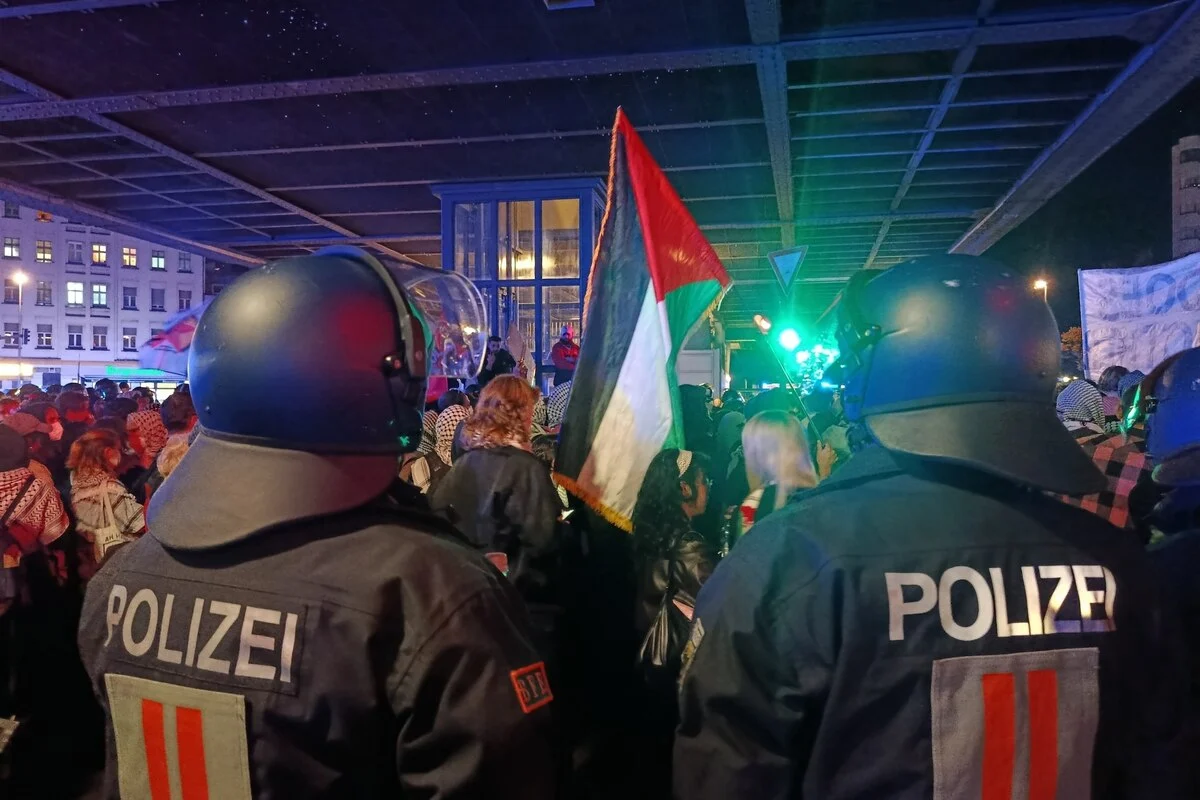
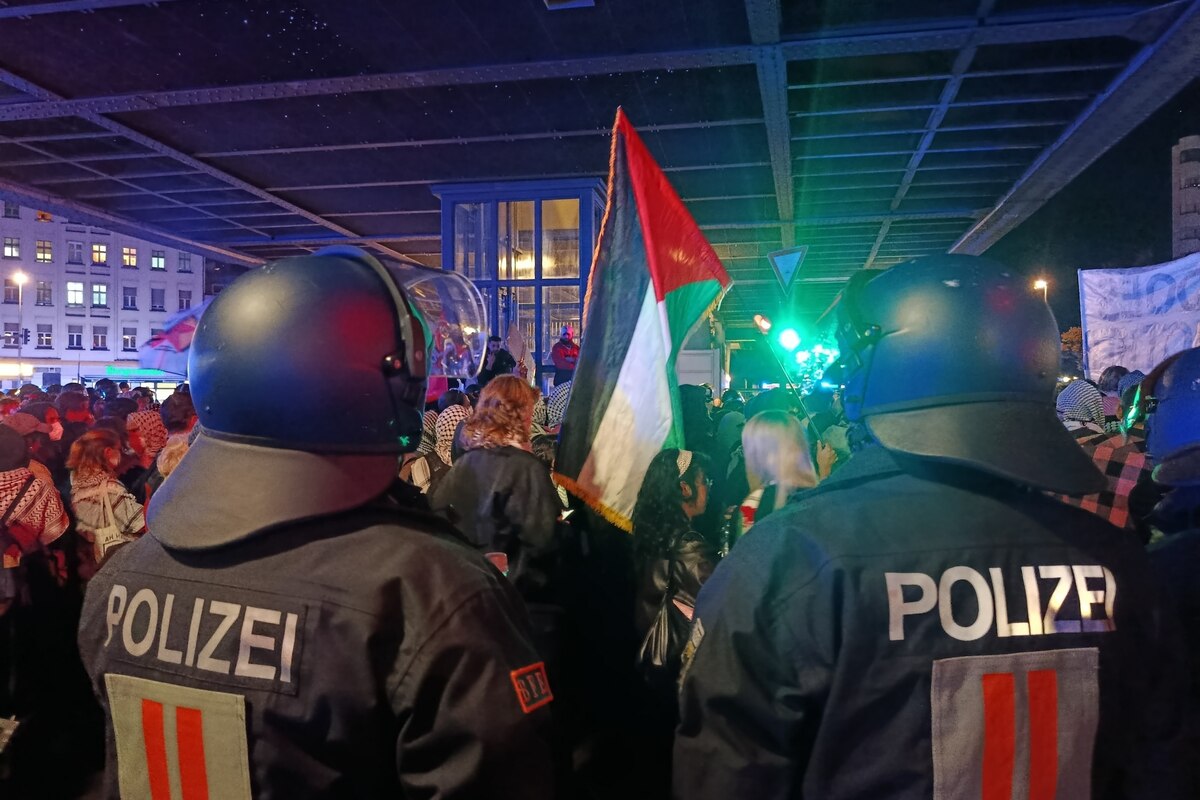
On the evening of the anniversary of the Hamas attacks, what began as a planned demonstration of 150 people quickly ballooned into a crowd of approximately 700, according to police estimates. Organized by various self-described anti-imperialist groups, the march set off from Oranienplatz at 7:00 PM.
The rhetoric on display was not merely critical of Israeli policy; it was an overt endorsement of the atrocities committed on October 7. Banners featured slogans such as “Death to Zionism,” “Glory to the Resistance,” and “All oppressed people have the right to violence.” The presence of the red triangle—a symbol frequently utilized in propaganda videos by Hamas to mark targets—was prominent, serving as a chilling reminder of the violence being glorified.
Perhaps most unsettling was the presence of high-profile figures. Greta Thunberg, the globally recognized climate activist, was spotted at the demonstration. While her appearance was brief—she was photographed by individuals within the crowd before moving through the ranks—her presence was seized upon by observers as a symbolic alignment with the radical messaging of the march.
Chronology of the Evening
The demonstration was marked by a tense atmosphere from the outset. As the marchers moved through the streets, the air was filled with deafening chants: “Death to Israel,” “Kindermörder [Child-murderers] Israel,” and “What solution? Intifada revolution.”

- 19:00: The march commenced at Oranienplatz. Initial estimates were quickly surpassed as more participants joined the ranks.
- 20:00: As the demonstration progressed, the intensity of the rhetoric escalated. Chants claiming that “Israel burns children, Germany stands behind it” echoed through the streets.
- 21:00: The police maintained a restrained presence for much of the march. However, near Kottbusser Tor, the situation shifted. The police halted the demonstration, citing the presence of prohibited or knotted banners.
- 21:30: Clashes broke out, leading to two arrests on charges of assaulting police officers. Despite the intervention, the march continued, with the sounds of drums and chants of “Viva, viva Palestina” persisting until the final destination.
Supporting Data and Context
To understand the gravity of the event, one must look at the context of the October 7 massacre. On that day, 1,200 people were killed, the vast majority being civilians, and 250 were taken hostage. These events triggered a war in Gaza that has led to a catastrophic humanitarian crisis.
The organizers of the Berlin march, however, explicitly rejected any moral framing of the massacre as a tragedy. In pre-demonstration calls, they characterized October 7 as a “blow to the heart of the settler-colonial project” and argued that the “myth of Zionism’s invincibility” had been shattered.
The police have confirmed that they are currently investigating the demonstration for the glorification of violence. Under German law, the public approval of criminal acts that disturb the public peace is a punishable offense. The state’s slow intervention has raised questions about whether the authorities are equipped or willing to police the fine line between political expression and the endorsement of terror.

Official and Civil Society Responses
The response from the broader political spectrum and the left-wing scene itself has been one of profound repulsion. The neighborhood initiative Wrangelkiez United issued a scathing statement, describing the demonstration as a moral failure.
“To hold such an event on the anniversary of the Hamas attack and the killing, rape, and kidnapping of civilians is wrong and lacks any moral or political compass,” the group stated. They emphasized that while it is legitimate to protest against displacement, occupation, and racism, such protests must not abandon fundamental emancipatory principles, including the rejection of sexual violence and the killing of civilians.
This sentiment was echoed by counter-protesters who stood along the sidelines. Many held Israeli flags, while others carried placards denouncing antisemitic terror. One elderly man, wearing a kippa, expressed his disillusionment with the modern left: “I used to think I was a leftist, but with these people, I don’t know anymore.”

His testimony highlights a growing schism within the political left. The event served as a stark indicator that a segment of the anti-imperialist movement has transitioned from a critique of state policies to an uncritical, celebratory embrace of fundamentalist violence.
Implications: A City Divided
The events of the anniversary underscore a deep-seated crisis in Germany’s public discourse. The tolerance shown to a demonstration that openly celebrates a massacre suggests that the "Never Again" promise, a cornerstone of post-war German identity, is facing an unprecedented challenge.
The Erosion of Consensus
The demonstration was not an isolated incident but part of a wider trend observed since the escalation of the conflict. The normalization of slogans like "From the River to the Sea" and the outright denial of Israel’s right to exist have become common features of these rallies. By framing the massacre as an act of "resistance," the participants have effectively insulated their ideology from the reality of the victims, treating human lives as collateral damage in a theoretical struggle.

The Challenge to Authorities
The police force’s decision to allow the demonstration to continue for so long, despite the clear presence of hate speech, reflects the immense pressure on German authorities. They must balance the constitutional right to assembly with the legal obligation to prevent the glorification of violence. However, the optics of such a march occurring on the anniversary of the worst massacre of Jews since the Holocaust have left many in the Jewish community feeling unprotected and alienated.
Looking Ahead
The fallout from the October 7 anniversary in Berlin will likely continue to reverberate. It has forced a uncomfortable confrontation within the political left regarding the compatibility of their values with those of radical anti-imperialist groups. As the conflict in the Middle East continues, the question for German society remains: How can a democracy protect its values when faced with movements that explicitly reject the humanity of those they target?
The march in Berlin was more than just a protest; it was a symptom of a fractured moral landscape. The "shame" felt by many who witnessed the event is a warning that the foundational principles of a free society—human dignity, empathy for victims, and the rejection of terror—are under threat from a radicalism that hides behind the language of liberation. As long as such demonstrations are allowed to occupy the streets without significant repercussions, the shadow of the October 7 massacre will continue to grow, not just in the Middle East, but in the heart of Europe.