The silver screen has dimmed for one of its most enduring luminaries. Eva Marie Saint, the quintessential "Hitchcock blonde" and a powerhouse of mid-century American cinema, has died at the age of 102. Her passing marks the end of an era, closing the book on a career that spanned seven decades and defined the golden age of Hollywood acting.
Her death, confirmed by her representative, occurred peacefully at her home in Los Angeles, surrounded by her family. Saint was more than just a performer; she was a bridge between the rigorous emotional honesty of New York’s Method acting scene and the polished, high-stakes world of mid-century Hollywood blockbusters.
The Rise of a Star: From Broadway to the Waterfront
Born on July 4, 1924, in Newark, New Jersey, Eva Marie Saint grew up in a Quaker household that instilled in her a lifelong sense of discipline and humility. Though she initially enrolled at Bowling Green State University with aspirations of becoming a teacher, the lure of the stage proved irresistible. After moving to New York City, she began honing her craft at the prestigious Actors Studio. This was the crucible of the "Method," a technique that prioritized internal emotional truth over theatrical artifice—a style that would become her hallmark.
Her breakthrough came in 1954 with Elia Kazan’s gritty masterpiece, On the Waterfront. Cast as Edie Doyle opposite Marlon Brando, Saint delivered a performance of searing vulnerability and quiet strength. In an industry that often relegated female leads to decorative roles, Saint provided the moral compass for the film. Her work was immediately recognized by the Academy, earning her the Oscar for Best Supporting Actress in 1955. It was a rare feat: a debut film that cemented her status as a generational talent.
A Chronology of Artistic Mastery
Eva Marie Saint’s career trajectory is a roadmap of American film history. Her ability to pivot between intense, character-driven dramas and high-concept suspense thrillers set her apart from her contemporaries.
- 1954: The Debut. On the Waterfront establishes her as a formidable force in drama.
- 1959: The Hitchcock Icon. Alfred Hitchcock cast her as Eve Kendall in North by Northwest. Despite being initially skeptical of the "Hitchcock blonde" trope, Saint brought a sophisticated, layered performance to the role, famously holding her own against Cary Grant in one of cinema’s most iconic chase sequences.
- 1960: Historical Gravity. She reunited with director Otto Preminger for Exodus, portraying a nurse in the post-WWII drama about the birth of the state of Israel.
- 1990: Television Recognition. She earned an Emmy Award for her role in the miniseries People Like Us, proving her longevity across mediums.
- 2006: The Final Blockbuster. In a testament to her enduring relevance, she returned to the screen as Martha Kent in Bryan Singer’s Superman Returns, introducing her talent to a new generation of cinemagoers.
The "Method" and the Muse: Behind the Craft
What defined Saint’s longevity was her refusal to succumb to the "starlet" trap. She possessed a rare blend of self-discipline—rooted in her upbringing—and an insatiable curiosity about the human condition.
"One has had various emotional experiences in one’s own life and hopefully understands things better," Saint once reflected during an interview with Turner Classic Movies. "And that makes you a better actress."
Her approach to acting was deeply internal. Unlike many of her peers who relied on classic training, Saint was a practitioner of the psychological depth encouraged by the Actors Studio. This allowed her to navigate the transition from the black-and-white era of the 1950s into the color-saturated spectacles of the 21st century without ever losing her signature groundedness.
Her career was also marked by a deliberate choice to step away from the limelight. In an industry defined by relentless pursuit of fame, Saint famously opted to prioritize her family life. Her 65-year marriage to director Jeffrey Hayden, which lasted until his death in 2016, was an anomaly in the high-divorce culture of Tinseltown. This stability provided the foundation for a career that could have easily been derailed by the pressures of Hollywood.
Official Responses and Industry Impact
The industry has responded to the news of her passing with a collective sense of loss. Peers, historians, and film organizations have lauded her not just for her accolades, but for her character.
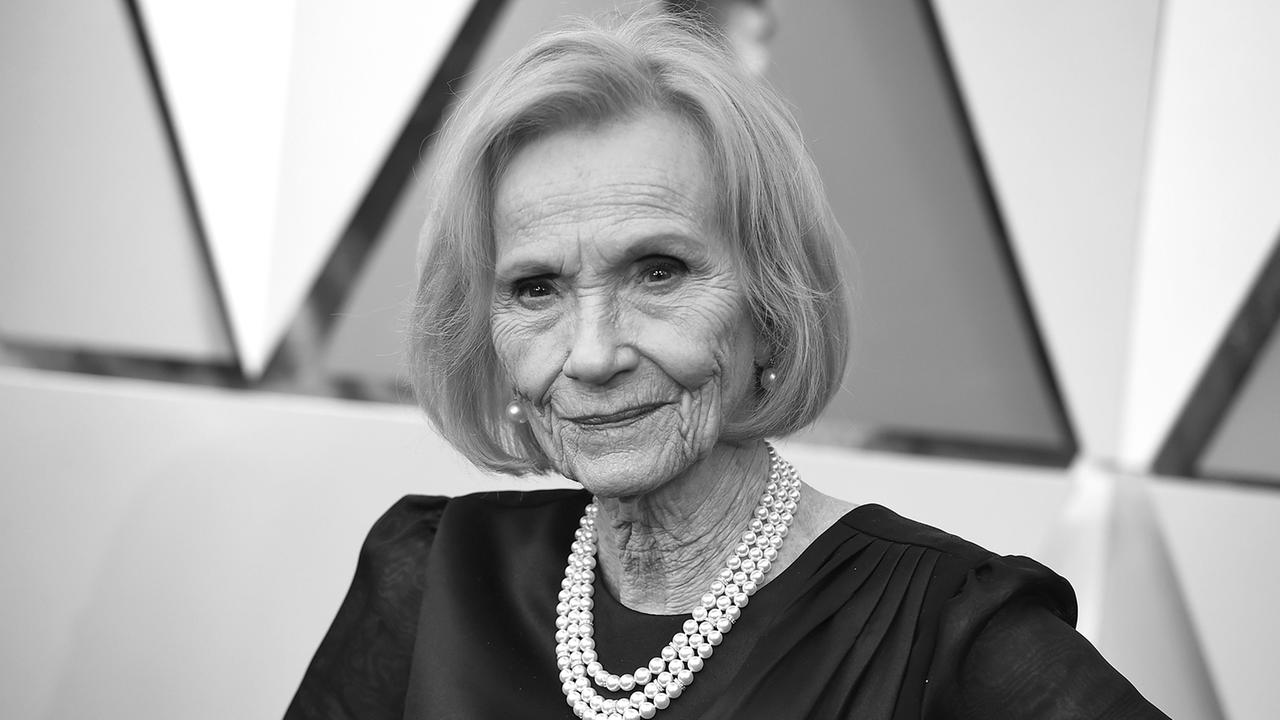
"Eva Marie Saint was the embodiment of the professional actor," said a spokesperson for the Academy of Motion Picture Arts and Sciences. "She approached every script with the same fervor, whether it was a small television spot or a Hitchcock thriller. She leaves behind a legacy of integrity."
Her impact on the acting profession cannot be overstated. By successfully translating the nuances of Method acting to the screen, she helped pave the way for a more naturalistic style of film acting that would dominate the 1960s and 70s. Her two stars on the Hollywood Walk of Fame serve as a permanent reminder of a contribution that spanned decades, genres, and cultural shifts.
Implications: A Legacy Beyond the Screen
The death of Eva Marie Saint marks the loss of a primary source of 20th-century artistic history. As one of the final remaining links to the "Golden Age" of Hollywood, her departure forces a reassessment of the era she helped define.
Her life serves as a case study for longevity in a precarious industry. She proved that an actress could maintain a career without becoming a caricature of her public persona. By choosing roles that challenged her—from the grieving lover in On the Waterfront to the stoic mother in Superman Returns—she remained relevant for over 70 years.
Furthermore, her work with directors like Kazan, Hitchcock, and Preminger ensures that her influence will continue to be felt through the preservation of their works. As film scholars continue to analyze the evolution of acting, Saint’s performances will remain essential texts for students of the craft.
Conclusion: The Final Fade Out
Eva Marie Saint’s life was defined by the same quiet elegance that she projected on screen. Whether she was maneuvering across the face of Mount Rushmore or navigating the complex moral dilemmas of a New Jersey dockside, she remained, above all, human.
In her later years, she often spoke of the importance of living in the moment, a philosophy she applied to her work and her personal life. "I’ve been very lucky," she once noted. "But I’ve also worked very hard."
As the tributes pour in from around the globe, the lasting impression of Eva Marie Saint is one of grace under pressure. She lived through a century of transformation, witnessed the evolution of the moving image from a burgeoning art form to a global digital phenomenon, and remained an essential participant in that story until the very end.
The screen may be empty now, but the light she brought to it—the subtle shift of her eyes, the steady cadence of her voice, and the depth of her emotional commitment—remains preserved in the celluloid of history. Eva Marie Saint was not merely an actress; she was a witness to, and a participant in, the creation of modern American culture. She will be missed, but her work, like the classic films she starred in, is timeless.