

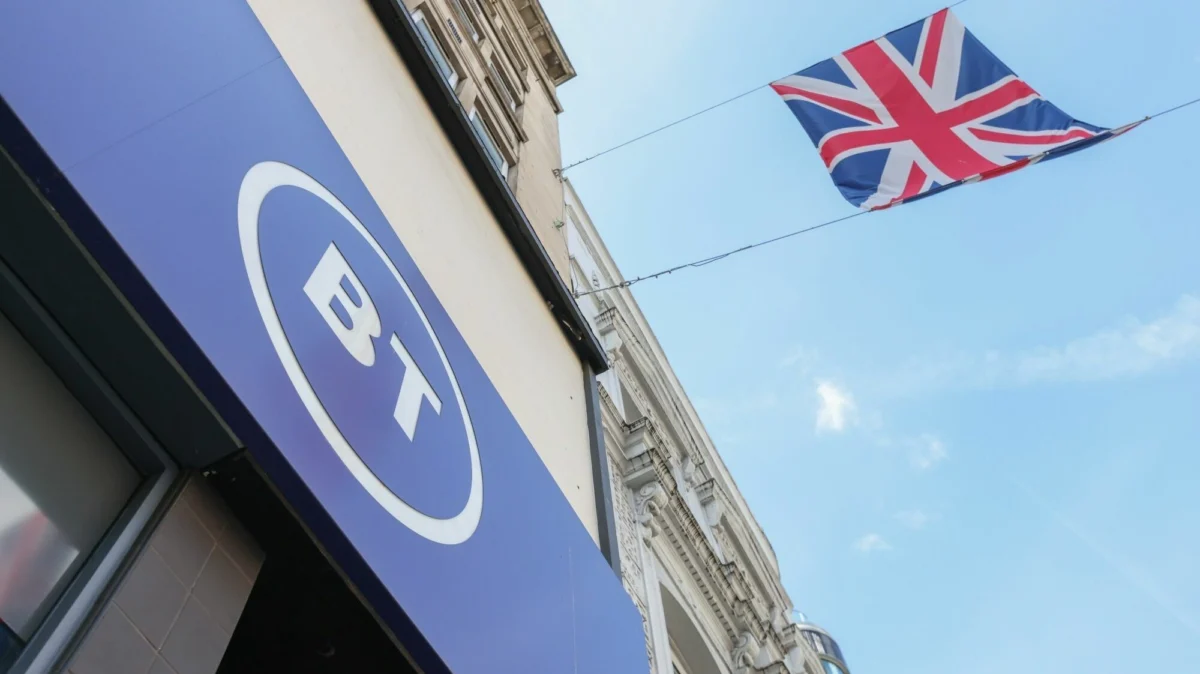
LONDON – In a move that highlights the critical intersection of corporate insolvency and national infrastructure security, the British government has intervened in the proposed acquisition of the distressed telecommunications provider TalkTalk by industry giant BT Group.
As the insolvency proceedings of TalkTalk reach a fever pitch, the UK’s Secretary of State for Science, Innovation and Technology, Lisa Nandy, has taken the rare step of mandating an accelerated review of the £472 million deal. The government’s primary concern centers on the catastrophic potential for service disruption to public institutions and vulnerable populations should the merger fail or the transition falter.
The Core Conflict: Infrastructure Security vs. Corporate Survival
At the heart of this transaction is a fundamental tension between market consolidation and the preservation of essential public services. TalkTalk, once a challenger brand that shook the UK broadband market, has been struggling under a mountain of debt for months. Following an exhaustive and ultimately unsuccessful search for an alternative buyer, the company now stands on the precipice of a total collapse.
BT Group, which operates the nation’s primary telecommunications backbone via its subsidiary Openreach, has positioned its bid as the "only realistic option" to prevent a massive blackout. However, the sheer scale of the integration—and the fact that TalkTalk’s network underpins critical infrastructure, including the UK’s 999 emergency services and communication channels for emergency responders—has prompted the Competition and Markets Authority (CMA) to open an urgent investigation.
The government has set a hard deadline for the CMA: a final report on the implications of the merger must be delivered by October 19.
Chronology of a Crisis: From Market Challenger to Insolvency
To understand the urgency of the current situation, one must look back at the trajectory of TalkTalk over the past decade.
The Rise and Stall
TalkTalk was founded on the promise of affordable, accessible broadband. For years, it successfully pressured incumbents like BT by offering low-cost bundles. However, the company’s business model relied heavily on thin margins and constant customer acquisition. As the cost of upgrading to fiber-optic networks soared, TalkTalk found itself caught in a "debt trap," unable to finance the necessary infrastructure upgrades while simultaneously struggling to retain its 2.5 million subscribers.
The Search for an Exit
Over the last year, reports began circulating that TalkTalk’s board was actively exploring a breakup of the company or an outright sale. Despite interest from various private equity firms and rival telecom entities, no viable offer emerged that could satisfy the company’s creditors. By mid-2024, it became clear that the firm was effectively insolvent.
The BT Intervention
In late summer, BT emerged as the frontrunner. As a long-term wholesale partner—TalkTalk has been one of the largest users of the Openreach network for years—BT is the logical successor to manage the assets. BT CEO Allison Kirkby has been vocal about the necessity of the deal, arguing that a chaotic insolvency of TalkTalk would leave millions of households without internet, a scenario that is politically and socially unacceptable in modern Britain.
Supporting Data: The Scale of the Dependency
The concerns expressed by Lisa Nandy are not merely precautionary; they are based on the deep integration of TalkTalk’s network within the UK’s public sector.
- Public Sector Reliance: TalkTalk provides dedicated broadband and telephone lines for various local government agencies and public-facing organizations. A sudden termination of service would disrupt administrative operations across dozens of municipalities.
- Emergency Services: Perhaps most critically, the routing of emergency calls (999) and the data networks used by police and ambulance services rely on the robustness of the underlying infrastructure that TalkTalk leases and manages. Any instability during a migration of these services to BT’s systems could have life-or-death consequences.
- The 2.5 Million User Base: Beyond public infrastructure, the sheer volume of 2.5 million residential and small business customers creates a "too big to fail" scenario. If these connections were severed, the immediate pressure on BT’s own customer service infrastructure to absorb these users would be unprecedented, potentially leading to service degradation for existing BT, EE, and Plusnet subscribers.
Official Responses and Political Maneuvering
The intervention by the Department for Science, Innovation and Technology marks a significant pivot in how the UK government handles telecom consolidation.
The Government’s Position
Minister Lisa Nandy’s statement on Monday was clear: while the government recognizes the necessity of preventing a collapse, it cannot allow a "monopoly by default" to form without rigorous scrutiny. The instruction to the CMA to accelerate the review is a middle-ground approach—it acknowledges the time-sensitive nature of the insolvency while asserting the state’s duty to protect public interests.
BT’s Stance
BT leadership, led by CEO Allison Kirkby, remains confident that the deal will pass. In their internal briefings, they have emphasized that the merger is not about market dominance, but about "service continuity." BT argues that because they already provide the physical infrastructure via Openreach, the transition would be seamless and would actually improve the quality of service for former TalkTalk customers.
The CMA’s Challenge
The CMA is currently in a difficult position. Usually, a merger of this size would undergo a standard, months-long Phase 1 and potentially a Phase 2 investigation to ensure that competition is not stifled. By compressing this timeline to meet the October 19 deadline, the regulator must balance its anti-trust mandate with the immediate risk of a systemic network failure.
The Implications for the Future of UK Telecoms
The outcome of this investigation will set a precedent for the UK telecommunications market for years to come.
1. Market Consolidation and Competition
If the merger is approved, the UK market will move one step closer to an oligopoly. With TalkTalk gone, the remaining players—Virgin Media O2, Vodafone, and the combined BT/EE/Plusnet entity—will dominate the landscape. Critics argue that this reduces the pressure on prices, while proponents argue that it creates a more stable, investable market capable of funding the next generation of 6G and gigabit fiber infrastructure.
2. The Role of "Infrastructure as a Utility"
This situation is forcing a debate on whether essential telecom services should be treated as utilities. If a company as large as TalkTalk can fail so spectacularly that the government must force a merger to protect public safety, it suggests that the current regulatory framework is insufficient. We may see new legislation in the coming years that requires providers of "critical national infrastructure" to hold higher capital reserves or operate under stricter insolvency protocols.
3. The Future of the "Budget" Brand
One of the casualties of this potential merger will likely be the budget-friendly, independent image that TalkTalk cultivated. While BT will likely maintain the brand for a period, industry analysts expect a gradual migration of customers to the EE or BT platforms. This transition will likely result in price increases for consumers, potentially sparking further debate about the cost of living and the accessibility of essential digital services.
Conclusion
The fate of TalkTalk is now in the hands of the CMA and the UK government. As October 19 approaches, all eyes will be on whether the regulators can find a path that ensures the stability of the nation’s digital heartbeat without permanently undermining the competitiveness of the UK’s telecommunications sector.
For the 2.5 million customers currently in limbo, the hope is for a seamless transition. For the broader industry, the saga serves as a sobering reminder that in an increasingly digital world, the stability of corporate networks is a matter of national security, not just corporate profit. The government’s intervention ensures that while BT may be the savior of the network, they will not be permitted to take control without answering to the public’s most fundamental needs.

























