Introduction: The Crisis of the "Duty-Free" Loophole
The European retail landscape is currently undergoing its most significant disruption since the advent of the internet. A deluge of low-cost, direct-to-consumer packages from Chinese e-commerce giants—most notably Temu and Shein—is flooding the European Union. While consumers enjoy the convenience of ultra-cheap goods delivered to their doorsteps, the brick-and-mortar retail sector is sounding a desperate alarm.
The Handelsverband Deutschland (HDE), the primary voice for German retailers, has issued a stark warning: the European Union’s current legislative attempts to curb this influx are akin to using a sieve to hold back the ocean. Stefan Genth, HDE’s Chief Executive, has explicitly stated that the measures taken by Brussels are insufficient, predicting that giants like Temu and Shein will simply adapt their logistics and pricing strategies, leaving the status quo largely untouched.
The Core Conflict: Why Current Measures Fall Short
At the heart of the HDE’s frustration is the perceived lack of resolve from EU regulators. The e-commerce platforms in question utilize sophisticated algorithmic supply chains that allow them to operate on razor-thin margins, effectively bypassing traditional European cost structures.
"Temu, Shein, and all the others like them will adapt, and they will continue," Genth remarked in an interview with the news portal t-online. His assessment is rooted in the sheer scale of the operation. While the EU has introduced new, albeit minor, administrative hurdles, the fundamental business models of these platforms remain profitable.
The Scale of the "Packet Tsunami"
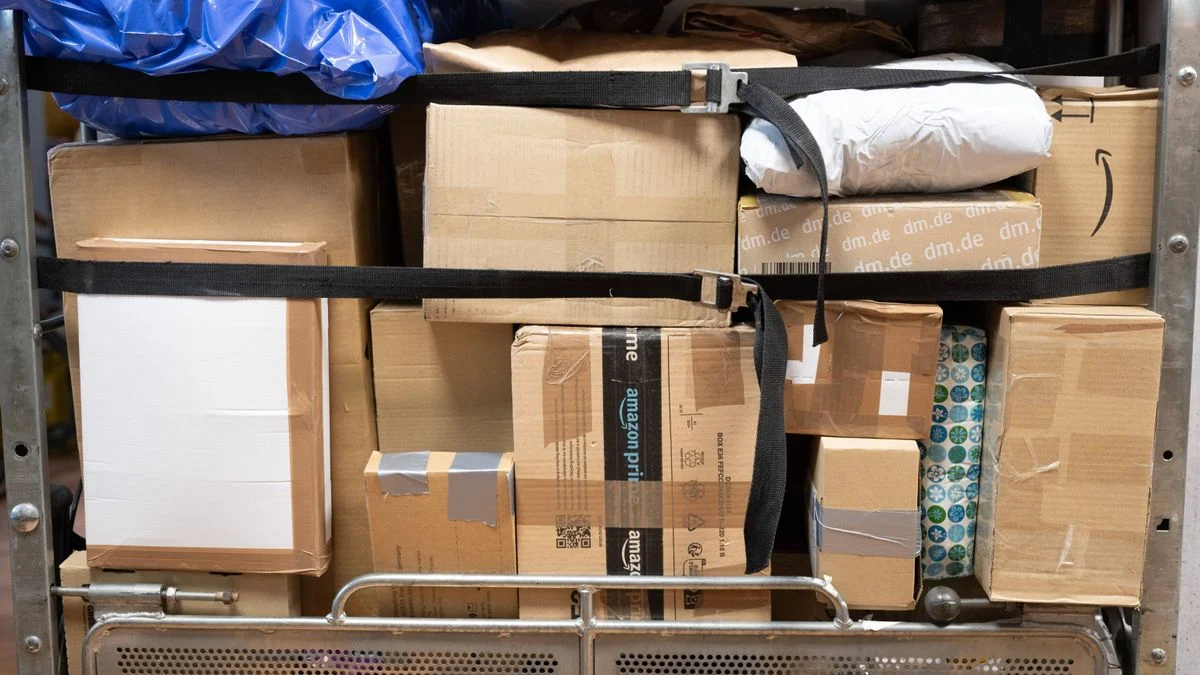
To understand the frustration of domestic retailers, one must look at the raw data. According to the European Commission, a staggering 5.9 billion shipments valued at less than €150 entered the EU last year alone. That equates to roughly 16 million parcels every single day. Perhaps most tellingly, a high-ranking EU official confirmed that over 90 percent of these shipments originate from China.
For Germany, which serves as the largest and most lucrative market in the EU, the situation is acute. While specific daily parcel counts for Germany remain difficult to isolate, Genth emphasizes that even a moderate reduction in volume—say, by a third—would still leave the country contending with hundreds of thousands of individual deliveries daily. "We are scratching the surface of their business model, but unfortunately, we are not stopping Shein or Temu," Genth added.
Chronology: The Evolution of EU Regulatory Resistance
The struggle between European authorities and ultra-fast-fashion/discount platforms has evolved through three distinct phases:
- The "Wild West" Era (Pre-2023): For years, the de minimis rule allowed goods valued under €150 to enter the EU without any customs duties. This created a massive incentive for Chinese firms to ship products individually rather than in bulk, bypassing the import taxes that traditional European retailers pay on container-shipped inventory.
- The Recognition Phase (2023): As the volume of packages exploded, European tax authorities and retail lobbyists began to realize that the "de minimis" exemption was essentially subsidizing foreign competitors. Public outcry grew over the lack of product safety testing and the environmental impact of millions of individual air-freighted packages.
- The Current Regulatory Push (July 2024 to present): As a response to pressure, the EU implemented a flat-rate customs duty of €3 per product category for packages valued up to €150. This represents a symbolic move toward creating a level playing field, but as industry analysts note, it is a drop in the ocean compared to the massive price advantages these platforms hold.
Supporting Data: How the €3 Levy Impacts the Bottom Line
The implementation of the €3 customs fee per product category, which took effect in July, was intended to curb the "import-everything" culture. However, the mechanism is complex and arguably ineffective.
For instance, if a consumer orders three T-shirts in a single shipment with a total value of €30, they are hit with a €3 fee. If that same package also includes a low-cost plastic toy, an additional €3 is triggered, bringing the total duty to €6.
While this sounds like a deterrent, critics point out three primary issues:
- The Cost-Pass-Through: Rather than absorbing these costs, many vendors are simply passing the €3 surcharge directly to the consumer. Because the base prices are so low—often 50% to 70% cheaper than local retail equivalents—the additional €3 is barely noticeable to the average shopper.
- Administrative Friction vs. Economic Barrier: The fee is primarily an administrative nuisance rather than a structural barrier that alters the competitive advantage of the Chinese companies.
- Scale of Non-Compliance: There is ongoing concern regarding the ability of customs authorities to accurately value and categorize 16 million daily packages, leading to widespread under-reporting.
Official Responses and Political Implications
The EU is caught in a difficult balancing act. On one hand, it faces pressure from the HDE and domestic manufacturers to protect European jobs and adhere to strict environmental and safety standards. On the other hand, it must navigate consumer demand for affordable goods during a period of high inflation and stagnant economic growth.
The Retailer’s Perspective
The HDE argues that the "level playing field" is an illusion. European retailers are subject to rigorous regulations regarding chemicals in textiles, worker safety, and waste management (the "Green Deal" requirements). Chinese platforms, by shipping directly to consumers, often bypass the rigorous import inspections that traditional retailers face at the border.
The Regulator’s Perspective
EU officials are struggling with the sheer logistics of the influx. Controlling 16 million packages a day would require a massive expansion of customs staff and infrastructure, which is fiscally and politically unpalatable for many member states. Consequently, the EU has favored "light-touch" digital enforcement, which the industry claims is entirely insufficient against platforms that utilize AI to optimize shipping routes and avoid detection.
The Broader Implications: A Threat to the European Industrial Base
The crisis is not limited to the retail sector. There is a growing consensus that the "packet tsunami" is a precursor to a wider industrial struggle. As China faces domestic overcapacity, it is increasingly looking to export its way to growth. This has led to a surge in cheap products—ranging from consumer electronics to heavy industrial machinery—that threaten to undercut European manufacturing.
If the EU fails to implement robust trade defenses, it risks a "hollowing out" of the domestic retail sector, leading to:
- Job Losses: Retail remains one of the largest employers in Europe. A continued migration of sales to overseas platforms puts thousands of store-based jobs at risk.
- Tax Revenue Erosion: As traditional retailers lose market share, the tax revenue (VAT and corporate tax) generated by these companies declines, leaving a hole in national budgets.
- Environmental Degradation: The carbon footprint of 16 million individual air-freight deliveries per day stands in direct opposition to the EU’s stated climate goals.
Conclusion: The Need for Structural Reform
The HDE’s message is clear: the current strategy is failing. To truly address the issue, the EU must move beyond small, per-category fees and look toward more structural changes. This could include:
- Eliminating the de minimis threshold entirely: Making all imported goods subject to full customs and VAT, regardless of value.
- Increased Enforcement of Product Safety: Holding platforms legally liable for the safety and compliance of every item sold through their portals.
- Digital Customs Integration: Using blockchain and advanced AI at the EU border to track and tax every incoming shipment in real-time, removing the ability of platforms to "game" the system.
As Stefan Genth warned, without decisive action, the status quo will remain. The retail landscape of Europe is being permanently altered, and unless the EU finds the political will to match the agility of its competitors, the current "Billig-Boom" (cheap goods boom) will continue to erode the foundations of the traditional European market.