Introduction: A Clash of Visions for Europe’s Future
The European Union is currently embroiled in a high-stakes geopolitical and fiscal standoff that threatens to paralyze its legislative agenda for the next decade. At the heart of the crisis is the "Multi-annual Financial Framework" (MFF)—the long-term budget that dictates the bloc’s spending priorities from 2028 to 2034. A new compromise proposal, tabled by the Irish Presidency of the Council of the EU, has been met with immediate and fierce rejection by a broad coalition of political forces in the European Parliament.
The dispute is not merely about accounting; it is a fundamental clash over the identity and global standing of the European project. On one side, a powerful alliance led by Manfred Weber (EPP) and joined by the S&D, Renew, and the Greens, argues that the proposed cuts will gut Europe’s capacity to act in an increasingly volatile world. On the other side, a coalition of "net contributor" states—including Germany, the Netherlands, Sweden, and Austria—demands significantly leaner spending, setting the stage for a protracted period of legislative gridlock.
The Chronology of the Stalemate
The current friction stems from the evolution of the budget negotiations, which began with high ambitions from the European Commission, led by Ursula von der Leyen.
- The Commission’s Initial Pitch: The Commission originally presented a budget proposal totaling approximately €1.985 trillion, designed to address the "poly-crisis" era—including climate change, the green transition, digital sovereignty, and the urgent need for enhanced defense capabilities.
- The Rise of Austerity Pressures: As economic headwinds intensified and internal debates over fiscal discipline grew louder in national capitals, the pressure to trim the Commission’s "ambitious" figure mounted.
- The Irish Compromise (Saturday): In an attempt to bridge the gap between the spenders and the savers, the Irish Presidency introduced a revised framework. This proposal slashed the total budget to €1.826 trillion—a reduction of approximately €159 billion compared to the original Commission plan.
- The Immediate Backlash: Within hours of the release, the four largest political groups in the European Parliament (EPP, S&D, Renew, and the Greens), representing 454 of the 720 MEPs, issued a joint statement declaring the compromise "unacceptable."
Supporting Data: Where the Money Goes
The core of the controversy lies in the specific allocation of the €159 billion in cuts. The Irish proposal disproportionately targets areas that the Parliament views as the "engines" of future European prosperity and security.
- Competitiveness and Research: Significant reductions are planned for R&D funding, which the Commission had earmarked for fostering European innovation in semiconductors, AI, and green tech.
- Defense and Security: Amidst the ongoing war in Ukraine and the need for increased NATO-aligned military integration, the cuts to defense spending are viewed by the Parliament as a strategic blunder.
- Foreign and Development Policy: The proposed reduction in external action funds threatens to weaken the EU’s ability to project "soft power" and provide aid to the Global South, which experts argue is essential for managing migration and maintaining geopolitical influence.
For the net-contributor states, however, these figures represent necessary fiscal prudence. These nations argue that the Commission’s initial budget was untethered from the fiscal realities of post-pandemic economies, where national debt levels remain high and inflation continues to eat into the purchasing power of European citizens.
The Political Schism: Weber vs. Merz
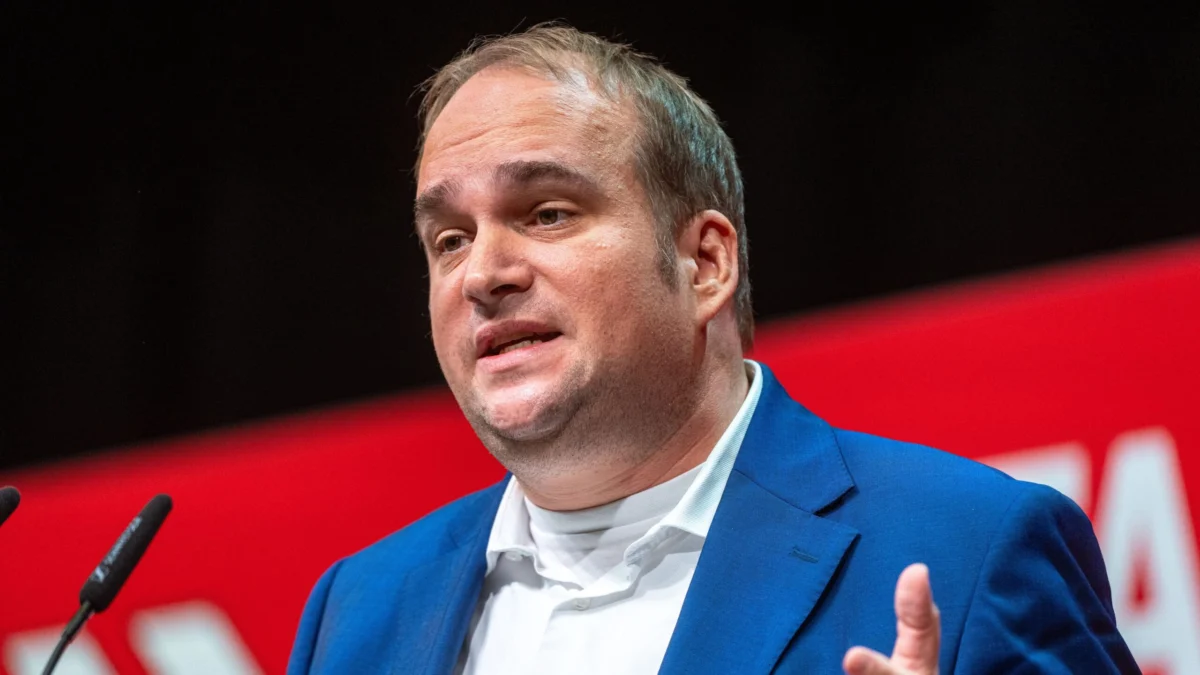
Perhaps the most intriguing development in this saga is the emerging rift within the German political landscape. Manfred Weber, chair of the European People’s Party (EPP), has positioned himself at the vanguard of the pro-budget camp. His rhetoric is sharp: he characterizes the proposed cuts as a threat to the Union’s long-term survival.
Interestingly, this puts him in direct confrontation with Friedrich Merz, leader of the CDU. While both men represent the center-right, their tactical approaches differ wildly. Merz has also rejected the Irish proposal, but for the opposite reason: he deems it too generous. Merz and his allies in the CDU have signaled that the €1.826 trillion figure is still far too high, arguing that the German taxpayer—as the EU’s largest net contributor—cannot sustain such a massive financial burden.
This internal German split highlights the tension between "European" politics and "national" politics. Weber, focused on the functionality of the EU as a whole, fears that a hollowed-out budget will leave the EU unable to fulfill its promises to citizens. Merz, focused on domestic conservative voters concerned with tax burdens and fiscal restraint, is positioning himself as the guardian of the national treasury.
Official Responses and Institutional Friction
The European Commission has not remained neutral in this debate. A spokesperson for the Commission expressed "deep regret" regarding the reduction in total volume. The institutional message from Brussels is clear: the EU cannot lead on the global stage with a shrinking wallet. The Commission argues that the current proposal undermines the very priorities—such as the Green Deal and defense autonomy—that the member states themselves formally agreed upon.
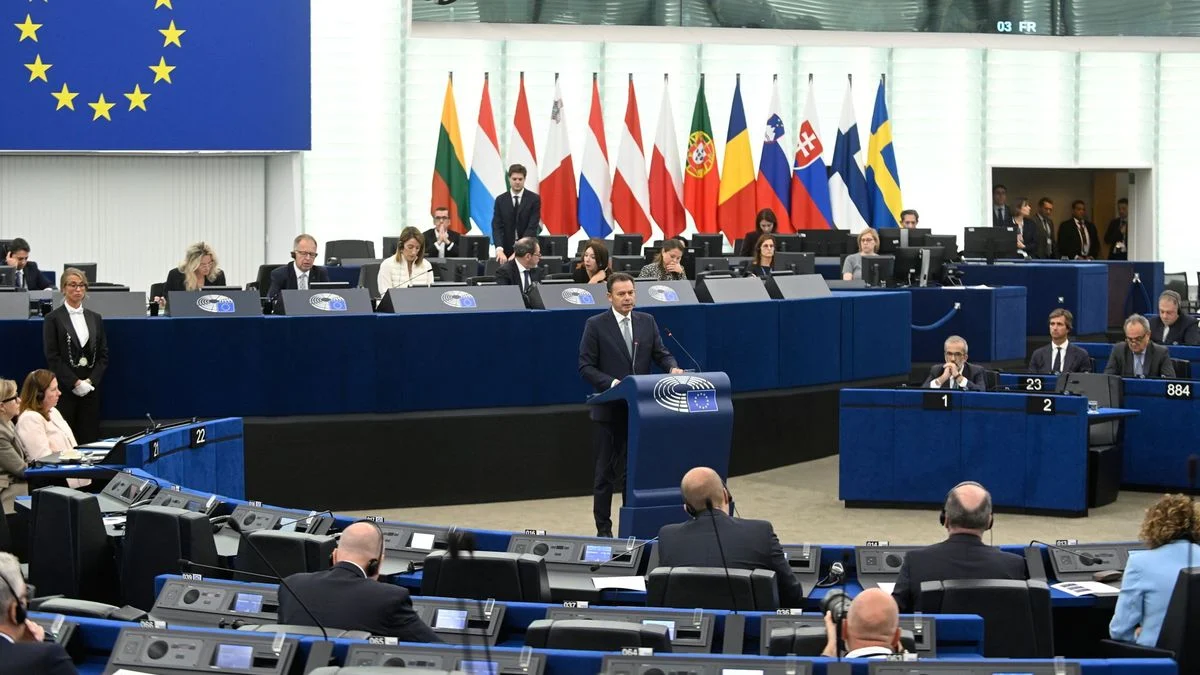
The European Parliament’s joint statement was particularly scathing. "We wish to express our utter dismay at the revised version of the negotiating framework," the leaders wrote. They warned that the proposal cannot serve as a foundation for parliamentary approval, effectively threatening to veto the budget if it is not significantly restructured.
"The proposed cuts endanger the Union’s ability to react to upcoming challenges and to maintain Europe’s role in an increasingly turbulent world," the statement continued. This is not merely a negotiating tactic; it is an existential warning. By withholding consent, the Parliament holds the power to force the Council back to the drawing board, potentially leading to a prolonged crisis that could leave the EU operating on a "provisional" budget—an outcome that would introduce massive uncertainty for thousands of ongoing projects.
Implications for the European Project
The impasse over the 2028–2034 budget signals several critical trends in European integration:
1. The End of the "Easy" Consensus
For years, the EU has relied on a broad consensus among the center-right and center-left to pass budget deals. The current divide, exacerbated by the rise of populist movements and the varying economic fortunes of member states, suggests that future budget negotiations will be characterized by intense, zero-sum bargaining.
2. The Defense-Economy Dilemma
The debate exposes a painful irony. While almost every EU leader publicly calls for a "Stronger Europe" capable of defending itself and competing with China and the US, there is no agreement on how to pay for it. The refusal to increase the budget while simultaneously demanding higher spending in defense and research creates a "policy-funding gap" that may eventually break the EU’s credibility.
3. The Power of the Purse
The European Parliament is signaling that it intends to use its institutional authority to the fullest. By aligning across party lines, the 454 MEPs who oppose the cuts are effectively holding the Council hostage. This represents a maturing of the legislative process in Brussels, where the Parliament is no longer a passive rubber-stamp institution, but a co-equal actor with the power to derail the plans of national heads of state.
4. A Test of Leadership for von der Leyen
For Commission President Ursula von der Leyen, the coming months will be the ultimate test of her mediation skills. She must convince the fiscally conservative net-contributors that the budget is essential for European sovereignty, while simultaneously keeping the Parliament on board without alienating the capitals that ultimately control the checkbook.
Conclusion: A Turning Point
The dispute over the MFF is more than a technical budgetary exercise; it is a battle for the soul of the European Union. If the current trajectory continues, the EU risks entering a period of decline where it is defined more by what it cannot afford than by what it can achieve.
As the negotiations continue, the eyes of the world remain fixed on Brussels. Will the bloc find the political courage to invest in its future, or will the "austerity-first" camp force the EU into a state of managed decline? For Manfred Weber, the answer is clear: the current proposal is a path to irrelevance. For Friedrich Merz and his allies, it is a path to fiscal ruin. Somewhere between these two extremes lies the future of Europe—a future that is looking increasingly uncertain.