The geopolitical stability of the Middle East has entered a period of unprecedented volatility. Recent events, centered on a series of devastating attacks on the King Khalid International Airport in Riyadh and the broader maritime theater of the Strait of Hormuz, signal a dangerous escalation in what is being increasingly referred to as the "Iran-Krieg" (Iran War). As regional powers and international stakeholders scramble to contain the fallout, the humanitarian and economic toll continues to mount.
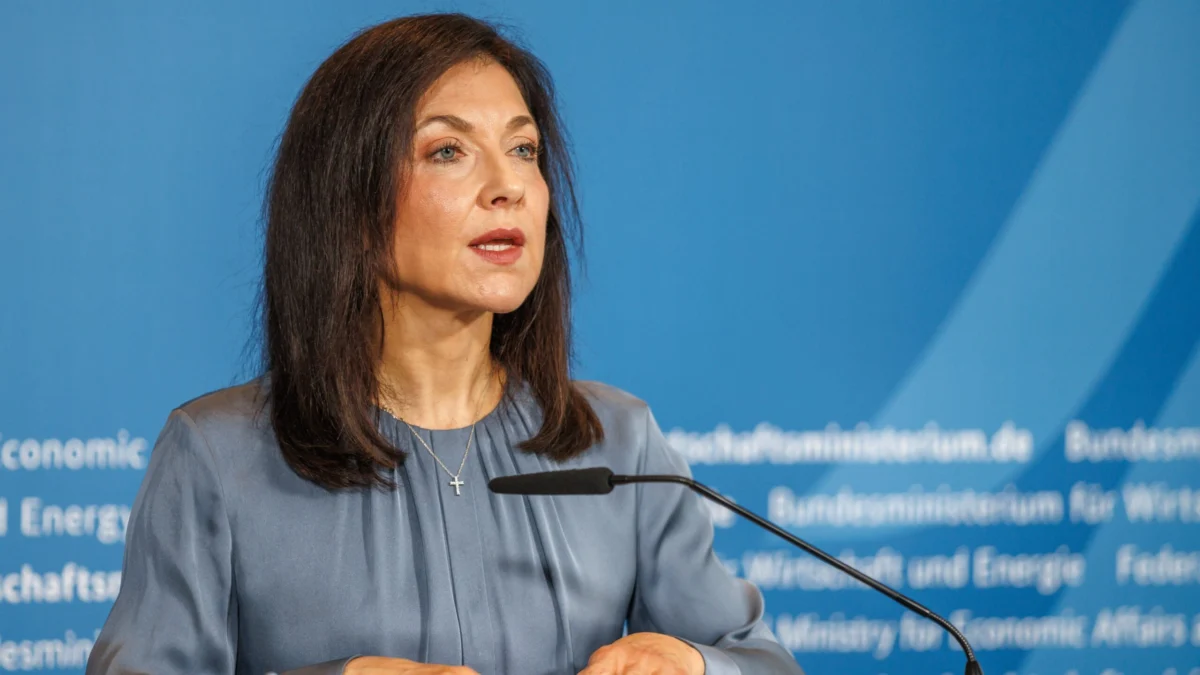
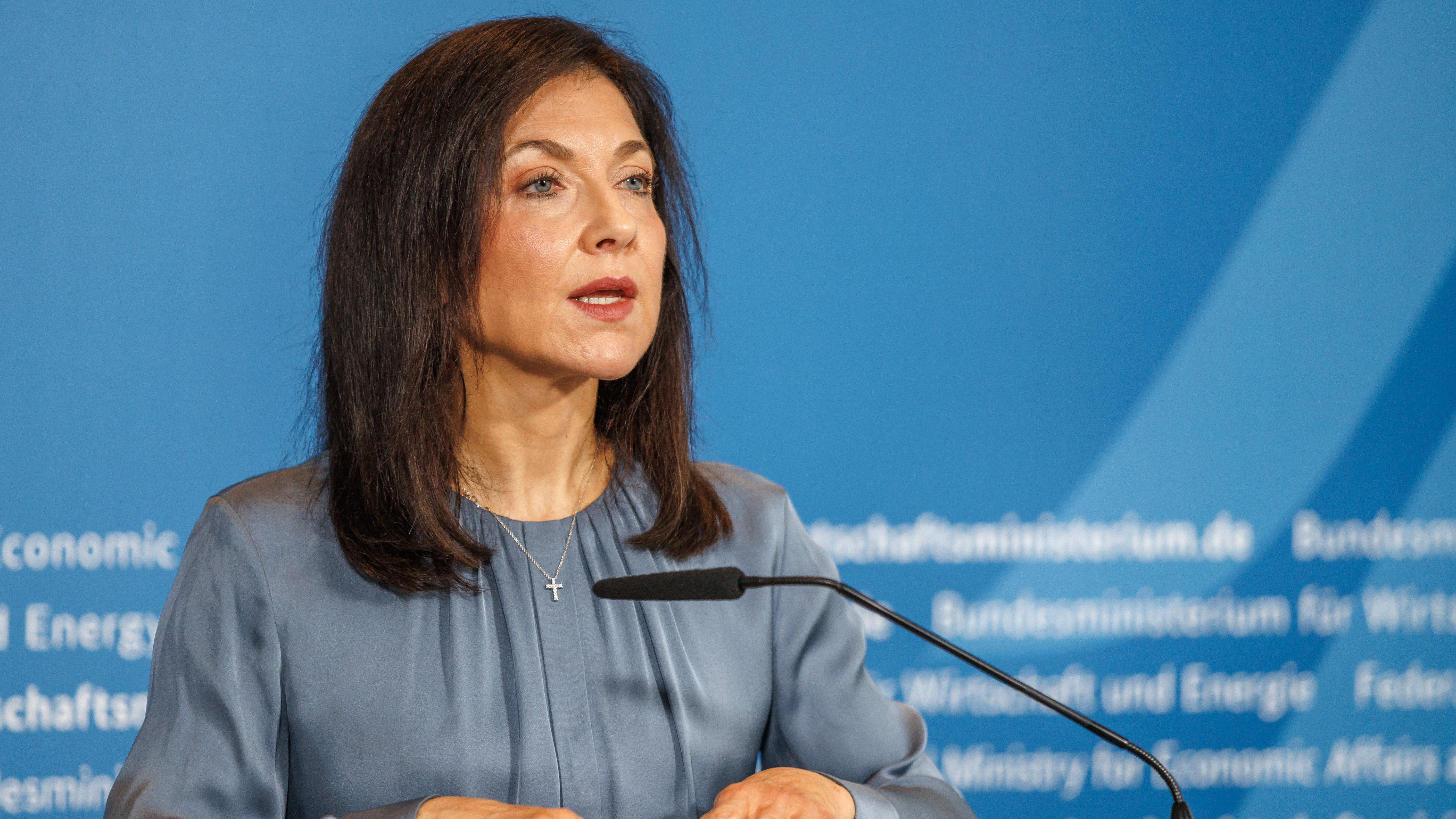
Among those caught in the crossfire was German Federal Minister for Economic Affairs, Katherina Reiche. Following a series of conferences in the Saudi capital, Reiche was forced into a state of involuntary confinement as the airport was shuttered due to persistent aerial attacks. The minister is now reported to be on her way back to Berlin, a small relief amidst a wider landscape of chaos that has left at least twelve dead and hundreds injured in the Saudi capital alone.
Chronology of the Escalation
The current crisis represents a culmination of months of simmering tensions, which have now boiled over into direct kinetic action.
The Attack on Riyadh
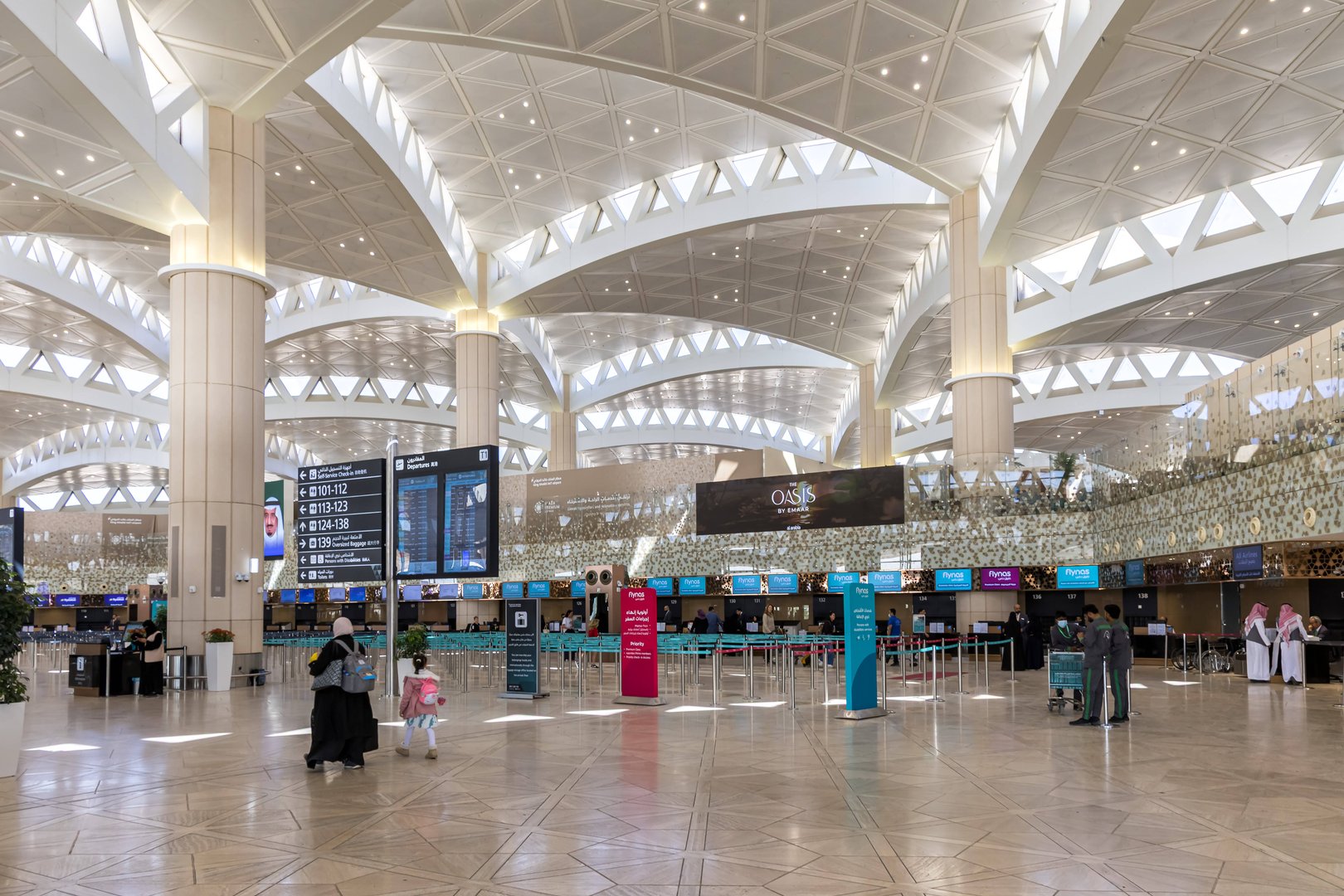
The most severe incident occurred over the weekend when the King Khalid International Airport in Riyadh was struck by projectiles. Saudi authorities have attributed the assault to the Iranian-backed Houthi militia based in Yemen. This was the third and deadliest strike on the facility within a single week. Official reports indicate that the casualties include nationals from Saudi Arabia, the United States, Jordan, Palestine, Sudan, Egypt, and Bangladesh.

The immediate aftermath saw the total suspension of air traffic, with 99.7 percent of all connections canceled on Sunday. As of Monday, approximately 60 percent of flights remain grounded, reflecting a paralyzed aviation sector that is struggling to resume operations under the threat of further strikes.
Maritime Sabotage in the Strait of Hormuz
Simultaneously, the Strait of Hormuz—the world’s most critical maritime chokepoint for energy—has become a graveyard for commercial shipping. Iran’s Revolutionary Guard Corps (IRGC) has claimed responsibility for a series of attacks on supertankers, marking the third such strike in just 48 hours. Reports suggest that these tankers were targeted by naval mines, often deployed via rocket fire.
The British Connection
Adding a new dimension to the conflict, British Prime Minister Andy Burnham has publicly identified the Iranian government as the architect behind a foiled plot to attack the Royal Air Force base at Fairford in the United Kingdom. Speaking before Parliament, Burnham stated that the plot was "with high probability" steered by the IRGC. While Tehran has dismissed these accusations as unfounded, the incident has had immediate geopolitical consequences: the United States has withdrawn its fleet of twelve B-1 bombers from the base, citing the risk of further Iranian-backed sabotage.
Supporting Data and Security Implications
The scope of the current conflict is reflected in the drastic measures taken by global entities to safeguard their assets and personnel.
Aviation and Energy Sector Disruption
The threat is not merely regional; it is global. The U.S. Federal Aviation Administration (FAA) has issued a stern advisory to all American carriers, urging extreme caution for flights operating in or over Saudi airspace. The warning, effective through early December, cites systemic risks including the potential for navigation system jamming and direct military engagement.
Major energy corporations, including BP, ExxonMobil, TotalEnergies, and Shell, have withdrawn their leadership from a high-profile petroleum conference in Riyadh. This exodus highlights a critical reality: the energy infrastructure of the Gulf is currently deemed too insecure for international business, a sentiment that is already beginning to rattle global oil markets.

The Human Cost
Beyond the immediate deaths at the airport, the broader conflict has claimed significant lives. The U.S. Pentagon has confirmed that the total number of U.S. military personnel killed in the context of the current Iran-related hostilities has risen to 21. While the Pentagon initially faced criticism for a lack of transparency regarding these figures, pressure from the U.S. Congress forced a formal correction, revealing that several deaths occurred under non-combat circumstances, including suicides and accidents, yet are now officially classified under the umbrella of the ongoing regional conflict.
Official Responses and Diplomatic Manuevering
As the drums of war beat louder, international actors are attempting to navigate a path toward de-escalation, though progress remains elusive.

The Saudi-Iranian Dialogue
In a rare moment of direct diplomatic contact, Saudi Foreign Minister Prince Faisal bin Farhan has engaged in talks with his Iranian counterpart, Abbas Araghtschi. According to the Saudi state news agency, these discussions aim to address the recent surge in violence. While Iran has expressed a theoretical willingness to support a dialogue between Saudi Arabia and the Yemeni factions, the rhetoric on the ground suggests that the IRGC remains committed to its aggressive posturing.
The "R4" Coalition
A new, informal coalition consisting of Turkey, Pakistan, Egypt, and Saudi Arabia—collectively referred to as the "R4"—has issued a joint statement condemning the Houthi attacks. They have labeled the strikes as a "dangerous escalation" and have demanded an immediate and unconditional cessation of hostilities. Their declaration places the full responsibility for regional instability at the feet of the Houthi leadership and, by extension, their patrons in Tehran.

Israeli Stance
Meanwhile, Israeli Defense Minister Israel Katz has adopted a bellicose stance toward Hamas leadership. In a message that has rippled across social media, Katz explicitly threatened Hamas chief Chalil al-Haja with death, asserting that his "hour will come" and that he will join his comrades "in the depths of hell." This public threat, accompanied by a critique of Turkish President Recep Tayyip Erdogan for his support of Hamas, underscores the multi-front nature of the current Middle Eastern volatility.
Implications for the Future
The situation described above is not a series of isolated incidents but a systemic breakdown of the status quo. The implications are three-fold:

- The Fragility of Global Energy Security: By targeting tankers and critical aviation hubs, the combatants are testing the limits of global patience. Should the Strait of Hormuz be effectively closed or made too dangerous for transit, the resulting price shocks in oil and gas would be catastrophic for an already fragile global economy.
- The Shift in Military Doctrine: The withdrawal of U.S. bombers from RAF Fairford indicates that even long-range air bases are no longer immune to the reach of covert, state-sponsored sabotage. The conflict has moved from the battlefield to the "home front" of Western nations, forcing a reassessment of domestic security protocols.
- The Failure of Traditional Diplomacy: The fact that the U.S. is still "reviewing" Iranian proposals regarding the safety of the Strait of Hormuz while concurrently engaging in military strikes against Iranian-linked shipping demonstrates a profound lack of trust. Diplomacy is moving at a snail’s pace, while the conflict is moving at the speed of a cruise missile.
As Katherina Reiche and other international observers return home, they leave behind a region that is bracing for a protracted struggle. The "Iran-Krieg" has ceased to be a localized dispute between neighbors; it has expanded into a complex, multi-dimensional crisis that threatens the safety of civilians, the stability of global markets, and the integrity of international borders.
For now, the world waits to see if the ongoing diplomatic back-channels can produce a viable ceasefire, or if the current cycle of retribution will continue to spiral toward a wider, more devastating regional war. The silence at the airports in Riyadh and the smoldering wrecks in the Strait of Hormuz serve as stark reminders that in this new era of conflict, no location—and no person—is truly out of reach.