


By International Film Correspondent
September 12, 2026
The 2026 Venice Film Festival, often regarded as the ultimate barometer for the upcoming awards season, concluded tonight on the Lido with a ceremony that balanced cinematic triumph against a backdrop of deep geopolitical tension and ongoing structural debates regarding gender representation in the industry. As the dust settles on the 83rd edition of the world’s oldest film festival, the industry finds itself grappling with the implications of this year’s top honors.
The Golden Lion: A Danish Masterpiece
The highest honor of the festival, the Golden Lion for Best Film, was awarded to Women Unknown, directed by the visionary Danish filmmaker May el-Toukhy. The film, a haunting and meticulously crafted period piece, captures the interior life of a young woman navigating the existential void of post-World War II Denmark. Critics have lauded el-Toukhy for her ability to weave a narrative that is both deeply intimate and broadly resonant.
The success of Women Unknown was bolstered by a powerhouse performance from Mathilde Arcel, who took home the Volpi Cup for Best Actress. Arcel’s portrayal—a masterclass in subtle, restrained emotion—was the heartbeat of the film.
Complementing this, the Volpi Cup for Best Actor went to the veteran performer John Malkovich. Malkovich’s turn as a morally ambiguous CIA operative in the high-stakes political thriller Wild Horse Nine was hailed as a return to form, showcasing a gritty, nuanced performance that anchored the film’s complex narrative structure.
The second-most prestigious award, the Grand Jury Prize, was bestowed upon Possible Love, the latest offering from acclaimed South Korean auteur Lee Chang-dong. Known for his ability to translate philosophical inquiries into cinematic language, Lee’s work continues to hold a distinct place in global auteur cinema, further cementing Venice’s reputation as the premier stage for high-art storytelling.
The "Naza" Phenomenon: A Documentary Under Fire
Perhaps the most discussed film of the festival was the documentary Naza, which walked away with the Special Jury Prize. Directed by the Israeli journalist Rachel Szor in collaboration with colleague Yuval Abraham, the film arrived at the festival with massive momentum.
During its gala premiere at the Sala Grande, the film received a staggering 25-minute standing ovation—a rare event in the history of the festival that immediately signaled its cultural and emotional impact. The documentary features testimonies from anonymous Israeli military personnel and intelligence officers, detailing the operational realities of the conflict in the Gaza Strip, specifically regarding the casualties of Palestinian civilians.
The film, which had been widely tipped as a frontrunner for the Golden Lion, sparked immediate debate. While critics praised its technical precision and its unflinching look at the mechanics of modern warfare, it also drew swift condemnation from official sources. An Israeli military spokesperson released a statement following the award ceremony, reiterating the government’s position that the film lacks necessary context. The spokesperson accused Hamas of embedding military infrastructure within civilian areas, arguing that the documentary’s narrative fails to acknowledge the complexities of urban warfare and the tactical decisions forced upon the Israeli Defense Forces (IDF).
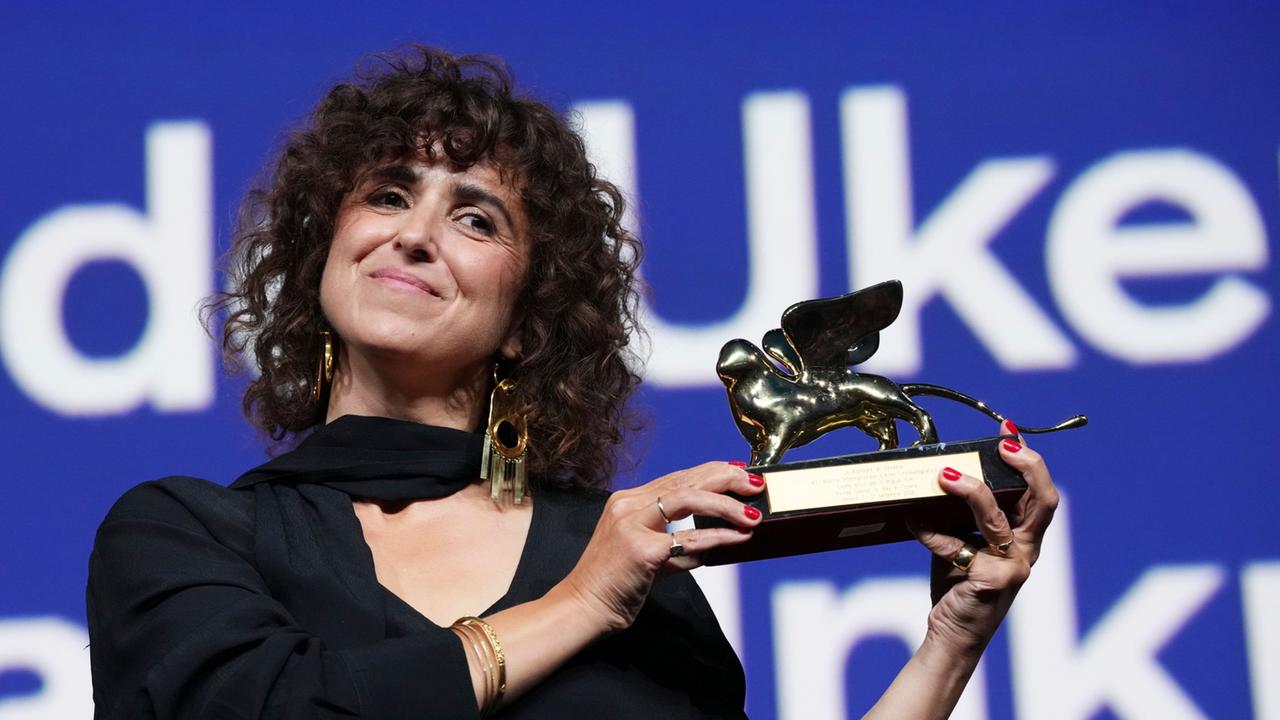
The decision to award the film the Special Jury Prize reflects the jury’s willingness to engage with politically charged, contemporary documentary filmmaking, despite the inevitable friction it creates on the global stage.
Chronology of the 83rd Venice Film Festival
The festival, which opened its doors in late August, was marked by a series of high-profile premieres and intense behind-the-scenes discussions.
- Opening Week: The festival began with a spotlight on the lack of female representation in the main competition. Initial lineups showed only one film by a woman—Women Unknown—leading to immediate protests and press room scrutiny.
- Mid-Festival Surge: The announcement that Naza would be added to the competition as a late entry was seen by many as a tactical move to address the criticisms regarding the selection process, although it did little to alter the overall gender balance.
- The Jury Deliberations: Under the leadership of President Maggie Gyllenhaal, the jury spent days in intense, closed-door meetings. Observers noted that the deliberation process was unusually protracted this year, reflecting the ideological divide within the jury members regarding the role of film as a tool for political advocacy.
- The Closing Ceremony: The final awards recognized a blend of traditional narrative mastery and raw, contemporary investigative cinema.
The Gender Representation Crisis
Beyond the films themselves, the 2026 Venice Film Festival will be remembered for its ongoing struggle with structural inequality. The initial realization that Women Unknown was the sole entry directed by a woman in a 20-film lineup triggered a fierce debate.
Jury President Maggie Gyllenhaal addressed this head-on during the opening press conference. "There is a systemic problem here," Gyllenhaal stated, speaking with the authority of both an actress and an established director. "It is far more difficult for women to secure the financing, the distribution, and the institutional support required to bring a vision of this scale to a festival like Venice. We are not just talking about selection; we are talking about the pipeline."
The festival organizers attempted to mitigate the backlash by highlighting the documentary entries and sidebar programs, but activists argue that this is a "band-aid solution." The consensus among industry experts is that the festival’s prestige is increasingly tied to its ability to showcase a diverse range of voices. The lack of gender parity is no longer seen as a mere oversight, but as a failure of the festival’s responsibility to lead the industry toward a more equitable future.
Implications for the Future of Cinema
The 2026 awards indicate a shift in what the international film community values. There is a clear tension between the "prestige" narrative—exemplified by the classic structure of Women Unknown—and the "investigative" narrative, represented by Naza.
- Political Responsibility: The success of Naza suggests that film festivals are moving away from the "ivory tower" model. Directors are increasingly expected to act as documentarians of current events, and juries are increasingly rewarding those who take risks with sensitive, real-world subject matter.
- The Financing Gap: The comments made by Gyllenhaal highlight that the issue of representation is, at its core, a financial one. As the industry faces economic headwinds, the films that get "greenlit" are often the safest bets. If festivals like Venice do not prioritize diversity in their selections, they risk becoming historical museums rather than crucibles of modern thought.
- The "Venedig" Brand: As a direct rival to the Cannes Film Festival, Venice has historically leaned into its history and tradition. However, this year proved that the brand must evolve to accommodate the digital age’s demand for transparency, diversity, and social accountability.
As the attendees return home, the conversation in the industry is clear: the awards are just the beginning. The real test will be how the festivals of 2027 and beyond address the criticisms leveled against them. For now, the world celebrates the craft of May el-Toukhy and the bravery of the filmmakers behind Naza, but the shadow of the systemic issues raised this week will linger long after the red carpet is rolled up.
The 83rd Venice Film Festival has proven once again that cinema is not merely a form of entertainment—it is a vital, and often volatile, mirror of the world we inhabit. Whether that mirror reflects a changing industry or one stubbornly resistant to progress remains to be seen.