In the high-stakes world of elite triathlon, the difference between standing on the podium and fading into obscurity is often measured in seconds. However, at this year’s "Finals" event in Hannover, the difference was measured in something far more tangible: a pair of missing running shoes. In a bizarre and unprecedented incident that has sent ripples through the German multisport community, DSW 12 Darmstadt athlete Luis Rühl found himself at the center of a logistical nightmare that turned a championship quest into a test of physical endurance and sportsmanship.
The Main Facts: A Race Disrupted
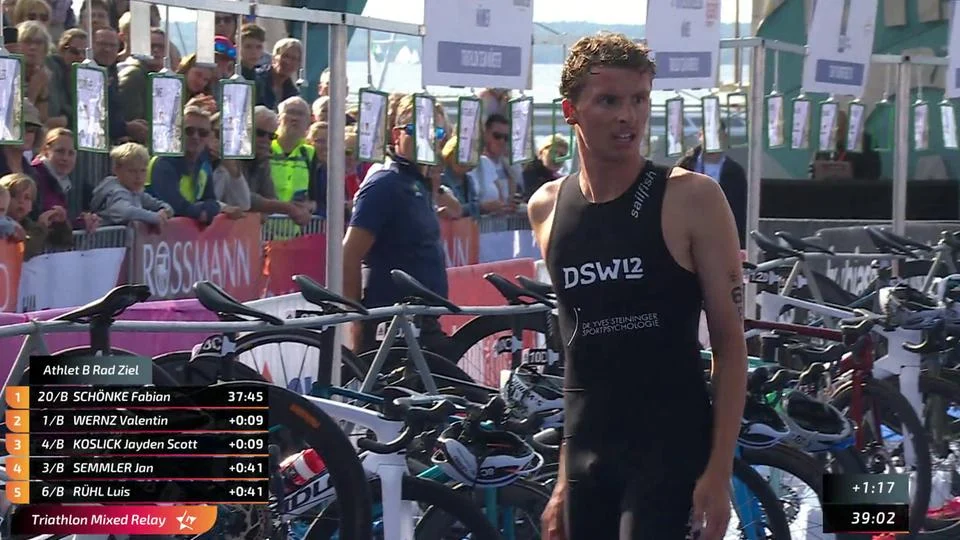
The incident occurred during the highly anticipated Triathlon Mixed Relay, an event defined by its blistering pace and rapid-fire transitions. As the athletes transitioned from the cycling segment to the final leg of the race, the 20-year-old Rühl reached his designated spot in the transition area, only to find his path to victory effectively barred by the absence of his footwear.
What followed was a moment of utter disbelief. With no time to waste and the pressures of a relay team weighing heavily on his shoulders, Rühl made a split-second decision that would define his race: he would run the 1.35-kilometer final leg barefoot. The consequences were immediate and severe. Without the protection and support of performance footwear, Rühl’s performance was compromised, ultimately leaving his team—the DSW 12 Darmstadt—a heartbreaking 32 seconds shy of the podium. The race, which saw the SG Saar/Viernheim team claim victory in a dominant 1:27:04, became a cautionary tale of how the most meticulous preparations can be undone by a simple, albeit confusing, clerical error.
Chronology of a Sporting Catastrophe
The chaos began in the transition zone, the heartbeat of any triathlon. As athletes sprinted off their bikes, discarding gear in a blur of motion, the atmosphere was thick with adrenaline. When Rühl pulled into his slot, he was met with the reality of an empty rack where his shoes should have been.
- The Arrival: Rühl completed the cycling segment in a competitive position, maintaining the momentum his team required to challenge for a medal.
- The Discovery: Upon entering the transition zone, Rühl realized his designated shoe spot was vacant. With the clock ticking and his relay teammates waiting, he searched frantically for his gear.
- The Decision: Recognizing that withdrawing from the race would result in an automatic DNF (Did Not Finish) for the entire relay squad, Rühl chose to continue. He sprinted onto the 1.35km run course barefoot, a decision that caused visible physical strain.
- The Revelation: It was later discovered that Jayden Scott Koslick, representing Triathlon Potsdam, had inadvertently taken the shoes. The two athletes wore identical models, and in the heat of the frantic transition, a classic case of mistaken identity occurred.
- The Aftermath: By the time the error was identified, the damage was done. The race officials, adhering to strict competition guidelines, were forced to address the fallout of the illegal equipment usage and the disruption caused by the missing gear.
Supporting Data: The Impact of the Mishap
To understand the gravity of this incident, one must look at the margins by which the race was decided. The SG Saar/Viernheim team finished in 1:27:04, a time that set the benchmark for the day. The SSF Bonn and Teamsport KTT 01 took silver and bronze, finishing 1:20 and 1:30 minutes behind the winners, respectively.
Rühl’s team finished just 32 seconds outside of the top three. In the context of a short-course relay, 32 seconds is an eternity, yet it is also a gap that can be closed by a single misstep or, in this case, a single missing piece of equipment. Running 1.35 kilometers on pavement without shoes is not merely uncomfortable; it is biomechanically taxing. The lack of arch support, the risk of injury, and the reduced power transfer to the ground would inevitably sap an athlete’s speed.
Rühl’s bandaged foot in the post-race interviews served as a stark visual testament to the physical price he paid to finish for his team. His average pace, which would have been significantly higher with proper footwear, suffered under the constraints of the surface, essentially rendering the final leg a damage-control exercise rather than a competitive sprint.
Official Responses and the Spirit of Competition
The response to the incident has been a mix of professional scrutiny and personal empathy. The Triathlon Potsdam team, following the identification of the error, faced immediate repercussions. Officials disqualified the squad, a move that highlights the rigid nature of the sport’s rulebook. In the eyes of the officials, the integrity of the transition zone is paramount; when an athlete compromises the equipment of another, regardless of intent, the penalty must be swift to maintain fairness.
However, the human element of the story has garnered the most attention. Rühl’s reaction, caught on camera in a poignant interview, was remarkably composed. "I couldn’t stop, otherwise the whole relay would have been affected," he stated. "I had no choice."
When asked about his feelings toward Koslick, Rühl exhibited a level of maturity rarely seen in the heat of professional defeat. He acknowledged the absurdity of the situation, noting that both athletes used the same model of shoe—a common occurrence in the era of mass-produced, high-performance gear. "That can happen," Rühl said, dismissing any notion of malice. "It’s not a problem."
This display of sportsmanship has been widely lauded. In an era where professional athletes are often criticized for their reactions to misfortune, Rühl’s ability to frame the event as a "curious incident" rather than a personal vendetta speaks volumes about his character and the camaraderie inherent in the triathlon community.
Implications: Lessons for the Future
The "Schuh-Klau" (shoe theft) of Hannover serves as a significant case study for race organizers and athletes alike. The incident highlights several critical areas for improvement in the management of high-profile multisport events:
1. Equipment Identification and Zoning
As gear becomes more uniform, the risk of "mistaken identity" increases. Organizers may need to implement more stringent marking requirements for equipment in the transition zone, perhaps moving toward mandatory color-coding or unique identification markers for athletes’ gear to prevent such errors in the future.
2. Emergency Protocols
Rühl’s decision to run barefoot was a testament to his dedication, but it also raised questions about safety. Should there be a contingency plan for athletes who lose essential equipment through no fault of their own? While the rules are clear, the event in Hannover has prompted a debate on whether there should be a "neutral zone" or a "replacement protocol" for equipment that is misplaced by competitors.
3. Psychological Resilience in Elite Sport
The incident provides a masterclass in psychological resilience. Rühl’s ability to remain focused while racing in pain and dealing with the frustration of the error is an essential trait for any elite athlete. The ability to pivot when the plan fails is often what separates the top-tier competitors from the rest.
Conclusion: A Legacy of Sportsmanship
While the scoreboard at the Finals in Hannover will reflect a disqualification for Potsdam and a missed podium for Darmstadt, the narrative of the event will likely be remembered for the "barefoot run" of Luis Rühl. The incident was a freak occurrence, a "perfect storm" of identical equipment and high-pressure transitions.
Ultimately, the event underscored the inherent volatility of the sport. Triathlons are not just battles against the clock or against other competitors; they are battles against variables. On that day in Hannover, the variable was a pair of shoes. While the result was disappointing for the DSW 12 Darmstadt team, the grace with which Rühl handled the catastrophe has left a lasting impression on the sport. In the cold, hard data of race times and penalties, there is a human story of resilience that reminds us why, despite the technological advancements and the intense pressure to win, the spirit of fair play remains the most important component of the competition.
As the dust settles on the Finals, the triathlon community is left with a unique story that will undoubtedly be retold for years to come—a story of a race that was lost, a friendship that remained intact, and a young athlete who, despite running without shoes, stood tall in the eyes of his peers.