By Djamila Böl, MDR SACHSEN
Published: July 23, 2026
In the industrial heartlands of Saxony, the image of the steelworker has long been defined by soot, heavy machinery, and a predominantly male workforce. However, at Feralpi Stahl in Riesa, a quiet revolution is underway. The "Magnolia Project," a strategic initiative aimed at integrating more women into core production roles, is successfully challenging the deep-seated gender stereotypes that have dominated the German steel sector for decades. By focusing on workplace adaptability, childcare support, and modern recruitment strategies, the company is proving that the future of heavy industry is not gender-specific.
The Reality of the Shop Floor: A New Generation
For 23-year-old Sina Lailach, the industrial floor is not a place of intimidation, but a place of opportunity. Having been part of the Feralpi team for nine months, she defies the tired tropes of office-based roles or canteen work often unfairly assigned to women in industrial settings. Her daily responsibility involves operating a massive forklift, maneuvering steel coils weighing up to eight tons.
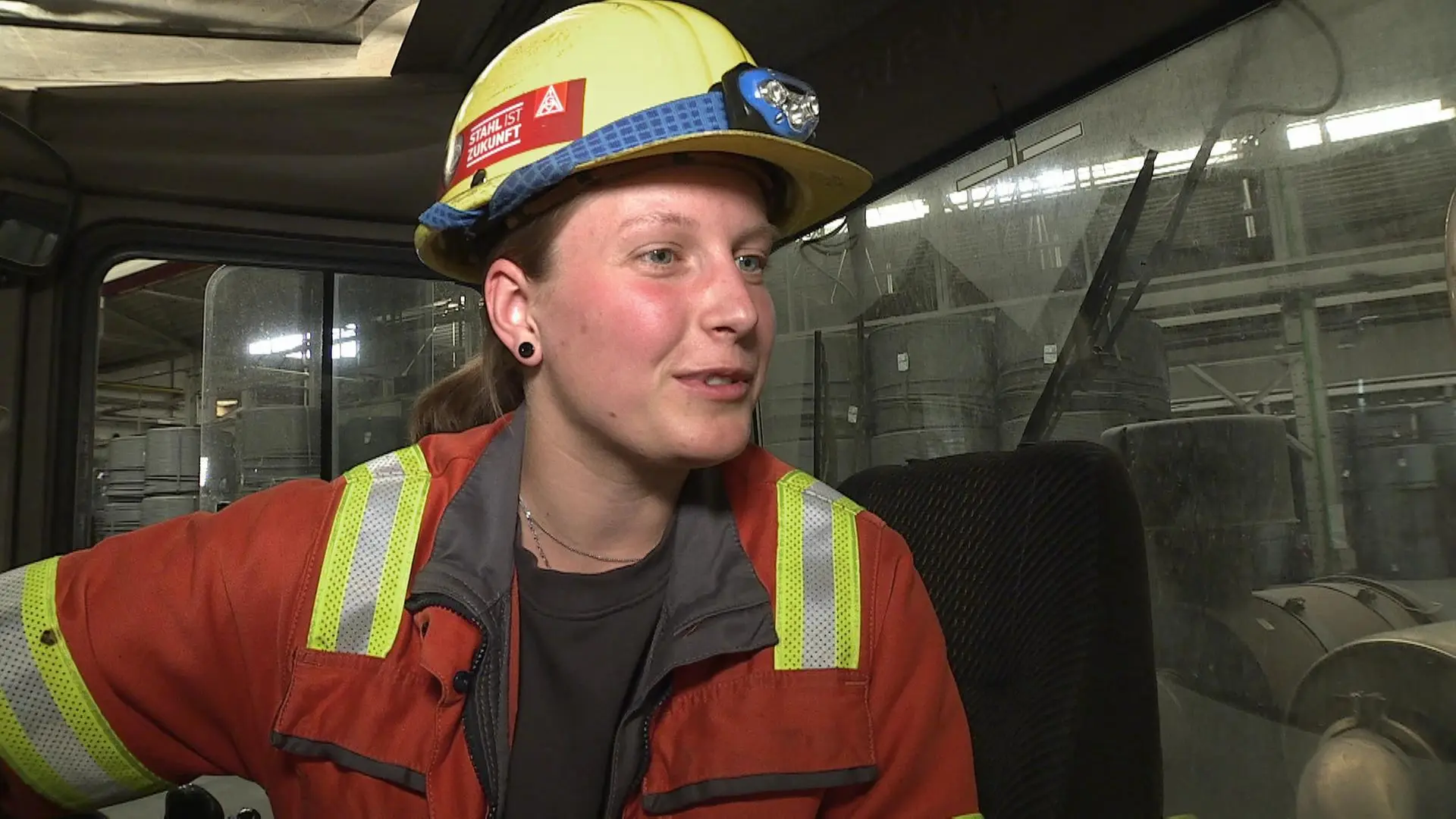
"I heard about the opening through a friend," Lailach explains, reflecting on her journey. "She told me that the company was actively looking for people and that I should just give it a try. I didn’t overthink it; I just went for it."
For Lailach, the experience has been transformative. "I am incredibly happy here. It is honestly the best thing that could have happened to me professionally." Her seamless transition into the team highlights a critical point often missed by legacy industrial firms: when the culture is right, talent—regardless of gender—thrives.
The "Magnolia Project": A Strategic Pivot
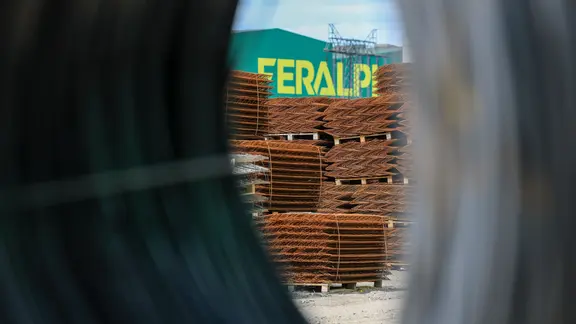
The initiative, dubbed the "Magnolia Project," is not merely a public relations exercise. It is a data-driven, structural overhaul led by Personal Manager Kai Holzmüller. Feralpi Stahl is currently one of Germany’s leading steel producers, employing 850 staff members in a demanding, round-the-clock three-shift system. Despite its success, the company faces the same acute labor shortages as the rest of the German manufacturing sector.
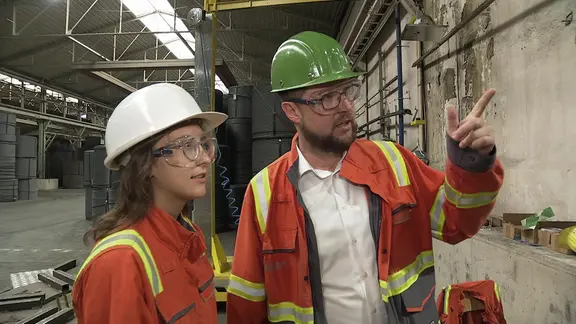
Holzmüller recognizes that the traditional pool of applicants is shrinking. "We are establishing true equality of opportunity," he says. "For too long, it was a misperception that roles within a steel rolling mill were unsuitable for women. We are proving that, with the right environment, that is simply not true."
Historical Context: The Precedent of the Past
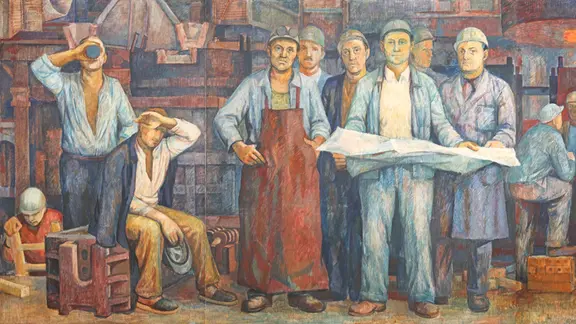
The irony, as noted by company leadership, is that the exclusion of women in such roles is a relatively modern phenomenon in East German industrial history. During the GDR era, women were fixtures in the Riesa steelworks.
"If you look back at the history of this site, women were everywhere," Holzmüller notes. "In the crane operator sectors, in particular, it was almost exclusively women working the controls. We are not reinventing the wheel; we are reclaiming a legacy of industrial inclusivity that was lost in the post-reunification transition."
Analyzing the "Frauentauglichkeit" (Suitability for Women)
The Magnolia Project’s core mandate was a rigorous analysis of the "Frauentauglichkeit"—a term used by the project team to assess whether the physical and organizational conditions of the factory were truly compatible with a diverse workforce.
Lina Köhler, the Equal Opportunities Officer at Elbe-Stahlwerke Feralpi, spearheaded the internal audit. The team looked beyond just the physical equipment. "We had to think deeply about shift models," Köhler explains. "For mothers and primary caregivers, the standard four-shift rotation is a significant barrier. We looked at whether we could offer part-time options, or if we could allow for specific, predictable shift patterns rather than forcing every employee to rotate through all four slots. That flexibility was a non-negotiable priority for us."
By collaborating with the local Employment Agency (Arbeitsagentur), the company has managed to tailor its recruitment and retention strategies to meet the needs of modern families. This includes addressing the infrastructure of the workplace—such as sanitation, ergonomics, and scheduling—to ensure that the environment is welcoming to everyone.
Overcoming Cultural Inertia
One of the most persistent concerns regarding the integration of women into male-dominated industries is the potential for friction within the existing workforce. However, reports from the shop floor suggest these fears are largely unfounded.
Sina Lailach reports that her reception among the "old guard" was warm and professional. "There were no issues at all," she says. "I was welcomed from day one. The camaraderie is based on the quality of work you do, not your gender."
This suggests that the "men-only" culture was often a byproduct of lack of exposure rather than inherent hostility. As more women enter the workforce, the normalization process is happening faster than management initially anticipated.
Implications for the German Steel Industry
The implications of the Magnolia Project extend far beyond Riesa. The German steel industry is currently at a crossroads, balancing the need for massive decarbonization—often referred to as the shift to "Green Steel"—with an aging workforce and a desperate need for skilled labor.
1. Addressing the Labor Shortage
Germany’s industrial sector is projected to lose hundreds of thousands of workers to retirement over the next decade. If the industry continues to ignore 50% of the population, it faces an existential threat. Feralpi’s model shows that recruitment must move away from traditional pipelines and toward proactive, inclusive outreach.
2. The Economic Case for Diversity
Diverse teams have been shown to be more resilient and innovative. By lowering the barrier to entry, Feralpi is effectively expanding its talent pool, which leads to better problem-solving and higher retention rates. When employees feel supported—through flexible scheduling and fair treatment—they stay longer, reducing the high costs associated with turnover and retraining.
3. A Blueprint for Other SMEs
While global giants like ThyssenKrupp have corporate-wide D&I initiatives, the Magnolia Project is a blueprint for Small and Medium Enterprises (SMEs). It shows that you do not need a multi-million euro consulting firm to improve inclusivity. You need:
- A critical audit of the work environment: Is the equipment actually unusable for women, or is it just designed for a single body type?
- Flexible scheduling: Can the work be broken into smaller or more predictable time blocks?
- Active recruitment: Are you targeting networks where women are already active, or are you just posting ads in the same old places?
Looking Ahead: The Future of Riesa
The success of the Magnolia Project in Riesa serves as a litmus test for the region. As Saxony continues to position itself as a hub for both high-tech manufacturing and sustainable heavy industry, the ability to draw from a wider talent pool will be a key differentiator in economic competitiveness.
The local community has taken notice. The story of women taking on roles as forklift operators and mill workers is changing the perception of "work" in the Riesa region. It is no longer a conversation about "letting women in," but rather about "securing the future of our industry by empowering the best people for the job."
As the Magnolia Project matures, the next phase will likely involve expanding these flexible work models into more technical roles, including engineering and plant maintenance. If the current trajectory holds, Riesa may well become the standard-bearer for a new, inclusive industrial era in Germany.
Conclusion: A Shift in Culture
The transformation occurring at Feralpi Stahl is a microcosm of a broader societal shift. The "steel ceiling" is not being shattered by radical policy mandates, but by the quiet, consistent application of logic: analyze the obstacles, remove them, and provide an environment where talent can be recognized.
When asked if she would recommend the job to other women, Sina Lailach doesn’t hesitate. "It’s a great environment, the pay is good, and you feel like you are part of something that matters," she says. "Why wouldn’t you want to work here?"
In that simple question lies the ultimate success of the Magnolia Project. By removing the barriers of the past, Feralpi Stahl is ensuring that the industry remains not only viable but vital for the next generation of workers.
Key Data Summary: Feralpi Stahl Riesa
- Total Employees: ~850
- Current Operational Model: Three-shift system, moving toward greater flexibility.
- Primary Objective: Addressing skilled labor shortages through the "Magnolia Project."
- Focus Areas: Ergonomic analysis, childcare-compatible scheduling, and inclusive recruitment.
- Current Status: Successful integration of female staff in heavy-machinery operation (e.g., forklift and coil transport).