By Editorial Staff | July 10, 2026
In the vast, shifting sands of the music industry, few challenges are as daunting as the "Legacy Album." When artists who have already redefined the cultural zeitgeist—icons like The Rolling Stones, Paul McCartney, and Madonna—decide to return to the studio, they face a precarious balancing act. They are tasked with the impossible: to innovate enough to remain relevant, yet stay anchored enough to satisfy the legions of fans who expect the sound that shaped their formative years.
As of July 2026, the industry is witnessing a resurgence of these legendary acts, each navigating the treacherous waters of aging in the public eye. The question remains: what is the true value of an "alterswerk" (late-career work) when the artist’s legacy is already cemented in stone?
The Weight of Expectation: The Main Facts
The primary tension for any heritage artist is the "innovation vs. stagnation" paradox. Critics often demand evolution, while commercial metrics—and the core fan base—often reward the familiar.
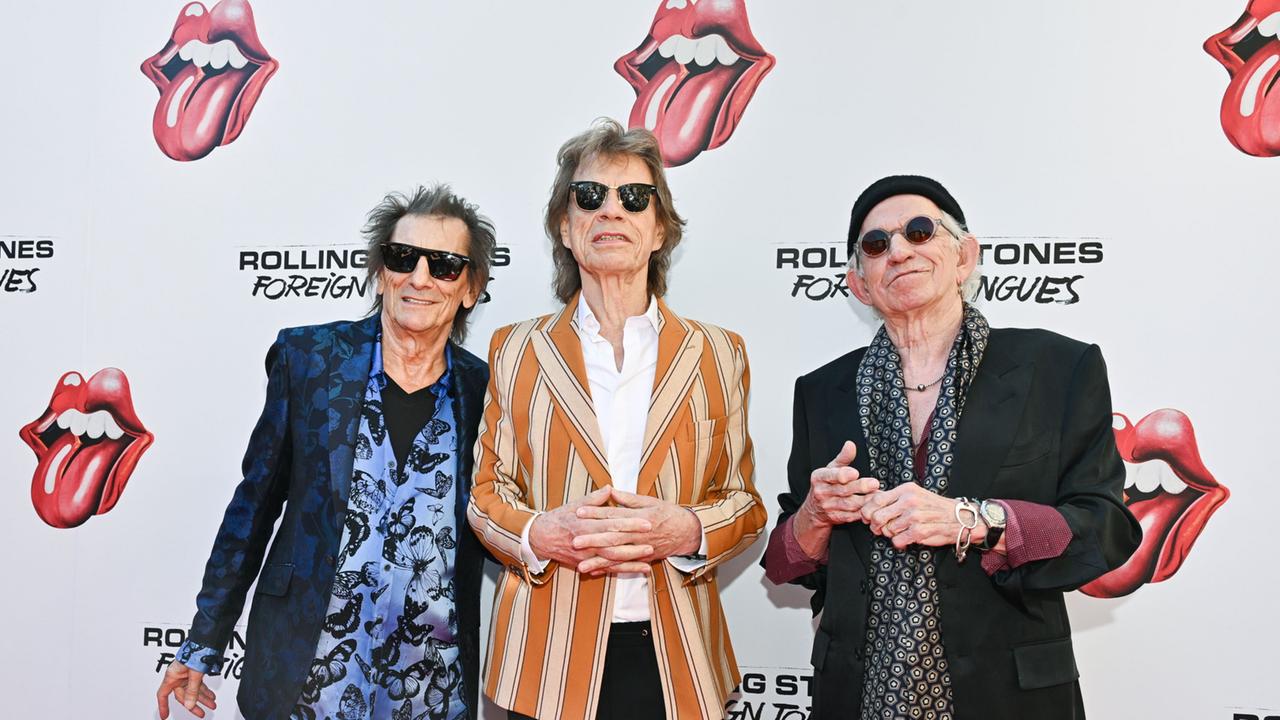
Take, for instance, the recent buzz surrounding The Rolling Stones. Their latest project, Foreign Tongues, has been heralded by Universal Music as a "dynamic rock record that fuses the classic Stones sound with contemporary textures." It is a PR-perfect description, designed to avoid the trap of being labeled "outdated" while simultaneously reassuring listeners that they aren’t listening to a new, unrecognizable band. This delicate PR dance is the standard operating procedure for legacy acts in 2026.
However, the reality of the market is harsher. For every successful late-career reinvention, there is a cautionary tale of a project that failed to resonate, either due to a lack of authentic vision or a cynical attempt to chase current trends that the artist simply doesn’t inhabit naturally.
A Chronology of Artistic Evolution and Stagnation
To understand the current landscape, one must look back at the trajectory of these artists’ careers.
Paul McCartney: The Master of Graceful Evolution
Paul McCartney remains the gold standard for navigating the twilight of a career. In March 2026, he released The Boys of Dungeon Lane, an autobiographical solo record that looks back at his formative years in Liverpool. At 83, McCartney has achieved the rare feat of avoiding the "embarrassment factor." His ability to remain authentic—focusing on personal, emotional songwriting rather than forced commercial experimentation—has garnered critical acclaim. It serves as a reminder that the best late-career works are those that lean into the artist’s history rather than running from it.
Madonna: Returning to the Source
Conversely, Madonna has taken a different approach. With her latest release, Confessions II, she has looked back to her own peak era. By revisiting the sonic landscapes that made her a global icon, she has achieved a critical reception not seen in two decades. It is a calculated, effective maneuver: in an era of rapid trends, returning to one’s own established "classic" sound can feel like a breath of fresh air.
The Beach Boys: A Case Study in Failure
Not every attempt at a legacy comeback succeeds. The 1992 album Summer in Paradise by The Beach Boys stands as a monumental cautionary tale. It was the only album in the band’s history to be recorded without Brian Wilson, and it remains a masterclass in how to alienate a fan base. Beset by sterile, programmed drums, lackluster songwriting, and misogynistic lyricism, it serves as a stark reminder of what happens when the creative soul of a group is removed in favor of brand maintenance. The album reportedly sold fewer than 1,000 copies, a devastating blow for a band of their stature.
Supporting Data: The Commercial Reality of "Legacy"
The commercial performance of these records often relies on a mix of nostalgia and "event marketing."
- Chart Performance: Recent data shows that legacy acts often experience a "legacy spike" during launch weeks, driven by long-time collectors, before experiencing a rapid decline in streaming longevity compared to younger artists.
- The "Touring Engine": It is essential to note that for many of these artists, the album is no longer the primary revenue stream. Instead, these albums serve as "touring catalysts." A new album—regardless of its critical success—provides the narrative justification for a massive, high-grossing world tour.
- Critical Reception vs. Public Sentiment: There is often a disconnect. A project may be hailed as "artistically brave" by critics, while the general public might prefer the "greatest hits" live sets. The challenge for artists like The Rolling Stones is to bridge this gap, ensuring that the new material doesn’t clear the room during their concerts.
Official Responses and Creative Control
The tension within bands is often the biggest hurdle to a successful late-career album. In the case of Pink Floyd, the creative schism between David Gilmour and Roger Waters serves as a permanent scar on their legacy. Waters’ departure and subsequent public controversies have overshadowed much of the band’s later creative output.
When asked about the future of his work, Waters has largely pivoted away from new music, focusing instead on his political activism—a move that has polarized his audience. This highlights a common issue: when the artist moves on from the music that defined them, the "legacy" of the band often becomes a site of contestation rather than celebration.
Implications: What Defines a Successful Legacy?
What differentiates an artist like Johnny Cash from those who fade into obscurity?
Johnny Cash’s late-career renaissance, particularly his American Recordings series, proved that a legacy can be revitalized through stripping away the artifice. His cover of Nine Inch Nails’ "Hurt" was not merely a cover; it was a reimagining. By leaning into his own mortality and the gravitas of his age, Cash created a piece of art that transcended his previous work.
Similarly, Leonard Cohen’s final years were defined by You Want It Darker, a haunting, deconstructed reflection on death. The fact that his son, Adam Cohen, was able to curate a follow-up, Thanks for the Dance, from remaining sketches, speaks to the power of a coherent, deliberate artistic vision. It was not a "cash grab," but a curated final chapter.
The Rolling Stones: The Ongoing Saga
As we look at The Rolling Stones, the question remains: what comes next? Having seen Hackney Diamonds (2023) top the charts globally, the band has proven that the appetite for their specific brand of blues-rock is not yet sated. Mick Jagger, Keith Richards, and Ronnie Wood have navigated the "Rock-Opa" (Rock Grandpa) jokes with a mix of self-deprecating humor and undeniable stage presence. Their ability to survive the internal and external pressures of six decades is, in itself, a historic achievement.
Conclusion: The Art of the Exit
The music industry is currently witnessing a unique era where the pioneers of rock and pop are attempting to write their final notes. The successful ones—the McCartneys and the Cohens—are those who treat their late-career work as a continuation of a dialogue rather than a desperate attempt to stay in the conversation.
Ultimately, the value of a legacy album is not measured in Billboard charts or streaming numbers. It is measured in the degree of truth the artist brings to the table. As The Rolling Stones continue to tour and record, they represent a fading breed: artists who have seen the world change around them and have, in their own way, managed to keep pace without losing the swagger that started it all.
Whether these projects are considered "essential" or merely "post-script," they are undoubtedly a testament to the enduring power of the human spirit to create, even when the clock is ticking. The "heikles Alterswerk"—the precarious late-career work—is a high-wire act, but for those who manage to keep their balance, it remains the ultimate demonstration of an artist’s mastery.