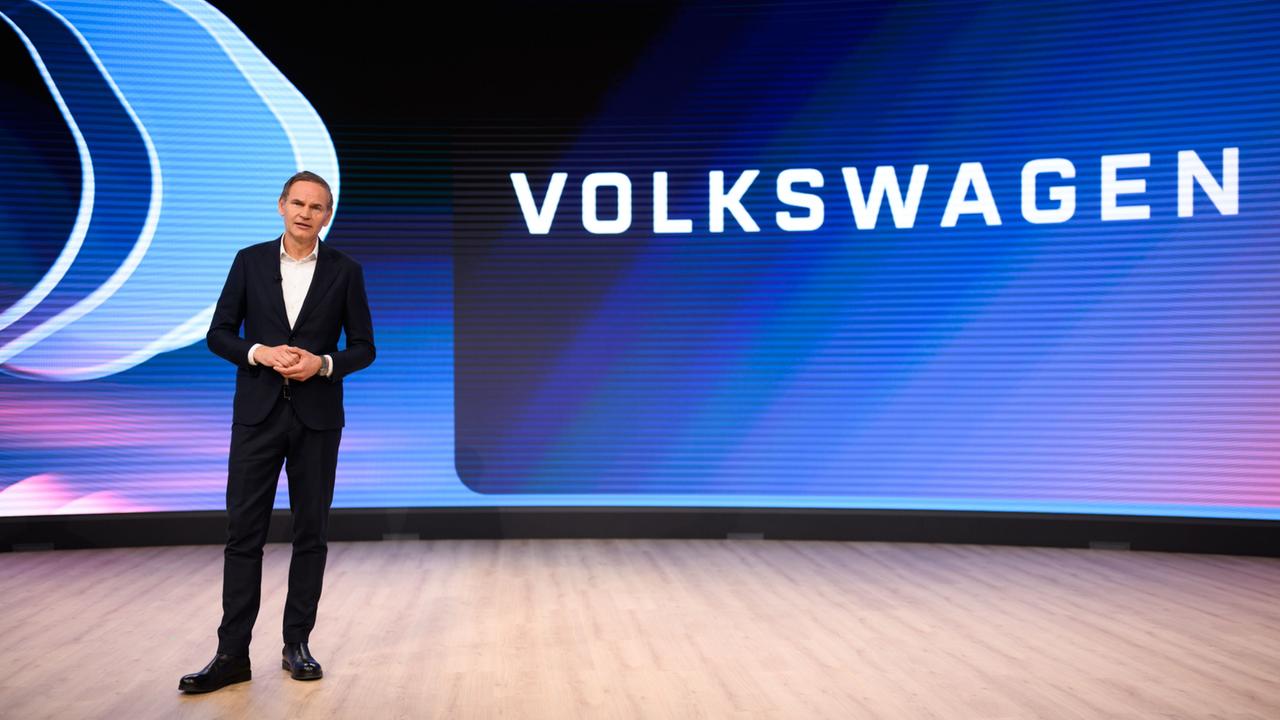
Wolfsburg, Germany – July 12, 2026 – Volkswagen Group, one of the world’s largest automakers, is navigating a turbulent period marked by an ambitious transition to electric vehicles (EVs) and intense global competition. Amidst widespread concerns over significant job cuts and potential plant closures, CEO Oliver Blume has offered a glimmer of hope, asserting that "smarter solutions" will take precedence over shuttering production facilities. This declaration comes as the company grapples with a multi-billion euro savings program that could see up to 120,000 jobs eliminated worldwide.
The automotive giant, a cornerstone of the German economy, faces an existential challenge: modernizing its vast industrial footprint and transforming its workforce while simultaneously maintaining profitability and market share. Blume’s recent comments, published in Bild am Sonntag, attempt to reassure a workforce fraught with anxiety, yet the underlying pressures on the company remain immense. The struggle to reconcile financial imperatives with social responsibility is now at the forefront of Volkswagen’s corporate agenda.
The Main Facts: A Company at a Crossroads
Volkswagen is in the midst of its most significant restructuring in decades. The company’s drive towards electrification and digitalization, while strategically vital, is proving incredibly costly and complex. This transformation coincides with a volatile global economic landscape, characterized by geopolitical instability, supply chain fragility, and a fiercely competitive market, particularly from aggressive new entrants in the EV sector.
- Massive Job Reduction Fears: Reports suggest that as many as 100,000 to 120,000 of the company’s more than 650,000 global positions could be at risk. This includes a previously announced target of cutting 5,000 of 21,000 management positions by 2030.
- Plant Closure Avoidance: CEO Oliver Blume explicitly stated, "There are smarter solutions than closing plants," indicating a preference for alternative strategies to optimize production and reduce overheads.
- Targeted Savings Program: Volkswagen has initiated a comprehensive savings program aimed at boosting efficiency and profitability across its core brands. This includes a reported 20% reduction in factory costs in Germany over the past year.
- Specific Plants Under Scrutiny: The VW plants in Zwickau and Emden, the Audi plant in Neckarsulm, and the Commercial Vehicles plant in Hannover, collectively employing 40,000 people, are considered particularly vulnerable.
- Works Council Ultimatum: The powerful Works Council (Betriebsrat) has issued an ultimatum to CEO Blume, demanding clear communication and a concrete plan for the future of the workforce, reflecting deep employee concern and a readiness to defend jobs.
- Supervisory Board Resistance: A proposed cost-cutting package from the executive board was reportedly rejected by the Supervisory Board (Aufsichtsrat), highlighting internal disagreements over the severity and method of the planned reductions.
This confluence of factors paints a picture of a company under immense pressure, where every strategic decision carries significant implications for its future trajectory and the livelihoods of hundreds of thousands.
A Chronology of Crisis and Transformation
The current challenges facing Volkswagen are not sudden but rather the culmination of several years of evolving market dynamics and strategic decisions.
Early 2020s: The Dawn of Electrification and Digitalization Push
Following the "Dieselgate" scandal, Volkswagen committed heavily to electric mobility, launching ambitious plans to electrify its entire fleet and invest billions in battery technology and software development. Early models like the ID.3 and ID.4 marked the beginning of this new era. However, the costs associated with developing new platforms, retooling factories, and training staff for EV production began to mount.
Mid-2020s: Intensifying Competition and Economic Headwinds
As the global automotive market shifted, Volkswagen faced increasingly aggressive competition. Tesla continued its dominance in premium EVs, while a wave of innovative Chinese manufacturers, often backed by significant government support, began to make inroads into European and global markets with competitively priced and technologically advanced vehicles. Concurrently, global economic growth slowed, inflation surged, and interest rates rose, impacting consumer spending on big-ticket items like new cars. Geopolitical tensions, particularly in Eastern Europe and the Middle East, disrupted supply chains and energy markets, further squeezing profit margins.
Late 2025: Signs of Strain and Initial Cost-Cutting Measures
By late 2025, it became clear that Volkswagen’s profitability was not keeping pace with its ambitious investment plans. Reports began to surface about internal discussions regarding extensive cost-cutting measures. CEO Oliver Blume, who took the helm in September 2022, initiated a comprehensive performance program aimed at improving efficiency across all brands and regions. Initial targets for savings were set, but specific details on job implications remained vague, leading to growing unease among employees.
Early 2026: Escalation of Job Loss Projections
Confidential reports and leaks to the media in early 2026 suggested much larger job reductions than initially anticipated, with figures ranging from 100,000 to 120,000 global positions. This included the confirmed target of streamlining management layers, with 5,000 managerial roles slated for elimination by 2030. The scale of these potential cuts sent shockwaves through the company and its associated communities.
March 2026: Focus on Vulnerable Plants
Media attention intensified on specific German plants deemed particularly vulnerable due to underutilization or high production costs. Zwickau, an early pioneer in EV production, Emden, Neckarsulm (Audi), and Hannover (Commercial Vehicles) were named as sites potentially facing significant restructuring, including partial closures or repurposing. Ideas floated included attracting defense contractors or producing China-developed models to fill capacity gaps.
May 2026: Supervisory Board Rejects Initial Plan
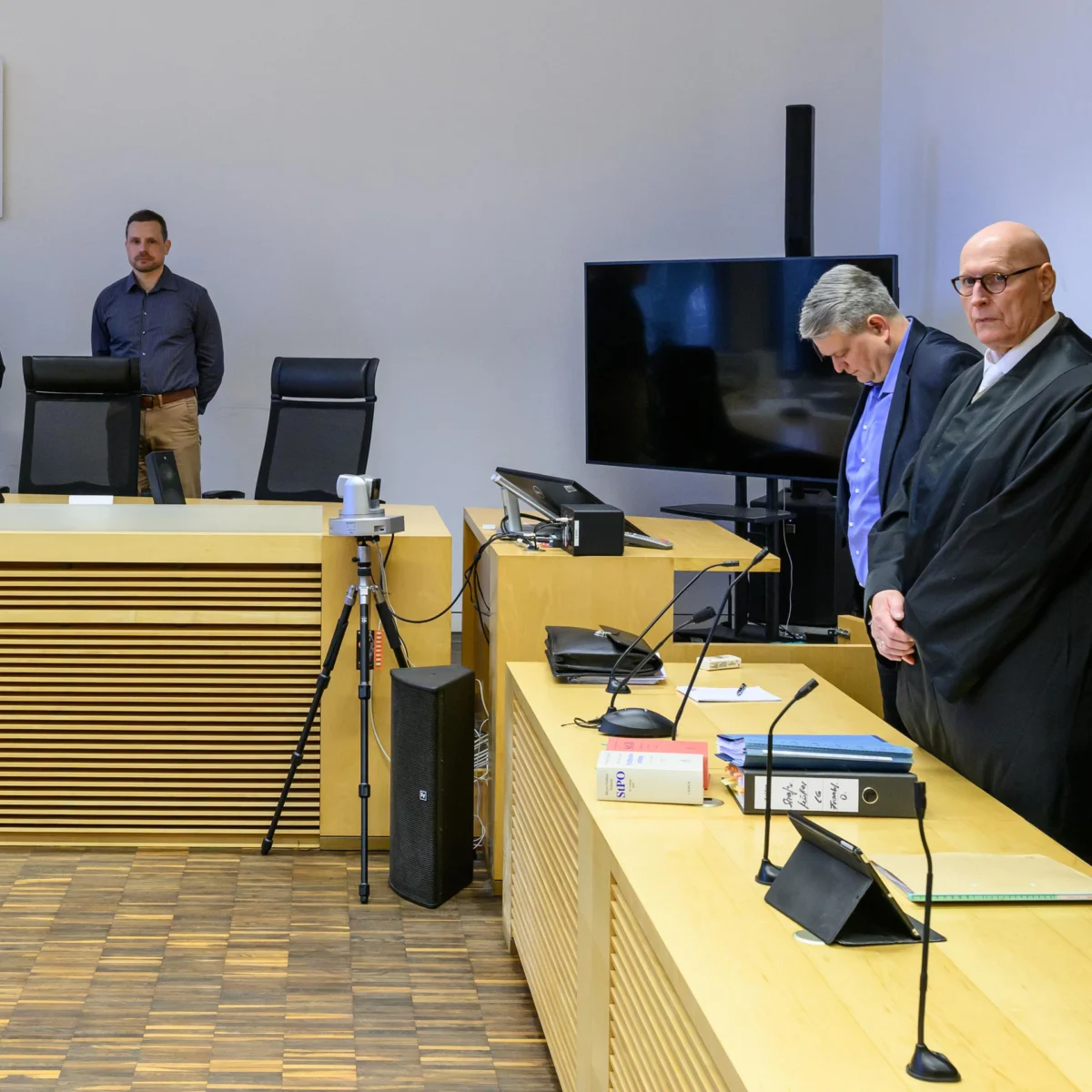
A significant hurdle emerged when Volkswagen’s Supervisory Board, which includes strong labor representation, reportedly rejected a cost-cutting package presented by the executive board. The reasons for the rejection were not publicly disclosed but were widely believed to involve concerns over the social impact of the proposed measures and a lack of long-term strategic vision for affected sites and employees. This signaled strong internal resistance to an overly aggressive approach to job cuts.
June 2026: Works Council Issues Ultimatum
In response to the growing uncertainty and the lack of transparent communication, the powerful Works Council issued an ultimatum to CEO Blume. They demanded a clear commitment to job security, a concrete plan for the future of all German sites, and a halt to further speculation that was undermining employee morale. This public challenge underscored the severity of the internal crisis.
July 12, 2026: Blume’s "Smarter Solutions" Pledge
Against this backdrop, Oliver Blume’s statement in Bild am Sonntag on July 12, 2026, represents a strategic move to address anxieties and reassert control over the narrative. His emphasis on "intelligentere Lösungen" (smarter solutions) instead of plant closures aims to reassure the workforce and signal a more nuanced approach, while still acknowledging the necessity of profound change.
Supporting Data: The Economic Imperative and Market Realities
Volkswagen’s urgent need for cost reduction is underscored by several key data points and market trends.
Rising Costs of Transformation: The transition to electric mobility is a capital-intensive undertaking. Developing new EV platforms like the SSP (Scalable Systems Platform), investing in Gigafactories for battery production, and overhauling software architecture require monumental financial outlays. While necessary for future competitiveness, these investments strain current profitability, especially during a period of slowing global demand for new vehicles.
Efficiency Gains and Remaining Gaps: Blume’s announcement of a 20% improvement in factory costs in Germany last year is a significant achievement, demonstrating that internal efficiency programs are yielding results. This indicates that Volkswagen is capable of internal optimization. However, the sheer scale of the required savings suggests that even these improvements are not sufficient to close the profitability gap entirely, especially when compared to leaner, newer competitors.
EV Sales Performance: The reported sale of over 50,000 ID. Polo electric cars in the first four weeks is a positive indicator for Volkswagen’s new generation of affordable EVs. This suggests strong market demand for accessible electric mobility, a segment where VW aims to be a leader. Successful model launches are crucial for generating revenue and justifying continued investment in EV technology. Yet, this success must be weighed against the broader market’s deceleration in EV adoption rates in some regions, driven by charging infrastructure concerns, range anxiety, and upfront costs.
Global Economic Headwinds:
- Inflation and Interest Rates: Persistent inflation in major economies has eroded consumer purchasing power, while higher interest rates have increased the cost of financing vehicles for consumers and capital for automakers.
- Energy Prices: Elevated energy costs, particularly in Europe, impact manufacturing expenses, adding pressure to production budgets.
- Supply Chain Volatility: While some pandemic-era disruptions have eased, geopolitical events continue to create bottlenecks and increase the cost of raw materials and components.
Competitive Landscape:
- Tesla’s Dominance: Tesla continues to set benchmarks in software integration, battery efficiency, and manufacturing speed, often with lower production costs per vehicle.
- Chinese EV Makers: Brands like BYD, Nio, and XPeng are rapidly expanding globally, offering high-tech, cost-effective EVs that directly challenge established players like Volkswagen in key markets, including China itself, which is the world’s largest auto market.
- Legacy Automakers: Other traditional manufacturers are also accelerating their EV transitions, intensifying the battle for market share and technological leadership.
Regulatory and Trade Barriers:
- Stricter Emissions Standards: European and other global regulations continue to push automakers towards zero-emission vehicles, necessitating massive R&D investments.
- Trade Protectionism: The rise of protectionist policies and potential trade barriers, particularly between major economic blocs, threatens global supply chains and complicates market access for multinational corporations like Volkswagen. This can lead to increased costs and reduced sales volumes.
Official Responses: Navigating the Tensions
The current situation has elicited strong reactions from various stakeholders within and outside the Volkswagen Group.
Oliver Blume, CEO, Volkswagen Group:
Blume’s statement is a strategic attempt to project calm and control amidst the storm. His commitment to "smarter solutions" implies a focus on:
- Reskilling and Retraining: Investing in programs to re-equip employees with skills for EV production, software development, and new manufacturing processes, rather than simply letting them go.
- Flexible Production Models: Implementing agile manufacturing techniques that allow plants to switch between different models or even different types of products, such as components for other industries (e.g., defense, as previously suggested).
- Internal Transfers and Mobility: Facilitating movement of employees between different plants or brands within the vast Volkswagen Group.
- Voluntary Severance and Early Retirement Programs: Offering attractive packages to employees who choose to leave voluntarily, mitigating the need for forced layoffs.
- Strategic Partnerships: Collaborating with external companies to utilize spare capacity or bring in new expertise.
- Digitalization and Automation: Further automating production lines to increase efficiency, potentially allowing a smaller workforce to achieve higher output.
Blume’s acknowledgment of geopolitical tensions and market upheaval underscores the external pressures, positioning the cost-cutting measures as a necessary adaptation to a changing world, rather than solely an internal failure. His emphasis on the ID. Polo’s success aims to instill confidence in the company’s product strategy for the future.
The Works Council (Betriebsrat):
Led by its influential representatives, the Works Council is a powerful force within Volkswagen, representing the interests of the employees. Their ultimatum to Blume signifies a serious breakdown in communication and trust. Their demands likely include:
- Job Guarantees: Concrete assurances for job security, especially for employees at the threatened plants.
- Social Plans: Comprehensive packages for any employees who are ultimately affected, including severance pay, retraining opportunities, and assistance in finding new employment.
- Investment in Future Technologies: A commitment to invest in new products and technologies at all German sites to secure their long-term viability, rather than just cutting costs.
- Transparency and Dialogue: Open and honest communication from management regarding the extent of the restructuring and its impact.
The Works Council’s stance is critical because German corporate governance gives employees significant representation on supervisory boards, allowing them to block management decisions that are deemed overly detrimental to the workforce.
The Supervisory Board (Aufsichtsrat):
The reported rejection of the executive board’s initial savings package by the Supervisory Board indicates a complex internal dynamic. The board is composed of shareholder representatives and employee representatives (including the Works Council chair). Their concerns likely included:
- Lack of Social Responsibility: The plan may have been perceived as too aggressive in terms of job cuts without adequate provisions for employees.
- Insufficient Long-Term Vision: The plan might have focused too heavily on short-term cost-cutting without a clear strategy for the future of affected sites or a viable pathway for the workforce.
- Political Sensitivity: Given the importance of Volkswagen to regional economies, a plan involving widespread closures would face significant political backlash.
The rejection forces the executive board to refine its strategy, ensuring any new proposal addresses these concerns and secures broader internal consensus.
Government and Political Stakeholders:
Given Volkswagen’s immense economic footprint in Germany – as a major employer, taxpayer, and innovator – regional and federal politicians are closely monitoring the situation. While they generally avoid direct intervention in corporate strategy, they will exert pressure to:
- Preserve Jobs: Advocate for solutions that minimize job losses and protect communities reliant on VW plants.
- Support Retraining: Potentially offer government funding or programs to assist in retraining initiatives for affected workers.
- Attract New Investment: Work with VW to explore alternative uses for underutilized facilities, such as attracting defense contractors or other industries, as suggested.
The German government’s long-standing policy of social partnership and consensus-building makes widespread, unilateral layoffs by a major employer like Volkswagen politically unpalatable.
Implications: A Shifting Landscape for Volkswagen and Germany
The outcome of Volkswagen’s current restructuring will have profound and far-reaching implications.
For Employees and Regional Economies:
The potential loss of up to 120,000 jobs would be a devastating blow to the affected individuals and their families. It would also have a cascading effect on regional economies, impacting suppliers, local businesses, and public services. While Blume’s "smarter solutions" offer hope, the reality of transitioning a massive workforce from traditional combustion engine manufacturing to highly specialized EV and software roles is incredibly challenging. This requires unprecedented investment in retraining and a robust social safety net. The social dialogue between management and the Works Council will be crucial in mitigating the human cost of this transformation.
For Volkswagen’s Corporate Strategy and Market Position:
The successful implementation of a sustainable cost-cutting and efficiency program is critical for Volkswagen’s long-term viability. Failure to streamline operations and enhance profitability could jeopardize its ability to invest in future technologies, compete effectively with agile new entrants, and maintain investor confidence.
- Brand Image: How Volkswagen manages this crisis will significantly impact its brand image, both as an employer and as a responsible corporate citizen.
- Innovation Pace: The ability to free up capital through cost savings is directly linked to the pace of innovation, particularly in areas like battery technology, autonomous driving, and software development, where VW needs to close gaps with leaders.
- Global Competitiveness: Volkswagen’s success in the coming decade hinges on its ability to compete fiercely in the EV market, especially against Chinese manufacturers in the critical Chinese market and globally.
For the German Automotive Industry:
Volkswagen is a bellwether for the broader German automotive industry, which employs millions and is a pillar of the nation’s economic strength. The challenges VW faces – the high costs of electrification, intense global competition, and the need for workforce transformation – are shared by Daimler, BMW, and countless smaller suppliers. Volkswagen’s approach and its success (or failure) will provide crucial lessons and potentially set precedents for how other German industrial giants navigate this seismic shift. The ability of Germany to maintain its position as a global automotive leader depends heavily on its ability to manage this transition without sacrificing its industrial base or its highly skilled workforce.
Broader Economic and Political Impact:
At a national level, a significant downturn at Volkswagen could impact Germany’s GDP, export figures, and overall economic stability. Politically, the government will face pressure to ensure a just transition for the workforce and to support the automotive sector, which has historically been a source of national pride and prosperity. The ongoing debate about industrial policy, green transition, and social protection will continue to be shaped by the developments at Volkswagen.
The Road Ahead:
Oliver Blume’s pledge of "smarter solutions" is a testament to the complex balancing act Volkswagen must perform: achieving aggressive cost targets while preserving its human capital and maintaining social peace. The coming months will reveal the concrete details of these solutions and whether they can indeed avert widespread plant closures and job losses, securing a sustainable future for one of the world’s most iconic automotive brands in an increasingly challenging global environment. The world watches as Volkswagen attempts to redefine what it means to be a global automaker in the 21st century.