As summer temperatures consistently climb past the 30-degree Celsius mark (86°F), the human body engages in its most sophisticated cooling mechanism: sweating. On exceptionally hot days, an individual can produce up to 15 liters of perspiration in a single 24-hour period to regulate internal core temperature. This biological feat is essential for survival, but it comes with a physiological cost: the loss of vital minerals, or electrolytes, including sodium, potassium, magnesium, and calcium.
With the rise of "performance" hydration products and a booming market for electrolyte-infused waters and powders, many consumers are left wondering: Is plain water enough during a heatwave, or do we need to supplement our intake with electrolytes to stay safe?
Main Facts: The Composition of Sweat
To understand the necessity of supplementation, one must first look at what sweat actually contains. Contrary to popular marketing claims suggesting that sweat is a "nutrient-depleting" fluid, it is overwhelmingly composed of water.
"Sweat contains 98 to 99 percent water," explains Antje Gahl, an expert from the German Nutrition Society (DGE). "The actual mineral content—the electrolytes—accounts for a maximum of two percent of the total volume."
The primary electrolyte lost during sweating is sodium, which gives perspiration its characteristic salty taste. Smaller quantities of potassium, calcium, and magnesium are also lost, alongside trace amounts of zinc, iron, copper, and iodine. While these elements are crucial for nerve transmission, muscle contraction, and fluid balance, the sheer volume of water lost during heat stress far outweighs the mass of mineral loss for the average person.
Chronology of Hydration: When the Body Needs More
The body’s hydration requirements are not static; they fluctuate based on activity level, duration of exposure to heat, and individual physiological responses.
- Baseline State (Mild Heat): For the average office worker or someone spending time in the shade, the body maintains mineral balance through normal dietary intake. Drinking water remains the primary objective.
- The Threshold of Dehydration: As heat exposure continues, the sensation of thirst is often a "late" signal. By the time a person feels thirsty, they are already mildly dehydrated.
- The Danger Zone (Physical Exertion): For athletes, construction workers, or those performing heavy labor in direct sunlight, the rate of perspiration increases drastically. Under these conditions, the loss of sodium can reach three to seven grams over several hours. This is the point where the physiological demand for electrolyte replenishment shifts from "optimal" to "essential."
Supporting Data: Nutrition vs. Supplementation
The prevailing scientific consensus is that the average person is well-equipped to manage mineral loss through a balanced diet.
"Most people consume sufficient amounts of electrolytes through their daily food intake, even when they have less appetite due to the heat," notes Gahl. "Magnesium, for instance, is readily available in almonds, flaxseeds, whole grain products, and legumes."
Sodium, the electrolyte most frequently lost, is rarely a deficit in the modern Western diet. In many countries, the average daily salt intake far exceeds the World Health Organization’s recommendation of five grams per day. With common staples like bread, cheese, and processed meats being sodium-dense, the typical person is more likely to be over-consuming salt than suffering from a deficiency.
However, this does not mean that "salty" snacks should be avoided entirely during a heatwave. If an individual is sweating profusely and feels a craving for a pretzel or a portion of fries, the body is likely signaling a genuine need for a sodium boost to help retain fluid.
Official Responses and Medical Perspectives
Medical professionals distinguish sharply between the needs of a sedentary individual and those of an endurance athlete.
The Case for Athletes
For those engaged in extreme, prolonged physical activity, the recommendation changes. When a person loses four to ten liters of water during intense exercise in high temperatures, they risk hyponatremia—a condition characterized by a dangerously low concentration of sodium in the blood.
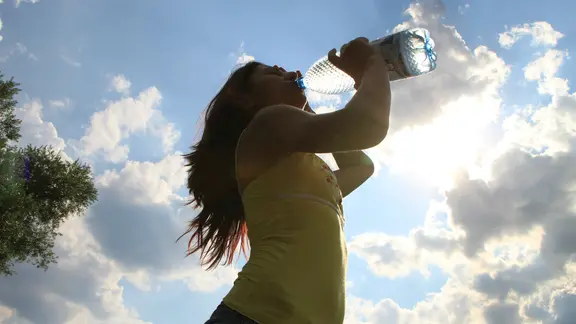
Hyponatremia, often referred to as "water intoxication," can be life-threatening. When an athlete replaces lost fluids with only plain water without replenishing sodium, they dilute their blood chemistry. Symptoms include:
- Dizziness and confusion
- Nausea and vomiting
- Severe headache
- In extreme cases, cerebral edema (swelling of the brain)
For these individuals, commercial electrolyte solutions or homemade preparations (like an isotonic mixture of water, a pinch of salt, and a dash of fruit juice) are medically advised.
The General Public
For the general population, the DGE suggests that the method of consumption—whether through food or drink—is secondary to the goal of hydration. The stomach processes both sources effectively, though drinks may offer a slightly faster transit time into the bloodstream.
Instead of turning to expensive supplements, nutritionists recommend traditional, time-tested hydration strategies:
- Ayran or Milk-Based Drinks: These are highly effective as they provide a natural combination of calcium and sodium chloride.
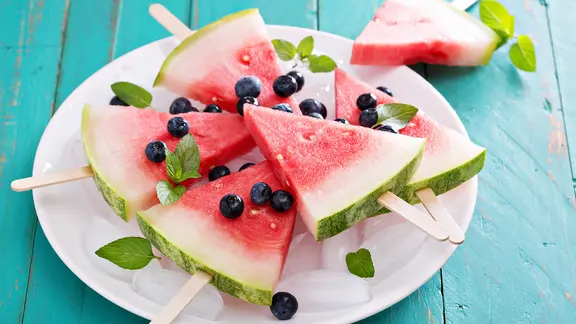
- Water-Rich Foods: Incorporating cucumbers, melons, and apricots into one’s diet provides both fluid and essential vitamins and minerals.
Implications for Public Health
As climate change leads to more frequent and intense heatwaves, the public must be educated on the dangers of both dehydration and over-hydration. The myth that "more electrolytes are better" has led to a market flooded with sugar-laden sports drinks that are often unnecessary for the average person.
Nighttime Risks
One often overlooked aspect of heat-related illness is the loss of fluid during sleep. During a heatwave, high nighttime temperatures prevent the body from cooling down properly, leading to continuous sweating throughout the night. Individuals often wake up dehydrated and with a "heat hangover"—headache, fatigue, and lethargy—without realizing how much fluid was lost while they were asleep.
The "Thirst" Myth
A critical implication for public health is the timing of fluid intake. Experts emphasize that waiting until one is thirsty is a suboptimal strategy. By the time the hypothalamus signals thirst, the body’s blood volume has already decreased, and cognitive function may be slightly impaired.
Instead, the recommendation is to practice "proactive hydration." This involves sipping water consistently throughout the day, even before the heat reaches its peak.
Conclusion: A Balanced Approach
The verdict for the average person is clear: electrolytes are essential, but you are likely getting enough of them through your diet. Unless you are training for a marathon or working in physically demanding conditions under the direct sun, you do not need to rely on specialized electrolyte powders or expensive "smart waters."
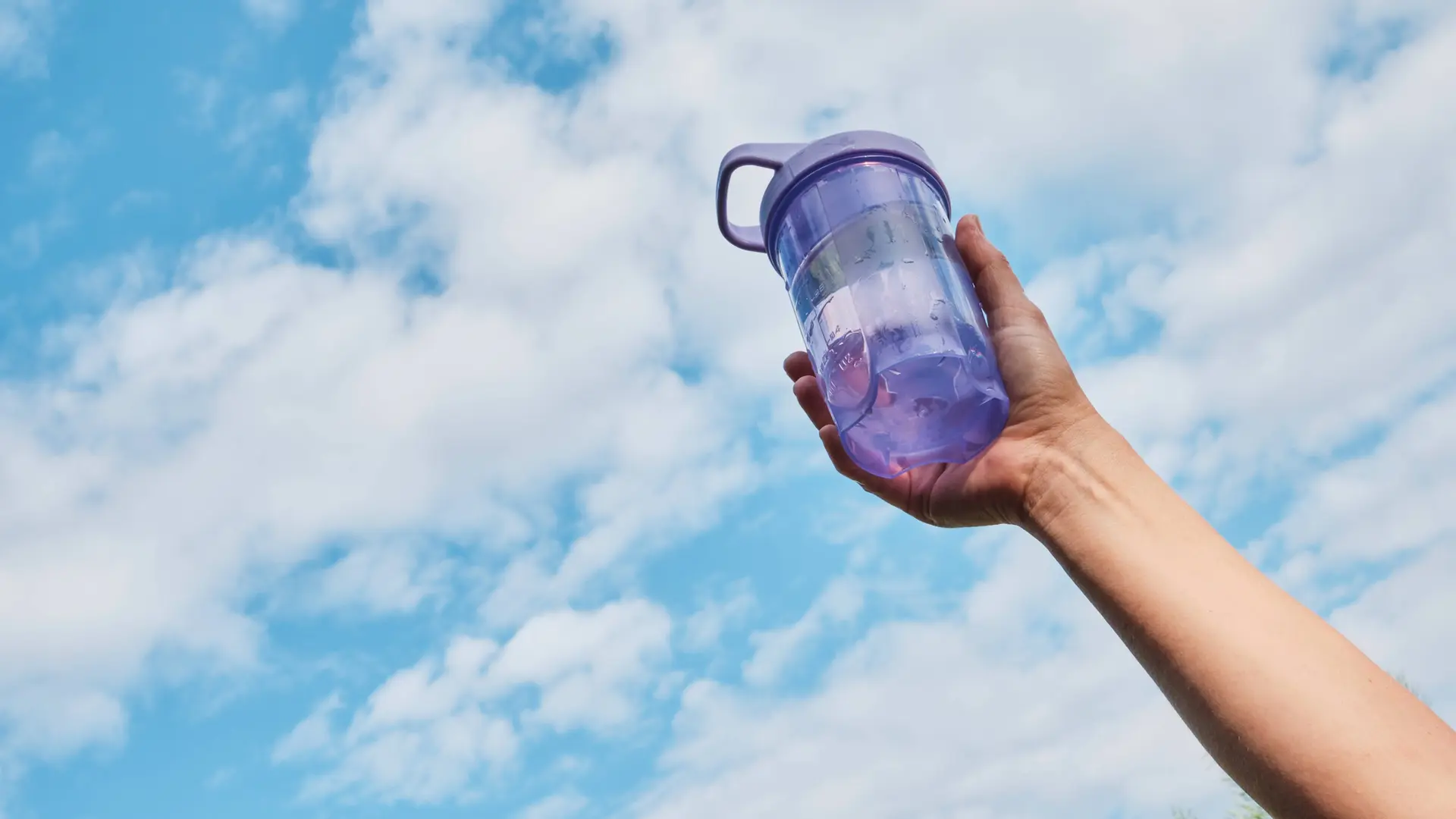
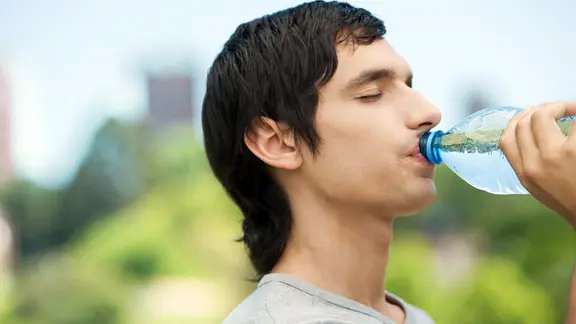
Normal tap water or mineral water remains the gold standard for hydration. If you are concerned about your mineral intake, look to your plate rather than a bottle. A balanced diet, rich in vegetables, fruits, and whole grains, provides the necessary mineral buffer to withstand the challenges of a sweltering summer.
As we continue to face rising global temperatures, the most effective tool in our arsenal remains simple: listen to your body, maintain a varied diet, and drink water before the thirst kicks in. Keep the electrolyte drinks for when you are truly pushing your physical limits—or as the occasional treat on a very hot day.