By [Your Name/Journalist Desk]
Date: May 26, 2026
The landscape of youth substance use in Germany is undergoing a troubling transformation. According to the recently published Drogenaffinitätsstudie 2025 (Drug Affinity Study), a representative survey conducted by the federal government, the prevalence of smoking and vaping among adolescents has seen a significant uptick compared to data from just four years ago. The findings have prompted urgent calls for legislative action from federal authorities, who describe the current trend as a "clear warning signal" for public health.
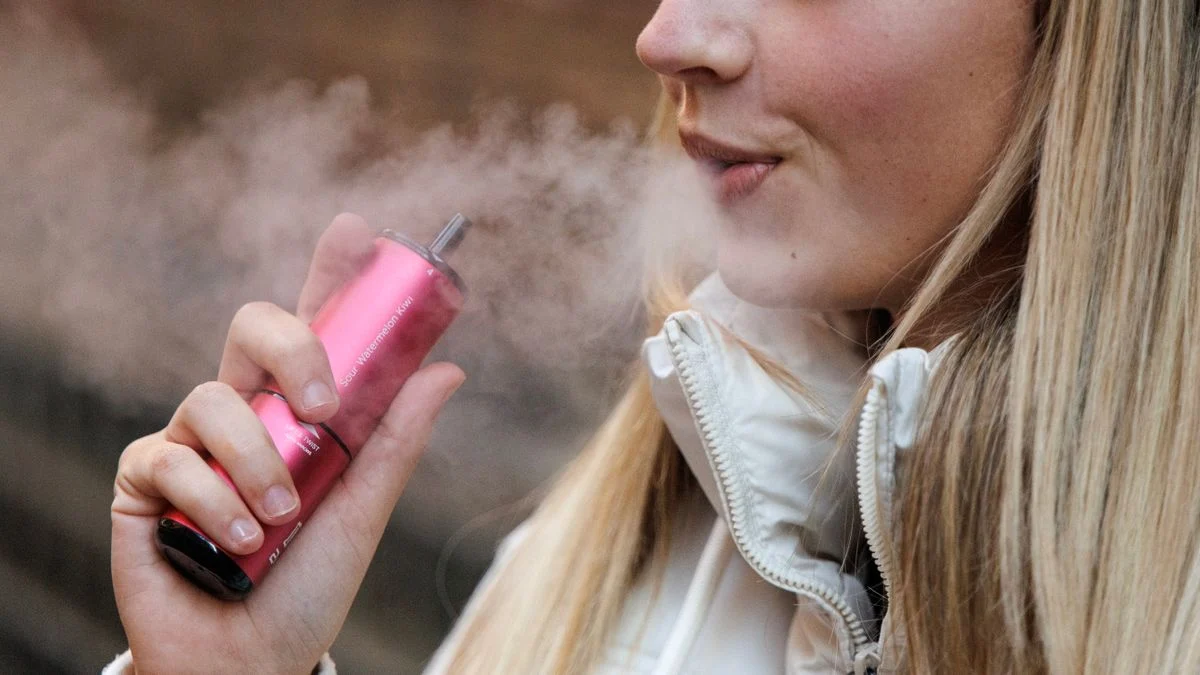
The study, which surveyed 7,001 young people aged between 12 and 25 years during the spring of 2025, paints a vivid picture of a generation increasingly drawn to nicotine through modern, flavored delivery systems. While traditional tobacco cigarettes remain a health hazard, the rise of electronic cigarettes (vapes) has introduced a new layer of complexity to youth addiction, particularly among young women.
The Core Findings: A Shift in Consumption Patterns
The 2025 data reveals that nearly one in ten adolescents aged 12 to 17 reported smoking or vaping within the last year. While the overall numbers might appear modest at first glance, the trend lines—particularly the increase in daily or frequent use—are causing alarm among pediatricians and public health experts.
The Gender Gap Narrowing
One of the most striking developments identified in the study is the shifting demographic of users. Historically, male adolescents were more likely to engage in nicotine consumption; however, the 2025 study highlights a significant surge in vaping among young women. This narrowing of the gender gap suggests that the marketing tactics employed by the industry—often focusing on aesthetic packaging, social media influencers, and "lifestyle" branding—are proving highly effective across all gender identities.
The Decline of Traditional Habits vs. The Rise of Tech
While the report notes a welcome decline in the use of water pipes (shishas) and disposable e-cigarettes, this is not necessarily a victory for public health. Instead, users appear to be transitioning to more permanent, high-nicotine vaping devices. The shift indicates that while the specific delivery method is changing, the underlying addiction to nicotine remains entrenched, evolving alongside the technology.
A Strategic Lure: The "Candy" Effect
At the heart of the government’s concern is the design of these products. Federal Drug Commissioner Hendrik Streeck (CDU) did not mince words when discussing the industry’s role in attracting young users.

"When nicotine tastes like cola, kiwi, chewing gum, or menthol and comes in colorful packaging, that is not a random product design," Streeck stated during the report’s unveiling. "It is a deliberate strategy to lower the psychological threshold for first-time use, making a highly addictive substance appear harmless and even appetizing."
The Danger of Additives
Beyond the marketing, the chemical composition of these liquids is a major point of contention. The study emphasizes that many of the flavorings and additives used in vapes, while perhaps deemed safe for ingestion in food, have never been tested for inhalation. Streeck warned that some of these substances are inherently "harmful or carcinogenic" and simply do not belong in the human respiratory system. The long-term impact on the developing lungs of adolescents remains an unknown, yet potentially catastrophic, variable.
The Regulatory Gap: The Case of "Snus"
The study also shed light on the persistent use of nicotine pouches, commonly referred to as "snus." Despite a strict ban on the sale of these products in Germany, they remain a "subterranean" success story.
According to the 2025 figures:
- 5.5% of adolescents reported having experimented with nicotine pouches.
- 18.9% of young adults indicated they have used these products.
These pouches, which are placed under the upper lip to allow for the absorption of nicotine through the mucosal membrane, offer a discreet way to consume high doses of the drug. The fact that these products are gaining traction despite being illegal in the German market underscores the failure of current enforcement and the ease with which illicit tobacco products enter the hands of minors through online cross-border sales.
Chronology: The Road to the 2025 Data
To understand the current crisis, one must look at the progression of youth nicotine use over the last decade:
- 2021–2022: Initial post-pandemic data suggested a leveling off in traditional smoking, but a rise in the use of "disposable" vapes began to emerge as a trend.
- 2023: Regulatory bodies began discussing the potential for a ban on flavored liquids, but lobbying efforts from the tobacco industry slowed progress.
- Early 2024: The Drug Commissioner’s office launched a specialized monitoring program to track the impact of colorful, "lifestyle-oriented" marketing on youth social media platforms.
- April–June 2025: The Drogenaffinitätsstudie 2025 is conducted, providing the comprehensive dataset released today.
- May 26, 2026: Official release of the findings, triggering a national debate on the necessity of stricter, Europe-wide regulations.
Official Responses and Political Implications
The release of the study has acted as a lightning rod for political debate. Hendrik Streeck has explicitly called for a paradigm shift in how the government handles nicotine products.

The Call for Stricter Controls
Streeck’s position is clear: the state must intervene to protect the health of its youth. His primary demands include:
- A Ban on Youth-Affinity Aromas: Eliminating fruit, candy, and dessert-like flavors that mask the harsh reality of nicotine.
- Packaging Restrictions: Moving toward plain packaging, similar to the regulations already applied to traditional cigarettes, to strip away the "lifestyle" allure.
- Advertising Bans: A complete overhaul of how nicotine products are advertised online and in public spaces to ensure they are not visible to minors.
Critics of these proposals—often representatives of the tobacco and vaping industry—argue that these products serve as "harm reduction" tools for adult smokers. However, the 2025 study provides a strong counter-argument: the primary demographic experiencing the growth in consumption is not former smokers looking to quit, but young, non-smokers who are entering the cycle of addiction through these entry-level products.
The Path Forward: Can We Protect the Next Generation?
The medical community is increasingly aligned with the government’s stance. Recent studies have pointed toward potential cellular changes in the lungs of habitual vapers, raising fears that we are in the early stages of a new wave of respiratory illnesses.
"We are witnessing a new generation being introduced to nicotine under the guise of ‘modernity,’" says Dr. Elena Fischer, a researcher in pulmonary health. "The chemical dependency is identical to that of traditional tobacco, but the social acceptability is much higher. This makes it an incredibly difficult addiction to break."
As the German government weighs its next moves, the Drogenaffinitätsstudie 2025 serves as a sobering reminder that policy must move faster than the industry’s marketing departments. The rise in youth vaping is not merely a statistical anomaly; it is a public health challenge that threatens to undo decades of progress in reducing tobacco consumption.
Whether the legislature will find the courage to implement the sweeping bans requested by the Drug Commissioner remains to be seen. What is certain, however, is that for every month of delay, more adolescents are being drawn into a cycle of nicotine dependence that may prove difficult to escape. The "clear warning signal" has been issued; it is now up to policymakers to decide whether they are willing to act.